 By
By Abdominal adhesions are bands of scar tissue that can develop between tissues and organs inside the abdomen. They commonly form after abdominal or pelvic surgery, although inflammation, infection and other conditions can also contribute to their development. While many adhesions cause no symptoms, some can affect the normal movement of the intestines and may contribute to abdominal discomfort, bloating or bowel problems.
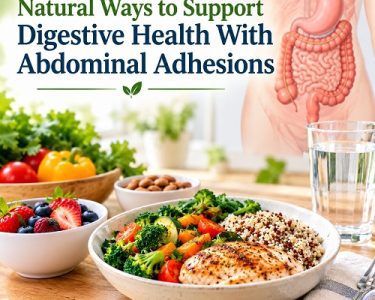
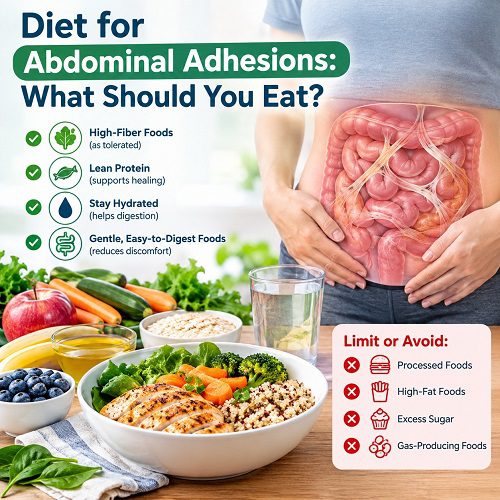
A healthy diet cannot remove or dissolve existing abdominal adhesions. However, choosing suitable foods may help support comfortable digestion, regular bowel movements and overall digestive health. The right diet can be particularly important for people who experience bloating, constipation, abdominal discomfort or changes in bowel habits. How a Diet for Abdominal Adhesions can support digestive wellbeing, which foods may be easier to tolerate and which foods may need to be limited when digestive symptoms are present.
What Are Abdominal Adhesions?
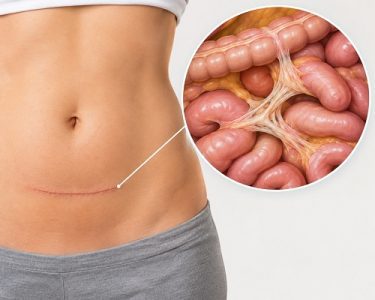
What Are Abdominal Adhesions? Abdominal adhesions are internal bands of scar tissue that cause tissues or organs to stick together. They can develop as part of the body’s natural healing process following surgery or inflammation.
For example, an adhesion may form between loops of intestine or between the intestine and the abdominal wall. Most adhesions do not cause problems. However, some may restrict the normal movement of the bowel.
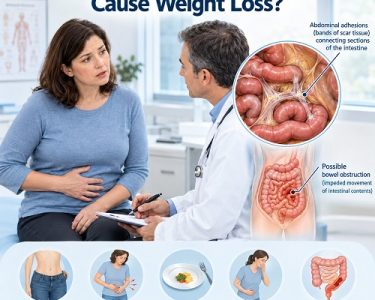
Symptoms associated with problematic adhesions can include abdominal pain, bloating, constipation, difficulty passing gas, nausea and vomiting. In some cases, adhesions can contribute to intestinal obstruction, which requires prompt medical attention.
Because adhesions are structural scar tissue, food cannot directly break them down. Instead, dietary choices should focus on supporting digestion and helping you identify foods that your body tolerates well.
Can Diet Treat Abdominal Adhesions?
Diet cannot cure or eliminate abdominal adhesions. There is currently no specific food that can dissolve scar tissue inside the abdomen.
However, diet can play an important supportive role. A suitable abdominal adhesions diet may help reduce digestive discomfort and maintain adequate nutrition, especially when symptoms such as constipation, bloating or irregular bowel movements occur.
The best diet depends on the individual’s symptoms. Someone with mild digestive discomfort may tolerate a varied diet rich in fibre, vegetables and whole grains. However, a person experiencing symptoms of bowel obstruction may require a very different dietary approach under medical supervision.
Therefore, avoid making major dietary restrictions without discussing them with a doctor or registered dietitian.
Foods to Include in a Diet for Abdominal Adhesions
There is no universal meal plan for people with adhesions. Still, several types of nutritious foods can support overall digestive health.
1. Cooked Vegetables
Vegetables provide vitamins, minerals and fibre. If raw vegetables cause bloating or discomfort, cooking them can make them softer and easier to tolerate.
Good options may include:
- Carrots
- Pumpkin
- Courgettes
- Spinach
- Green beans
- Potatoes
- Sweet potatoes
Steaming, boiling or lightly cooking vegetables may be preferable to heavily fried preparations.
If you have been advised to follow a low-fibre or low-residue diet because of bowel symptoms, ask your healthcare professional which vegetables are appropriate for you.
2. Soft Fruits
Fruits provide important nutrients and can contribute to a balanced diet. Some people with digestive sensitivity may find softer or peeled fruits easier to tolerate.
Potential choices include:
- Bananas
- Melons
- Ripe pears
- Peaches
- Applesauce
- Cooked apples
Fruit tolerance varies considerably. If a particular fruit consistently causes bloating, pain or changes in bowel habits, consider discussing it with your healthcare professional.
3. Oatmeal and Other Gentle Grains
Oatmeal can be a practical breakfast choice because it provides carbohydrates and soluble fibre. Soluble fibre absorbs water and forms a softer substance in the digestive tract.
Other grains may also be suitable, depending on individual tolerance. These can include rice, soft-cooked cereals and other easily digested grain products.
If you have been instructed to reduce fibre because of a bowel narrowing or obstruction risk, however, whole grains may not be appropriate during certain periods.
4. Lean Sources of Protein
Protein supports tissue maintenance and recovery. Include nutritious protein sources according to your tolerance and dietary preferences.
Options can include:
- Eggs
- Fish
- Skinless chicken
- Turkey
- Tofu
- Yoghurt
- Cottage cheese
Cooking methods such as baking, steaming or grilling may be preferable to deep frying.
5. Yoghurt and Fermented Foods
Some people tolerate yoghurt well and find it a convenient source of protein and calcium. Yoghurt containing live cultures may also be useful as part of a balanced diet.
However, dairy products can cause bloating or discomfort in people who are lactose intolerant. If dairy consistently Abdominal Adhesions causes symptoms, lactose-free alternatives may be worth considering.
Fermented foods should also be introduced according to individual tolerance rather than assuming that they will benefit everyone.
6. Soups and Well-Cooked Meals
Soft meals such as vegetable soups, broths, stews and well-cooked grains can be useful when solid foods feel uncomfortable.
Avoid making soups excessively rich, spicy or greasy if these ingredients worsen your symptoms.
A balanced soup containing vegetables, lean protein and an appropriate carbohydrate source can provide several nutrients in one meal.
7. Adequate Fluids
Hydration is an important part of digestive health. Drinking enough water helps the body maintain normal physiological functions and can support healthy bowel habits.
Water should generally be the main fluid. Depending on individual needs, other suitable options may include herbal teas or clear broths.
If you have been given fluid restrictions because of another medical condition, follow your healthcare professional’s advice.
Fibre and Abdominal Adhesions
Fibre deserves special attention when discussing a Diet for Abdominal Adhesions.
Fibre supports normal bowel function and can help prevent constipation. However, increasing fibre is not automatically appropriate for everyone with abdominal adhesions.
There are two main types of dietary fibre: soluble and insoluble. Soluble fibre is found in foods such as oats, some fruits and certain vegetables. Insoluble fibre is present in foods such as wheat bran and many vegetable skins.
People without bowel obstruction or narrowing may benefit from an appropriate amount of fibre as part of a balanced diet. However, people experiencing symptoms suggesting an obstruction may need medical assessment rather than simply increasing fibre.
If you experience worsening abdominal pain, vomiting, significant swelling or an inability to pass stool or gas, seek urgent medical care rather than attempting to manage the problem with fibre.
Foods You May Need to Limit
There is no official list of foods that everyone with adhesions must avoid. Nevertheless, certain foods can worsen digestive symptoms in some people.
High-Fat and Fried Foods
Fried foods, greasy meals and very high-fat dishes may cause digestive discomfort in some individuals.
Try alternatives such as:
- Baked fish
- Grilled chicken
- Steamed vegetables
- Baked potatoes
- Light soups
Large Meals
Eating very large meals may increase feelings of fullness and bloating.
Instead, some people find that smaller meals spread throughout the day are easier to tolerate.
For example, rather than eating two or three very large meals, you could discuss a pattern of smaller meals with your healthcare professional.
Carbonated Drinks
Fizzy drinks can increase gas and bloating in some people. If abdominal distension is one of your symptoms, reducing carbonated beverages may be helpful.
Water and non-carbonated drinks are generally better choices for hydration.
Foods That Personally Trigger Symptoms
Individual tolerance is important. A food that causes discomfort for one person may be perfectly acceptable for another.
Consider keeping a simple food and symptom diary. Record what you eat and whether you experience symptoms such as:
- Bloating
- Abdominal discomfort
- Constipation
- Diarrhoea
- Excessive gas
- Nausea
This information can help you and your healthcare professional identify potential dietary triggers.
Sample Meal Plan for an Abdominal Adhesions Diet
A sample day might look like this:
Breakfast:
Oatmeal with a ripe banana and a suitable yoghurt.
Mid-morning snack:
A soft fruit or another tolerated snack.
Lunch:
Rice with grilled chicken and well-cooked carrots or courgettes.
Afternoon snack:
Yoghurt or another suitable protein-rich snack.
Dinner:
Baked fish with mashed potato and cooked vegetables.
Fluids:
Water throughout the day according to your individual needs.
This is only an example. Your nutritional requirements may be different, particularly if you have recently undergone surgery, have another digestive condition or have been advised to follow a specific diet.
Eating After Abdominal Surgery
Dietary needs can change during recovery from abdominal surgery. Your digestive system may temporarily tolerate smaller portions and softer foods better than heavy meals.
Initially, your healthcare team may recommend liquids or soft foods before gradually returning to a normal diet. Follow the specific instructions provided by your surgeon or medical team.
As your recovery progresses, aim for adequate protein, fluids, vitamins and minerals. These nutrients support general recovery and help maintain strength.
Do not assume that avoiding all fibre is necessary simply because you have had surgery. Dietary recommendations should be based on your operation, recovery stage and individual symptoms.
Lifestyle Habits That Support Digestive Health
Diet is only one part of maintaining digestive health.
Regular physical activity, when medically appropriate, may support general wellbeing and normal bowel function. Walking can be a gentle option during recovery, but exercise restrictions after surgery should always be followed.
Eating slowly and chewing food thoroughly may also make meals more comfortable for some people.
Stress management and adequate sleep are important for overall health as well. Although these habits cannot remove abdominal adhesions, they can contribute to general wellbeing and healthy routines.
When Should You See a Doctor?
Dietary changes should not replace medical evaluation when symptoms are severe or persistent.
Seek urgent medical attention if you develop symptoms such as:
- Severe or worsening abdominal pain
- Persistent vomiting
- Significant abdominal swelling
- Inability to pass gas or stool
- Fever accompanied by significant abdominal symptoms
- Severe weakness or dehydration
These symptoms may indicate an intestinal obstruction or another medical problem requiring prompt assessment.
People with known abdominal adhesions should also discuss recurring symptoms with their healthcare provider rather than repeatedly changing their diet without identifying the underlying cause.
Can Supplements Help With Abdominal Adhesions?
Be cautious about products marketed as supplements that claim to dissolve or remove abdominal adhesions. There is no established dietary supplement that can reliably eliminate established scar-tissue adhesions.
Supplements for Abdominal Adhesions can also interact with medicines or cause digestive side effects. Therefore, speak with a doctor or qualified healthcare professional before starting supplements, particularly after surgery or if you take regular medication.
A food-first approach is generally preferable for meeting nutritional needs unless a healthcare professional identifies a specific deficiency.
Practical Tips for Following a Diet for Abdominal Adhesions
A few simple habits can make dietary management easier:
- Eat slowly and chew food thoroughly.
- Choose smaller meals if large portions cause discomfort.
- Drink sufficient fluids unless you have a medical fluid restriction.
- Choose nutritious foods rather than heavily processed meals.
- Cook vegetables if raw vegetables cause digestive discomfort.
- Introduce dietary fibre gradually when appropriate.
- Keep a food and symptom diary.
- Avoid foods that consistently trigger your symptoms.
- Follow your surgeon’s dietary instructions after an operation.
- Seek medical advice if digestive symptoms become severe or suddenly change.
Final Thoughts
A Diet for Abdominal Adhesions cannot remove existing scar tissue, but thoughtful food choices can support nutrition and comfortable digestion. Foods such as cooked vegetables, suitable fruits, oatmeal, lean protein, yoghurt and well-prepared meals may fit into a balanced abdominal adhesions diet, depending on individual tolerance.
At the same time, there is no single diet that works for everyone. Fibre, meal size and particular foods may need to be adjusted according to your symptoms and medical history.
Most importantly, do not try to treat potentially serious symptoms through diet alone. Severe abdominal pain, vomiting, swelling or an inability to pass stool or gas can require urgent medical assessment.
If you have abdominal adhesions or digestive symptoms following surgery, work with your doctor or a registered dietitian to create a nutritional plan that supports your individual needs and long-term digestive health.
This article is for general educational purposes and should not replace personalised medical advice, diagnosis or treatment from a qualified healthcare professional.