 By
By Abdominal adhesions are bands of scar-like tissue that can form inside the abdomen, often after surgery, infection, inflammation, or injury. They can connect organs and tissues that would normally move freely against one another. While many abdominal adhesions cause no symptoms, others may lead to chronic abdominal discomfort, digestive problems or, in more serious cases, intestinal obstruction.
One of the most common questions people have after abdominal surgery or another abdominal condition is: Can abdominal adhesions go away on their own?
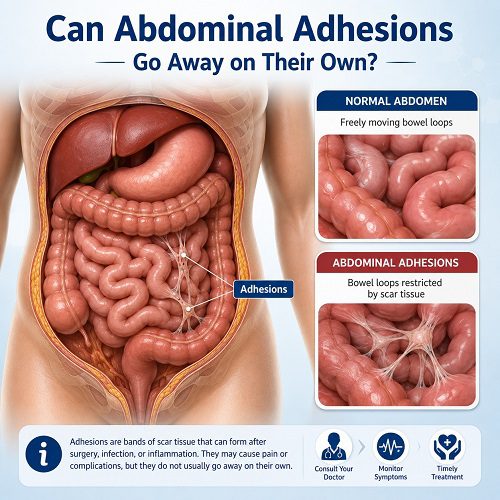
The answer is generally no. Established abdominal adhesions usually do not disappear completely without treatment. However, this does not necessarily mean that everyone with adhesions needs surgery. Many adhesions remain harmless and never cause noticeable symptoms. When Abdominal Adhesions symptoms occur, doctors usually consider their severity, cause and potential complications before recommending treatment.
Understanding how adhesions develop, what symptoms they can cause and when medical treatment may be necessary can help you make informed decisions about your health.
What Are Abdominal Adhesions?
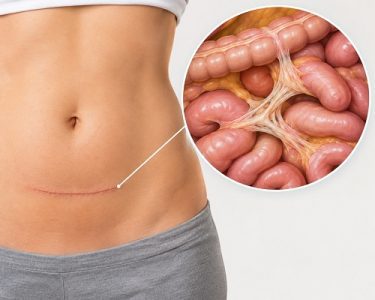
What Are Abdominal Adhesions? Abdominal adhesions are bands of fibrous tissue that develop between organs, tissues or the abdominal wall. They are essentially a form of internal scar tissue.
Normally, abdominal organs have smooth surfaces that allow them to move against each other. For example, the intestines need to move naturally as food passes through the digestive tract. After inflammation or tissue injury, the body’s healing process can cause surfaces inside the abdomen to stick together.
These connections can range from thin, delicate bands to thick, strong attachments.
Adhesions can develop between:
- Loops of the small intestine
- The large intestine and abdominal wall
- The intestines and other abdominal organs
- The abdominal wall and internal organs
- Different areas of tissue affected by previous inflammation or surgery
Some adhesions are harmless. Others can pull or twist parts of the intestine and interfere with normal movement.
Why Does Abdominal Scar Tissue Form?
Abdominal scar tissue usually develops as part of the body’s natural healing response.
The most common cause is previous abdominal or pelvic surgery. During an operation, tissues may become irritated or injured, triggering inflammation. As the body repairs the affected area, fibrous tissue may develop and eventually form an adhesion.
Other possible Abdominal Adhesions causes include:
- Abdominal or pelvic surgery
- Appendicitis
- Diverticulitis
- Pelvic inflammatory conditions
- Endometriosis
- Abdominal infections
- Inflammatory bowel disease
- Trauma to the abdomen
- Previous radiation treatment
Not everyone who has abdominal surgery develops troublesome adhesions, and not every Abdominal Adhesions causes symptoms.
Can Abdominal Adhesions Go Away Naturally?
For people wondering Can Abdominal Adhesions Go Away, it is important to distinguish between symptoms and the adhesions themselves.
Established adhesions generally do not dissolve or disappear naturally. Once mature fibrous tissue has formed, the body does not usually break it down completely.
However, symptoms may improve even when the adhesion remains.
For example, a person may experience abdominal discomfort for several weeks or months and later feel better. This improvement does not necessarily mean that the adhesion has disappeared. Symptoms can fluctuate depending on bowel movement, inflammation and other factors.
Some very early or minor tissue connections may change during the healing process, but established adhesions are generally considered permanent unless they are surgically separated.
This is one reason doctors do not routinely recommend surgery simply because adhesions are present.
Can Abdominal Adhesions Cause Symptoms?
Many people with abdominal adhesions have no symptoms at all. In fact, adhesions are often discovered incidentally during abdominal surgery or imaging performed for another reason.
When symptoms occur, they may include:
- Recurrent abdominal pain
- Cramping
- Bloating
- A feeling of fullness
- Constipation
- Difficulty passing gas
- Nausea
- Vomiting
- Changes in bowel habits
The symptoms can vary considerably from one person to another.
Abdominal adhesions may cause discomfort by restricting the normal movement of internal organs. If an adhesion pulls on or partially blocks the intestine, symptoms may become more noticeable.
It is also important to remember that these symptoms have many possible causes. Having abdominal pain does not automatically mean that adhesions are responsible.
What Happens If an Adhesion Causes Intestinal Obstruction?
One of the most important complications associated with abdominal adhesions is intestinal obstruction.
An adhesion can create a tight band around part of the intestine or cause the bowel to bend or twist. This may prevent food, fluids and digestive contents from moving normally through the digestive tract.
A partial obstruction may produce intermittent symptoms, while a complete obstruction can become a medical emergency.
Warning signs can include:
- Severe or worsening abdominal pain
- Persistent abdominal cramping
- Significant abdominal swelling or bloating
- Repeated vomiting
- Inability to pass stool
- Inability to pass gas
- Dehydration
- Rapidly worsening symptoms
Anyone experiencing symptoms suggestive of an intestinal obstruction should seek urgent medical attention rather than trying to manage the problem at home.
Do Abdominal Adhesions Always Need Treatment?
No. Adhesions do not automatically require treatment.
If adhesions are discovered but are not causing symptoms, doctors may recommend observation rather than intervention. This is because surgery to remove adhesions can itself cause new scar tissue and additional adhesions.
Doctors generally consider treatment when adhesions are causing significant or persistent symptoms, complications or intestinal obstruction.
The decision depends on factors such as:
- Severity of symptoms
- Duration of symptoms
- Presence of bowel obstruction
- Previous operations
- Overall health
- Risk of complications
- Whether another condition may be causing the symptoms
A healthcare professional can determine the safest approach after assessing the individual situation.
How Are Abdominal Adhesions Diagnosed?
Diagnosing Abdominal Adhesions can sometimes be challenging because they often cannot be seen directly on standard imaging tests.
A doctor may begin with:
- Medical history – Previous abdominal operations, infections and inflammatory conditions can provide important clues.
- Physical examination – The doctor may assess abdominal tenderness, swelling and bowel sounds.
- Blood tests – These can help identify inflammation, infection or other abnormalities.
- Imaging – CT scans, X-rays or other imaging may help identify complications such as intestinal obstruction.
- Surgery – In some cases, adhesions are confirmed only during an operation.
A CT scan may not always show the adhesion itself, but it can sometimes reveal the effects of an adhesion, particularly when it has caused bowel obstruction.
What Is Adhesion Treatment?
The appropriate Abdominal Adhesions treatment depends largely on whether the adhesions are causing symptoms or complications.
Observation
For people without significant symptoms, observation may be the safest option.
Doctors may recommend monitoring symptoms and seeking medical attention if new or worsening problems develop.
Managing Symptoms
If adhesions are not causing an obstruction, treatment may focus on controlling symptoms and addressing other digestive problems.
Depending on the individual’s circumstances, a doctor may recommend dietary adjustments, medicines for specific symptoms or treatment of another underlying gastrointestinal condition.
These approaches may help someone feel better, but they do not necessarily remove the adhesion itself.
Surgical Adhesiolysis
When Abdominal Adhesions cause serious complications, surgery may be considered.
The surgical procedure used to separate adhesions is called adhesiolysis. It involves carefully cutting or releasing abnormal scar tissue so that affected organs or bowel segments can move more freely.
Adhesiolysis may be performed through:
- Laparoscopic surgery, using small incisions and a camera
- Open surgery, involving a larger abdominal incision
The choice depends on the severity and location of the adhesions, previous operations, the patient’s condition and the surgeon’s assessment.
Can Surgery Permanently Remove Abdominal Adhesions?
Surgery can separate existing adhesions, but it cannot guarantee that adhesions will never return.
This is an important consideration when discussing adhesion treatment.
Surgery itself involves manipulating or injuring tissues, which can trigger another healing response. As a result, new adhesions may develop after adhesiolysis.
For this reason, surgeons generally weigh the potential benefits against the risks before recommending an operation.
Surgical treatment is usually considered when the expected benefits outweigh the possibility of creating additional scar tissue.
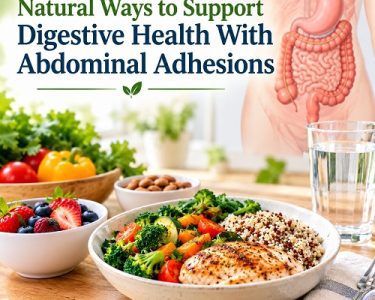
Can Diet Get Rid of Abdominal Adhesions?
There is currently no specific diet proven to dissolve established abdominal adhesions.
A balanced diet can support general digestive health, but food cannot physically remove mature fibrous bands inside the abdomen.
People with digestive symptoms should avoid making major dietary changes without professional advice, particularly if there is a possibility of bowel obstruction.
If a doctor identifies a specific dietary trigger or digestive condition contributing to symptoms, an appropriate eating plan may be recommended.
Can Exercise Remove Abdominal Adhesions?
Exercise cannot reliably dissolve established adhesions.
However, appropriate physical activity may support general health, mobility and normal digestive function. Gentle movement may also be useful during recovery from surgery when a healthcare professional has confirmed that exercise is safe.
People with known adhesions should avoid strenuous exercise if it causes pain or other symptoms.
There is also no strong evidence that aggressive stretching or abdominal manipulation can safely break up internal adhesions. Attempting to forcefully manipulate the abdomen could potentially cause injury.
Do Natural Remedies Remove Abdominal Adhesions?
Natural Remedies for Abdominal Adhesions are often promoted online as a way to dissolve scar tissue. However, there is no well-established natural treatment proven to eliminate established abdominal adhesions.
Herbal products, supplements, special diets and detox programmes should therefore not be viewed as replacements for medical assessment.
Some approaches may support general wellbeing, but they should not be presented as proven methods of removing adhesions.
This is particularly important when someone has severe abdominal pain, vomiting, significant bloating or difficulty passing stool or gas. Such symptoms can indicate a serious complication that requires medical assessment.
How Long Do Abdominal Adhesions Last?
Established adhesions can remain in the body for many years and may persist indefinitely.
However, their effect on a person’s health can change over time.
Some people never experience symptoms. Others may have intermittent discomfort, while some develop complications such as bowel obstruction.
The duration and severity of symptoms depend on the location, size and characteristics of the adhesion, as well as the health of the surrounding tissues.
Therefore, there is no single timeline that applies to everyone.
When Should You See a Doctor?
You should speak with a healthcare professional if you have persistent or unexplained abdominal pain, particularly if you have previously undergone abdominal or pelvic surgery.
Medical evaluation is especially important if symptoms are recurrent or progressively worsening.
Seek urgent medical attention if you develop:
- Severe abdominal pain
- Persistent vomiting
- Marked abdominal swelling
- Inability to pass gas or stool
- Fever with significant abdominal symptoms
- Signs of dehydration
- Sudden worsening of abdominal discomfort
These symptoms can have several causes, including intestinal obstruction, and should not be ignored.
Can Abdominal Adhesions Be Prevented?
It is not always possible to prevent adhesions completely.
However, surgeons may use careful surgical techniques and certain materials or barriers designed to reduce tissue contact during healing. The specific approach depends on the operation and individual circumstances.
If you need abdominal surgery, you can ask your surgeon about the risk of adhesion formation and the measures that may be appropriate.
Preventing unnecessary abdominal operations can also reduce the likelihood of developing surgery-related adhesions.
Frequently Asked Questions
Can abdominal adhesions go away on their own?
Established abdominal adhesions generally do not disappear completely on their own. However, symptoms may improve or disappear even when the adhesions remain.
Can abdominal scar tissue dissolve naturally?
Mature abdominal scar tissue usually does not dissolve naturally. The body may remodel scar tissue over time, but established adhesions generally persist unless they are separated surgically.
Is surgery always necessary for adhesions?
No. Many adhesions cause no symptoms and require no treatment. Surgery is generally considered when adhesions cause significant complications, such as intestinal obstruction, or severe persistent symptoms.
Can exercise break up adhesions?
There is no reliable evidence that exercise can physically break up established abdominal adhesions. Appropriate movement can support general health but should be performed safely, particularly Abdominal Adhesions after surgery.
Can diet remove adhesions?
No specific diet has been proven to dissolve established abdominal adhesions. Dietary changes may sometimes help manage digestive symptoms but do not remove the underlying scar tissue.
Can adhesions come back after surgery?
Yes. Adhesions can develop again after surgery because the healing process can create new scar tissue. This is one reason doctors carefully consider whether surgical adhesion removal is necessary.
Final Thoughts
So, Can Abdominal Adhesions Go Away on their own? In most cases, established adhesions do not completely disappear naturally. Nevertheless, having an adhesion does not necessarily mean that you will experience ongoing problems or require surgery.
Many people live with adhesions without symptoms. When complications occur, particularly intestinal obstruction, prompt medical assessment is essential.
The best approach depends on the location and severity of the adhesions, your symptoms, medical history and risk of complications. If you have persistent abdominal pain or digestive symptoms after abdominal surgery, speak with a qualified healthcare professional rather than assuming that adhesions are the cause.
For people who require intervention, adhesion treatment may range from careful observation and symptom management to surgical adhesiolysis in selected cases. Because surgery can also lead to new adhesions, treatment decisions should be individualised and made with an experienced medical team.