 By
By Lipomas are among the most common benign fatty growths that develop beneath the skin. Although they are usually harmless and slow-growing, many people wonder whether lifestyle changes can make them smaller or prevent new ones from forming. One of the most frequently asked questions is: can exercise reduce lipoma?
The short answer is no—exercise is not known to shrink or eliminate a lipoma. However, staying physically active offers many important health benefits that can improve overall well-being, help maintain a healthy body weight, and make living with a lipoma more comfortable.
What is a Lipoma?
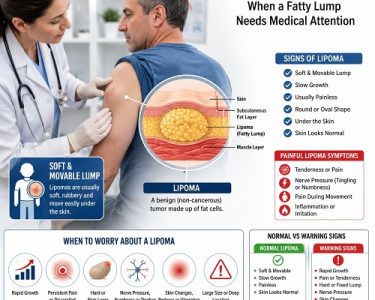
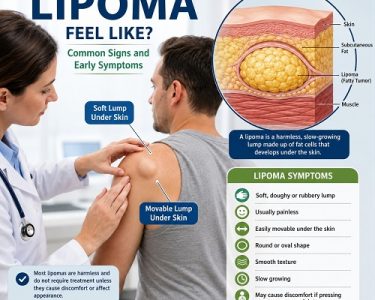
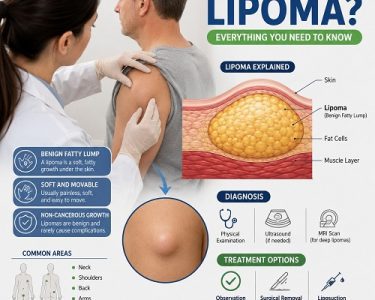
A lipoma is a soft, movable lump made up of fat cells that develops beneath the skin. It usually grows slowly and is non-cancerous. Lipomas can appear almost anywhere on the body but are most commonly found on the:
- Lipoma on Neck
- Shoulders
- Back
- Lipoma on Arms
- Thighs
- Abdomen
Most lipomas are painless, although larger ones or those located near nerves or muscles may cause discomfort.
Can Exercise Reduce Lipoma?
Many people search online asking, can exercise reduce lipoma? Based on current medical knowledge, there is no evidence that exercise can shrink, dissolve, or remove a lipoma.
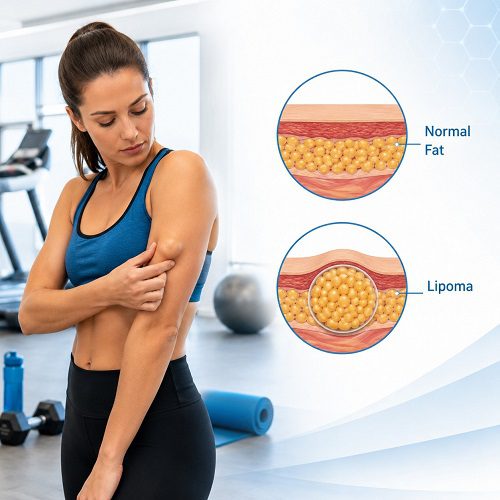
A lipoma is a localized collection of fat cells enclosed within a thin fibrous capsule. Unlike normal body fat, the fat inside a lipoma does not simply disappear when you burn calories during exercise.
Even if you lose body fat through regular physical activity and healthy eating, the lipoma itself usually remains the same size. In some cases, it may appear slightly more noticeable after weight loss because the surrounding body fat has decreased.
Why Doesn’t Exercise Shrink a Lipoma?
This question often causes confusion because exercise burns fat throughout the body.
The difference is that:
- Body fat is stored in fat cells used for energy.
- Lipomas are benign tumors composed of mature fat cells.
- These fatty growths behave differently from normal fat tissue.
When you exercise, your body uses stored energy from fat throughout your body—not specifically from the fat trapped inside a lipoma.
This is why even people who are lean and physically active can develop lipomas.
Understanding the Connection Between Lipoma and Exercise
Although exercise cannot remove a lipoma, lipoma and exercise are still closely connected when it comes to maintaining overall health.
Regular physical activity helps:
- Improve circulation
- Maintain healthy body weight
- Support heart health
- Build muscle strength
- Increase flexibility
- Improve mood
- Reduce stress
- Boost energy levels
These benefits can improve your quality of life, even if they don’t directly affect the lipoma itself.
Weight Loss and Lipoma: Is There a Relationship?
Another common question concerns weight loss and lipoma.
The answer is a bit more complex.
Weight Loss Does Not Remove Existing Lipomas
Current evidence suggests that losing weight does not make an existing lipoma disappear.
Many people notice that:
- Their body becomes leaner.
- The lipoma remains unchanged.
- The lump may even become easier to see or feel.
This happens because surrounding fat decreases while the lipoma stays relatively the same size.
Weight Management Still Matters
Although weight loss doesn’t cure lipomas, maintaining a healthy weight provides numerous benefits, including:
- Reduced strain on joints
- Better mobility
- Lower risk of chronic diseases
- Improved cardiovascular health
- Better blood sugar control
- Increased stamina
Healthy weight management is still an important part of an overall wellness plan.
Can Exercise Prevent New Lipomas?
There is currently no scientific evidence that regular exercise prevents new lipomas from developing.
Several factors appear to play a larger role, including:
- Genetics
- Family history
- Age
- Certain inherited conditions
- Unknown biological factors
Some individuals develop multiple lipomas despite maintaining excellent physical fitness.
Best Types of Exercise for People with Lipomas
Living an active lifestyle is generally safe for most people with lipomas.
Good exercise options include:
Walking
Walking is one of the safest forms of exercise.
Benefits include:
- Low impact
- Easy to start
- Improves cardiovascular fitness
- Helps maintain healthy weight
Swimming
Swimming is especially useful if a lipoma causes mild discomfort during weight-bearing activities.
Benefits include:
- Full-body workout
- Low joint stress
- Excellent cardiovascular exercise
Cycling
Cycling helps strengthen the legs while improving endurance.
Choose a comfortable bike position if your lipoma is located near areas that contact the seat or handlebars.
Strength Training
Resistance exercises help:
- Build muscle
- Improve posture
- Support bone health
- Increase metabolism
If a lipoma causes discomfort during lifting, modify the exercise or reduce the load.
Yoga
Yoga promotes:
- Flexibility
- Balance
- Stress reduction
- Gentle movement
Many people find yoga comfortable even with small lipomas.
Pilates
Pilates focuses on:
- Core strength
- Stability
- Controlled movement
- Posture
Exercises can often be adjusted to avoid pressure on sensitive areas.
Fitness with Lipoma: Tips for Exercising Comfortably
If you’re pursuing fitness with lipoma, consider these practical suggestions.
Wear Comfortable Clothing
Loose-fitting athletic clothing may reduce irritation if the lipoma rubs against fabric.
Avoid Repeated Pressure
Large lipomas located on the back, shoulder, thigh, or hip may become irritated during certain exercises.
Modify movements if necessary.
Listen to Your Body
Stop exercising if you notice:
- Sharp pain
- Sudden swelling
- Significant discomfort
- Reduced range of motion
Persistent symptoms should be evaluated by a healthcare professional.
Progress Gradually
Increase workout intensity slowly rather than making sudden changes.
This approach helps reduce unnecessary strain.
When Exercise May Need to Be Modified
Although most lipomas do not interfere with physical activity, some situations require adjustments.
These include:
- Large lipomas
- Lipomas near joints
- Lipomas pressing on nerves
- Painful lipomas
- Lipomas affecting movement
A healthcare provider or physical therapist can recommend exercise modifications if needed.
Can Building Muscle Hide a Lipoma?
Some people wonder whether increasing muscle mass can make a lipoma less noticeable.
The answer depends on:
- The lipoma’s location
- Its size
- Your body composition
In some cases, improved muscle tone changes body contours slightly, but muscle growth does not remove the lipoma.
Can Exercise Make a Lipoma Worse?
Normal exercise generally does not cause a lipoma to grow.
However, repeated friction or direct impact may temporarily make the area feel:
- Tender
- Sore
- Irritated
These symptoms usually relate to surrounding tissues rather than changes within the lipoma itself.
Signs You Should See a Doctor
Most lipomas are harmless, but certain changes deserve medical attention.
Consult a healthcare professional if a lump:
- Grows rapidly
- Becomes painful
- Feels hard
- Is fixed in place
- Causes numbness
- Interferes with movement
- Develops skin changes
- Appears suddenly
Not every lump beneath the skin is a lipoma, so proper evaluation is important.
Other Ways Lipomas Are Managed
If a lipoma causes pain, cosmetic concerns, or limits movement, a healthcare provider may discuss Lipoma Alternative Treatment options.
Management may include:
- Monitoring small, symptom-free lipomas
- Surgical removal when appropriate
- Other procedures recommended by a qualified medical professional
The right approach depends on the lipoma’s size, location, symptoms, and your overall health.
Healthy Lifestyle Habits Beyond Exercise
Although can exercise reduce lipoma is a common question, overall wellness involves more than physical activity alone.
Helpful habits include:
Eat a Balanced Diet
Choose meals rich in:
- Vegetables
- Fruits
- Whole grains
- Lean proteins
- Healthy fats
A nutritious diet supports general health even though it doesn’t shrink lipomas.
Stay Hydrated
Adequate hydration supports normal body function and overall well-being.
Get Enough Sleep
Adults generally benefit from 7–9 hours of quality sleep each night.
Manage Stress
Consider stress-management techniques such as:
- Meditation
- Deep breathing
- Gentle stretching
- Walking outdoors
- Mindfulness practices
Frequently Asked Questions
Can exercise reduce lipoma naturally?
Current medical evidence indicates that exercise does not shrink or remove a lipoma. However, regular exercise supports overall health and fitness.
Does weight loss make lipomas disappear?
No. Existing lipomas usually remain even after successful weight loss, although they may become more noticeable as surrounding body fat decreases.
Is it safe to work out with a lipoma?
Yes. Most people can exercise safely with a lipoma. If the lump causes pain or restricts movement, consult a healthcare professional about suitable modifications.
Which exercises are best for people with lipomas?
Walking, swimming, cycling, yoga, Pilates, and strength training are generally excellent options, provided they don’t cause discomfort.
Can lifting weights make a lipoma bigger?
There is no evidence that normal strength training causes lipomas to grow. However, repeated pressure on the area may cause temporary soreness.
Final Thoughts
If you’ve been asking can exercise reduce lipoma, the current medical answer is no. Exercise does not dissolve or shrink these benign fatty growths because lipomas behave differently from normal body fat.
That said, maintaining an active lifestyle remains one of the best choices for your overall health. Regular physical activity supports heart health, strengthens muscles, improves mobility, helps with weight loss and lipoma management from a general wellness perspective, and enhances quality of life.
Whether you’re focused on lipoma and exercise or simply trying to improve your overall health, staying active, eating a balanced diet, and seeking medical advice if a lump changes in size or causes symptoms are sensible steps. Exercise may not eliminate a lipoma, but it plays an essential role in maintaining a healthy, active, and fulfilling life.