
 By
Bullous pemphigoid is a rare autoimmune skin condition characterized by itchy, blistering lesions that can be both painful and distressing. While medical treatment is essential, your diet can also play a role in managing the symptoms. Certain foods may trigger inflammation or worsen the condition, making it crucial to know what to avoid. Here’s a comprehensive guide to foods you should consider cutting out to help manage bullous pemphigoid effectively.
What is Bullous Pemphigoid?
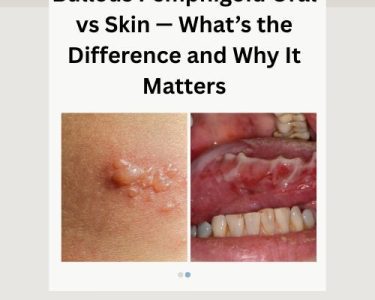
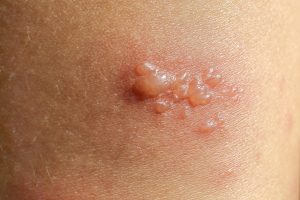
Bullous pemphigoid is a rare but serious autoimmune skin disorder characterized by large, fluid-filled blisters (bullae) that form on the skin. These blisters often develop on areas prone to friction, such as the arms, legs, or abdomen. Although the condition is more common in older adults, it can affect individuals of any age.
Causes and Mechanism
The condition arises when the immune system mistakenly attacks the tissues that connect the outer layer of the skin (epidermis) to the underlying layer (dermis). Specifically, autoantibodies target proteins in the basement membrane, a thin layer that anchors the epidermis. This immune response leads to inflammation and separation of the skin layers, causing blister formation.
Related Articles: Bullous Pemphigoid vs Pemphigus Vulgaris: Treatment Options You Need to Know
The exact cause of this immune dysfunction is unknown, but triggers may include:
- Medications: Some drugs, such as loop diuretics, penicillin, or NSAIDs, have been linked to bullous pemphigoid.
- Infections: Certain viral or bacterial infections may trigger the condition.
- Other medical conditions: Conditions like diabetes or neurological diseases, including Parkinson’s disease, may increase the risk.
Symptoms of Bullous Pemphigoid
The symptoms can vary in severity but often include:
- Blisters: The hallmark symptom is the development of large, tense blisters filled with clear fluid, which do not easily rupture.
- Itching: A persistent and often severe itch may occur before blisters form.
- Skin redness and inflammation: Areas surrounding the blisters may appear red or swollen.
- Mucosal involvement: In some cases, lesions may form in the mouth or other mucous membranes.
Who is at Risk?
Bullous pemphigoid primarily affects individuals over the age of 60. While the condition is not contagious, certain factors may increase the likelihood of its development:
- Advanced age
- A history of autoimmune disorders
- Long-term medication use
- Neurological conditions
Why Diet Matters in Bullous Pemphigoid
Although no specific diet cures bullous pemphigoid, avoiding inflammatory or allergenic foods can help reduce flare-ups. An anti-inflammatory diet supports your immune system and may help to minimize the severity of symptoms.
Top Foods to Avoid with Bullous Pemphigoid
Living with bullous pemphigoid can be challenging, particularly when skin inflammation, itching, and fluid-filled blisters affect daily comfort. Although no specific diet has been proven to cure or prevent bullous pemphigoid, choosing suitable foods may help support overall health and reduce nutritional problems. Knowing the foods to avoid with bullous pemphigoid can help you make better dietary choices while managing this autoimmune skin condition. Highly processed foods, including packaged snacks, fast food, processed meats, and ready-made meals, are worth limiting. These products often contain excessive salt, unhealthy fats, and added sugars, which may contribute to poor overall health. Instead, choose fresh vegetables, fruits, whole grains, and balanced sources of protein to support your body’s nutritional needs.
Another group of foods to avoid with bullous pemphigoid includes products high in added sugar, such as soft drinks, sweets, cakes, biscuits, and sugary breakfast cereals. Excessive sugar consumption can contribute to weight gain and metabolic problems, which may affect general health. Fried foods and meals containing high amounts of saturated fats, including deep-fried snacks, fatty cuts of meat, and heavily processed fast food, should also be limited. These foods offer little nutritional value compared with healthier alternatives. However, there is no strong clinical evidence that sugar or fried foods directly trigger bullous pemphigoid blisters. A balanced eating pattern is more important than following unnecessary food restrictions.
Some people with bullous pemphigoid may also notice discomfort or individual reactions after eating particular foods. If you suspect that a specific ingredient worsens your symptoms, keep a food diary and discuss your observations with your dermatologist or dietitian. Avoid eliminating entire food groups without professional advice, as restrictive diets can lead to nutritional deficiencies. Foods containing artificial colours, preservatives, and excessive sodium may also be worth limiting as part of a healthier eating routine. If you experience food allergies or intolerances, follow appropriate medical guidance rather than assuming that these foods affect everyone with the condition.
Following a nutritious diet can help support skin health and general wellbeing during bullous pemphigoid treatment. Include vitamin-rich vegetables, fresh fruits, whole grains, lean proteins, nuts, seeds, and healthy fats in your daily meals. Drink sufficient water and choose foods that are easy to chew if mouth blisters or soreness make eating uncomfortable. Remember that dietary changes cannot replace prescribed medications or dermatological care. While understanding the foods to avoid with bullous pemphigoid can encourage healthier eating habits, consult your healthcare professional before making significant dietary changes. A personalised nutrition plan, combined with appropriate medical treatment, can help you maintain good health while managing this condition.
1. Processed and Fried Foods
- Why Avoid? Processed and fried foods are rich in trans fats, which can increase inflammation.
- Examples to Cut: Chips, fried chicken, processed meats, and packaged snacks.
2. Sugary Foods and Beverages
- Why Avoid? Excessive sugar intake can spike blood sugar levels and trigger inflammatory responses.
- Examples to Cut: Soda, candy, baked goods, and sugary cereals.
3. Gluten-Containing Foods
- Why Avoid? Some individuals with autoimmune conditions are sensitive to gluten, which can exacerbate inflammation.
- Examples to Cut: Bread, pasta, cakes, and other wheat-based products.
4. Dairy Products
- Why Avoid? Dairy can be inflammatory for some people, especially those who are lactose intolerant or have dairy sensitivities.
- Examples to Cut: Milk, cheese, cream, and butter.
5. Nightshade Vegetables
- Why Avoid? Nightshades contain solanine, a compound that may contribute to inflammation in some individuals.
- Examples to Cut: Tomatoes, peppers, eggplants, and potatoes.
6. Alcohol
- Why Avoid? Alcohol can weaken the immune system and irritate the skin, making symptoms worse.
- Examples to Cut: Beer, wine, cocktails, and spirits.
7. Spicy Foods
- Why Avoid? Spices can irritate sensitive skin and potentially worsen itching or blistering.
- Examples to Cut: Hot peppers, chili powder, and certain spicy sauces.
8. High-Histamine Foods
- Why Avoid? Histamine-rich foods may trigger allergic-like reactions in some people.
- Examples to Cut: Aged cheeses, fermented foods, smoked meats, and canned fish.
Tips for Building a Bullous Pemphigoid-Friendly Diet
A bullous pemphigoid diet focuses on providing essential nutrients that support skin health, reduce inflammation, and promote overall well-being. Bullous pemphigoid is an autoimmune skin condition that causes itchy blisters and irritation. Although diet cannot cure this condition, eating a balanced and nutritious diet may help support the body’s immune system and improve general skin health. Including fresh fruits, vegetables, whole grains, lean proteins, and healthy fats can provide important vitamins and minerals.
When following a bullous pemphigoid diet, choose foods rich in antioxidants and anti-inflammatory nutrients. Berries, spinach, broccoli, carrots, nuts, olive oil, and fatty fish are excellent options. These foods contain vitamins, minerals, and omega-3 fatty acids that support healthy skin. Drinking enough water throughout the day is also important to maintain hydration and support normal skin function.
Some foods may worsen irritation or discomfort in certain individuals. It may be helpful to limit highly processed foods, excessive sugar, fried foods, and foods that trigger personal sensitivities. However, there is no scientifically established list of foods that everyone with bullous pemphigoid must avoid. Maintaining a balanced bullous pemphigoid diet and consulting a healthcare professional or registered dietitian can help ensure proper nutrition.
Related Articles: Bullous Pemphigoid – Autoimmune Skin Disorder
1. Incorporate Anti-Inflammatory Foods
Since BP involves inflammation, choosing foods that can help reduce inflammation in the body is important. Some key anti-inflammatory foods to include are:
- Fatty Fish: Rich in omega-3 fatty acids, fish like salmon, mackerel, and sardines can help reduce inflammation.
- Leafy Greens: Vegetables like spinach, kale, and collard greens are packed with antioxidants that help combat inflammation.
- Nuts and Seeds: Walnuts, flaxseeds, and chia seeds provide healthy fats and anti-inflammatory properties.
2. Focus on High-Fiber, Whole Foods
A diet rich in whole, unprocessed foods can help improve digestion and overall health, which may indirectly benefit those with BP. Focus on:
- Whole Grains: Brown rice, quinoa, and oats provide fiber, which supports gut health.
- Fruits and Vegetables: Choose a variety of colorful fruits and vegetables to ensure you’re getting a broad range of vitamins, minerals, and antioxidants.
- Legumes: Beans, lentils, and chickpeas are excellent sources of fiber and plant-based protein.
3. Limit Processed Foods and Added Sugars
Processed foods, sugary snacks, and refined carbohydrates can increase inflammation in the body. People with BP should consider reducing their intake of:
- Sugary Beverages: Soft drinks, fruit juices, and energy drinks can spike blood sugar levels and contribute to inflammation.
- Processed Meats: Sausages, hot dogs, and other processed meats are often high in unhealthy fats and preservatives.
- Refined Grains: White bread, pastries, and pasta made from refined flour can have similar inflammatory effects.
4. Avoid Food Triggers (If Identified)
Some individuals with BP may have specific food sensitivities or allergies that can exacerbate symptoms. Common food triggers might include:
Related Articles: Bullous Pemphigoid Natural Treatment and Some Food Avoid
- Dairy Products: For some, dairy may contribute to inflammation or worsen skin conditions.
- Nightshades: Tomatoes, potatoes, and peppers are part of the nightshade family, which may trigger inflammatory reactions in some individuals.
- Gluten: Some people with autoimmune diseases, including BP, find that gluten worsens their symptoms. Consider gluten-free options if you suspect gluten sensitivity.
5. Stay Hydrated
Dehydration can worsen skin conditions, so it’s essential to drink plenty of water throughout the day. Aim for at least 8 cups of water per day, or more if you are active or in hot climates. Hydrating not only supports your skin health but also helps flush toxins from your body.
6. Add Probiotic-Rich Foods for Gut Health
The gut plays a significant role in immune function, and a healthy gut microbiome may help manage autoimmune diseases. Including probiotic-rich foods in your diet can be beneficial:
- Yogurt (if tolerated): Look for unsweetened, live-culture yogurt.
- Kefir: A fermented milk drink that provides probiotics.
- Sauerkraut and Kimchi: Fermented vegetables that are naturally rich in probiotics.
7. Ensure Sufficient Protein Intake
Protein is essential for skin repair and immune function. Since BP can cause skin damage, it’s crucial to ensure adequate protein intake. Sources of protein include:
- Lean Meats: Skinless chicken, turkey, and lean cuts of beef.
- Plant-Based Proteins: Tofu, tempeh, edamame, and legumes.
- Eggs: A great source of high-quality protein and essential amino acids.
8. Include Vitamin-Rich Foods for Skin Health
Certain vitamins and minerals are important for skin health, and deficiencies can worsen BP symptoms. Include foods rich in these essential nutrients:
- Vitamin C: Found in citrus fruits, strawberries, bell peppers, and broccoli. Vitamin C helps with collagen production and skin repair.
- Vitamin E: An antioxidant found in nuts, seeds, spinach, and avocados that supports skin healing.
- Zinc: Important for immune function and wound healing, found in pumpkin seeds, chickpeas, and lentils.
9. Consult a Dietitian or Healthcare Provider
Before making any significant changes to your diet, it’s important to consult with a healthcare provider or dietitian, especially if you are on medication or have other health conditions. A professional can help you create a personalized plan that meets your specific nutritional needs.
Related Articles: 8 Natural Remedies for Bullous Pemphigoid
Bullous Pemphigoid Treatment: Effective Ways to Manage Symptoms
Bullous pemphigoid treatment focuses on controlling inflammation, reducing itching, preventing new blisters, and helping damaged skin heal. Bullous pemphigoid is a rare autoimmune skin condition that causes large, fluid-filled blisters, redness, and intense itching. It commonly affects older adults and can develop on different parts of the body, including the arms, legs, abdomen, and chest. Although the condition can be uncomfortable, proper medical care and early diagnosis can help manage symptoms and prevent complications. Treatment usually depends on the severity of the condition, the patient’s overall health, and the areas of skin affected.
One of the most common approaches to bullous pemphigoid treatment is the use of corticosteroids. Doctors may prescribe topical steroid creams for mild or localized symptoms, while oral corticosteroids may be recommended for more widespread or severe cases. These medications help reduce inflammation, itching, and blister formation. However, long-term steroid use can cause side effects, including increased blood sugar, weakened bones, and a higher risk of infections. Therefore, patients should use these medications exactly as prescribed and attend regular medical checkups. Antibiotics such as doxycycline may also be considered in certain cases because of their anti-inflammatory effects.
For patients who do not respond well to standard medications, other treatment options may be available. These can include immunosuppressive medicines that help control the immune system’s abnormal response. Biologic medications, such as dupilumab, may also be considered for appropriate patients. In addition to medication, proper wound care is essential. Keeping affected areas clean, protecting blisters, avoiding scratching, and using gentle skincare products can help reduce irritation and prevent infections. Doctors may also recommend antihistamines to relieve itching and improve sleep quality.
Successful bullous pemphigoid treatment requires patience, consistent medical supervision, and an individualized care plan. Symptoms may improve gradually, and some patients may experience periods of remission. It is important to consult a dermatologist for an accurate diagnosis and appropriate treatment. Never stop prescribed medication or change the dosage without medical advice. With proper treatment and regular follow-ups, many people can achieve better symptom control and improve their quality of life.
Conclusion
Managing bullous pemphigoid requires a holistic approach that includes both medical care and dietary awareness. By avoiding inflammatory and allergenic foods, you can help reduce flare-ups and support your body’s healing process. Start cutting out these problematic foods today to take control of your symptoms and improve your quality of life.
Frequently Asked Questions (FAQs)
1. What foods should you avoid if you have bullous pemphigoid?
There is no scientifically established list of foods that everyone with bullous pemphigoid must avoid. However, limiting highly processed foods, fried foods, sugary beverages, and foods that cause individual sensitivities may support overall health. Some people may also need to avoid certain foods that irritate existing mouth blisters.
2. Can sugar make bullous pemphigoid worse?
Eating excessive added sugar is not a proven cause of bullous pemphigoid flare-ups. However, reducing sugary drinks, sweets, and heavily processed snacks can support better overall health, particularly for people managing diabetes or other health conditions.
3. Should people with bullous pemphigoid avoid dairy products?
Not necessarily. Dairy products do not need to be eliminated unless you have a dairy allergy, lactose intolerance, or notice that certain dairy foods cause discomfort. If you remove dairy from your diet, make sure you obtain sufficient calcium, protein, and vitamin D from other sources.
4. Are tomatoes and potatoes bad for bullous pemphigoid?
Tomatoes and potatoes belong to the nightshade family. Some individuals may choose to monitor their response to these foods, but there is insufficient scientific evidence that nightshade vegetables universally worsen bullous pemphigoid. Avoid eliminating nutritious vegetables without a specific reason or professional guidance.
5. Can gluten trigger bullous pemphigoid?
Gluten is not an established trigger of bullous pemphigoid. People with celiac disease or diagnosed gluten sensitivity should follow appropriate dietary restrictions. Otherwise, a gluten-free diet is not routinely necessary for managing this skin condition.
6. Is alcohol harmful for people with bullous pemphigoid?
Alcohol may irritate existing mouth sores and can interact with certain medications. It is best to discuss alcohol consumption with your healthcare provider, especially if you are taking corticosteroids or other medications.
7. What foods are good for people with bullous pemphigoid?
A balanced diet containing nutrient-rich foods can support general health and normal skin repair. Consider including:
- Fatty fish, such as salmon and sardines.
- Leafy green vegetables.
- Fresh fruits rich in vitamins and antioxidants.
- Whole grains, such as oats and brown rice.
- Beans, lentils, and chickpeas.
- Nuts and seeds.
- Lean protein sources, including eggs and chicken.
Choose foods according to your nutritional needs and personal tolerance.
8. Can an anti-inflammatory diet cure bullous pemphigoid?
No. An anti-inflammatory diet cannot cure bullous pemphigoid. Although balanced nutrition supports general well-being, this autoimmune blistering condition requires appropriate medical evaluation and treatment. Dietary changes should complement, not replace, prescribed medical care.
9. Should I follow a gluten-free or dairy-free diet for bullous pemphigoid?
Not automatically. These diets are generally unnecessary unless you have a diagnosed intolerance, allergy, or another medical reason to follow them. Consult a healthcare professional before making major dietary changes.
10. How can I identify foods that may worsen my symptoms?
Keep a food and symptom diary. Record what you eat, when symptoms occur, and whether you notice changes in itching, irritation, or blistering. Discuss any suspected food triggers with your dermatologist or registered dietitian before eliminating entire food groups.
11. Can people with bullous pemphigoid eat spicy foods?
Yes, if they tolerate them. However, spicy foods may irritate mouth blisters and make eating uncomfortable. If you have oral involvement, choose mild, soft foods and avoid anything that causes pain or irritation.
12. Is drinking enough water important for bullous pemphigoid?
Yes. Staying adequately hydrated supports normal body functions and overall health. Drink water regularly throughout the day, adjusting your intake to your activity level, climate, and medical needs. Follow any fluid restrictions prescribed by your healthcare provider.
Medical Disclaimer
The information provided in this article, Foods to Avoid with Bullous Pemphigoid: What to Cut Out Today, is intended for general educational and informational purposes only. It is not intended to replace professional medical advice, diagnosis, or treatment.
Bullous pemphigoid is a chronic autoimmune blistering skin condition that requires proper medical evaluation and management by a qualified healthcare professional, preferably a dermatologist. Although maintaining a balanced and nutritious diet may support overall health, there is currently insufficient scientific evidence to establish that specific foods universally trigger or worsen bullous pemphigoid.
The dietary suggestions discussed in this article are general recommendations and may not be appropriate for everyone. Individual nutritional needs, food sensitivities, allergies, existing medical conditions, and prescribed medications should always be considered before making dietary changes.
Do not stop, reduce, or change any prescribed medication or medical treatment based on information provided in this article. Do not rely on dietary modifications, herbal products, supplements, or natural remedies as a substitute for evidence-based medical treatment.
Always consult a qualified healthcare professional or registered dietitian before eliminating major food groups, starting a restrictive diet, or taking new supplements, particularly if you have other medical conditions or are taking prescription medications.
If you experience worsening blisters, open sores, signs of skin infection, fever, or rapidly spreading skin lesions, seek prompt medical attention.
Herbal Care Products does not guarantee any specific health outcome from following the dietary suggestions discussed in this article. Readers are responsible for seeking appropriate professional medical guidance regarding their individual health needs.
By reading this article, you acknowledge that the information provided is educational in nature and that medical decisions should always be made in consultation with a qualified healthcare professional.