 By
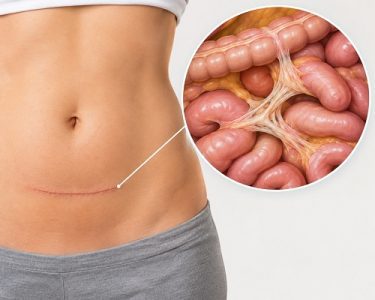
By Abdominal adhesions can make everyday digestion feel unpredictable. Some people have no symptoms at all, while others experience abdominal discomfort, bloating, constipation, or pain. Because adhesions are bands of scar-like tissue that can develop between abdominal organs or between organs and the abdominal wall, they may sometimes affect how the intestines move.
While there is no proven Natural Treatment for Abdominal Adhesions that can dissolve abdominal adhesions, healthy lifestyle and nutrition choices may help support digestive health and make meals more comfortable for some people. The right approach depends on your symptoms, medical history, and whether an adhesion is affecting intestinal movement. Natural Support for Abdominal Health, including food choices, hydration, meal habits, gentle movement, and when to seek medical care.
What Are Abdominal Adhesions?
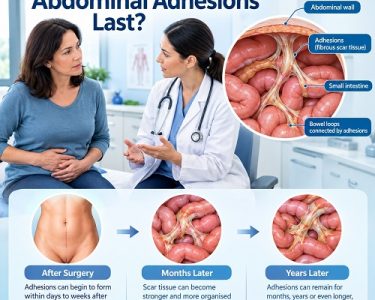
What Are Abdominal Adhesions? Abdominal adhesions are bands of fibrous or scar-like tissue that form inside the abdomen. They commonly develop after abdominal surgery, although inflammation, infection, endometriosis, radiation treatment, and certain other conditions can also contribute to their formation.
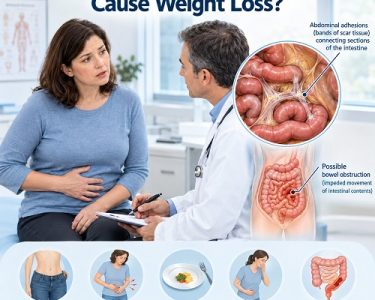
Many people with adhesions never experience symptoms. When symptoms do occur, chronic abdominal pain is commonly reported. In some cases, adhesions can pull, twist, kink, or compress the intestines and contribute to an intestinal obstruction.
This is why natural approaches should be viewed as supportive measures rather than treatments for the adhesions themselves.
If you have been diagnosed with adhesions, your goal may be to maintain comfortable digestion, support regular bowel movements, stay adequately nourished, and identify foods or habits that make your symptoms better or worse.
Can Natural Remedies Remove Abdominal Adhesions?
One of the most important points to understand is that food, herbal remedies, detox drinks, or supplements have not been established as ways to dissolve abdominal adhesions.
According to the National Institute of Diabetes and Digestive and Kidney Diseases (NIDDK), adhesions that cause significant symptoms or complications may be treated surgically. However, surgery itself can sometimes lead to new adhesions, so doctors consider the potential benefits and risks carefully.
Some complementary approaches may help with comfort or general well-being, but they should not replace medical evaluation.
For example, Cleveland Clinic notes that some research has investigated soft-tissue mobilization as a possible approach for adhesion-related pain, although more research is needed to understand its benefits.
Therefore, Natural Support for Abdominal Health should focus on supporting the digestive system rather than attempting to physically break down scar tissue.
1. Build a Personalized Abdominal Adhesions Diet
There is no single abdominal adhesions diet that works for everyone. Your ideal diet depends on your symptoms and whether you have normal intestinal movement or a partial obstruction.
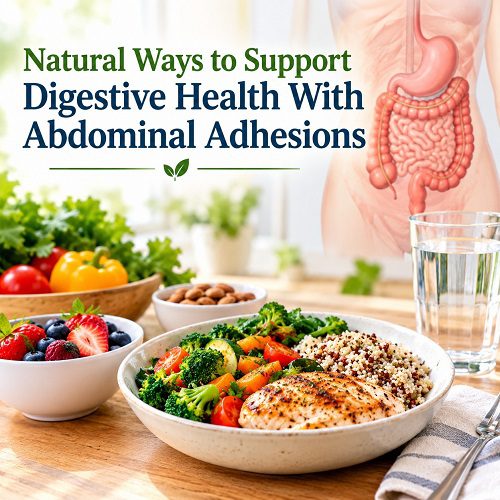
For someone without an obstruction, a balanced diet containing a variety of nutritious foods may support overall digestive health. This can include vegetables, fruits, whole grains, lean proteins, healthy fats, and adequate fluids.
However, some people with abdominal adhesions experience increased bloating or discomfort after particular foods. Keeping a food and symptom diary can help you recognize patterns.
Record:
- What you eat and drink
- Portion sizes
- When symptoms begin
- Abdominal pain or cramping
- Bloating or excessive gas
- Changes in bowel movements
- Any nausea or fullness
After several weeks, patterns may become easier to identify.
It is important not to eliminate large groups of foods unnecessarily. Restrictive diets can make it harder to obtain enough calories, protein, vitamins, and minerals.
2. Choose Smaller, More Frequent Meals
Large meals can sometimes feel uncomfortable when the digestive system is sensitive.
Instead of eating two or three very large meals, some people may find it easier to eat smaller portions throughout the day.
For example, you might structure your day around:
- A small breakfast
- A mid-morning snack if needed
- A moderate lunch
- An afternoon snack
- A smaller dinner
Eating slowly and chewing food thoroughly may also make meals easier to tolerate.
This strategy does not remove adhesions, but smaller meals can be a practical way to experiment with digestive comfort.
If eating causes significant pain, vomiting, increasing abdominal swelling, or difficulty passing stool or gas, do not simply continue changing your diet at home. These symptoms can indicate a bowel obstruction and require prompt medical assessment.
3. Pay Attention to Fiber
Fiber is an important part of a healthy diet, but it is not automatically appropriate to increase fiber when someone has symptoms that could indicate intestinal narrowing or obstruction.
For people with certain digestive conditions, increasing fiber can support regular bowel movements. NIDDK, for example, notes that fiber can help with constipation associated with some gastrointestinal conditions.
However, dietary recommendations can be very different when intestinal movement is impaired or an obstruction is present. For some conditions involving impaired intestinal movement, doctors may recommend lower-fiber or specially modified diets.
If you have abdominal adhesions and regularly experience constipation, bloating, cramping, or a sensation that food is not moving normally, ask your doctor or a registered dietitian about the appropriate amount and type of fiber.
Do not assume that “more fiber” is always better.
4. Stay Adequately Hydrated
Adequate fluid intake is an important part of maintaining normal digestive function.
Water helps support normal bowel function and can be particularly useful when constipation is a concern. However, individual fluid requirements vary depending on factors such as body size, activity level, climate, medications, and medical conditions.
Instead of suddenly drinking very large amounts of water, aim for consistent hydration throughout the day unless your healthcare professional has advised you to restrict fluids.
Water is generally a simple choice. Other drinks may also contribute to fluid intake, but highly sugary beverages may not be ideal as a regular choice.
If you have a medical condition affecting your kidneys, heart, or fluid balance, ask your healthcare professional about your individual fluid needs.
5. Eat Slowly and Chew Thoroughly
Digestive health begins before food reaches the stomach.
Eating quickly can make it easier to consume large portions and may contribute to feelings of fullness or discomfort. Taking time to chew thoroughly can also make meals easier to manage.
Try putting your fork down between bites, eating without rushing, and giving yourself enough time to finish a meal comfortably.
Mindful eating may also help you recognize the difference between normal fullness and the beginning of digestive discomfort.
6. Include Gentle Physical Activity
Movement is another component of Natural Support for Abdominal Health.
Regular physical activity supports general health and can help maintain normal bowel habits. Walking is a particularly accessible option for many people.
A short walk after meals may be more comfortable than intense exercise, particularly if abdominal discomfort is an issue.
However, people recovering from abdominal surgery should follow their surgeon’s specific activity restrictions. Exercise recommendations can vary depending on the type of operation and stage of recovery.
If movement causes significant abdominal pain, stop and discuss the symptoms with your healthcare professional.
It is also important to avoid aggressive abdominal manipulation or forceful stretching without professional guidance. Adhesions are internal bands of scar tissue, and attempting to “break them up” through forceful self-massage is not a proven treatment.
7. Consider a Food and Symptom Journal
A food diary can be one of the simplest ways to personalize an abdominal adhesions diet.
Instead of following a highly restrictive diet based on general advice from the internet, track your own responses.
You could create columns for:
| Time | Food/Drink | Portion | Symptoms | Bowel Movement |
| Breakfast | Oatmeal and banana | Moderate | None | — |
| Lunch | Rice, vegetables, chicken | Moderate | Mild bloating | Later |
| Dinner | — | — | — | — |
The purpose is not to diagnose the cause of symptoms. It is to provide useful information that you can discuss with your doctor or dietitian.
You may discover that certain foods, meal sizes, or eating patterns repeatedly coincide with symptoms.
8. Focus on Overall Nutrition
When digestive symptoms become frustrating, it can be tempting to eliminate many foods at once.
A better approach is usually to focus on adequate nutrition while identifying individual triggers.
Depending on your tolerance, nutritious choices may include:
- Cooked vegetables
- Soft fruits
- Oatmeal
- Rice
- Potatoes
- Eggs
- Fish
- Lean poultry
- Yogurt, if tolerated
- Soups
- Nut or seed products, if appropriate for your individual diet
The best choices depend on your symptoms.
Someone with no obstruction and good tolerance may be able to eat a broad, fiber-rich diet. Someone experiencing symptoms associated with partial obstruction may receive very different dietary instructions from a healthcare professional.
This is one reason individualized guidance is important.
9. Be Careful With Supplements and Herbal Remedies
Natural does not automatically mean safe.
People searching for Natural Support for Abdominal Health may encounter claims that certain herbs, enzymes, teas, or supplements can dissolve scar tissue or eliminate adhesions.
These claims should be approached cautiously.
NIDDK specifically advises people with intestinal conditions to talk with a healthcare professional before using dietary supplements or complementary or alternative practices.
Supplements can also interact with medications or cause gastrointestinal side effects.
Before taking a new supplement, discuss:
- The exact product
- The ingredients
- The dose
- Your medications
- Your medical conditions
- Whether there is evidence supporting its use
Avoid replacing prescribed treatment with an unproven “adhesion cleanse” or detox program.
10. Manage Stress and Prioritize Rest
Stress does not cause abdominal adhesions to disappear or develop into scar tissue, but stress can influence how people perceive and respond to digestive symptoms.
A consistent sleep schedule, relaxation exercises, meditation, breathing exercises, enjoyable hobbies, and appropriate physical activity can support general well-being.
If Abdominal Adhesions symptoms are causing ongoing anxiety, discussing them with your healthcare professional can be useful. Persistent symptoms deserve evaluation rather than being automatically attributed to stress.
11. Know When Diet Is Not Enough
Dietary changes are not a substitute for medical care when an Abdominal Adhesions causes an intestinal obstruction.
Abdominal adhesions are one of the major causes of small-bowel obstruction. Symptoms may include abdominal pain, bloating, constipation, nausea, vomiting, and inability to pass gas.
A complete obstruction can become life-threatening.
Seek urgent medical attention if you develop symptoms such as:
- Severe or worsening abdominal pain
- Persistent vomiting
- Significant abdominal swelling
- Inability to pass gas or stool
- Fever accompanied by abdominal symptoms
- Rapid heartbeat or feeling seriously unwell
NIDDK advises immediate medical attention for symptoms suggesting a complete intestinal blockage, particularly abdominal pain combined with inability to pass fluids, stool, or gas.
Do not attempt to treat these symptoms with additional fiber, laxatives, herbal products, or home remedies unless a healthcare professional has specifically instructed you to do so.
12. Work With Your Healthcare Team
If abdominal adhesions are affecting your quality of life, consider discussing your symptoms with a gastroenterologist, surgeon, primary-care clinician, or registered dietitian.
A healthcare professional can help determine whether symptoms are actually caused by adhesions or another digestive condition.
This matters because abdominal pain, bloating, constipation, nausea, and changes in bowel habits can have many possible causes.
Doctors may use your medical history, physical examination, blood tests, and imaging when appropriate. Imaging does not always directly show adhesions, but it can help identify complications such as intestinal obstruction and rule out other causes of symptoms.
A Simple Daily Approach to Natural Digestive Support
For people whose healthcare professional has confirmed that there is no current bowel obstruction, a simple routine may look like this:
Morning: Start with a balanced breakfast and adequate fluids.
During meals: Eat slowly, chew thoroughly, and choose portions that feel comfortable.
Throughout the day: Stay appropriately hydrated and avoid skipping meals if doing so makes you overeat later.
Movement: Include gentle walking or another activity approved for your health and recovery status.
Evening: Record any symptoms or food triggers in a simple journal.
Weekly: Review your notes and discuss persistent or concerning patterns with your healthcare professional.
The goal is not to create a perfect diet. It is to develop eating and lifestyle habits that provide adequate nutrition while minimizing avoidable digestive discomfort.
Final Thoughts
Living with abdominal adhesions can require a thoughtful approach to digestive health. Although there is currently no proven food, supplement, or natural remedy that can dissolve abdominal adhesions, healthy habits may help support overall digestive function and quality of life.
A personalized abdominal adhesions diet may include appropriately sized meals, adequate hydration, foods that you tolerate well, and careful attention to fiber. Gentle physical activity and mindful eating may also be useful parts of a broader wellness routine.
Most importantly, dietary changes should be individualized. If you have symptoms that suggest an intestinal obstruction—especially severe abdominal pain, persistent vomiting, abdominal swelling, or inability to pass stool or gas—seek medical attention rather than trying to manage the problem at home.
Natural Support for Abdominal Health is best understood as supportive care: nourishing your body, maintaining healthy habits, monitoring symptoms, and working with qualified healthcare professionals when problems arise.