 By
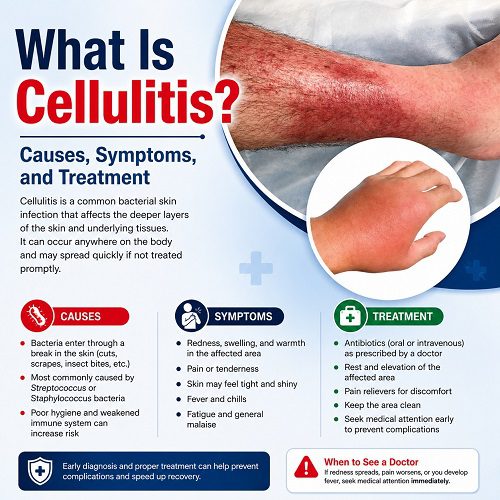
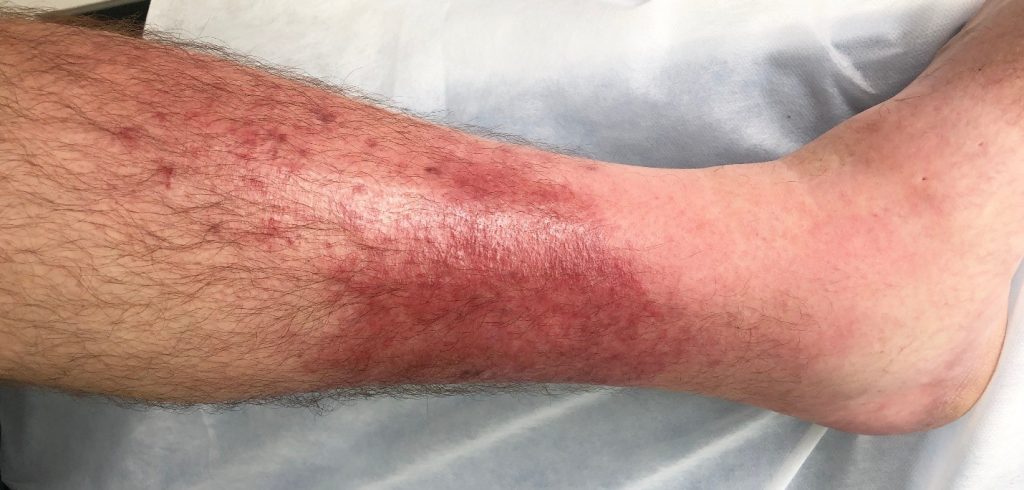
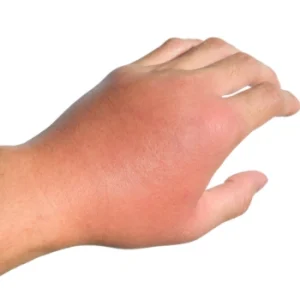
By Cellulitis is a common bacterial skin infection that can develop quickly and become serious if left untreated. It typically affects the deeper layers of the skin and the tissues beneath it, causing redness, swelling, warmth, tenderness, and pain. Although cellulitis can occur anywhere on the body, it most often develops on the lower legs, feet, arms, or face.
Understanding What Is Cellulitis is essential because early recognition and prompt treatment help prevent complications. Many people mistake cellulitis for a simple skin rash or irritation, allowing the infection to worsen before seeking medical care.
This article explains everything you need to know about cellulitis, including its causes, symptoms, diagnosis, treatment options, preventive measures, Natural Treatment for Cellulitis Without Antibiotics, and the Best Supplements for Cellulitis Recovery that may support the body’s healing process alongside medical care.
What Is Cellulitis?
The focus keyword What Is Cellulitis refers to a bacterial infection that affects the deeper layers of the skin (dermis) and the underlying soft tissues. The infection usually begins when bacteria enter the body through a break in the skin, such as a cut, scrape, insect bite, burn, surgical wound, cracked skin, or ulcer.
The two bacteria most commonly responsible for cellulitis are:
- Streptococcus (Group A Streptococcus)
- Staphylococcus aureus, including MRSA (Methicillin-resistant Staphylococcus aureus)
Once inside the skin, these bacteria multiply rapidly and trigger inflammation. The affected area becomes red, swollen, warm, and painful. Without prompt medical treatment, the infection may spread into the bloodstream or lymphatic system, potentially leading to life-threatening complications.
Unlike cellulitis, which affects deeper skin layers, conditions such as eczema, dermatitis, or allergic rashes usually involve only the skin’s surface and are not caused by bacterial infection.
How Common Is Cellulitis?
Cellulitis is one of the most common bacterial skin infections worldwide. Millions of people develop cellulitis every year, particularly adults over the age of 40. However, cellulitis can occur at any age, including in children.
Healthcare providers frequently diagnose cellulitis in emergency departments and primary care clinics because it often requires prompt treatment with antibiotics.
People with chronic illnesses, weakened immune systems, diabetes, obesity, poor circulation, or lymphoedema have a higher risk of recurrent cellulitis.
What Causes Cellulitis?
Understanding the causes is an important part of learning What Is Cellulitis.
Cellulitis occurs when bacteria penetrate the skin’s natural protective barrier. Healthy skin normally prevents bacteria from entering the body, but even a small break can allow infection to develop.
Common causes include:
Cuts and Scratches
Small cuts from knives, paper, gardening, or household activities create openings that bacteria can enter.
Insect Bites
Mosquitoes, spiders, fleas, and other insect bites can become infected after scratching.
Animal Bites
Dog bites and cat scratches frequently introduce bacteria beneath the skin.
Surgical Wounds
Recent surgery increases the risk of cellulitis until the incision heals completely.
Skin Conditions
Conditions that damage the skin barrier increase infection risk, including:
- Eczema
- Athlete’s foot
- Psoriasis
- Contact dermatitis
- Chronic dry skin
Burns
Thermal burns, chemical burns, and sunburns damage the skin and allow bacteria to enter.
Diabetic Foot Ulcers
People with diabetes often develop foot ulcers that provide an entry point for bacteria.
Intravenous Drug Use
Injecting drugs with contaminated needles significantly increases cellulitis risk.
How Does Cellulitis Develop?
The development of cellulitis follows several stages:
Stage 1: Skin Damage
A small injury creates an opening in the skin.
Stage 2: Bacterial Entry
Bacteria enter the deeper layers of the skin.
Stage 3: Infection
The bacteria multiply rapidly.
Stage 4: Inflammation
The immune system responds by increasing blood flow to the infected area.
Stage 5: Swelling
Fluid accumulates around the infection, producing redness, warmth, and tenderness.
Without treatment, bacteria may spread into nearby tissues or throughout the body.
Who Is at Risk of Developing Cellulitis?
Although anyone can develop cellulitis, certain groups are more vulnerable.
People with Diabetes
Diabetes slows wound healing and reduces the body’s ability to fight infections.
Older Adults
Ageing naturally weakens immune function and slows skin repair.
Individuals with Obesity
Obesity increases skin folds, moisture, and poor circulation, making infections more likely.
People with Poor Blood Circulation
Reduced blood flow limits oxygen and immune cell delivery to injured tissues.
Individuals with Lymphoedema
Lymphoedema causes chronic swelling, increasing susceptibility to bacterial infections.
People with Weakened Immune Systems
Higher-risk groups include individuals with:
- Cancer
- HIV/AIDS
- Organ transplants
- Autoimmune diseases
- Long-term corticosteroid use
Common Risk Factors for Cellulitis
Several everyday factors increase the likelihood of developing cellulitis.
Poor Hygiene
Failure to clean wounds properly increases bacterial growth.
Walking Barefoot
Walking without shoes increases the chance of cuts and puncture wounds.
Chronic Skin Conditions
Persistent itching often leads to scratching, breaking the skin.
Fungal Infections
Athlete’s foot commonly causes skin cracks between the toes that allow bacteria to enter.
Previous Episodes of Cellulitis
Once someone has had cellulitis, the chance of recurrence increases because lymphatic drainage may become damaged.
Smoking
Smoking impairs circulation and delays healing.
Excessive Alcohol Use
Heavy alcohol consumption weakens immune function over time.
Types of Cellulitis
Although most people simply refer to “cellulitis,” doctors classify the infection according to its location.
Leg Cellulitis
The most common type, usually affecting the lower leg or foot.
Facial Cellulitis
Occurs around the eyes, cheeks, or jaw and requires immediate medical attention.
Arm Cellulitis
Often develops after cuts, insect bites, or intravenous injections.
Periorbital Cellulitis
Affects the tissues surrounding the eye and requires urgent medical evaluation.
Orbital Cellulitis
A severe infection affecting tissues behind the eye that can threaten vision and become life-threatening.
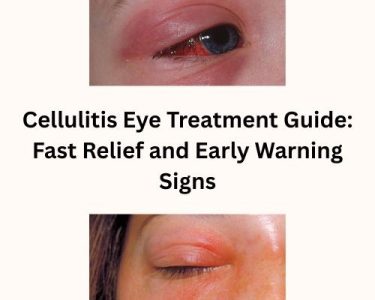
Related Articles: Cellulitis Eye Treatment Guide: Fast Relief and Early Warning Signs
Early Warning Signs of Cellulitis
Recognising early symptoms allows treatment to begin before complications develop.
Watch for:
- Redness that gradually spreads
- Swelling
- Warm skin
- Tenderness
- Pain
- Tight or shiny skin
- Mild fever
- Fatigue
- Chills
- Enlarged nearby lymph nodes
Many people initially believe these symptoms result from a minor skin irritation. However, cellulitis typically worsens rapidly over 24–48 hours if left untreated.
Prompt medical assessment is essential because antibiotics remain the standard treatment for bacterial cellulitis. Supportive measures, including good wound care, adequate hydration, and healthy nutrition, may aid recovery, but they should not replace professional medical care for an active bacterial infection.
Symptoms of Cellulitis
Recognising the symptoms early is essential when learning What Is Cellulitis. The infection often begins with mild skin irritation but can spread rapidly within hours or days if left untreated. Symptoms may vary depending on the severity of the infection and the person’s overall health.
Common Symptoms
Most people with cellulitis experience one or more of the following:
- Redness that gradually spreads
- Swelling of the affected area
- Warm skin that feels hot to the touch
- Pain or tenderness
- Tight or shiny skin
- Skin that appears stretched
- Mild fever
- Chills
- Fatigue
- Swollen lymph nodes near the infected area
Unlike a simple rash, cellulitis usually affects one side of the body and continues to spread if not treated promptly.
Advanced Symptoms
As the infection becomes more severe, additional symptoms may develop, including:
- Blisters or fluid-filled sores
- Pus drainage
- Skin discoloration
- Severe swelling
- Increasing pain
- High fever
- Rapid heartbeat
- Confusion, especially in older adults
- Difficulty moving the affected limb
These symptoms require immediate medical attention because they may indicate that the infection is spreading beyond the skin.
Stages of Cellulitis
Cellulitis generally progresses through several stages if treatment is delayed.
Stage 1: Early Infection
During the first stage, symptoms are usually mild and include:
- Localised redness
- Mild warmth
- Slight swelling
- Tenderness
Many people mistake this stage for an insect bite or minor skin irritation.
Stage 2: Progressive Infection
Without treatment, the bacteria continue multiplying, causing:
- Expanding redness
- Increased swelling
- Moderate pain
- Fever
- Fatigue
At this stage, medical evaluation is strongly recommended.
Stage 3: Severe Infection
The infection may spread deeper into surrounding tissues, resulting in:
- Large areas of inflamed skin
- Severe pain
- Blistering
- Pus formation
- Significant swelling
- Difficulty walking or using the affected limb
Hospital treatment may be required.
Stage 4: Systemic Infection
If bacteria enter the bloodstream, serious complications can occur, including:
- Sepsis
- Septic shock
- Organ damage
- Life-threatening illness
This is considered a medical emergency.
How Is Cellulitis Diagnosed?
Doctors usually diagnose cellulitis through a combination of physical examination and medical history. In many cases, laboratory tests are not required because the symptoms are distinctive.
Physical Examination
During the examination, the healthcare provider will assess:
- The size of the affected area
- Skin colour and texture
- Swelling
- Warmth
- Tenderness
- Presence of wounds or ulcers
- Enlarged lymph nodes
The doctor may mark the edges of the redness with a pen to monitor whether the infection is spreading.
Medical History
Your healthcare provider may ask about:
- Recent cuts or injuries
- Insect or animal bites
- Recent surgery
- Existing skin conditions
- Diabetes
- Previous episodes of cellulitis
- Current medications
- Immune system disorders
Providing accurate information helps guide treatment decisions.
Diagnostic Tests
Although many cases do not require extensive testing, additional investigations may be recommended when the diagnosis is uncertain or complications are suspected.
Blood Tests
Blood tests may help identify:
- Elevated white blood cell count
- Signs of systemic infection
- Markers of inflammation
Blood cultures may be performed if sepsis is suspected.
Wound Culture
If pus or drainage is present, a sample may be collected to identify the specific bacteria causing the infection and determine which antibiotics are most effective.
Ultrasound
An ultrasound can help distinguish cellulitis from an abscess, which may require drainage in addition to antibiotics.
MRI or CT Scan
Advanced imaging may be used if deeper infections, bone involvement, or extensive tissue damage is suspected.
Medical Treatment for Cellulitis
Once diagnosed, cellulitis should be treated promptly to prevent the infection from spreading.
Oral Antibiotics
For mild to moderate cellulitis, doctors commonly prescribe oral antibiotics. The specific medication depends on the suspected bacteria, the patient’s medical history, and local antibiotic resistance patterns.
It is important to:
- Take every dose exactly as prescribed.
- Complete the full course, even if symptoms improve.
- Avoid stopping treatment early unless advised by a healthcare professional.
Most uncomplicated cases begin improving within 24 to 72 hours after starting antibiotics.
Intravenous (IV) Antibiotics
Hospital treatment with intravenous antibiotics may be necessary if:
- The infection is severe.
- Symptoms worsen rapidly.
- The patient has a weakened immune system.
- Oral antibiotics are ineffective.
- There are signs of bloodstream infection.
IV antibiotics allow higher concentrations of medication to reach the infected tissues quickly.
Pain Relief
Over-the-counter pain relievers may help reduce discomfort and fever, as recommended by a healthcare provider.
Wound Care
Proper wound care supports healing and reduces the risk of further infection.
Recommendations include:
- Cleaning wounds gently.
- Applying appropriate dressings.
- Keeping the area dry and protected.
- Avoiding scratching.
Elevating the Affected Limb
If cellulitis affects an arm or leg, elevating the limb above heart level can help reduce swelling and improve circulation.
Rest and Hydration
Adequate rest allows the immune system to focus on fighting infection, while staying well hydrated supports overall recovery.
Monitoring Recovery
During treatment, patients should monitor the infected area daily.
Signs that recovery is progressing include:
- Reduced redness
- Less swelling
- Improved pain
- Lower fever
- Increased mobility
- Improved energy levels
If symptoms worsen or fail to improve after two to three days of treatment, prompt reassessment by a healthcare provider is essential.
Possible Complications of Cellulitis
Although many people recover completely with timely treatment, untreated cellulitis can lead to serious complications.
Abscess Formation
A pocket of pus may develop beneath the skin, requiring surgical drainage.
Recurrent Cellulitis
Repeated infections are more common in people with diabetes, lymphoedema, chronic swelling, or poor circulation.
Lymphoedema
Damage to the lymphatic system can lead to long-term swelling, increasing the risk of future infections.
Bloodstream Infection (Bacteraemia)
If bacteria enter the bloodstream, the infection can spread throughout the body and become life-threatening.
Sepsis
Sepsis is one of the most serious complications of cellulitis. It occurs when the body’s response to infection causes widespread inflammation and organ dysfunction.
Symptoms of sepsis include:
- High or very low body temperature
- Rapid heartbeat
- Rapid breathing
- Extreme weakness
- Confusion
- Low blood pressure
Sepsis requires immediate emergency medical treatment.
Bone Infection (Osteomyelitis)
In rare cases, untreated cellulitis can spread into nearby bones, leading to osteomyelitis. This condition often requires prolonged antibiotic therapy and, occasionally, surgery.
Tissue Damage
Severe infections may damage the skin, muscles, or surrounding tissues, increasing recovery time and, in rare cases, requiring surgical intervention.
When Should You Seek Emergency Medical Care?
While mild cellulitis can often be managed with prompt outpatient treatment, certain symptoms require urgent medical attention.
Seek immediate medical care if you experience:
- Rapidly spreading redness
- Severe pain
- High fever or persistent chills
- Difficulty breathing
- Confusion or altered mental status
- Red streaks extending from the infected area
- Significant swelling around the eyes or face
- Loss of sensation
- Blackened or blistering skin
- Symptoms that continue to worsen despite treatment
Prompt evaluation can prevent serious complications and improve recovery outcomes.
Natural Treatment for Cellulitis Without Antibiotics
Many people search for Natural Treatment for Cellulitis Without Antibiotics because they want to support healing naturally or reduce their risk of future infections. However, it is important to understand that active bacterial cellulitis usually requires prompt medical treatment with antibiotics. Natural approaches may help support recovery, reduce inflammation, and promote skin health, but they should not replace prescribed antibiotics for an active infection.
Once your healthcare provider has evaluated your condition and started appropriate treatment, the following supportive measures may aid the healing process.
1. Keep the Affected Area Clean
Good hygiene helps reduce the risk of additional bacterial contamination.
- Wash the area gently with mild soap and clean water.
- Pat the skin dry with a clean towel.
- Change dressings as instructed by your healthcare provider.
- Avoid using harsh chemicals or irritating products on broken skin.
2. Elevate the Affected Limb
If cellulitis affects your leg or arm, keeping the limb elevated above heart level can help:
- Reduce swelling
- Improve blood circulation
- Decrease discomfort
- Support the body’s natural healing response
Try elevating the limb several times a day for 20–30 minutes, or as advised by your healthcare provider.
3. Stay Well Hydrated
Proper hydration supports overall health and recovery by helping maintain healthy circulation and normal immune function.
Aim to drink plenty of water throughout the day unless your healthcare provider has recommended fluid restrictions.
4. Eat a Nutrient-Rich Diet
A balanced diet provides the vitamins, minerals, and protein needed for tissue repair.
Focus on foods such as:
- Fresh vegetables
- Fruits
- Whole grains
- Lean protein
- Fish
- Eggs
- Beans
- Nuts and seeds
Limiting highly processed foods and excess sugar may also support overall health during recovery.
5. Get Enough Rest
Your immune system works most effectively when your body has adequate time to recover.
Try to:
- Sleep 7–9 hours each night.
- Avoid strenuous activities if the affected area is painful.
- Gradually return to normal activities as symptoms improve.
Home Care Tips During Recovery
In addition to medical treatment, proper home care can improve comfort and support healing.
Apply Cool Compresses
A cool, damp cloth may help relieve discomfort and reduce warmth in the affected area.
Avoid applying ice directly to the skin.
Wear Loose Clothing
Loose-fitting clothing reduces friction and pressure on the affected skin.
Protect the Skin
Avoid scratching, rubbing, or picking at the infected area, as this can delay healing and increase the risk of further infection.
Monitor Your Symptoms
Check the affected area daily for:
- Increasing redness
- New swelling
- Drainage
- Fever
- Expanding borders of the infection
Contact your healthcare provider promptly if symptoms worsen or do not begin improving within the expected timeframe.
Best Supplements for Cellulitis Recovery
Many people also search for the Best Supplements for Cellulitis Recovery. While no supplement has been proven to cure cellulitis, some nutrients play important roles in immune function, wound healing, and skin health. Supplements should only be used after discussing them with a qualified healthcare professional, especially if you have underlying medical conditions or take prescription medications.
Vitamin C
Vitamin C contributes to:
- Normal collagen formation
- Healthy skin
- Immune system function
- Protection of cells from oxidative stress
Foods rich in vitamin C include oranges, strawberries, kiwi, bell peppers, and broccoli.
Zinc
Zinc supports:
- Normal wound healing
- Immune function
- Healthy skin repair
Dietary sources include:
- Meat
- Seafood
- Pumpkin seeds
- Chickpeas
- Lentils
Vitamin D
Vitamin D helps maintain normal immune system function.
People with low vitamin D levels may benefit from supplementation under medical guidance.
Natural sources include:
- Sunlight exposure
- Fatty fish
- Fortified dairy products
- Egg yolks
Protein Supplements
Protein provides the building blocks needed for tissue repair and recovery, particularly if dietary intake is inadequate.
Good protein sources include:
- Chicken
- Fish
- Eggs
- Greek yoghurt
- Beans
- Tofu
Omega-3 Fatty Acids
Omega-3 fats support overall health and play a role in normal inflammatory responses.
Sources include:
- Salmon
- Sardines
- Mackerel
- Walnuts
- Chia seeds
- Flaxseeds
These supplements may support general recovery but should not be considered substitutes for evidence-based medical treatment of bacterial cellulitis.
Lifestyle Habits That Support Recovery
Simple lifestyle habits can help strengthen your body’s natural healing processes.
Maintain Good Blood Sugar Control
For people with diabetes, keeping blood glucose within the target range supports wound healing and reduces the risk of recurrent infections.
Avoid Smoking
Smoking reduces blood flow and delays tissue repair. Quitting smoking can improve overall healing and skin health.
Limit Alcohol Consumption
Excessive alcohol intake can weaken immune function and slow recovery.
Maintain a Healthy Weight
Achieving and maintaining a healthy weight may reduce pressure on the legs, improve circulation, and lower the risk of recurrent cellulitis.
How to Prevent Cellulitis
Prevention is one of the best ways to reduce the likelihood of developing cellulitis or experiencing repeat infections.
Practice Good Skin Care
Healthy skin serves as your body’s first line of defence.
- Moisturise dry skin regularly.
- Treat cracked skin promptly.
- Protect your skin from injuries whenever possible.
Clean Cuts and Scrapes Immediately
Even small wounds should be cleaned with mild soap and water and covered with a clean dressing until healed.
Wear Protective Footwear
Always wear shoes outdoors to reduce the risk of cuts, puncture wounds, and insect bites.
Treat Athlete’s Foot Promptly
Fungal infections can create cracks in the skin that allow bacteria to enter.
Managing athlete’s foot early may reduce the risk of cellulitis.
Control Chronic Health Conditions
Proper management of conditions such as:
- Diabetes
- Lymphoedema
- Venous insufficiency
- Obesity
can significantly reduce the risk of recurrent cellulitis.
Avoid Skin Injuries
When gardening, exercising, or working with tools:
- Wear gloves.
- Use protective clothing.
- Clean any injuries immediately.
Keep Skin Moisturised
Dry, cracked skin provides an easy entry point for bacteria. Applying fragrance-free moisturisers daily can help maintain the skin barrier.
When to Contact Your Healthcare Provider
Even during recovery, contact your healthcare provider if you notice:
- Redness spreading beyond the original area
- Increasing pain or swelling
- Persistent fever
- New drainage or pus
- Blistering skin
- Symptoms returning after treatment
- No improvement after several days of appropriate medical care
Early reassessment can help prevent complications and ensure that treatment remains effective.
Frequently Asked Questions (FAQs)
1. What Is Cellulitis?
What Is Cellulitis? Cellulitis is a common bacterial skin infection that affects the deeper layers of the skin and the underlying soft tissues. It usually develops when bacteria enter through a cut, scrape, insect bite, or other break in the skin. Early diagnosis and prompt treatment are important to prevent complications.
2. Is Cellulitis Contagious?
No. Cellulitis itself is not contagious and cannot be spread through casual contact with another person. However, the bacteria that cause cellulitis can spread through direct contact with infected wounds or contaminated surfaces, especially if someone has broken skin.
3. Can Cellulitis Heal Without Antibiotics?
In most cases, active bacterial cellulitis requires antibiotic treatment. While many people search for Natural Treatment for Cellulitis Without Antibiotics, there is no strong scientific evidence that natural remedies alone can eliminate an active bacterial infection. Supportive measures such as good wound care, proper hydration, balanced nutrition, and adequate rest may aid recovery, but they should complement—not replace—medical treatment.
Related Articles: 12 Natural Remedies for Cellulitis
4. How Long Does Cellulitis Take to Heal?
Most mild cases begin improving within 24 to 72 hours after starting appropriate antibiotic treatment. Complete recovery usually takes one to two weeks, although more severe infections may require a longer healing period.
5. Who Is Most at Risk for Cellulitis?
People with the following conditions have a higher risk of developing cellulitis:
- Diabetes
- Lymphoedema
- Poor circulation
- Obesity
- Chronic skin conditions
- A weakened immune system
- Previous episodes of cellulitis
Taking good care of the skin and treating minor injuries promptly can help reduce the risk.
6. What Are the Best Supplements for Cellulitis Recovery?
There is no supplement that cures cellulitis. However, several nutrients support normal immune function and skin repair. The Best Supplements for Cellulitis Recovery may include:
- Vitamin C
- Zinc
- Vitamin D (if deficient)
- Protein (through diet or supplements if needed)
- Omega-3 fatty acids
These supplements should be viewed as supportive measures and not as replacements for prescribed medical treatment.
7. How Can I Prevent Cellulitis from Returning?
To reduce the risk of recurrent cellulitis:
- Keep your skin clean and moisturised.
- Treat cuts and scrapes immediately.
- Wear protective footwear outdoors.
- Manage diabetes and other chronic health conditions.
- Treat fungal infections such as athlete’s foot promptly.
- Maintain a healthy weight and avoid smoking.
Following these preventive steps can significantly lower your risk of future infections.
Conclusion
Understanding What Is Cellulitis is the first step toward recognising the condition early and seeking timely medical care. Cellulitis is a bacterial infection that can progress rapidly if left untreated, but with prompt diagnosis and appropriate treatment, most people recover fully.
Although many people are interested in Natural Treatment for Cellulitis Without Antibiotics, it is important to remember that antibiotics remain the standard treatment for active bacterial cellulitis. Natural approaches, healthy lifestyle habits, and proper wound care can support recovery and overall skin health, but they should complement professional medical advice rather than replace it.
Eating a balanced diet, staying hydrated, getting enough rest, and considering the Best Supplements for Cellulitis Recovery—such as vitamin C, zinc, vitamin D (if appropriate), and adequate protein—may help support normal healing and immune function during recovery.
If you notice rapidly spreading redness, swelling, fever, or increasing pain, seek medical attention without delay. Early treatment offers the best chance of a smooth recovery and helps reduce the risk of serious complications or recurrence.
By understanding the causes, symptoms, treatment options, and preventive measures, you can take practical steps to protect your skin and maintain better long-term health.