 By
By A low-fat, low-fiber diet is a specialized eating plan designed to reduce the workload on your digestive system. It is commonly recommended for people recovering from gastrointestinal surgery, experiencing digestive disorders, or managing specific medical conditions such as inflammatory bowel disease (IBD), gastroparesis, pancreatitis, or after certain cancer treatments.
Unlike popular long-term wellness diets that emphasize high fiber and healthy fats, this approach is usually temporary and therapeutic. Its purpose is to minimize digestive irritation, reduce stool bulk, ease symptoms like diarrhea or abdominal pain, and allow the gut to heal.
This comprehensive guide explains what a low-fat, low-fiber diet is, who may need it, what to eat and avoid, sample meal ideas, and important precautions.
What Is a Low-Fat, Low-Fiber Diet?
A low-fat, low-fiber diet restricts:
- Fat (especially fried and greasy foods)
- Dietary fiber (both soluble and insoluble)
- Often other hard-to-digest components such as seeds, skins, and whole grains
The goal is to:
- Reduce digestive strain
- Slow or regulate bowel movements
- Minimize gas and bloating
- Reduce inflammation in the gastrointestinal tract
Fiber adds bulk to stool and stimulates bowel movement. While this is beneficial for most healthy individuals, it can worsen symptoms in certain digestive conditions. Fat, on the other hand, slows gastric emptying and can trigger cramping, diarrhea, or nausea in sensitive individuals.
Who May Benefit From This Diet?
A low-fat, low-fiber diet is often recommended for people with:
1. Inflammatory Bowel Disease (IBD)
Individuals with conditions like Crohn’s disease or Ulcerative colitis may benefit during flare-ups. High-fiber foods can irritate inflamed intestines.
2. Diverticulitis
During acute episodes, fiber restriction may reduce irritation and pain.
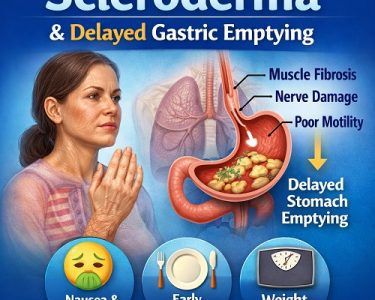
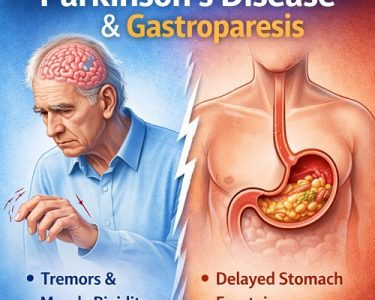
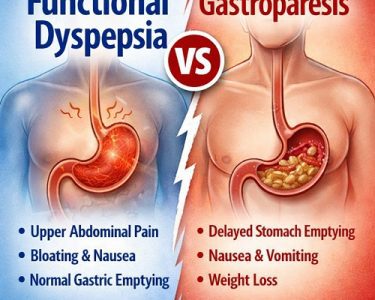
3. Gastroparesis
Delayed stomach emptying makes fatty and fibrous foods difficult to digest.
4. Pancreatitis
Fat intake stimulates pancreatic enzyme release, which can worsen symptoms.
5. After Gastrointestinal Surgery
Temporary low-residue diets help the bowel rest and heal.
6. Cancer Treatment Recovery
Patients undergoing radiation or chemotherapy affecting the abdomen may need reduced digestive strain.
This diet should only be followed under medical supervision, especially long-term.
Understanding Fiber: Why Restrict It?
Fiber is divided into:
- Soluble fiber (dissolves in water; found in oats, beans, fruit)
- Insoluble fiber (adds bulk; found in whole grains, vegetables, skins)
In a low-fiber diet, total fiber intake is usually limited to about 10–15 grams per day (or less, depending on medical advice).
High-fiber foods increase stool bulk and movement, which may:
- Trigger cramping
- Increase diarrhea
- Cause obstruction in narrowed intestines
Reducing fiber creates a “low-residue” effect, meaning less undigested material remains in the colon.
Understanding Fat: Why Limit It?
Fat:
- Slows stomach emptying
- Stimulates bile and pancreatic secretions
- Can worsen nausea and diarrhea
A low-fat diet typically limits fat to about 20–30% of total daily calories or even less in specific conditions like pancreatitis.
Types of fat to reduce:
- Fried foods
- Cream sauces
- Butter and lard
- High-fat dairy
- Fatty cuts of meat
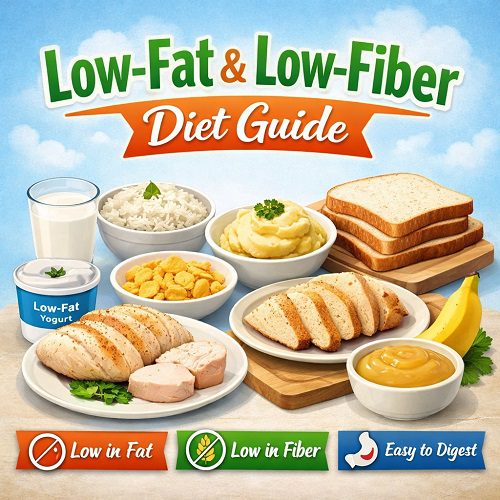
Foods to Eat on a Low-Fat, Low-Fiber Diet
Grains (Refined & Low Fiber)
- White bread (no seeds)
- White rice
- Plain pasta
- Cream of wheat
- Refined cereals (low fiber)
Avoid whole grains, bran, and seeded products.
Protein Sources (Lean & Low Fat)
- Skinless chicken
- Turkey breast
- Lean fish
- Egg whites
- Tofu (soft, plain)
- Lean ground beef (small amounts)
Cooking methods:
- Baking
- Steaming
- Boiling
- Grilling without added fat
Avoid fried or heavily seasoned meats.
Dairy (Low Fat Only)
- Skim milk (if tolerated)
- Low-fat yogurt (no fruit pieces)
- Cottage cheese (low-fat)
- Reduced-fat cheese (small portions)
Avoid:
- Whole milk
- Ice cream
- Cream-based sauces
Vegetables (Cooked & Peeled)
- Carrots (well-cooked)
- Green beans (soft)
- Zucchini (peeled)
- Potatoes (without skin)
Avoid:
- Raw vegetables
- Corn
- Broccoli
- Cauliflower
- Legumes
Fruits (Soft & Peeled)
- Bananas
- Canned peaches (in juice)
- Applesauce
- Melon
Avoid:
- Raw apples (with skin)
- Berries
- Dried fruit
- Fruit with seeds
Fats (Minimal Amounts)
- Small amounts of olive oil
- Light margarine (very limited)
Foods to Avoid
High-fiber foods:
- Whole grain bread
- Brown rice
- Oatmeal with bran
- Lentils
- Beans
- Nuts
- Seeds
High-fat foods:
- Fried foods
- Bacon
- Sausage
- Fast food
- Cream soups
- Pastries
- Chocolate
Other irritants:
- Spicy foods
- Alcohol
- Caffeine (if sensitive)
- Carbonated beverages
Sample 1-Day Meal Plan
Breakfast
- Cream of wheat made with skim milk
- Scrambled egg whites
- White toast (light spread of jam)
- Herbal tea
Snack
- Banana
Lunch
- Grilled skinless chicken breast
- White rice
- Cooked carrots
- Applesauce
Snack
- Low-fat yogurt (plain)
Dinner
- Baked white fish
- Mashed potatoes (no skin, minimal butter)
- Steamed zucchini
- White dinner roll
Evening Snack (if needed)
- Plain crackers
Cooking Tips for Success
- Cook thoroughly – Soft foods are easier to digest.
- Remove skins and seeds – They add insoluble fiber.
- Choose moist cooking methods – Avoid frying.
- Eat small, frequent meals – Large meals strain digestion.
- Chew thoroughly – Reduces digestive workload.
Nutritional Concerns & Long-Term Considerations
Because fiber and healthy fats are essential nutrients, long-term restriction may lead to:
- Constipation (ironically, if fiber is too low for too long)
- Nutrient deficiencies
- Low intake of essential fatty acids
- Reduced gut microbiome diversity
Therefore:
- Follow this diet only as long as medically necessary.
- Work with a dietitian for personalized guidance.
- Gradually reintroduce fiber when symptoms improve.
Reintroducing Fiber & Fat
Once your healthcare provider approves, gradually:
- Add soft soluble fiber first (e.g., oatmeal).
- Introduce small amounts of healthy fats (e.g., avocado).
- Monitor symptoms.
- Increase slowly over weeks.
A sudden increase can trigger discomfort.
Frequently Asked Questions
Is this diet good for weight loss?
Not necessarily. It is therapeutic, not a weight-loss plan. Some people may lose weight unintentionally.
Can I follow it long-term?
It is not ideal for long-term health unless medically required.
Is it the same as a low-residue diet?
Very similar. A low-residue diet specifically aims to reduce stool volume.
Can vegetarians follow this diet?
Yes, but protein sources may be limited. Soft tofu, refined grains, and low-fat dairy may help meet needs.
When to Seek Medical Advice
Contact your healthcare provider if you experience:
- Severe abdominal pain
- Persistent vomiting
- Blood in stool
- Unintentional weight loss
- Signs of malnutrition
Digestive symptoms can indicate serious underlying conditions that require medical care.
Final Thoughts
A low-fat, low-fiber diet is a short-term therapeutic strategy designed to reduce digestive strain and promote healing. While fiber and healthy fats are essential components of a balanced diet for most people, temporarily reducing them can be beneficial in specific medical circumstances.
The key principles include:
- Choosing refined grains over whole grains
- Selecting lean, low-fat proteins
- Cooking vegetables thoroughly
- Avoiding seeds, skins, and fried foods
- Eating smaller, more frequent meals
Because nutritional needs vary widely depending on your condition, always follow medical guidance when implementing this diet. With careful planning, you can meet your nutritional needs while allowing your digestive system the rest it requires.
If you are considering this diet for medical reasons, consult a registered dietitian or healthcare provider to ensure it is appropriate for your specific situation.