 By
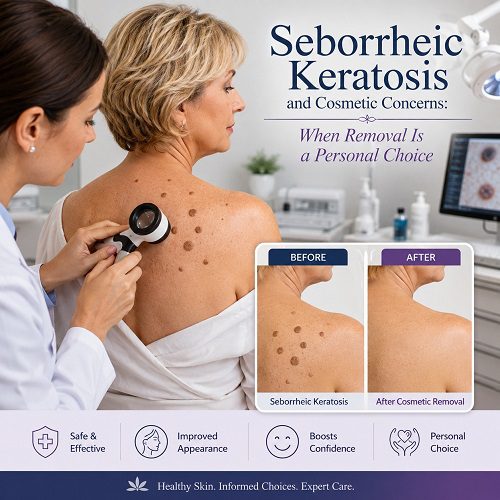
By Seborrheic keratosis is one of the most common non-cancerous skin growths seen Seborrheic Keratosis in Older Adults. Although these growths are medically harmless, they can become a source of emotional distress, especially when they appear on visible areas such as the face, neck, chest, or hands. Many people seek cosmetic removal seborrheic keratosis treatments not because the growths are dangerous, but because they affect confidence, appearance, or comfort.
Understanding when removal is appropriate can help individuals make informed decisions based on their personal goals rather than fear. Since seborrheic keratosis does not usually require medical treatment, choosing to remove it is often entirely optional.
What is Seborrheic Keratosis?
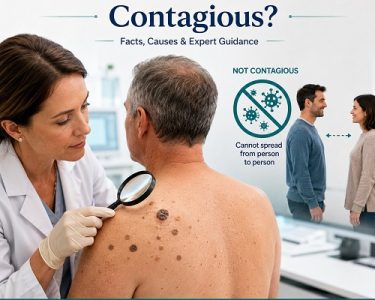
Seborrheic keratosis is a benign skin growth that commonly develops after the age of 40. These growths vary in size, colour, and texture. They often appear as:
- Light brown, dark brown, or black patches
- Slightly raised or wart-like growths
- Waxy or rough surfaces
- Clearly defined borders
- Single or multiple lesions
Common locations include:
- Face
- Neck
- Chest
- Back
- Shoulders
- Arms
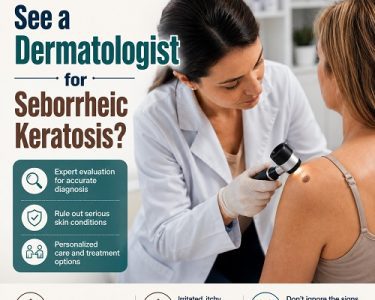
Unlike skin cancer, seborrheic keratosis rarely becomes dangerous. However, any rapidly changing lesion should always be evaluated by a dermatologist.
Why People Choose Cosmetic Removal
Since seborrheic keratosis is harmless, many wonder why people decide to remove it.
The answer is simple—it often affects quality of life.
Common reasons include:
Appearance
Visible growths on the face or neck may make people feel self-conscious during social interactions.
Confidence
Many individuals report improved self-esteem after cosmetic removal, particularly when multiple lesions are removed.
Clothing Irritation
Growths under bra straps, waistbands, collars, or jewellery may become irritated through repeated friction.
Grooming Difficulties
Seborrheic keratosis may catch while shaving or applying skincare products.
Personal Preference
Some people simply prefer smoother, clearer skin.
Choosing cosmetic removal seborrheic keratosis is a personal decision that depends on appearance, comfort, and lifestyle rather than medical necessity.
Is Removal Medically Necessary?
In most cases, no.
Doctors generally recommend treatment only when a lesion:
- Bleeds repeatedly
- Changes rapidly
- Has irregular colours
- Seborrheic Keratosis Causes persistent pain
- Becomes infected
- Cannot be confidently diagnosed
Otherwise, removal is considered cosmetic.
Emotional Impact of Seborrheic Keratosis
Skin conditions affect more than physical appearance.
People with multiple facial lesions often experience:
- Reduced self-confidence
- Embarrassment
- Anxiety
- Avoidance of photographs
- Social discomfort
Although these emotions may seem minor to others, they are very real for many patients.
Removing bothersome lesions can positively influence emotional wellbeing.
Cosmetic Treatment Options
Several safe and effective treatments are available.
Cryotherapy
Cryotherapy uses liquid nitrogen to freeze the lesion.
Benefits include:
- Quick procedure
- Minimal discomfort
- No surgical incision
- Suitable for smaller growths
Possible drawbacks include temporary blistering or pigment changes.
Curettage
The dermatologist gently scrapes away the lesion after numbing the area.
Advantages include:
- Immediate removal
- Quick healing
- Suitable for raised growths
Electrocautery
Electric current burns away the lesion.
Benefits include:
- Precise removal
- Minimal bleeding
- Good cosmetic outcomes
This method is often combined with curettage.
Laser Treatment
Laser therapy removes superficial skin growths while reducing damage to surrounding skin.
Advantages include:
- Excellent cosmetic results
- Minimal bleeding
- Faster recovery
- Useful for facial lesions
Shave Excision
A thin surgical blade removes the raised growth.
This procedure allows laboratory examination if there is any uncertainty about the diagnosis.
Does Cosmetic Removal Leave Scars?
Most patients heal with little or no visible scarring.
Scarring depends on:
- Lesion size
- Removal technique
- Skin type
- Healing ability
- Aftercare
Following your dermatologist’s instructions significantly improves cosmetic outcomes.
Recovery After Removal
Recovery is usually straightforward.
Most people experience:
- Mild redness
- Small scab formation
- Temporary tenderness
- Slight swelling
Healing often occurs within:
- 1–2 weeks for small lesions
- Several weeks for larger areas
Avoid:
- Picking scabs
- Excessive sun exposure
- Harsh skincare products
- Swimming until healing begins
Can Seborrheic Keratosis Return?
A removed lesion usually does not return.
However, seborrheic keratosis is related to ageing and genetics.
New growths may appear elsewhere over time.
Regular skin examinations help monitor any new lesions.
Are Home Removal Methods Safe?
Many online remedies promise to remove seborrheic keratosis naturally.
These include:
- Apple cider vinegar
- Hydrogen peroxide
- Essential oils
- Baking soda
- Lemon juice
Unfortunately, these methods may:
- Irritate healthy skin
- Cause burns
- Delay proper diagnosis
- Increase infection risk
- Leave scars
Before attempting any Seborrheic Keratosis Home Care, consult a qualified healthcare professional.
For readers interested in supportive approaches, consider reading our article on Natural Remedies for Seborrhoeic Keratosis, which discusses skin-supportive care while emphasising the importance of medical evaluation.
Choosing the Right Dermatologist
When considering cosmetic removal seborrheic keratosis, selecting an experienced dermatologist is essential.
Look for someone who:
- Is board-certified
- Has experience in cosmetic dermatology
- Explains treatment options clearly
- Reviews possible risks
- Provides realistic expectations
Never hesitate to ask questions before treatment.
Questions to Ask Before Treatment
Before scheduling removal, ask your dermatologist:
- Is this definitely seborrheic keratosis?
- Which removal method do you recommend?
- Will the procedure leave a scar?
- How long is recovery?
- Are multiple sessions needed?
- What will the procedure cost?
- What aftercare is required?
These questions help ensure informed decision-making.
Benefits of Cosmetic Removal
Many patients report noticeable improvements after treatment.
Benefits include:
- Smoother skin appearance
- Improved confidence
- Easier shaving
- Reduced clothing irritation
- Better makeup application
- Improved skin texture
- Peace of mind after diagnosis
Although cosmetic, these improvements can have a meaningful impact on daily life.
Possible Risks
Like every medical procedure, cosmetic removal carries small risks.
These include:
- Temporary redness
- Infection
- Scarring
- Pigment changes
- Recurrence of irritation
- Delayed healing
Serious complications are uncommon when treatment is performed by qualified professionals.
Preventing Future Skin Concerns
While seborrheic keratosis cannot usually be prevented, healthy skin habits remain beneficial.
Maintain skin health by:
- Using sunscreen daily
- Protecting skin from excessive UV exposure
- Moisturising regularly
- Avoiding skin trauma
- Scheduling routine skin examinations
- Monitoring new or changing lesions
Healthy skincare supports overall skin appearance even though it cannot completely prevent seborrheic keratosis.
Cosmetic Removal Is a Personal Decision
One important message deserves repeating.
There is no obligation to remove seborrheic keratosis.
Some individuals happily live with these harmless growths throughout life.
Others choose removal because they:
- Feel embarrassed
- Experience irritation
- Want smoother skin
- Prefer cosmetic improvement
Both decisions are equally valid.
The best choice is the one that aligns with your personal comfort, expectations, and medical advice.
Best Skin Care for Seborrheic Keratosis
Maintaining the Best Skin Care for Seborrheic Keratosis is essential for keeping your skin healthy, comfortable, and protected. Although seborrheic keratosis is a harmless skin condition that usually does not require medical treatment, a gentle skincare routine can help reduce irritation and improve the overall appearance of your skin.
Start by cleansing your skin with a mild, fragrance-free cleanser to avoid unnecessary irritation. Apply a moisturiser daily to keep the skin hydrated and minimise dryness around the affected areas. Protecting your skin from excessive sun exposure is also important, so use a broad-spectrum sunscreen with SPF 30 or higher whenever you are outdoors.
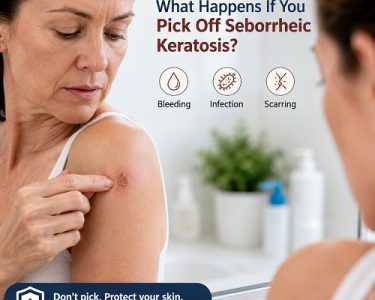
Avoid scratching, picking, or attempting to remove seborrheic keratosis at home, as this can lead to infection, bleeding, or scarring. If a growth becomes Irritated Seborrheic Keratosis or changes in colour, size, or shape, consult a dermatologist for a professional evaluation.
Some people also explore Natural Treatment for Seborrheic Keratosis as part of their skincare routine. While natural approaches may help support overall skin health, they should never replace professional medical advice. You can also learn more about Natural Remedies for Seborrheic Keratosis to discover gentle ways to care for your skin while understanding when medical treatment may be necessary. A consistent skincare routine and regular skin checks are the best ways to maintain healthy-looking skin.
When to See a Doctor
Although seborrheic keratosis is benign, arrange a medical assessment if you notice:
- Sudden rapid growth
- Bleeding without injury
- Persistent itching
- Pain
- Irregular borders
- Multiple new lesions appearing quickly
- Significant colour changes
These features may require further examination to rule out other skin conditions.
Conclusion
Seborrheic keratosis is one of the most common harmless skin growths affecting adults. While medical treatment is rarely necessary, many individuals choose cosmetic removal seborrheic keratosis procedures to improve confidence, comfort, and appearance.
Modern dermatology offers several safe and effective removal methods, including cryotherapy, laser treatment, electrocautery, curettage, and shave excision. Each option has unique benefits, and the most suitable choice depends on the size, location, and appearance of the lesion.
Ultimately, removal is a personal decision rather than a medical requirement. Consulting an experienced dermatologist ensures an accurate diagnosis, appropriate treatment, and the best possible cosmetic outcome. Whether you decide to leave the growths alone or remove them, understanding your options empowers you to make the choice that best suits your health, lifestyle, and confidence.