 By
By Living with bronchiectasis can be challenging, especially when symptoms like chronic cough, mucus buildup, fatigue, and recurrent infections disrupt daily life. While medical treatment plays a vital role in managing the condition, nutrition is often overlooked. A well-structured Bronchiectasis Diet Plan can significantly support lung health, improve immunity, and enhance overall well-being. The best foods, dietary strategies, and lifestyle tips to help manage bronchiectasis naturally. Whether you’re newly diagnosed or looking to improve your current diet, this article offers practical and evidence-based advice.
What Is Bronchiectasis?
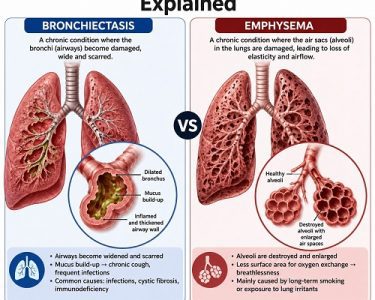
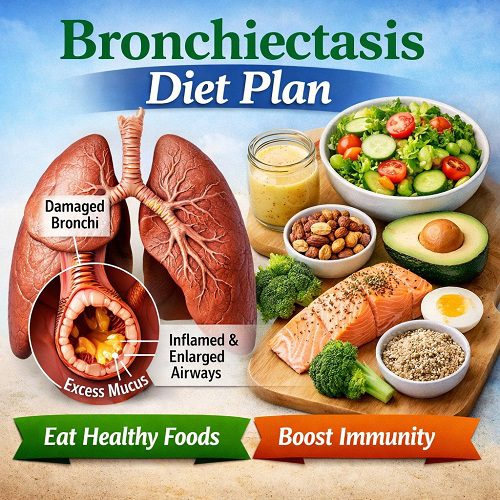
Bronchiectasis is a chronic condition where the airways (bronchi) become widened and damaged, leading to mucus accumulation and frequent infections. This creates an ideal environment for bacteria, making proper management essential.
Common Symptoms:
- Persistent cough
- Thick mucus production
- Shortness of breath
- Fatigue
- Recurrent chest infections
While medications, physiotherapy, and airway clearance techniques are crucial, diet can play a supportive role in reducing inflammation and strengthening the immune system.
Why a Bronchiectasis Diet Plan Matters
A targeted Bronchiectasis Diet Plan helps in several ways:
1. Boosts Immunity
Frequent infections are common in bronchiectasis. Nutrient-rich foods strengthen the immune system, reducing the risk of flare-ups.
2. Reduces Inflammation
Certain foods can help lower inflammation in the airways, improving breathing.
3. Supports Mucus Clearance
Hydrating foods and fluids thin mucus, making it easier to expel.
4. Maintains Energy Levels
Chronic illness can lead to fatigue. Proper nutrition ensures sustained energy.
Key Nutrients for Lung Health
Before diving into specific foods, it’s important to understand the essential nutrients your diet should include.
1. Protein
Protein helps repair damaged tissues and supports immune function.
Sources:
- Lean meats (chicken, turkey)
- Fish
- Eggs
- Lentils and beans
- Greek yogurt
2. Vitamin C
A powerful antioxidant that supports immunity and reduces inflammation.
Sources:
- Citrus fruits (oranges, lemons)
- Strawberries
- Bell peppers
- Kiwi
3. Omega-3 Fatty Acids
These healthy fats reduce inflammation in the lungs.
Sources:
- Salmon
- Flaxseeds
- Walnuts
- Chia seeds
4. Vitamin D
Important for immune health and lung function.
Sources:
- Sunlight exposure
- Fortified dairy products
- Egg yolks
5. Magnesium
Helps relax airway muscles and improve breathing.
Sources:
- Spinach
- Almonds
- Whole grains
- Avocados
Best Foods to Include in a Bronchiectasis Diet Plan
1. Fresh Fruits and Vegetables
These are rich in antioxidants and essential vitamins that protect lung tissue.
Best choices:
- Leafy greens (spinach, kale)
- Carrots
- Broccoli
- Apples
- Berries
2. Whole Grains
Whole grains provide sustained energy and fiber.
Options:
- Brown rice
- Oats
- Quinoa
- Whole wheat bread
3. Lean Proteins
Protein is essential for recovery and immune defense.
Include:
- Chicken breast
- Fish (especially fatty fish)
- Legumes
- Tofu
4. Healthy Fats
Good fats reduce inflammation and support lung health.
Sources:
- Olive oil
- Nuts and seeds
- Avocados
5. Hydrating Foods
Staying hydrated is crucial for thinning mucus.
Include:
- Cucumbers
- Watermelon
- Soups and broths
Foods to Avoid in Bronchiectasis
A proper Bronchiectasis Diet Plan is not just about what to eat, but also what to avoid.
1. Processed Foods
High in preservatives and unhealthy fats, these can increase inflammation.
2. Sugary Foods
Excess sugar weakens the immune system.
3. Fried Foods
These can worsen inflammation and slow digestion.
4. Dairy (for some individuals)
Some people find that dairy increases mucus production, although this varies.
5. Excess Salt
Too much sodium can lead to water retention and breathing discomfort.
Sample Bronchiectasis Diet Plan
Here’s a simple daily meal plan to help you get started.
Breakfast
- Oatmeal with berries and chia seeds
- Green tea or warm lemon water
Mid-Morning Snack
- Apple with a handful of almonds
Lunch
- Grilled chicken salad with olive oil dressing
- Whole grain bread
- Fresh fruit
Afternoon Snack
- Yogurt with flaxseeds
Dinner
- Baked salmon
- Steamed broccoli and carrots
- Brown rice
Before Bed
- Herbal tea (ginger or turmeric)
Importance of Hydration
Hydration plays a key role in managing bronchiectasis. Drinking enough fluids helps thin mucus, making it easier to clear from the lungs.
Tips:
- Aim for 8–10 glasses of water daily
- Include herbal teas
- Avoid excessive caffeine and sugary drinks
Natural Foods That Help Clear Mucus
Certain foods naturally help reduce mucus buildup.
1. Ginger
Has anti-inflammatory and mucus-clearing properties.
2. Turmeric
Contains curcumin, which reduces inflammation.
3. Garlic
Boosts immunity and fights infections.
4. Honey
Soothes the throat and reduces coughing.
Role of Antioxidants in Lung Health
Antioxidants protect the lungs from oxidative stress caused by pollution and infections.
Top Antioxidant Foods:
- Blueberries
- Spinach
- Dark chocolate (in moderation)
- Green tea
Meal Planning Tips for Bronchiectasis
Creating a sustainable Bronchiectasis Diet Plan is key to long-term success.
1. Eat Small, Frequent Meals
Large meals can make breathing uncomfortable.
2. Include Protein in Every Meal
Supports tissue repair and energy levels.
3. Plan Ahead
Prepare meals in advance to avoid unhealthy choices.
4. Monitor Food Triggers
Keep a food diary to identify foods that worsen symptoms.
Supplements That May Help
While whole foods are best, some Bronchiectasis supplements can support your diet.
Common Options:
- Vitamin D
- Omega-3 supplements
- Probiotics
- Vitamin C
Always consult a healthcare provider before starting any supplements.
Lifestyle Tips to Complement Your Diet
Diet alone is not enough. Combine it with healthy lifestyle habits.
1. Regular Exercise
Improves lung capacity and overall health.
2. Breathing Exercises
Helps clear mucus and improve oxygen flow.
3. Avoid Smoking
Smoking worsens lung damage.
4. Maintain a Healthy Weight
Both underweight and overweight conditions can affect breathing.
Common Myths About Bronchiectasis Diet
Myth 1: Dairy Always Increases Mucus
Not true for everyone. Monitor your own response.
Myth 2: Supplements Can Replace Food
Whole foods provide more balanced nutrition.
Myth 3: Only Medication Matters
Diet plays a supportive but important role.
When to See a Dietitian
If you experience:
- Unintentional weight loss
- Severe fatigue
- Frequent infections
A registered dietitian can create a personalized Bronchiectasis Diet Plan tailored to your needs.
Conclusion
Managing bronchiectasis requires a holistic approach, and diet is a powerful tool in your journey toward better lung health. A well-balanced Bronchiectasis Diet Plan rich in nutrients, antioxidants, and anti-inflammatory foods can help reduce Bronchiectasis symptoms, boost immunity, and improve quality of life.
By choosing the right foods, staying hydrated, and adopting healthy habits, you can support your lungs naturally and effectively. Start small, stay consistent, and make your diet a cornerstone of your bronchiectasis management strategy.
FAQs
- Can diet cure bronchiectasis?
No, but a proper diet can help manage symptoms and improve overall health.
- What is the best drink for bronchiectasis?
Water, herbal teas, and warm fluids are best for thinning mucus.
- Are bananas good for bronchiectasis?
Yes, they are rich in potassium and easy to digest.
- Should I avoid cold foods?
Some people find cold foods trigger coughing, so monitor your response.
- How important is protein?
Very important—it helps repair lung tissues and supports immunity.