 By
By Living with severe gastroparesis can be a daily struggle. This chronic condition, which slows down or stops the stomach from emptying properly, can significantly impact nutrition, energy levels, and overall quality of life. For individuals affected by this condition, managing diet becomes one of the most crucial aspects of care. Among the various dietary strategies, a liquid diet has emerged as a highly effective approach to ensure proper nutrition while minimizing discomfort. The role of a liquid diet in managing severe gastroparesis, discuss its benefits, potential challenges, and provide practical guidance for implementing this dietary approach safely and effectively.
Understanding Severe Gastroparesis
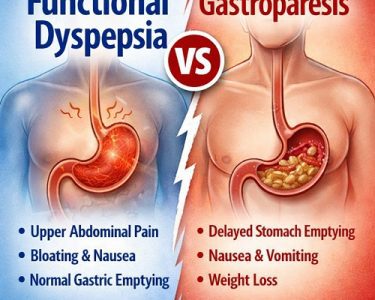
Before diving into the specifics of a liquid diet, it is essential to understand what severe gastroparesis entails. Gastroparesis is a disorder in which the stomach’s ability to empty its contents is impaired without any mechanical blockage. While mild cases can sometimes be managed with dietary modifications and medications, severe cases often require more intensive interventions.
Causes of Severe Gastroparesis
The causes of severe gastroparesis can vary. Common contributors include:
- Diabetes mellitus: High blood sugar levels can damage the vagus nerve, which controls stomach muscles.
- Post-surgical complications: Certain surgeries, particularly those involving the stomach or vagus nerve, may impair gastric motility.
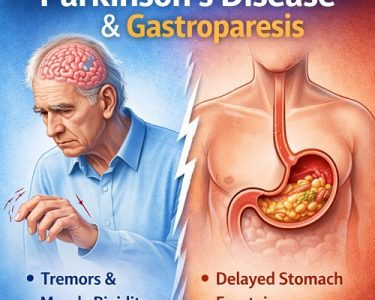
- Neurological conditions: Diseases such as Parkinson’s or multiple sclerosis may impact stomach function.
- Medications: Some drugs, particularly opioids and anticholinergics, can slow stomach emptying.
- Idiopathic gastroparesis: In some cases, the cause remains unknown.
Symptoms of Severe Gastroparesis
Individuals with severe gastroparesis may experience a range of symptoms, including:
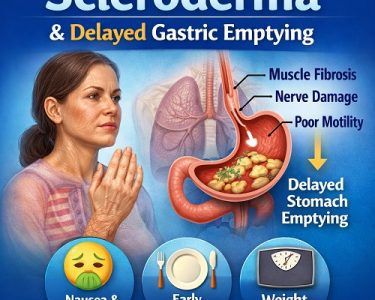
- Persistent nausea and vomiting
- Early satiety (feeling full quickly)
- Abdominal bloating and discomfort
- Weight loss and malnutrition
- Dehydration due to vomiting or poor fluid intake
When symptoms are pronounced, maintaining adequate nutrition becomes challenging, which is where a liquid diet can play a vital role.
What is a Liquid Diet?
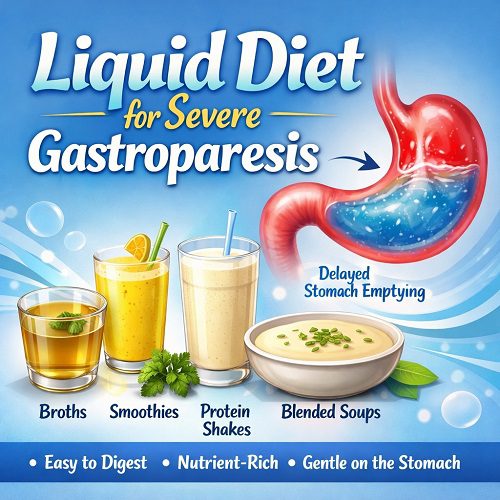
A liquid diet consists primarily of fluids or foods that melt to liquid at room temperature. It is designed to reduce the workload on the digestive system, making it easier for the stomach to empty contents. Liquid diets are commonly used in various medical situations, such as pre- and post-surgery, during gastrointestinal distress, or in cases of severe gastroparesis.
Types of Liquid Diets
Liquid diets are generally categorized into three types:
- Clear Liquid Diet:
- Consists of transparent liquids that leave little residue in the digestive tract.
- Examples include water, broth, clear juices, tea, and gelatin.
- Typically used for short-term management or medical procedures rather than long-term nutrition.
- Full Liquid Diet:
- Includes both clear liquids and foods that become liquid at room temperature.
- Examples include milk, smooth soups, pureed vegetables, protein shakes, and yogurt.
- More suitable for long-term nutritional support in severe gastroparesis.
- Modified Liquid Diet:
- Tailored to individual tolerance, combining nutrient-rich liquids with small amounts of soft or pureed foods.
- Often recommended for patients transitioning from a strict liquid diet to more solid foods.
Benefits of a Liquid Diet for Severe Gastroparesis
Adopting a liquid diet can provide several advantages for individuals dealing with severe gastroparesis, particularly in improving nutritional status and reducing gastrointestinal discomfort.
1. Easier Digestion
Liquids require minimal mechanical digestion. Unlike solid foods, which need thorough chewing and stomach processing, liquids can pass through the stomach more quickly, reducing bloating, nausea, and vomiting.
2. Improved Nutritional Intake
Patients with severe gastroparesis often struggle to consume adequate calories and nutrients. Nutritionally balanced liquids, such as high-calorie shakes and fortified soups, can help maintain energy levels and prevent weight loss.
3. Hydration Support
Dehydration is a common complication of severe gastroparesis, particularly in patients who experience frequent vomiting. Liquid diets naturally provide hydration, supporting overall health and kidney function.
4. Symptom Management
By minimizing gastric workload, a liquid diet can significantly reduce symptoms like fullness, bloating, and stomach pain. This improvement in comfort can also enhance quality of life and daily functioning.
Components of a Liquid Diet for Severe Gastroparesis
A well-planned liquid diet for severe gastroparesis should be balanced, nutrient-dense, and easy to digest. Key components include:
1. Protein
Protein is essential for maintaining muscle mass, supporting the immune system, and promoting healing. Liquid protein sources suitable for severe gastroparesis include:
- Whey or soy protein shakes
- Smooth nut butters blended into liquids
- Yogurt or kefir (if tolerated)
- Egg-based drinks or custards
2. Carbohydrates
Carbohydrates provide energy and help prevent fatigue. Easily digestible sources include:
- Fruit juices without pulp
- Smooth fruit purees
- Fortified smoothies with oats or rice
- Rice or potato-based liquid soups
3. Fats
Healthy fats are calorie-dense and can help maintain weight. Sources include:
- Nut oils or avocado oil blended into shakes
- Smooth nut butters
- Coconut milk or cream
- MCT oil (medium-chain triglycerides) for easy absorption
4. Vitamins and Minerals
Micronutrient deficiencies are a concern for patients with severe gastroparesis. To prevent this:
- Include multivitamin-fortified shakes
- Use blended vegetables in soups
- Consider supplementation under medical supervision
Practical Tips for Implementing a Liquid Diet
Transitioning to a liquid diet can feel challenging at first. Here are practical tips for patients and caregivers:
1. Gradual Transition
Start by replacing one meal per day with a liquid option, then gradually increase as tolerated. This approach reduces the risk of gastrointestinal upset.
2. Smaller, Frequent Meals
Instead of consuming large volumes at once, opt for smaller servings every 2–3 hours. This helps prevent nausea and improves nutrient absorption.
3. Temperature Considerations
Some patients tolerate warm liquids better, while others prefer cool or room-temperature beverages. Experiment to find the most comfortable option.
4. Texture Adjustments
Strain or blend liquids to achieve a smooth consistency. Avoid chunky or fibrous liquids that may exacerbate symptoms.
5. Monitor Symptoms
Keep a food and symptom diary. Note which liquids cause discomfort and adjust accordingly. Work closely with a healthcare provider to ensure nutritional adequacy.
Challenges of a Liquid Diet
While a liquid diet offers significant benefits, it also presents challenges that must be addressed.
1. Nutritional Deficiencies
A poorly planned liquid diet may lack adequate protein, fiber, or essential vitamins. Regular consultation with a registered dietitian is critical to maintain nutritional balance.
2. Social and Psychological Impact
Eating is often a social activity. Patients on a liquid diet may feel isolated or frustrated. Support groups, counseling, and creative meal presentation can help alleviate these issues.
3. Tolerance Variability
Not all patients tolerate all liquids equally. Dairy or high-fat liquids may worsen nausea for some individuals, requiring careful trial and error.
Sample Liquid Diet Plan for Severe Gastroparesis
Here’s a sample daily liquid diet plan for someone with severe gastroparesis. Adjust portion sizes and ingredients according to individual tolerance and nutritional needs.
Meal | Suggested Liquids | Notes |
| Breakfast | Protein shake with milk or soy milk, banana, and nut butter | Blend until smooth |
| Mid-Morning Snack | Clear juice or electrolyte drink | Choose low-acid options like apple or pear juice |
| Lunch | Pureed vegetable soup with added protein (chicken or tofu) | Avoid fibrous vegetables like broccoli |
| Afternoon Snack | Yogurt smoothie with protein powder and fruit | Use lactose-free yogurt if needed |
| Dinner | Creamy rice or potato soup with olive oil | Add MCT oil for extra calories |
| Evening Snack | Warm milk or chamomile tea | Helps with relaxation and digestion |
Medical Considerations
Implementing a liquid diet for severe gastroparesis should always be done under medical supervision. Key considerations include:
- Monitoring blood sugar: Especially for diabetic patients. Liquid carbohydrates can cause rapid spikes.
- Electrolyte balance: Frequent vomiting may require supplementation with electrolytes.
- Medication timing: Some medications should be taken with food; liquids can affect absorption.
- Long-term nutritional support: In cases where oral intake remains insufficient, enteral feeding (via a jejunostomy tube) may be necessary.
Transitioning from a Liquid Diet
A liquid diet is often a temporary measure to manage symptoms or during flare-ups of severe gastroparesis. When symptoms stabilize, a gradual transition to more solid foods can be attempted.
Steps for Transition
- Introduce soft, low-fiber foods gradually.
- Monitor tolerance to each new food.
- Maintain small, frequent meals.
- Continue incorporating nutrient-rich liquids to supplement diet.
- Work with a dietitian to ensure balanced nutrition.
Conclusion
A liquid diet can be a lifeline for individuals living with severe gastroparesis, providing much-needed nutrition while reducing symptoms like nausea, bloating, and vomiting. By focusing on easily digestible, nutrient-dense liquids and working closely with healthcare professionals, patients can maintain energy levels, prevent malnutrition, and improve their overall quality of life.
While challenges such as nutritional deficiencies, social limitations, and tolerance issues exist, careful planning, monitoring, and gradual adaptation make a liquid diet a practical and effective approach for long-term gastroparesis management.
Ultimately, each patient’s experience with severe gastroparesis is unique, and dietary strategies should be individualized. With the right approach, a liquid diet can empower patients to regain control over their nutrition and enjoy a higher level of comfort and well-being.