 By
By Gastroparesis is a challenging digestive disorder that affects millions of people worldwide. Characterized by delayed stomach emptying without any physical blockage, it can significantly impact quality of life. Individuals living with this condition often struggle with nausea, bloating, early satiety, abdominal pain, acid reflux, and unpredictable digestion.
In recent years, there has been growing interest in natural supportive therapies, particularly Digestive Enzymes for Gastroparesis and probiotics. While medical treatments remain essential, many patients seek complementary approaches to ease symptoms and improve nutrient absorption. How probiotics and Digestive Enzymes for Gastroparesis may help, the science behind them, and practical considerations for safe use.
Understanding Gastroparesis
Gastroparesis, sometimes referred to as delayed gastric emptying, occurs when the stomach muscles do not function properly. Normally, strong muscular contractions move food from the stomach into the small intestine. In gastroparesis, this movement slows down or becomes inefficient.
The condition is commonly associated with:
- Diabetes (particularly long-term uncontrolled diabetes)
- Vagus nerve damage
- Post-surgical complications
- Autoimmune disorders
- Idiopathic causes (unknown origin)
The vagus nerve plays a crucial role in controlling stomach motility. When it becomes damaged, the coordination of stomach contractions weakens, leading to slow digestion.
Common Symptoms of Gastroparesis
People with gastroparesis may experience:
- Persistent nausea
- Vomiting undigested food
- Early fullness after small meals
- Abdominal bloating
- Acid reflux
- Poor appetite
- Blood sugar fluctuations
- Malnutrition in severe cases
Because food remains in the stomach longer than normal, it may ferment, leading to gas buildup and discomfort. Over time, inadequate digestion can impair nutrient absorption.
This is where Digestive Enzymes for Gastroparesis and probiotics may offer supportive benefits, also with remedies for gastroparesis.
What Are Digestive Enzymes?
Digestive enzymes are proteins that help break down food into smaller, absorbable molecules. The body naturally produces enzymes in the mouth, stomach, pancreas, and small intestine.
Key digestive enzymes include:
- Amylase – breaks down carbohydrates
- Protease – breaks down proteins
- Lipase – breaks down fats
- Lactase – digests lactose (milk sugar)
- Cellulase – helps break down plant fiber (not naturally produced by humans but available in supplements)
When digestion is impaired, enzyme supplementation may assist in breaking down food more efficiently.
Why Consider Digestive Enzymes for Gastroparesis?
In gastroparesis, food lingers in the stomach longer than normal. While enzymes do not directly fix delayed gastric emptying, they may help by:
1. Supporting Food Breakdown
If food is partially broken down more quickly, it may pass more smoothly into the small intestine.
2. Reducing Fermentation
Undigested food can ferment, producing gas and bloating. Digestive Enzymes for Gastroparesis may reduce the amount of undigested material that contributes to discomfort.
3. Improving Nutrient Absorption
People with gastroparesis often struggle with deficiencies in vitamins and minerals. Enzymes may enhance nutrient breakdown and absorption.
4. Reducing Post-Meal Discomfort
By aiding digestion, enzymes may decrease feelings of heaviness and fullness.
Scientific Perspective on Digestive Enzymes for Gastroparesis
Research specifically focused on Digestive Enzymes for Gastroparesis is still emerging. However, enzyme therapy has long been used for other digestive disorders such as pancreatic insufficiency.
Although gastroparesis is primarily a motility disorder, improving digestive efficiency may indirectly relieve symptom severity in some individuals.
It is important to note:
- Enzymes do not restore stomach muscle contractions.
- They should not replace prescribed medications.
- Results may vary depending on the underlying cause of gastroparesis.
Types of Digestive Enzymes That May Help
When considering Digestive Enzymes for Gastroparesis, look for broad-spectrum formulas that contain:
- Amylase
- Protease
- Lipase
- Lactase (if dairy-sensitive)
- Alpha-galactosidase (for gas reduction)
Plant-based enzymes are often preferred because they function across a broader pH range, which may be beneficial when stomach acid levels fluctuate.
What Are Probiotics?
Probiotics are beneficial bacteria that support gut health. They help maintain a balanced microbiome and aid digestion.
Common probiotic strains include:
- Lactobacillus species
- Bifidobacterium species
- Saccharomyces boulardii (a beneficial yeast)
A healthy gut microbiome plays a role in digestion, immune function, and inflammation control.
Why Probiotics May Help Gastroparesis
Although gastroparesis primarily affects stomach motility, the condition can alter the entire digestive ecosystem.
When food remains in the stomach longer than usual:
- It can disrupt microbial balance.
- It may contribute to small intestinal bacterial overgrowth (SIBO).
- Fermentation increases gas and bloating.
Probiotics may help by:
1. Balancing Gut Bacteria
Restoring microbial diversity may reduce bloating and inflammation.
2. Supporting Immune Health
A balanced microbiome supports gut barrier function.
3. Reducing Gas Production
Certain probiotic strains may decrease fermentation-related symptoms.
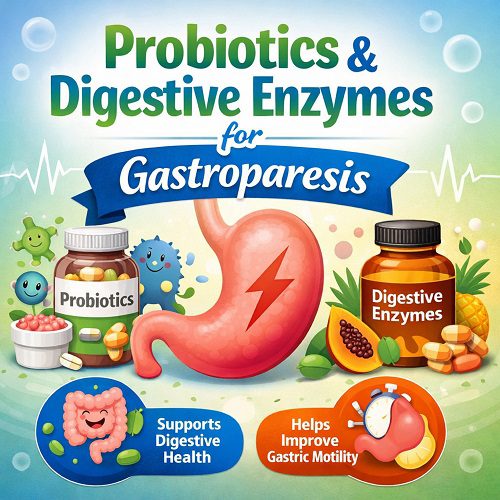
Combining Probiotics and Digestive Enzymes for Gastroparesis
Many individuals find that combining probiotics with Digestive Enzymes for Gastroparesis offers complementary support.
How They Work Together
- Digestive enzymes assist with breaking down food.
- Probiotics help manage bacterial balance and reduce fermentation.
This dual approach may reduce bloating, improve stool regularity, and ease discomfort after meals.
However, individual tolerance varies. Some people with gastroparesis may initially experience increased gas when starting probiotics. Beginning with low doses and gradually increasing may help.
Practical Tips for Using Digestive Enzymes for Gastroparesis
If you are considering Digestive Enzymes for Gastroparesis, follow these guidelines:
1. Take with Meals
Enzymes should be taken at the beginning of meals to assist digestion.
2. Start Low
Begin with a low dose to assess tolerance.
3. Choose High-Quality Supplements
Look for third-party tested products.
4. Monitor Symptoms
Track changes in bloating, fullness, nausea, and bowel movements.
5. Consult a Healthcare Provider
Especially important if you have diabetes or are taking medications.
Dietary Strategies to Enhance Results
Even the best Digestive Enzymes for Gastroparesis work best when combined with dietary adjustments.
Small, Frequent Meals
Eating 4–6 small meals reduces stomach burden.
Low-Fat Foods
Fat slows gastric emptying.
Low-Fiber Foods
High fiber may form bezoars (hardened food masses).
Soft or Liquid Foods
Soups, smoothies, and pureed foods are often easier to digest.
Potential Risks and Considerations
While generally safe, Digestive Enzymes for Gastroparesis may cause:
- Mild stomach upset
- Diarrhea
- Allergic reactions (rare)
Probiotics may cause:
- Temporary gas
- Bloating during adjustment
Individuals with weakened immune systems should consult a physician before starting probiotics.
The Role of Conventional Treatment
It is important to remember that supplements for Gastroparesis are supportive—not curative.
Medical management of gastroparesis may include:
- Prokinetic medications
- Antiemetics
- Blood sugar control (for diabetic gastroparesis)
- Gastric electrical stimulation in severe cases
- Nutritional therapy
Digestive Enzymes for Gastroparesis should complement—not replace—medical care.
Who May Benefit Most?
You may benefit from probiotics and Digestive Enzymes for Gastroparesis if you:
- Experience significant bloating
- Feel overly full after small meals
- Have mild to moderate symptoms
- Struggle with nutrient absorption
- Want additional digestive support alongside medical treatment
However, those with severe vomiting or advanced gastroparesis may require more intensive medical intervention.
Emerging Research and Future Outlook
Interest in the gut microbiome and enzyme therapy continues to grow. As research expands, we may gain clearer insights into:
- Specific probiotic strains for gastroparesis
- Optimal enzyme formulations
- Personalized digestive therapy
- Microbiome-targeted interventions
The relationship between motility disorders and gut bacteria is an evolving area of study, offering promising future directions.
Final Thoughts
Living with gastroparesis can be frustrating and physically exhausting. While no supplement can reverse delayed gastric emptying, probiotics and Digestive Enzymes for Gastroparesis may offer supportive benefits for symptom management.
By improving food breakdown, reducing fermentation, and supporting microbial balance, these natural tools may help ease bloating, fullness, and digestive discomfort.
If you are considering adding Digestive Enzymes for Gastroparesis to your routine, work with a qualified healthcare professional to ensure a safe and personalized approach.
With the right combination of medical care, dietary strategies, and supportive supplementation, many individuals with gastroparesis can improve comfort, nutrition, and overall quality of life.