
 By
By Gastroparesis is a chronic digestive condition that can significantly affect quality of life. Characterized by delayed stomach emptying without a physical blockage, it often causes nausea, vomiting, bloating, early satiety, and abdominal discomfort. As conventional treatments can be limited or come with side effects, many people are exploring gastroparesis natural remedies. One of the most frequently discussed options is Ginger for Gastroparesis.
But does it really work? Can a simple root that has been used for centuries in traditional medicine truly help a complex motility disorder? In this comprehensive article, we’ll explore what gastroparesis is, how ginger works in the body, the scientific evidence behind Ginger for Gastroparesis, potential benefits, risks, and how to use it safely.
Understanding Gastroparesis
Gastroparesis occurs when the stomach muscles fail to contract properly, leading to slow or incomplete emptying of food into the small intestine. The condition is often associated with damage to the vagus nerve, which controls stomach motility.
Common causes include:
- Diabetes (especially long-standing type 1 or type 2)
- Post-surgical complications
- Viral infections
- Neurological conditions
- Idiopathic (unknown cause)
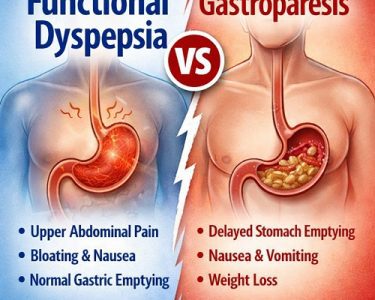
Symptoms typically include:
- Persistent nausea
- Vomiting undigested food
- Feeling full quickly (early satiety)
- Bloating
- Abdominal pain
- Weight loss
- Malnutrition in severe cases
Natural Treatment for Gastroparesis usually involves dietary changes, medications that stimulate gastric motility (prokinetics), anti-nausea drugs, and in severe cases, feeding tubes or surgery. However, many patients seek complementary therapies, leading to growing interest in Ginger for Gastroparesis.
What Is Ginger?
Ginger comes from the root of the plant Zingiber officinale. It has been used in traditional medicine systems such as Ayurveda and Traditional Chinese Medicine for thousands of years to treat digestive complaints, nausea, and inflammation.
The active compounds in ginger include:
- Gingerols
- Shogaols
- Zingerone
- Paradols
These bioactive components are believed to influence gastrointestinal function, inflammation, and even nerve signaling.
Ginger is widely known for its anti-nausea effects, especially in:
- Pregnancy-related nausea
- Motion sickness
- Chemotherapy-induced nausea
- Postoperative nausea
This reputation is one reason why Ginger for Gastroparesis has gained attention.
How Ginger Affects the Digestive System
To understand whether Ginger for Gastroparesis works, we need to examine how ginger interacts with the gastrointestinal tract.
1. Stimulation of Gastric Motility
Ginger appears to enhance gastric emptying in certain situations. Some studies have shown that ginger can:
- Increase antral contractions (the lower part of the stomach)
- Stimulate digestive enzyme secretion
- Improve coordination of stomach contractions
These effects may help move food more efficiently from the stomach into the small intestine.
2. Anti-Nausea Properties
Ginger interacts with serotonin receptors in the gut and brain. Serotonin plays a major role in triggering nausea and vomiting. By modulating these pathways, ginger may reduce nausea—a major symptom of gastroparesis.
3. Anti-Inflammatory Effects
Chronic inflammation may contribute to impaired gut motility in some individuals. Ginger’s anti-inflammatory compounds could theoretically help support healthier nerve and muscle function in the gastrointestinal tract.
Scientific Evidence: Ginger for Gastroparesis
The big question remains: Does research support using Ginger for Gastroparesis?
Studies on Gastric Emptying
Several small clinical studies have examined ginger’s impact on gastric emptying in healthy individuals and those with functional dyspepsia.
Some findings include:
- Ginger can accelerate gastric emptying in healthy volunteers.
- It may improve gastric motility in people with functional indigestion.
- Doses around 1–2 grams of powdered ginger have been used in trials.
However, there is limited direct research specifically on people diagnosed with gastroparesis. While the data on healthy individuals and mild motility disorders is promising, gastroparesis is more complex and severe.
Studies in Diabetic Gastroparesis
Diabetes is one of the most common causes of gastroparesis. Some small-scale studies have suggested that ginger supplementation may improve gastric emptying in people with diabetes, but the evidence remains preliminary.
Results are mixed, and more large, well-controlled studies are needed.
Nausea Reduction
The strongest evidence supporting Ginger for Gastroparesis lies in its anti-nausea properties. Numerous studies confirm ginger’s effectiveness in reducing nausea across various conditions. Since nausea is one of the most debilitating symptoms of gastroparesis, this benefit alone may justify trying ginger under medical supervision.
Potential Benefits of Ginger for Gastroparesis
Based on current evidence, possible benefits include:
1. Reduced Nausea
Ginger may help calm the stomach and reduce the frequency and severity of nausea.
2. Improved Gastric Emptying (Mild Cases)
In mild cases or early-stage gastroparesis, ginger may support more efficient stomach contractions.
3. Fewer Side Effects Compared to Prescription Medications
Common prokinetic medications like metoclopramide can cause neurological side effects. Ginger is generally well-tolerated when used appropriately.
4. Additional Health Benefits
Ginger also has:
- Antioxidant properties
- Blood sugar regulation support
- Anti-inflammatory effects
These benefits may be especially relevant for diabetic individuals.
Limitations of Ginger for Gastroparesis
While the idea of a natural solution is appealing, it’s important to approach Ginger for Gastroparesis realistically.
1. Not a Cure
Ginger does not repair nerve damage or reverse severe motility dysfunction. It may help manage symptoms but does not treat the root cause.
2. Limited Research in Severe Cases
Most studies involve healthy participants or those with mild digestive complaints. There is insufficient data for severe gastroparesis cases.
3. Individual Variability
Some individuals report improvement, while others experience no noticeable change.
How to Use Ginger for Gastroparesis
If you’re considering Ginger for Gastroparesis, consult your healthcare provider first, especially if you are on medications or have diabetes.
Common forms include:
1. Fresh Ginger
- Add to tea (steep 1–2 teaspoons of grated ginger in hot water)
- Blend into smoothies
- Use in soups
2. Ginger Capsules
Standardized supplements often contain 500–1000 mg per capsule. Research doses commonly range between 1–2 grams per day.
3. Ginger Powder
Can be mixed into warm water or food.
4. Ginger Tea
A mild and soothing option, especially for nausea.
Start with a low dose and monitor your response.
Safety and Side Effects
Ginger is generally considered safe for most people when used in moderate amounts.
Possible side effects:
- Heartburn
- Mild stomach irritation
- Diarrhea (in high doses)
- Blood-thinning effects
People who should use caution:
- Those on anticoagulants
- Individuals with gallstones
- Pregnant women (consult doctor)
- People with severe GERD
Because gastroparesis patients often have sensitive stomachs, start slowly and observe how your body reacts.
Combining Ginger with Other Strategies
Ginger works best as part of a comprehensive management plan.
Dietary recommendations often include:
- Small, frequent meals
- Low-fat foods
- Low-fiber foods
- Soft or liquid meals
- Avoiding carbonated beverages
Some people combine Ginger for Gastroparesis with:
- Probiotic supplementation
- Digestive enzymes
- Acupuncture
- Stress reduction techniques
Always coordinate complementary approaches with your medical provider.
Who Might Benefit Most from Ginger for Gastroparesis?
Ginger may be particularly helpful for:
- Individuals with mild or early-stage gastroparesis
- Those primarily struggling with nausea
- Diabetic patients looking for supportive therapy
- People unable to tolerate prescription prokinetics
Those with severe vomiting, significant weight loss, or advanced disease should prioritize medical treatment.
What Do Experts Say?
While ginger is widely respected for digestive support, gastroenterologists typically view it as a complementary therapy rather than a primary treatment for gastroparesis.
Medical guidelines do not currently list ginger as a standard treatment, but many clinicians acknowledge its potential for symptom relief, particularly nausea.
As research continues, Ginger for Gastroparesis may gain stronger evidence-based support.
Practical Tips for Trying Ginger
If you want to experiment safely:
- Start with ginger tea once daily.
- Increase gradually if tolerated.
- Monitor symptoms in a journal.
- Avoid taking large doses immediately.
- Discuss with your healthcare provider if symptoms worsen.
Final Verdict: Does Ginger for Gastroparesis Work?
So, does Ginger for Gastroparesis work?
The answer is nuanced.
Ginger is not a cure for gastroparesis, especially in moderate to severe cases. However, it shows promising potential in reducing nausea and may mildly improve gastric emptying in some individuals. The scientific evidence is supportive but limited, particularly for diagnosed gastroparesis.
For many people, ginger may serve as a safe, accessible complementary therapy that helps ease symptoms—especially nausea—when used alongside conventional medical treatment.
As with any chronic condition, individualized care is essential. What works for one person may not work for another. If you’re considering Ginger for Gastroparesis, talk with your healthcare provider to ensure it fits safely into your overall management plan.
Key Takeaways
- Ginger has proven anti-nausea effects.
- It may support mild improvements in gastric motility.
- Evidence specific to gastroparesis is limited but promising.
- It is generally safe in moderate doses.
- It works best as a complementary approach.
In summary, Ginger for Gastroparesis may not be a miracle cure—but for some individuals, it can be a helpful addition to symptom management and digestive support.
If you are navigating gastroparesis, exploring safe natural options like ginger, under medical supervision, may offer additional comfort and improved quality of life.