 By
By What Is Rectal Prolapse?
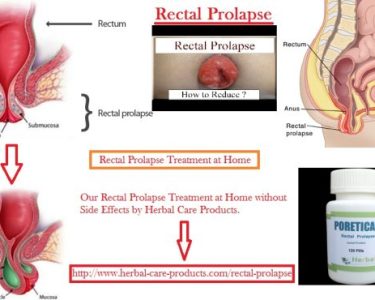
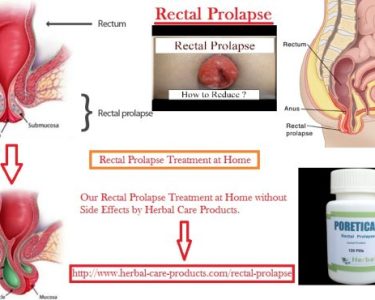
Rectal prolapse is an alarming medical condition characterized by the descent of the rectum, the final part of the large intestine, outside of its usual position, thus protruding through the anus. This distressing condition often causes intense discomfort and concern among individuals who experience it. One prominent symptom associated with rectal prolapse is rectal bleeding, which can be distressing and worrisome for many sufferers. As the rectum protrudes outwards, it can lead to friction and injury, resulting in the presence of blood in the stool. This symptom further adds to the distressing nature of rectal prolapse and incites individuals to seek prompt medical attention. Recognizing the signs and symptoms of rectal prolapse, including rectal bleeding, is crucial in order to promptly address the condition and alleviate any related pain or discomfort.
Again, rectal prolapse is a condition characterized by the weakening of pelvic floor muscles, causing the rectum to slip out of its normal position and protrude through the anus. This displacement often leads to discomfort, pain, and difficulty in performing daily activities. Notably, rectal bleeding can also be a common symptom of rectal prolapse, as the protruding rectal tissue may become irritated or damaged. It is crucial for individuals experiencing rectal prolapse to seek medical attention promptly to determine the appropriate treatment options available.
Related: Rectal Prolapse Symptoms and Prolapsed Bowel Treatment
Rectal bleeding
Rectal bleeding. Yes, I’m going there today! Let’s talk about this not-so-pleasant topic, shall we? I know it might make you squirm in your seat a bit, but hey, it’s important to address these things head-on. So, if you’re feeling a tad uncomfortable, hang in there buddy because we’re about to dive into the world of rectal bleeding.
Don’t Panic – It’s Not Always a Cause for Alarm
Before you start imagining the worst-case scenarios, let me reassure you that rectal bleeding is not always a sign of something sinister lurking in your body. Sure, it can be a bit scary to see blood after a bowel movement (or even during), but don’t automatically assume the worst. Rectal bleeding can be caused by a whole bunch of things – some more serious than others.
Hemorrhoids: The Itchy and Bleed-y Culprit
Ah, hemorrhoids! Those pesky little devils that can make life uncomfortable for all the wrong reasons. They’re basically swollen blood vessels in and around your anus – not exactly the most glamorous topic of conversation at dinner parties, but hey, we’re getting real here!
Related: 10 Natural Remedies for Rectal Prolapse
Hemorrhoids can be caused by straining during bowel movements (ever heard of constipation?), sitting on the porcelain throne for extended periods of time (nice place to relax, I know), or even pregnancy (yeah, blame those hormones). They’re often accompanied by itching, pain, and yes, you guessed it – rectal bleeding! But don’t worry; they usually go away on their own or with some good ‘ol over-the-counter creams.
Diverticulosis: Another Reason Your Butt Might Be Bleeding
Now let’s talk about diverticulosis – an impressive word that basically means small pockets or diverticula forming in your colon wall. These little pouches are more common than you might think and are often harmless. However, they can also cause rectal bleeding.
When these diverticula in your colon become inflamed or infected, it’s officially called diverticulitis. This can lead to symptoms like abdominal pain, fever, and yes, you guessed it – rectal bleeding again! So if you’ve been experiencing these symptoms, it’s time to have a chat with your friendly neighborhood doctor.
Inflammatory Bowel Disease: A Double Trouble
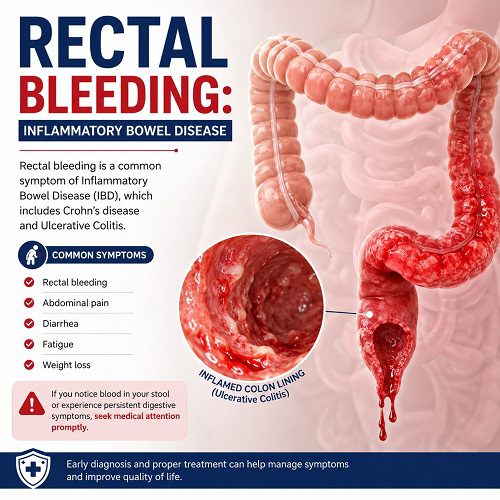
Now let’s turn our attention to the big guys on the block – inflammatory bowel diseases (IBD). We’re talking about Crohn’s disease and ulcerative colitis here. These chronic conditions are like the relentless house guests that just won’t leave – they wreak havoc on your digestive system, making life pretty darn uncomfortable.
Both Crohn’s disease and ulcerative colitis can cause inflammation in your digestive tract. And you guessed it – rectal bleeding is one of the lovely side effects of this inflammation party. So if you’re experiencing persistent abdominal pain, diarrhea (often bloody), weight loss, fatigue, and yeah, rectal bleeding (duh!), it’s time to pay a visit to your gastroenterologist.
When to Seek Medical Help
I know we’ve covered a lot of ground here today, but let me leave you with some parting advice on when to seek medical help for rectal bleeding. If you notice any of the following red flags (pun intended), it’s time to call up your doctor:
- Large amounts of blood or blood clots
- Blood mixed with stools for more than a few days
- Persistent pain or discomfort
- Dizziness or fainting spells
- Unexplained weight loss
Remember folks; when it comes to your health, it’s always better to be safe than sorry! So if your butt is bleeding and causing you concern, don’t hesitate to reach out to a healthcare professional. They’ve seen it all, trust me!
Frequently Asked Questions (FAQs)
What is rectal bleeding in inflammatory bowel disease (IBD)?
Rectal bleeding in IBD refers to blood passing from the rectum due to inflammation in the digestive tract. It is commonly linked with conditions like Ulcerative Colitis and Crohn’s Disease, where ulcers and irritation in the intestines can lead to bleeding.
Is rectal bleeding always a sign of inflammatory bowel disease?
No. Rectal bleeding can also occur due to hemorrhoids, anal fissures, infections, diverticulosis, or colorectal cancer. However, recurring bleeding along with abdominal pain, diarrhea, or mucus in stool may indicate IBD.
What does blood in the stool from IBD look like?
Blood caused by IBD is often bright red or dark red and may appear mixed with stool, mucus, or diarrhea. The color can help doctors identify where the bleeding is coming from in the digestive tract.
Can hemorrhoids and IBD happen together?
Yes. People with IBD may also develop hemorrhoids because frequent diarrhea, constipation, and straining can irritate veins around the rectum.
What are the common symptoms of rectal bleeding caused by IBD?
Common symptoms include:
- Bright red blood in stool
- Abdominal cramps
- Persistent diarrhea
- Urgent bowel movements
- Fatigue
- Weight loss
- Rectal pain or discomfort
When should I see a doctor for rectal bleeding?
You should seek medical attention if:
- Bleeding is heavy or continuous
- You feel dizzy or weak
- There is severe abdominal pain
- Stool becomes black or tarry
- Symptoms last more than a few days
Persistent rectal bleeding should never be ignored.
Can stress worsen rectal bleeding in IBD?
Stress does not directly cause IBD, but it may trigger flare-ups and worsen digestive symptoms, including rectal bleeding in some people with inflammatory bowel disease.
How is rectal bleeding from IBD diagnosed?
Doctors may use:
- Colonoscopy
- Stool tests
- Blood tests
- Imaging scans
- Physical examination
These tests help identify inflammation, ulcers, and the source of bleeding.
Can diet help reduce rectal bleeding in IBD?
Yes. Eating a balanced, gut-friendly diet may help reduce irritation and inflammation. Many patients benefit from avoiding spicy foods, processed foods, alcohol, and excessive caffeine during flare-ups.
Are herbal remedies helpful for rectal bleeding and IBD?
Some herbal approaches may support digestive health and help soothe inflammation, but they should not replace professional medical care. Always consult a healthcare provider before starting herbal supplements for IBD management.
Can rectal bleeding from IBD go away on its own?
Mild bleeding during a flare-up may improve once inflammation is controlled. However, ongoing or severe bleeding requires medical evaluation and treatment.
Is rectal bleeding dangerous?
Occasional mild bleeding may not be serious, but frequent or heavy bleeding can lead to anemia, weakness, and other complications if left untreated.
What foods should be avoided during an IBD flare-up?
Many people avoid:
- Fried foods
- Spicy meals
- High-fat foods
- Alcohol
- Carbonated drinks
- Excess dairy
Food triggers can vary from person to person.
Can children develop rectal bleeding from IBD?
Yes. Children and teenagers can develop IBD, and rectal bleeding may be one of the early symptoms. Early diagnosis is important for proper treatment and growth support.
Can lifestyle changes help manage IBD symptoms?
Yes. Regular exercise, stress management, hydration, proper sleep, and a healthy diet may help reduce flare-ups and improve overall digestive health.