 By
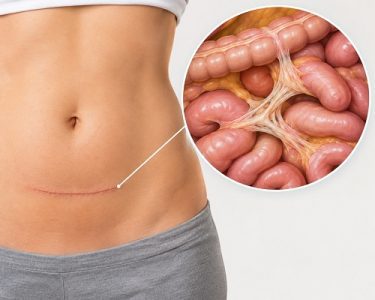
By Abdominal adhesions are bands of scar tissue that can develop inside the abdomen after surgery, infection, inflammation or other types of tissue injury. They can cause internal organs and tissues to stick together when they would normally move freely. Although surgery can treat adhesions and relieve complications, one important question remains: Can abdominal adhesions return after surgery?
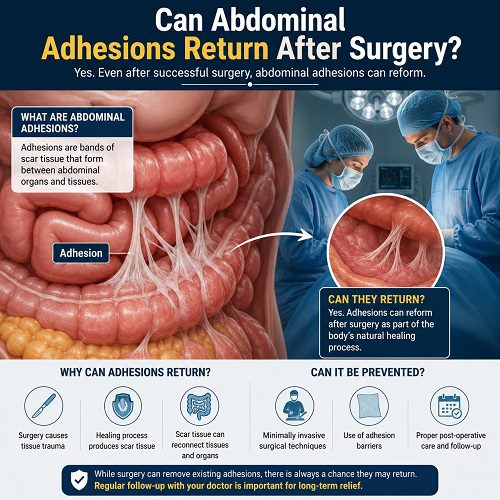
Yes, abdominal adhesions can return after surgery. In fact, the process of treating adhesions may itself cause new scar tissue to develop. This creates a difficult situation for both patients and surgeons because an operation performed to remove adhesions can sometimes lead to the formation of additional adhesions. Recurrent Abdominal Adhesions their symptoms, risk factors and treatment options can help patients recognise potential problems and seek medical attention when necessary.
What Are Abdominal Adhesions?
What Are Abdominal Adhesions? Abdominal adhesions are bands of fibrous scar tissue that form between tissues or organs inside the abdomen. Normally, abdominal organs have smooth surfaces that allow them to move against each other. After inflammation or tissue injury, the body’s natural healing process can produce scar tissue that connects nearby structures.
Adhesions may develop between:
- The small or large intestine
- The abdominal wall
- The uterus
- The ovaries or fallopian tubes
- The bladder
- Other abdominal or pelvic organs
Some adhesions cause no symptoms and may never require treatment. Others can restrict the movement of organs or cause the intestine to become twisted, compressed or blocked.
Previous abdominal surgery is one of the most common causes of Adhesions. The risk can increase after procedures involving extensive tissue handling or inflammation.
Can Abdominal Adhesions Return After Surgery?
Yes. Abdominal adhesions can recur after they have been surgically removed.
When adhesions are removed, the surgeon separates scar tissue from the affected organs or tissues. This procedure is called adhesiolysis. While adhesiolysis can release organs and restore their normal movement, the surgical manipulation itself causes some degree of tissue injury.
As the body heals, inflammation and scar formation can occur again. In some patients, this healing process results in new adhesions.
This does not necessarily mean that surgery has failed. Adhesions are a complex consequence of the body’s normal healing response, and preventing them completely can be difficult.
What Is Recurrent Abdominal Adhesions?
Recurrent Abdominal Adhesions refers to adhesions that develop again after previous adhesions have been treated or removed.
Recurrence can occur months or years after an operation. In some cases, new adhesions may develop relatively soon after surgery.
The likelihood of recurrence depends on several factors, including:
- The type of original surgery
- The extent of tissue injury
- The number of previous abdominal operations
- The presence of infection or inflammation
- Individual healing responses
- The location and severity of the adhesions
- Whether the surgery was performed through an open incision or minimally invasive technique
A person who has undergone several abdominal operations may have a higher risk of developing recurrent adhesions because each operation can potentially create additional scar tissue.
Why Do Adhesions Come Back?
The main reason adhesions can return is the body’s healing response.
During surgery, tissues may be cut, handled, dried or exposed to air. Even when a surgeon uses careful techniques, some tissue injury is unavoidable. The body responds by activating inflammation and repair mechanisms.
During healing, proteins and cells involved in tissue repair can create temporary connections between nearby surfaces. Ideally, these connections break down as healing progresses. However, when they persist and mature into fibrous scar tissue, an adhesion may develop.
Therefore, adhesion surgery presents a challenging balance. The surgeon needs to remove existing scar tissue while minimising additional tissue trauma that could contribute to future adhesion formation.
Does Every Patient Develop Adhesions Again?
No. Not everyone who undergoes adhesiolysis develops recurrent adhesions.
Some patients may have a successful procedure without developing significant new adhesions. Others may develop new adhesions but experience no symptoms.
It is also important to understand that the presence of adhesions does not automatically mean a person will have pain or bowel problems. Some people have extensive adhesions with few or no symptoms, while relatively limited adhesions can cause significant problems in others.
Symptoms of Recurrent Abdominal Adhesions
Symptoms depend on the location and severity of the adhesions.
Possible symptoms include:
1. Chronic or Recurrent Abdominal Pain
Abdominal pain is one of the symptoms commonly associated with adhesions. The discomfort may be persistent or may come and go.
Some people describe the pain as:
- Cramping
- Pulling
- Tightness
- Sharp or stabbing discomfort
- A dull ache
Pain may become more noticeable with movement, stretching or certain activities.
2. Bloating
Recurrent adhesions affecting the intestines may interfere with normal movement of intestinal contents. This can contribute to abdominal bloating or a feeling of fullness.
3. Constipation
Adhesions can sometimes interfere with the normal passage of stool through the bowel. This may result in constipation or changes in bowel habits.
4. Nausea and Vomiting
If adhesions cause partial or complete bowel obstruction, nausea and vomiting can occur.
5. Difficulty Passing Gas
A person experiencing an intestinal blockage may have difficulty passing gas or having a bowel movement.
6. Changes in Bowel Habits
Some people experience alternating constipation and diarrhoea or other changes in their normal bowel pattern.
7. Pelvic Pain
When adhesions affect pelvic organs, they may contribute to chronic pelvic discomfort.
However, these symptoms are not specific to adhesions. Other digestive, gynaecological and abdominal conditions can produce similar symptoms.
When Are Recurrent Adhesions Dangerous?
Many adhesions are harmless and do not require treatment. However, adhesions can occasionally cause a serious complication called intestinal obstruction.
An adhesion may pull or compress part of the intestine, preventing food, fluid and gas from passing normally.
Warning signs of a possible bowel obstruction include:
- Severe or worsening abdominal pain
- Persistent abdominal swelling
- Repeated vomiting
- Inability to pass stool
- Inability to pass gas
- Significant abdominal tenderness
- Fever or feeling very unwell
These symptoms require prompt medical evaluation. A complete bowel obstruction can become a medical emergency.
How Are Recurrent Abdominal Adhesions Diagnosed?
Diagnosing adhesions can be challenging because they are not always visible on routine imaging.
A doctor may begin with:
- A detailed medical history
- Physical examination
- Review of previous operations
- Assessment of symptoms
- Blood tests when appropriate
- Imaging studies when complications are suspected
CT scans may help identify complications such as bowel obstruction, although adhesions themselves may not always be clearly visible.
In some situations, adhesions are only definitively identified during surgery.
Doctors therefore consider the patient’s symptoms, surgical history and other possible causes before recommending Abdominal Adhesions treatment.
How Is Adhesiolysis Used to Treat Adhesions?
Adhesiolysis is a procedure in which a surgeon separates or cuts adhesions to release tissues or organs that have become attached.
It may be performed using:
- Laparoscopic surgery
- Open abdominal surgery
Laparoscopic adhesiolysis involves several small incisions through which surgical instruments and a camera are inserted. Open surgery involves a larger abdominal incision.
The choice depends on factors such as the severity and location of the adhesions, the patient’s medical history and whether there are complications such as bowel obstruction.
Can Adhesion Surgery Prevent Future Adhesions?
Surgeons can use several techniques to reduce the risk of new adhesions, although no approach can guarantee that adhesions will never develop again.
Potential strategies include:
- Gentle handling of tissues
- Minimising unnecessary tissue trauma
- Controlling bleeding carefully
- Keeping tissues appropriately moist
- Reducing inflammation
- Using minimally invasive surgical techniques when suitable
- Applying certain adhesion barriers in selected patients
Adhesion barriers are specialised materials that can be placed between tissues during surgery to reduce direct contact while healing occurs.
The suitability of an adhesion barrier depends on the individual procedure and clinical circumstances.
Laparoscopic vs Open Surgery for Adhesions
The surgical approach can influence adhesion formation.
Laparoscopic surgery generally involves smaller incisions and may result in less tissue handling than traditional open surgery. For suitable patients, minimally invasive surgery may therefore reduce some factors associated with adhesion formation.
However, laparoscopic surgery does not eliminate the risk.
Some complicated cases require open surgery, particularly when there are extensive adhesions, significant bowel involvement or other serious abdominal problems.
The safest approach depends on the patient’s specific condition rather than simply choosing one technique over another.
Can Recurrent Adhesions Be Prevented?
Complete prevention is not currently possible in every patient. However, certain measures may help reduce the risk.
Choosing the Appropriate Surgical Technique
When clinically appropriate, minimally invasive surgery may reduce tissue trauma.
Careful Surgical Technique
Surgeons can use meticulous techniques to minimise bleeding, tissue injury and unnecessary handling.
Treating Infection and Inflammation
Abdominal infection and inflammation can increase the likelihood of scar formation. Appropriate management may therefore be important.
Using Adhesion-Reduction Products
In selected operations, surgeons may use approved adhesion barriers to separate tissues temporarily during healing.
Avoiding Unnecessary Surgery
Because abdominal surgery can contribute to adhesion formation, doctors generally consider whether an operation is genuinely necessary before proceeding.
This does not mean patients should avoid necessary surgery. Rather, the potential benefits and risks should be discussed carefully with the surgical team.
Is Pain After Adhesion Surgery Always a Sign That Adhesions Have Returned?
No.
Pain after surgery does not automatically mean Recurrent Abdominal Adhesions have developed.
Surgical recovery can involve:
- Incisional pain
- Muscle discomfort
- Temporary inflammation
- Digestive changes
- Gas-related discomfort
- Constipation
- Other postoperative symptoms
If pain persists, becomes worse or is accompanied by vomiting, abdominal swelling, fever or changes in bowel movements, medical assessment is important.
A doctor may need to determine whether symptoms are related to adhesions or another postoperative condition.
How Long Can It Take for Adhesions to Return?
There is no single timeline.
Adhesion formation is part of the healing process and can begin relatively early after tissue injury. Mature scar tissue can develop over time.
Some patients may develop symptomatic problems relatively soon after surgery, while others may not experience symptoms for months or even years.
Importantly, symptoms appearing long after surgery do not necessarily prove that adhesions are responsible. Other conditions can develop during the same period.
Does Having Multiple Surgeries Increase the Risk?
Repeated abdominal operations can increase the opportunity for adhesion formation.
A patient who has had several abdominal surgeries may therefore have more extensive or complicated adhesions.
This can also make subsequent operations more technically challenging because organs may be attached to the abdominal wall or to one another.
For this reason, a surgeon may carefully review the patient’s previous operations before planning another procedure.
What Should You Ask Your Surgeon?
If you have previously undergone adhesion treatment and are concerned about recurrence, consider discussing the following questions with your doctor:
- What caused my original adhesions?
- How extensive were my adhesions?
- Were they removed using laparoscopic or open surgery?
- What is my individual risk of recurrence?
- Could my current symptoms be related to adhesions?
- Are there signs of bowel obstruction?
- Are further investigations necessary?
- Would another operation be beneficial or potentially increase my risk?
- What measures can be used to reduce adhesion formation during surgery?
These questions can help you understand the benefits and risks of further treatment.
When Should You Seek Urgent Medical Care?
Anyone with a history of abdominal surgery should take severe or rapidly worsening abdominal symptoms seriously.
Seek urgent medical attention if you develop:
- Severe abdominal pain
- Persistent vomiting
- Marked abdominal swelling
- Inability to pass gas or stool
- Fever with significant abdominal symptoms
- Fainting, severe weakness or other concerning symptoms
These signs can indicate bowel obstruction or another abdominal emergency and should not be managed at home without medical assessment.
Final Thoughts
So, can abdominal adhesions return after surgery? Yes. Abdominal adhesions can develop again after they have been surgically removed because surgery itself involves tissue injury and activates the body’s natural healing response.
Recurrent Abdominal Adhesions may cause no symptoms, but they can sometimes contribute to chronic abdominal or pelvic pain, bowel problems or intestinal obstruction. Adhesiolysis can release existing adhesions and may be necessary when complications occur, although it cannot guarantee that new adhesions will not form.
The decision to undergo further adhesion surgery should therefore be individualised. Doctors consider the severity of symptoms, previous surgical history, potential complications and the risks associated with another operation.
If you have previously undergone abdominal surgery and develop persistent or worsening abdominal symptoms, speak with a qualified healthcare professional. Prompt assessment is particularly important when symptoms suggest a possible bowel obstruction.
Medical Disclaimer
This article is intended for general educational purposes only and does not replace professional medical advice, diagnosis or treatment. Anyone experiencing severe abdominal pain, persistent vomiting, abdominal swelling or inability to pass stool or gas should seek urgent medical care.