 By
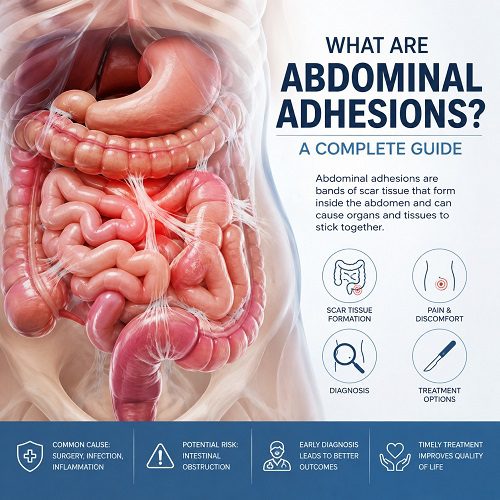
By Abdominal adhesions are bands of scar-like tissue that develop inside the abdomen and can cause tissues or organs to stick together. They are often associated with previous abdominal surgery, although they can also develop after inflammation, infection, certain medical conditions, radiation therapy, or other forms of abdominal injury.
For many people, abdominal adhesions never cause noticeable symptoms and may not require treatment. However, in some cases, these bands can pull, kink, twist, or compress the intestines. This may lead to chronic abdominal discomfort or, more seriously, an intestinal obstruction that requires urgent medical attention.
Understanding what causes adhesions, how they are diagnosed, and when treatment may be necessary can help people recognize potential warning signs and discuss appropriate care with a healthcare professional.
What Are Abdominal Adhesions?
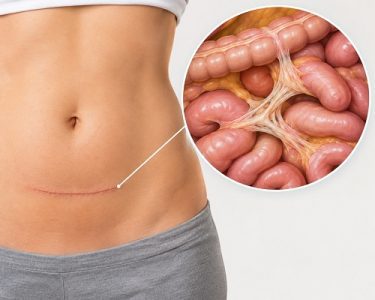
Abdominal adhesions are bands of fibrous, scar-like tissue that form inside the abdominal cavity. They can develop between two organs, between loops of intestine, or between an organ and the abdominal wall. Normally, abdominal organs can move against each other relatively freely. Adhesions can interfere with this normal movement by causing tissues to become attached.
Think of an adhesion as an internal scar. A scar on the skin is visible from the outside, but abdominal scar tissue develops internally and may connect surfaces that would normally remain separate.
Adhesions are particularly common after abdominal surgery. According to the National Institute of Diabetes and Digestive and Kidney Diseases (NIDDK), they develop in more than 9 out of 10 people who undergo surgery that opens the abdomen, although most people with adhesions do not develop symptoms or complications.
The presence of adhesions therefore does not automatically mean that a person has a serious health problem.
How Do Abdominal Adhesions Form?
The formation of adhesions is part of the body’s healing response.
When tissues inside the abdomen are injured or inflamed, the body begins a repair process. Inflammation occurs, and proteins involved in healing are deposited around the damaged area. As the tissue heals, fibrous scar tissue can develop.
Normally, damaged surfaces eventually heal without permanently sticking together. In some situations, however, fibrous tissue connects nearby surfaces. These connections become adhesions.
Surgery is the most common cause, but it is not the only one. Adhesions can also develop following abdominal infections, inflammatory diseases, endometriosis, pelvic inflammatory disease, diverticular disease, peritonitis, radiation therapy, or long-term peritoneal dialysis. Some adhesions can also be present from birth.
Common Causes of Abdominal Adhesions
1. Abdominal Surgery
Previous surgery is the leading cause of abdominal adhesions. Both open and laparoscopic procedures can potentially result in adhesion formation, although adhesions are generally less common after laparoscopic surgery than after open surgery.
The risk may be higher following emergency operations, pelvic surgery, or procedures involving the lower digestive tract, including the colon and rectum. Multiple abdominal surgeries may also increase the likelihood of developing adhesions.
2. Abdominal Infections and Inflammation
Inflammation can damage the surfaces of abdominal tissues and contribute to adhesion formation. Conditions such as peritonitis, diverticular disease, Crohn’s disease, and certain abdominal infections may therefore be associated with adhesions.
3. Endometriosis
Endometriosis can cause inflammation and scarring in the pelvic and abdominal areas. Over time, this may contribute to adhesions involving reproductive organs, bowel, or surrounding tissues.
4. Radiation Therapy
Radiation treatment involving the abdomen or pelvis can cause tissue injury and inflammation. In some cases, this healing process may contribute to abdominal scar tissue and adhesions.
5. Other Medical Conditions
Pelvic inflammatory disease, peritonitis, and long-term peritoneal dialysis are among the other situations associated with adhesion formation.
What Symptoms Can Abdominal Adhesions Cause?
Most abdominal adhesions do not cause symptoms. When symptoms occur, chronic abdominal pain is one of the most common complaints.
Abdominal Adhesions Symptoms can vary considerably depending on where the adhesions form and whether they interfere with the normal movement of organs or intestines.
Possible symptoms include:
- Abdominal pain or discomfort
- Cramping
- Bloating
- Abdominal swelling or distension
- Nausea
- Vomiting
- Constipation
- Difficulty passing gas
- Recurrent digestive discomfort
Importantly, these symptoms are not specific to abdominal adhesions. Many other digestive and abdominal conditions can produce similar symptoms. This is why persistent or unexplained abdominal symptoms should be evaluated by a healthcare professional.
Abdominal Adhesions and Intestinal Obstruction
One of the most important complications associated with adhesions in the abdomen is intestinal obstruction.
An adhesion can pull or kink a loop of intestine, narrowing or blocking the passage of food, fluids, air, and stool. Adhesions are the most common cause of small-bowel obstruction.
A partial obstruction may allow some material to pass through, while a complete obstruction can prevent intestinal contents from moving forward.
Warning signs may include:
- Severe or worsening abdominal pain
- Cramping
- Significant bloating or abdominal swelling
- Nausea and vomiting
- Inability to pass gas
- Inability to have a bowel movement
A complete intestinal obstruction can become life-threatening because prolonged blockage can compromise blood flow to the intestine and potentially result in tissue damage or peritonitis.
Seek emergency medical attention immediately if severe abdominal pain, repeated vomiting, significant abdominal swelling, or inability to pass stool or gas occurs.
Can Abdominal Adhesions Cause Chronic Pain?
Yes, abdominal adhesions can sometimes be associated with chronic abdominal or pelvic pain. Adhesions may restrict the normal movement of organs or tissues and can create tension when the body moves or when organs expand and contract.
However, determining whether adhesions are actually responsible for chronic pain can be difficult. Many people have adhesions without pain, and chronic abdominal pain can have numerous other causes.
For this reason, doctors generally consider the patient’s complete medical history, symptoms, previous surgeries, physical examination, and other possible diagnoses before recommending treatment.
How Are Abdominal Adhesions Diagnosed?
Diagnosing abdominal adhesions can be challenging because the adhesions themselves usually cannot be directly seen on standard imaging tests.
A healthcare professional may begin by asking about:
- Previous abdominal or pelvic surgeries
- The timing and pattern of symptoms
- Previous abdominal infections
- Digestive conditions
- Bowel movements and gas passage
- Previous episodes of intestinal obstruction
A physical examination may also be performed.
Imaging Tests
CT scans and abdominal X-rays generally cannot directly identify most adhesions. However, they can help doctors identify an intestinal obstruction or rule out other conditions that could be causing symptoms.
Depending on the situation, doctors may use:
- CT scans
- Abdominal X-rays
- Contrast studies
- Other gastrointestinal imaging tests
Imaging can be particularly useful when a bowel obstruction is suspected because it can help determine its location and severity.
Surgery for Diagnosis
In some circumstances, doctors may recommend laparoscopic or open surgery to look inside the abdomen. Surgery can allow a surgeon to directly identify adhesions and, when appropriate, treat them during the same procedure.
Because surgery itself can lead to new adhesions, doctors carefully weigh the potential benefits against the risks.
How Are Abdominal Adhesions Treated?
Abdominal Adhesions Treatment depends on whether the adhesions are causing symptoms or complications.
No Treatment May Be Necessary
If abdominal adhesions do not cause symptoms or complications, treatment is usually unnecessary. Many people live with adhesions without knowing they have them.
Doctors may instead monitor symptoms and investigate other potential causes of abdominal discomfort.
Treating Adhesion-Related Problems
When adhesions cause significant complications, a procedure called adhesiolysis may be considered. During adhesiolysis, a surgeon cuts and releases the bands of scar tissue that are restricting tissues or organs.
Depending on the circumstances, the procedure may be performed using minimally invasive laparoscopic surgery or through open surgery.
However, surgery is not a simple solution for every person. A major consideration is that surgery can itself cause new abdominal adhesions. Therefore, healthcare professionals generally recommend surgical treatment when the expected benefits outweigh the potential risks.
Treatment of Adhesion-Related Bowel Obstruction
An intestinal obstruction caused by abdominal adhesions may require hospital treatment.
Doctors may initially use supportive measures such as intravenous fluids and, in appropriate cases, a tube passed through the nose into the stomach to remove accumulated digestive contents. Some partial obstructions can resolve without surgery.
A complete obstruction or an obstruction that does not resolve may require emergency surgery to release the adhesion and restore the passage through the intestine.
Because bowel obstruction can become life-threatening, suspected obstruction should never be managed solely with home remedies.
Can Abdominal Adhesions Be Prevented?
There is no guaranteed way to prevent abdominal adhesions, particularly when surgery or significant inflammation is medically necessary.
However, surgeons can take measures designed to reduce the risk. These may include choosing laparoscopic surgery when appropriate, handling tissues carefully, minimizing unnecessary tissue trauma, and using specialized adhesion barriers in selected procedures.
Laparoscopic procedures generally involve smaller incisions than traditional open abdominal surgery and are associated with a lower risk of adhesion formation, although they do not eliminate the possibility.
Do Diet and Nutrition Cause Abdominal Adhesions?
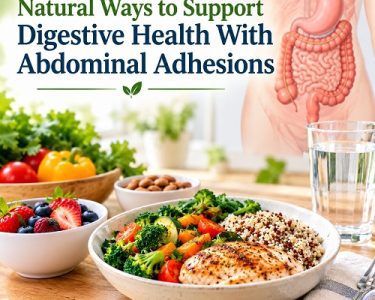
There is no established evidence that particular foods cause abdominal adhesions or that a specific diet can prevent them.
For people who have a partial intestinal obstruction, a healthcare professional may sometimes recommend dietary adjustments, such as softer or lower-fiber foods, depending on the individual’s condition. Such dietary recommendations should be individualized and should not be used as a substitute for medical evaluation.
If someone has symptoms suggesting an intestinal obstruction, changing the diet at home is not an appropriate substitute for urgent medical care.
Are Abdominal Adhesions Dangerous?
Abdominal adhesions themselves are often harmless. The majority do not cause symptoms or complications.
The concern arises when adhesions interfere with organs or intestinal function.
Potential complications include:
- Small-bowel obstruction
- Chronic abdominal or pelvic pain
- Problems involving fertility in some women
- Intestinal damage associated with severe obstruction
- Peritonitis in serious cases
The risk varies from person to person and depends on factors such as the location and extent of the adhesions and the individual’s medical history.
When Should You See a Doctor?
You should discuss persistent or unexplained abdominal pain with a healthcare professional, particularly if you have previously undergone abdominal or pelvic surgery.
Medical evaluation is especially important if abdominal symptoms are accompanied by:
- Persistent vomiting
- Increasing abdominal swelling
- Severe or worsening pain
- Inability to pass gas
- Inability to have a bowel movement
- Fever or rapid heartbeat
These symptoms can occur with intestinal obstruction or other serious abdominal conditions. Complete obstruction can be life-threatening and requires immediate medical attention.
Living With Abdominal Adhesions
Having abdominal adhesions does not necessarily mean you will experience ongoing health problems.
Many people never develop symptoms and treatment is not normally required when adhesions are not causing complications. The most important step is understanding your own medical history and recognizing symptoms that could indicate a bowel obstruction.
If you have ongoing abdominal pain after surgery, keep track of when the pain occurs, what it feels like, and whether it is associated with eating, bowel movements, bloating, nausea, or other symptoms. This information can help your healthcare professional investigate possible causes.
Avoid assuming that every episode of abdominal discomfort is caused by adhesions. Conditions such as hernias, gastrointestinal disorders, infections, inflammatory diseases, and other problems can cause similar symptoms.
Frequently Asked Questions About Abdominal Adhesions
Can abdominal adhesions go away on their own?
Some adhesions may change over time, but established adhesions generally do not simply disappear like a temporary inflammation. If they are not causing symptoms or complications, doctors often leave them alone rather than performing surgery because surgery can create additional adhesions.
How long after surgery can adhesions develop?
Adhesions can develop following surgery, and symptoms or complications may appear long after the original operation—even years later.
Can adhesions cause bloating?
Yes. Adhesions can contribute to bloating when they interfere with normal intestinal movement or contribute to an intestinal obstruction. However, bloating has many possible causes and does not automatically indicate adhesions.
Can abdominal adhesions cause infertility?
Pelvic or abdominal adhesions can sometimes interfere with reproductive organs and contribute to infertility in women. The specific impact depends on where the adhesions form and which structures they affect.
Is surgery always needed for abdominal adhesions?
No. Most abdominal adhesions do not require treatment. Surgery may be considered when adhesions cause significant complications such as intestinal obstruction or certain fertility problems.
Final Thoughts
Abdominal adhesions are internal bands of scar-like tissue that can develop after surgery, inflammation, infection, or other forms of abdominal injury. They are common, particularly after open abdominal surgery, but many people never experience symptoms.
The most important potential complication is intestinal obstruction. Severe abdominal pain, vomiting, abdominal swelling, and inability to pass gas or stool can indicate a serious blockage and require urgent medical assessment.
Diagnosis can be challenging because routine imaging often cannot directly show adhesions. Doctors instead combine medical history, physical examination, imaging to identify complications, and—in selected cases—surgical evaluation.
Treatment is not necessary for everyone. When adhesions cause significant problems, surgical release may be considered, but doctors must balance the potential benefits against the possibility that another operation could create additional scar tissue.
If you have persistent abdominal symptoms, particularly after previous abdominal surgery, speak with a qualified healthcare professional for an appropriate evaluation and personalized treatment plan.
Medical Disclaimer: This article is intended for general educational purposes and should not replace professional medical advice, diagnosis, or treatment. Anyone experiencing severe abdominal pain, persistent vomiting, significant swelling, or inability to pass stool or gas should seek urgent medical attention.