
 By
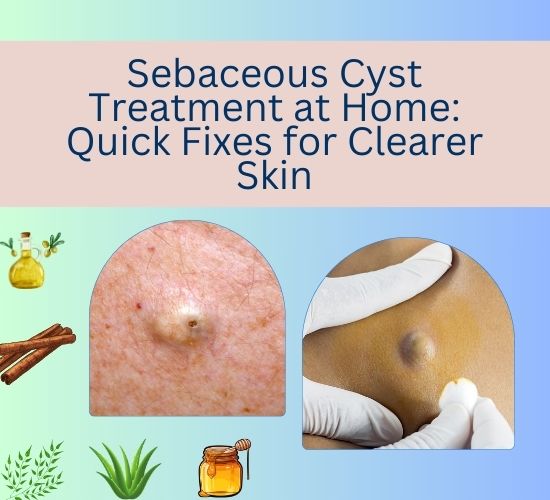
Sebaceous cysts are noncancerous, closed pockets of tissue that can form anywhere on your body. They contain a yellowish, oily substance called sebum. While they are generally harmless, sebaceous cysts can sometimes become infected, leading to discomfort and a need for treatment. Effective home remedies for infected sebaceous cyst treatment and offer tips for clearer, healthier skin.
Understanding Sebaceous Cysts
Sebaceous cysts form due to blockages in the sebaceous glands, which are responsible for producing sebum. This oily substance lubricates the skin and hair. Blockages can occur for various reasons, including skin trauma, swollen hair follicles, or high levels of testosterone.
An infected sebaceous cyst is characterized by redness, swelling, tenderness, and sometimes a foul-smelling discharge. If left untreated, it can lead to more severe infections and complications. Therefore, understanding how to manage and treat these cysts at home is crucial.
How to Dissolve a Cyst Naturally
Cysts are small, closed sacs that can develop under the skin or in different parts of the body. They may contain fluid, air, or other material and can vary in size. Although many cysts are harmless, some may cause discomfort, swelling, tenderness, or inflammation. People often search for how to dissolve a cyst naturally because they want gentle ways to manage cyst-related symptoms at home. However, natural remedies cannot reliably dissolve or remove every type of cyst, and treatment depends on its location and cause.
Several home-care methods may help reduce irritation and discomfort. Applying a warm compress to the affected area for 10–15 minutes several times daily may encourage natural drainage in certain superficial cysts. Keep the area clean and avoid unnecessary pressure or friction. Gentle skin cleansing can also help prevent irritation. Never squeeze, puncture, or attempt to drain a cyst yourself, as this may cause infection, inflammation, or scarring.
A healthy lifestyle may support overall skin health. Eating a balanced diet containing fruits, vegetables, whole grains, and adequate protein provides nutrients that support normal skin function. Drinking enough water and maintaining good personal hygiene are also beneficial. However, foods, herbal preparations, apple cider vinegar, and essential oils have not been proven to dissolve cysts. Applying irritating substances directly to a cyst may make symptoms worse.
Before deciding how to dissolve a cyst naturally, it is important to identify the type of cyst. Some cysts disappear without treatment, while others may require medical drainage, medication, or surgical removal. A healthcare professional can examine the lump and recommend appropriate treatment.
Seek medical advice if a cyst becomes painful, red, warm, rapidly enlarges, or starts producing pus. Fever or spreading redness may indicate an infection requiring prompt attention. Never rely exclusively on home remedies when a cyst shows signs of infection or unusual changes.
Related Articles: Effective Remedies for Infected Sebaceous Cysts: Heal Faster with These Tips
Quick Fixes for Infected Sebaceous Cyst Treatment at Home
1. Warm Compress
Applying a warm compress is one of the simplest and most effective home remedies for an infected sebaceous cyst. The warmth helps increase blood circulation, which can speed up the healing process and encourage the cyst to drain naturally.
How to Use:
- Soak a clean cloth in warm water.
- Wring out the excess water and apply the cloth to the cyst.
- Hold the compress on the cyst for about 15-20 minutes.
- Repeat this process 3-4 times daily.
2. Tea Tree Oil
Tea tree oil is renowned for its antiseptic and anti-inflammatory properties, making it an excellent remedy for treating infected sebaceous cysts.
How to Use:
- Mix a few drops of tea tree oil with a carrier oil like coconut oil.
- Apply the mixture directly to the cyst using a cotton swab.
- Leave it on for several hours or overnight.
- Repeat daily until the cyst improves.
Related Articles: Sebaceous Cyst Treatment Non Surgical: What You Need To Know
3. Apple Cider Vinegar
Apple cider vinegar has antibacterial properties that can help fight infection and reduce inflammation in an infected sebaceous cyst.
How to Use:
- Dilute apple cider vinegar with water (1 part vinegar to 2 parts water).
- Soak a cotton ball in the solution and apply it to the cyst.
- Secure the cotton ball with a bandage and leave it on for 15-20 minutes.
- Rinse the area with water and repeat twice daily.
4. Aloe Vera
Aloe vera is known for its soothing and healing properties, which can help reduce inflammation and promote healing of an infected sebaceous cyst.
How to Use:
- Extract fresh aloe vera gel from a leaf.
- Apply the gel directly to the cyst.
- Leave it on for 20-30 minutes, then rinse with lukewarm water.
- Use this remedy 2-3 times a day.
Related Articles: 10 Natural Remedies for Sebaceous Cyst
5. Turmeric Paste
Turmeric has powerful antibacterial and anti-inflammatory properties, making it an effective natural remedy for infected sebaceous cysts.
How to Use:
- Mix turmeric powder with water to form a thick paste.
- Apply the paste directly to the cyst and cover it with a clean bandage.
- Leave it on for a few hours or overnight.
- Repeat daily until the cyst heals.
6. Epsom Salt Bath
Epsom salt can help reduce inflammation and promote drainage of the cyst by drawing out the infection.
How to Use:
- Add ½ cup of Epsom salt to a warm bath.
- Soak the affected area in the bath for 15-20 minutes.
- Repeat this process daily for best results.
7. Honey
Honey is a natural antiseptic and can help soothe and heal an infected sebaceous cyst.
How to Use:
- Apply a small amount of raw honey directly to the cyst.
- Cover with a clean bandage and leave it on for several hours or overnight.
- Rinse with lukewarm water and repeat daily.
Related Articles: Sebaceous Cyst Natural Herbal Remedies for Skin Glands
8. Garlic
Garlic has strong antibacterial properties that can help fight infection and reduce inflammation in an infected sebaceous cyst.
How to Use:
- Crush a few garlic cloves to extract the juice.
- Apply the juice directly to the cyst using a cotton swab.
- Leave it on for 15-20 minutes, then rinse with water.
- Repeat twice daily.
9. Castor Oil
Castor oil is known for its anti-inflammatory and antibacterial properties, which can help treat infected sebaceous cysts.
How to Use:
- Apply a few drops of castor oil directly to the cyst.
- Cover the area with a warm compress for 20-30 minutes.
- Repeat this process twice daily.
10. Baking Soda Paste
Baking soda can help draw out the infection and reduce inflammation in an infected sebaceous cyst.
How to Use:
- Mix baking soda with water to form a thick paste.
- Apply the paste directly to the cyst.
- Leave it on for 15-20 minutes, then rinse with water.
- Use this remedy once daily.
Related Articles: The Basics of Infected Sebaceous Cyst Removal
Preventing Sebaceous Cysts
While it may not always be possible to prevent sebaceous cysts, there are several steps you can take to reduce the risk of developing them:
- Maintain Good Hygiene: Regularly cleanse your skin to prevent clogged pores and hair follicles.
- Avoid Skin Trauma: Try to avoid activities that may cause skin trauma or irritation.
- Use Non-Comedogenic Products: Choose skin care products that do not clog pores.
- Manage Hormone Levels: If you have hormone-related issues, consult a healthcare professional for appropriate management.
When to See a Doctor
While home remedies can be effective, there are times when it is essential to seek medical attention for an infected sebaceous cyst:
- Severe Pain or Swelling: If the cyst is causing significant discomfort or swelling.
- Persistent Infection: If the infection does not improve with home treatment.
- Fever or Chills: These could be signs of a more serious infection.
- Rapid Growth: If the cyst grows quickly or changes in appearance.
A healthcare professional may drain the cyst or prescribe antibiotics to treat the infection. In some cases, surgical removal may be necessary to prevent recurrence.
Frequently Asked Questions (FAQs)
1. Can a sebaceous cyst go away naturally?
Yes, some small sebaceous cysts may remain stable or shrink over time. However, many cysts do not disappear completely without medical treatment. Avoid squeezing or popping the cyst, as this can cause irritation, infection or scarring.
2. What is the best home treatment for a sebaceous cyst?
A warm compress is one of the safest home-care options for a small, uncomplicated cyst. Apply a clean cloth soaked in warm water to the affected area for 10–15 minutes several times daily. This may help relieve discomfort, but it will not necessarily remove the cyst.
3. Does tea tree oil help remove sebaceous cysts?
There is insufficient scientific evidence that tea tree oil can remove sebaceous cysts. Undiluted tea tree oil may irritate the skin or cause an allergic reaction. It is better to avoid applying it directly to the cyst.
4. Can apple cider vinegar dissolve a sebaceous cyst?
No reliable clinical evidence shows that apple cider vinegar dissolves sebaceous cysts. Applying vinegar directly to the skin may cause irritation or chemical burns, so it should not be used as a cyst treatment.
5. Is it safe to squeeze or pop a sebaceous cyst?
No. Squeezing, cutting or popping a cyst at home can introduce bacteria, increase inflammation and cause infection or scarring. A healthcare professional can recommend the safest treatment.
6. How can I tell if a sebaceous cyst is infected?
Common signs of an infected cyst include redness, swelling, increasing pain, warmth and pus or foul-smelling discharge. Fever or chills may indicate a more serious infection. Seek medical attention if these symptoms develop.
7. How long does a sebaceous cyst take to disappear?
The time varies depending on the cyst’s size, cause and condition. Some cysts remain for months or years without causing problems. Others may become inflamed or infected. A persistent cyst may require professional treatment or surgical removal.
8. When should I see a doctor for a sebaceous cyst?
Consult a healthcare professional if the lump grows, becomes painful, changes appearance, feels hot or shows signs of infection. You should also have any new or unexplained skin lump examined to confirm the diagnosis.
9. Can a sebaceous cyst come back after treatment?
Yes. A cyst may return if its surrounding sac or capsule remains after drainage. Complete surgical removal of the cyst and its capsule can reduce the likelihood of recurrence.
10. Can natural remedies completely remove sebaceous cysts?
Natural remedies have not been scientifically proven to remove sebaceous cysts completely. Warm compresses may help with mild discomfort, but persistent or problematic cysts may require medical treatment.
Conclusion
Sebaceous cysts are common and generally harmless, but they can become problematic when infected. Using home remedies like warm compresses, tea tree oil, apple cider vinegar, and aloe vera can effectively treat infected sebaceous cysts and promote healing. However, it is important to monitor the cyst and seek medical attention if necessary. By maintaining good hygiene and taking preventive measures, you can reduce the risk of developing sebaceous cysts and enjoy clearer, healthier skin.
Medical Disclaimer
The information provided in this article, Sebaceous Cyst Treatment at Home: Quick Fixes for Clearer Skin, is intended for educational and informational purposes only. It should not be considered a substitute for professional medical advice, diagnosis or treatment.
Although home-care methods such as warm compresses may help relieve mild discomfort and swelling, they are not guaranteed to remove sebaceous cysts or cure infections. Natural ingredients and herbal remedies have not been scientifically proven to eliminate these cysts. Avoid squeezing, puncturing or attempting to drain a cyst at home, as this may cause infection, inflammation or scarring.
Always consult a qualified healthcare professional or dermatologist before trying new treatments, especially if the cyst becomes painful, swollen, red, rapidly grows or produces pus. Seek prompt medical attention if you experience fever or chills.
Never delay professional medical care or disregard medical advice because of information found in this article. Treatment should always be based on an individual’s medical condition and the advice of a qualified healthcare professional.