 By
By Osteomyelitis is a severe infection of the bone and bone marrow that develops when bacteria enter the bloodstream, an injury, or a nearby tissue and settle deep within the skeletal system. This infection triggers inflammation, bone destruction, and significant pain, and because children have rapidly growing bones with a rich blood supply, they are especially vulnerable to developing this condition. If not recognized quickly, osteomyelitis can progress rapidly, leading to complications such as abscess formation, impaired bone growth, or chronic infection. The disease often begins subtly, which makes early recognition challenging for parents and caregivers.
With a clear understanding of the disease, it becomes easier to recognize how childhood osteomyelitis begins and why certain early warning signs should never be ignored. Many early symptoms resemble routine childhood issues—such as mild pain, limping, fever, or irritability—leading parents to assume it is a minor injury or a viral illness. This delay in recognition allows the infection to spread deeper into the bone. Online, parents frequently encounter misleading claims or trending topics such as the secret remedies for osteomyelitis big pharma doesn’t want you to know or suggestions like get relief from osteomyelitis naturally with osteton remedies. Although these phrases often attract attention, medical evaluation remains essential for correct diagnosis and safe treatment. When parents understand the nature of osteomyelitis, its causes, and its progression, they are better equipped to identify the warning signs early and seek the timely care that can prevent long-term damage.
What is Osteomyelitis?
Osteomyelitis is an infection of the bone and bone marrow that leads to inflammation, pain, and sometimes permanent bone damage if not treated promptly. It can affect people of all ages but is particularly serious in children due to their growing bones.
Causes of Osteomyelitis
The following are the causes of osteomyelitis.
Bacterial Infection
Most commonly caused by Staphylococcus aureus, bacteria can reach the bone through the bloodstream, nearby tissue, or open wounds.
Trauma or Surgery
Fractures, puncture wounds, or surgical procedures can introduce bacteria directly into bone.
Immune System Weakness
Children with chronic illnesses or weakened immunity are more susceptible.
Nonbacterial Causes
In some cases, an inflammatory response triggers bone infection without bacteria, known as childhood nonbacterial osteomyelitis.
Symptoms of Osteomyelitis
- Localized bone pain or tenderness
- Swelling, redness, and warmth around the affected area
- Fever and general malaise
- Limping or refusal to use a limb in children
- Fatigue and irritability
Types of Osteomyelitis
Below are the types of osteomyelitis.
Acute Osteomyelitis
Develops quickly, with sudden pain, swelling, and fever.
Chronic Osteomyelitis
Long-lasting infection that may recur or persist despite treatment.
Hematogenous Osteomyelitis
Infection spreads through the bloodstream, common in children.
Direct or Contiguous Osteomyelitis
Infection reaches bone from nearby tissues or injuries.
Childhood Nonbacterial Osteomyelitis
An inflammatory bone condition without a bacterial cause.
Understanding Osteomyelitis in Children
Osteomyelitis is a serious infection of the bone or bone marrow. In children, it most often develops in long bones such as the femur, tibia, and humerus. The infection may reach the bone through the bloodstream, from a nearby infected area, or due to an open injury. Many parents associate it with phrases like osteomyelitis bone marrow infection, which reflects its true nature.
Although osteomyelitis can occur at any age, children are more vulnerable because their bones grow rapidly, and the blood supply to growth plates creates pathways for bacteria to settle.
Causes of Osteomyelitis in Children
Osteomyelitis develops when bacteria, fungi, or other pathogens infect bone tissues. The most common cause is Staphylococcus aureus, a bacterium normally found on the skin and inside the nose. In children, the infection can begin due to:
Bloodstream Spread (Hematogenous Infection)
This is the most common route. An infection elsewhere in the body—such as a throat infection, ear infection, or a simple cut—can enter the bloodstream and travel to bone.
Direct Spread from Nearby Tissues
If a child has a skin infection, cellulitis, or abscess near a bone, bacteria can spread directly into deeper tissues.
Traumatic Injuries
Fractures, wounds, punctures, or surgical procedures sometimes allow bacteria to access bone.
Weak Immune System
Children with chronic illnesses or immune-suppression are more vulnerable.
Childhood Nonbacterial Osteomyelitis
Not all cases are caused by microbes. Some children develop childhood nonbacterial osteomyelitis, an autoinflammatory condition where the immune system attacks bone tissues. Unlike infectious osteomyelitis, it does not respond to antibiotics and requires specialized management.
How the Disease Develops
Once pathogens reach bone tissue, several events occur:
- Bacteria multiply rapidly inside the bone marrow.
- The immune system triggers inflammation in an attempt to control the infection.
- Swelling increases the pressure inside the bone.
- Blood supply becomes restricted.
- Bone tissue begins to die if not treated immediately.
Because this process develops quickly in children, early recognition is critical.
Symptoms of Osteomyelitis in Children
The symptoms of osteomyelitis may start subtly, which is why early signs are often overlooked. Parents may misinterpret them as minor injuries or growing pains.
Local Pain and Tenderness
A child may feel sharp, throbbing, or deep pain in the infected area. The pain worsens with movement or pressure.
Swelling and Warmth
Inflamed bone tissue causes the surrounding skin to become swollen, warm, and sometimes red.
Fever
High fever may accompany the infection, although some children may have only mild fever or none at all.
Limping or Refusal to Use Limb
A child may avoid walking, lifting, or using a limb due to pain.
Fatigue and Irritability
Children may appear unusually tired or cranky.
Limited Range of Motion
Nearby joints become stiff or difficult to move.
General Feeling of Illness
Even if fever is absent, a child may feel unwell, weak, or lose appetite.
Parents sometimes explore alternatives like natural remedies for osteomyelitis, can osteomyelitis be cured without surgery, or natural herbal treatment for osteomyelitis and symptoms, causes, but medical diagnosis remains essential as the infection can become life-threatening.
Diagnosis of Childhood Osteomyelitis
Accurate diagnosis involves a combination of medical history, physical examination, and tests.
Blood Tests
These help identify infection markers such as elevated white blood cells and inflammatory proteins.
Imaging Tests
- X-ray: Detects early bone changes.
- MRI: Most accurate for detecting early infection and tissue involvement.
- Ultrasound: Helps detect fluid collections or abscesses.
Bone Cultures or Biopsy
Samples may be taken to identify the exact pathogen responsible. Early diagnosis ensures faster treatment and reduces the risk of complications.
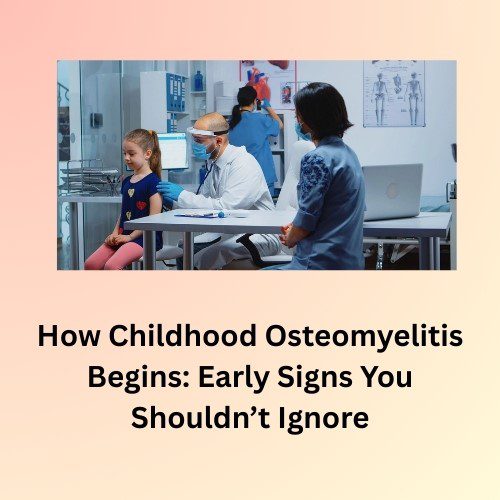
How Childhood Osteomyelitis Begins: Early Signs You Shouldn’t Ignore
Now that the disease is understood, we can focus on How Childhood Osteomyelitis Begins. The infection often starts with small, subtle symptoms that slowly intensify.
Parents should watch for:
Sudden Pain in a Limb Without Injury
If a child wakes up with unexplained pain or avoids putting weight on one leg, osteomyelitis could be starting.
Persistent, Localized Pain
Pain that does not improve with rest, massage, or simple painkillers should raise concern.
Mild Fever with Limb Pain
A combination of fever and bone pain—even a low-grade fever—can be an early sign.
Warmth or Swelling in One Area
A noticeable increase in warmth over a bone is an early warning sign.
Refusal to Walk, Crawl, or Move
In young children, refusal to use a limb often indicates pain deep inside the bone. Recognizing these signs early allows treatment to begin before irreversible bone damage occurs.
Treatment of Childhood Osteomyelitis
Prompt treatment is essential to prevent long-term complications. Treatment usually involves:
Antibiotics
Intravenous (IV) antibiotics are given first, followed by oral antibiotics.
Drainage Procedures
If an abscess forms, surgical drainage may be required.
Surgery
In severe cases, dead bone tissue must be removed.
Rest and Immobilization
The affected area may need rest or a cast for support.
Some families explore supportive options such as cure osteomyelitis naturally, but these should never replace prescribed antibiotic therapy.
Guidelines for Duration of Treatment Childhood Osteomyelitis
The guidelines for duration of treatment childhood osteomyelitis depend on severity and organism type. Generally:
- IV antibiotics: 2–4 weeks
- Oral antibiotics: 2–6 weeks
- Total duration: 4–8 weeks or longer for complicated cases
Children with chronic or recurrent infection may require extended therapy.
Long Term Effects of Childhood Osteomyelitis
If treated early and correctly, most children recover fully. However, delayed diagnosis or inadequate treatment can cause serious long-term effects.
Growth Plate Damage
If infection affects the growth plate, it may cause unequal limb length.
Chronic Osteomyelitis
Infection may reappear months or years later.
Bone Deformities
Weakening of bone structure can lead to deformity.
Reduced Joint Mobility
Nearby joints may develop stiffness or arthritis.
Recurrent Pain
Some children experience intermittent pain in adulthood.
Understanding the long term effects of childhood osteomyelitis highlights the importance of early diagnosis and complete treatment.
Childhood Nonbacterial Osteomyelitis—A Unique Condition
As mentioned earlier, childhood nonbacterial osteomyelitis is an inflammatory bone disorder without bacterial infection. Children with CNO may experience:
- Chronic pain
- Swelling
- Recurring episodes
- Multiple bone involvement
Unlike infectious osteomyelitis, antibiotics are ineffective. Treatment includes anti-inflammatory medications, physical therapy, and long-term monitoring.
Final Thoughts
Childhood osteomyelitis is a potentially severe condition that requires immediate medical attention. Recognizing its early signs—such as sudden bone pain, swelling, fever, or refusal to use a limb—can greatly improve treatment outcomes. The disease progresses quickly, but with the right diagnosis, proper antibiotics, and adherence to the guidelines for duration of treatment childhood osteomyelitis, most children recover fully and return to normal activities.
Understanding the disease, identifying its causes and symptoms, and acting quickly are essential responsibilities for parents. Whether the concern is bacterial osteomyelitis or childhood nonbacterial osteomyelitis, timely medical guidance ensures a safe and successful recovery. Alternative topics such as Cure Osteomyelitis Naturally may try to attract attention, but only professional medical treatment can fully eradicate bone infection and prevent complications.
By staying informed and alert, parents can protect their child’s health and prevent the long term effects of childhood osteomyelitis, ensuring a healthier and brighter future.