 By
By Hydrocele is a relatively common condition that affects males of all ages, from newborns to older adults. It is characterized by the accumulation of fluid around one or both testicles, leading to noticeable swelling in the scrotum. While it is generally considered a benign and non-life-threatening condition, many individuals are understandably concerned about whether it can cause discomfort or pain.
The question of Hydrocele Pain is one of the most frequently asked by patients experiencing scrotal swelling. Some individuals report no discomfort at all, while others describe a dull ache, heaviness, or even intermittent pain. This variation often depends on the size of the hydrocele, underlying causes, and individual sensitivity.
What Is a Hydrocele?
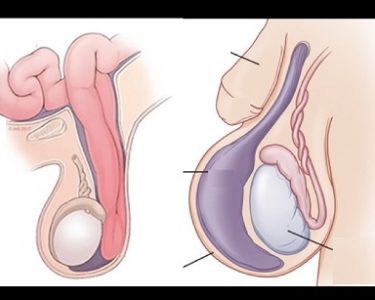
A hydrocele occurs when fluid collects in the thin sac (known as the tunica vaginalis) that surrounds the testicle. This fluid buildup leads to swelling in the scrotum, which may appear on one side (unilateral) or both sides (bilateral).
Types of Hydrocele
Hydroceles can be broadly classified into two main types:
1. Congenital Hydrocele
- Present at birth
- Common in newborn boys
- Occurs when the passage between the abdomen and scrotum does not close properly
- Often resolves on its own within the first year of life
2. Acquired Hydrocele
- Develops later in life
- More common in adult men
- Can result from injury, infection, inflammation, or underlying medical conditions
Does Hydrocele Cause Pain?
Generally Painless Condition
In most cases, hydroceles do not cause significant pain. Many individuals experience only swelling without any discomfort. This is why hydroceles are often discovered incidentally during routine examinations or self-checks.
Understanding Hydrocele Pain
Although typically painless, Hydrocele Pain can occur under certain circumstances. The level of discomfort can vary from mild irritation to more noticeable aching sensations.
Causes of Hydrocele Pain
- Increased Size of the Hydrocele
As the fluid accumulates, the scrotum may enlarge significantly. This can lead to:- A feeling of heaviness
- Mild stretching pain
- Discomfort while walking or sitting
- Pressure on Surrounding Structures
A large hydrocele can exert pressure on nearby tissues, nerves, and blood vessels, contributing to discomfort. - Infection or Inflammation
If the hydrocele is associated with infections such as epididymitis or orchitis, pain may become more pronounced. - Trauma or Injury
Any physical impact to the scrotal area can cause tenderness and amplify Hydrocele Pain. - Underlying Conditions
In some cases, hydroceles may be linked to:- Inguinal hernia
- Testicular tumors
- Infections
These conditions may contribute to pain.
Symptoms of Hydrocele
Hydrocele symptoms can vary depending on the size and cause of the condition. While Hydrocele Pain is not always present, other signs are more commonly observed.
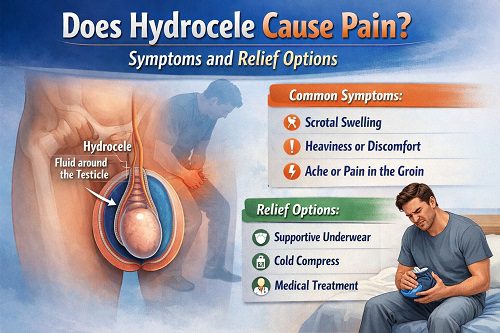
Common Symptoms
- Painless swelling in the scrotum
- Soft, fluid-filled sac around the testicle
- Heaviness or dragging sensation
- Swelling that changes size throughout the day
- Discomfort during physical activity
Symptoms When Pain Is Present
When Hydrocele Pain occurs, it may include:
- Dull aching sensation
- Mild to moderate discomfort
- Tenderness when touched
- Increased discomfort after long periods of standing or walking
Hydrocele in Different Age Groups
Hydrocele in Infants
- Usually painless
- Often resolves without treatment
- Rarely causes complications
Hydrocele in Adults
- More likely to persist
- May gradually increase in size
- Greater chance of experiencing Hydrocele Pain, especially if untreated
When Should You Be Concerned?
Although hydroceles are generally harmless, certain symptoms should not be ignored.
Warning Signs
Seek medical attention if you experience:
- Sudden and severe Hydrocele Pain
- Rapid increase in swelling
- Redness or warmth in the scrotum
- Fever or chills
- Nausea or vomiting
- Hard lumps or irregularities
These symptoms may indicate more serious conditions such as:
- Testicular torsion (a medical emergency)
- Infection
- Tumor
How Is Hydrocele Diagnosed?
Accurate diagnosis is essential to rule out other causes of scrotal swelling and pain.
Common Diagnostic Methods
1. Physical Examination
A doctor examines the scrotum to assess swelling and tenderness.
2. Transillumination Test
A light is shined through the scrotum:
- Fluid-filled hydroceles allow light to pass through
- Solid masses do not
3. Ultrasound
This imaging test provides a detailed view and helps:
- Confirm the presence of fluid
- Detect underlying abnormalities
Relief Options for Hydrocele Pain
Managing Hydrocele Pain depends on the severity of symptoms and underlying cause. The effective relief options for hydrocele pain are mentioned below:
1. Watchful Waiting
For small and painless hydroceles:
- No immediate treatment is required
- Regular monitoring is recommended
2. Lifestyle Adjustments
Simple measures can help reduce discomfort:
- Wearing supportive underwear
- Avoiding prolonged standing
- Limiting strenuous activities
- Elevating the scrotum when resting
3. Cold Compress
Applying a cold pack can:
- Reduce swelling
- Provide temporary relief from Hydrocele Pain
(Use for 10–15 minutes at a time to avoid skin irritation.)
4. Medications
- Over-the-counter pain relievers can help manage discomfort
- Antibiotics may be prescribed if infection is present
5. Aspiration
This procedure involves:
- Draining the fluid using a needle
- Providing temporary relief
However, fluid often returns, so this is not a permanent solution.
6. Surgical Treatment (Hydrocelectomy)
Surgery is the most effective treatment for persistent or painful hydroceles.
Procedure Overview:
- Removal of the fluid-filled sac
- Performed under anesthesia
- Usually an outpatient procedure
Benefits:
- Permanent solution
- Eliminates Hydrocele Pain
- Low recurrence rate
Recovery After Treatment
Post-Surgery Care
After hydrocelectomy:
- Mild pain and swelling are normal
- Ice packs can help reduce discomfort
- Avoid heavy activities for a few weeks
- Wear supportive garments
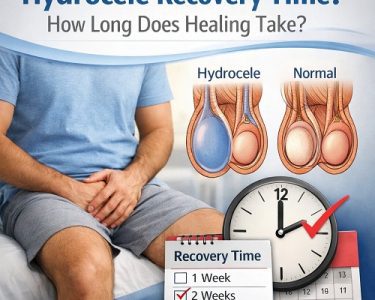
Healing Time
- Most patients recover within 2–4 weeks
- Full return to normal activities varies
Possible Complications
While hydroceles are generally safe, complications can arise if left untreated.
Potential Risks
- Increased Hydrocele Pain
- Infection
- Rupture (rare)
- Impact on daily activities
In severe cases, very large hydroceles can interfere with movement and quality of life.
Can Hydrocele Affect Fertility?
In most cases, hydroceles do not affect fertility. However:
- Extremely large hydroceles may impact testicular function
- Associated conditions (like infections) may pose risks
If fertility is a concern, medical evaluation is recommended.
Prevention Tips
While not all hydroceles can be prevented, certain steps may reduce risk:
- Protect the groin from injury
- Treat infections promptly
- Practice good hygiene
- Perform regular self-examinations
Lifestyle Tips to Manage Hydrocele Pain
Living with Hydrocele Pain can be manageable with simple adjustments:
- Choose loose-fitting clothing
- Maintain a healthy weight
- Avoid heavy lifting
- Take breaks during long periods of standing
- Stay physically active with low-impact exercises
Frequently Asked Questions (FAQs)
1. Is Hydrocele Pain serious?
Usually, Hydrocele Pain is mild and not serious. However, sudden or severe pain should be evaluated immediately.
2. Can a hydrocele go away on its own?
Yes, especially in infants. In adults, spontaneous resolution is less common.
3. How long does hydrocele pain last?
It depends on the cause. Mild discomfort may persist until the hydrocele is treated.
4. Is surgery always necessary?
No. Surgery is only recommended if:
- The hydrocele is large
- Painful
- Persistent
Conclusion
Hydroceles are a common and generally harmless condition that often presents as painless swelling in the scrotum. However, Hydrocele Pain can occur, particularly when the swelling becomes large, infected, or associated with other medical issues.
Understanding the symptoms and recognizing when pain is abnormal are key to managing the condition effectively. From simple lifestyle adjustments to surgical intervention, a range of relief options is available depending on the severity of the condition.
If you experience persistent or severe pain, it is essential to seek medical advice to rule out more serious underlying conditions and receive appropriate treatment. Early intervention can not only relieve discomfort but also prevent complications, ensuring better overall health and peace of mind.