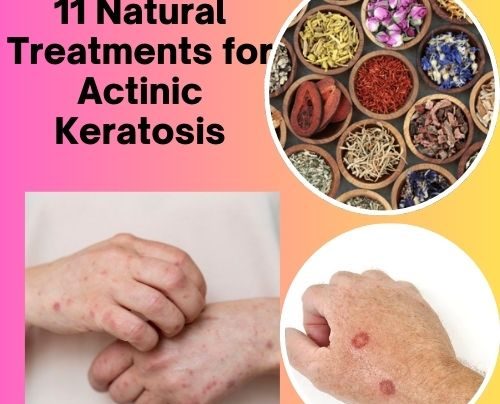
11 Natural Treatments for Actinic Keratosis
What is Actinic Keratosis? Actinic keratosis which is also known as solar keratosis which is crusty, scaly growth and it…

Welcome to our Actinic Keratosis information center, where you can learn about this common sun-related skin condition, its warning signs, causes, treatment options, and ways to protect your skin.
Actinic keratosis (AK), sometimes called solar keratosis, is a rough, scaly or discolored skin growth caused primarily by long-term exposure to ultraviolet (UV) radiation from the sun or indoor tanning. It commonly develops on areas that receive frequent sun exposure, including the face, ears, scalp, neck, hands, and lips.
Although an actinic keratosis may appear as a small or harmless-looking spot, it is considered a precancerous skin growth. Some AKs can develop into squamous cell carcinoma, a type of skin cancer. For this reason, recognizing unusual skin changes and seeking appropriate medical evaluation is important.
Actinic keratoses can look different from person to person. They may appear as rough, dry or scaly patches or small bumps that are red, pink, brown, tan, gray, white, or skin-colored. Some lesions may itch, sting, burn, feel tender, or bleed.
A dermatologist can examine suspicious skin changes and determine whether they are consistent with actinic keratosis or another skin condition.
The main cause of actinic keratosis is cumulative UV exposure. Repeated exposure to sunlight or indoor tanning can damage skin cells over time. People with a history of substantial sun exposure may be more likely to develop AKs.
Protecting your skin from UV radiation is an important part of reducing the risk of developing additional actinic keratoses. Dermatologists commonly recommend broad-spectrum sunscreen with SPF 30 or higher, protective clothing, shade, and avoiding tanning beds.
Treatment depends on factors such as the number, location, appearance, and thickness of the lesions and the individual’s medical history. Dermatological treatments may include cryotherapy, photodynamic therapy, curettage, laser procedures in selected cases, and prescription topical medications.
Because actinic keratosis can sometimes resemble other skin conditions or early skin cancer, self-treating an unexplained lesion without a diagnosis is not recommended.
If you have had actinic keratosis, protecting your skin from additional UV exposure is especially important. Helpful habits include applying broad-spectrum SPF 30+ sunscreen, reapplying it as directed, wearing a wide-brimmed hat and protective clothing, seeking shade, avoiding tanning beds, and regularly checking your skin for new or changing lesions.
Our goal is to provide clear, useful health information that helps readers better understand actinic keratosis and make informed decisions about discussing skin concerns with a qualified healthcare professional.
The information provided on this Actinic Keratosis category page and related articles is intended for general educational and informational purposes only. It is not intended to diagnose, treat, cure, or prevent actinic keratosis, skin cancer, or any other medical condition.
Actinic keratosis is a precancerous skin condition, and some lesions may progress to squamous cell carcinoma. Any new, changing, painful, bleeding, persistent, thickened, or unusual skin growth should be evaluated by a qualified dermatologist or other healthcare professional.
Do not delay professional medical care or replace prescribed treatment with information, supplements, herbal products, or home remedies discussed on this website. Treatment should be determined by a qualified healthcare professional based on your individual condition and medical history.
If you are concerned about a skin lesion or have been diagnosed with actinic keratosis, consult your dermatologist before beginning any new treatment or supplement. In an emergency or if you experience a serious or rapidly worsening medical problem, seek appropriate medical attention immediately.
The information on this website may not reflect the most recent medical research or apply to every individual. Herbal Care Products does not guarantee any specific medical outcome from the use of information, products, or remedies discussed on this website.