 By
By Digestive discomfort is something almost everyone experiences at some point. A heavy, swollen belly after meals, feeling full after just a few bites, or persistent stomach pain can turn everyday life into a struggle. While these symptoms may seem minor or temporary, they can sometimes signal underlying issues that require attention.
Among the most concerning combinations of digestive symptoms are Early Satiety & Abdominal Pain. When bloating accompanies these sensations, it often leaves people confused, frustrated, and anxious about what their body is trying to communicate.
In this comprehensive guide, we’ll explore what bloating, early satiety, and abdominal pain really mean, why they occur, possible medical causes, diagnostic approaches, treatment options, and when to seek medical care.
Understanding Bloating
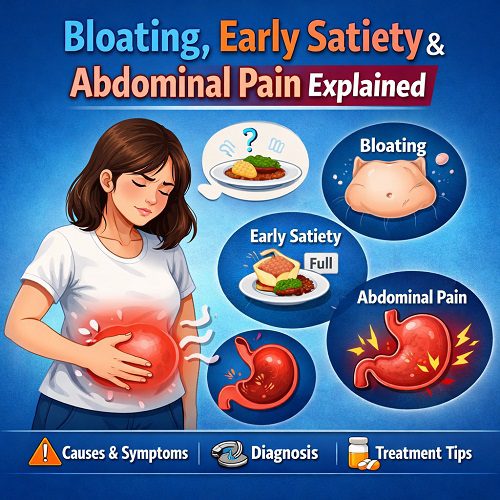
Bloating refers to a sensation of fullness, tightness, or swelling in the abdomen. It may or may not be visible, but many people describe it as feeling “puffed up” or uncomfortably distended.
Common Features of Bloating:
- A feeling of pressure in the stomach
- Increased abdominal size
- Excessive gas
- Rumbling or gurgling sensations
- Discomfort that worsens after eating
Bloating can result from:
- Gas accumulation
- Slow digestion
- Food intolerances
- Hormonal changes
- Gastrointestinal disorders
Occasional bloating after a large meal is normal. However, when it appears alongside Early Satiety & Abdominal Pain, it may point toward a more complex digestive issue.
What Is Early Satiety?
Early satiety is the inability to eat a normal-sized meal because you feel full after consuming only a small amount of food.
Instead of finishing a plate, you may feel stuffed after a few bites. This isn’t simply a reduced appetite — it’s a physical sensation of fullness that prevents further eating.
Symptoms of Early Satiety:
- Feeling full quickly during meals
- Reduced food intake
- Unintentional weight loss
- Nausea after eating
- Loss of appetite
When early satiety becomes persistent, especially when paired with bloating or pain, it deserves medical evaluation.
What Is Abdominal Pain?
Abdominal pain can range from mild discomfort to sharp, stabbing sensations. It may be:
- Localized (specific area)
- Diffuse (spread throughout the abdomen)
- Intermittent or constant
- Cramping or burning
The abdomen contains multiple organs, including the stomach, intestines, liver, pancreas, and gallbladder. Pain may originate from any of these.
When discussing Early Satiety & Abdominal Pain, the stomach and upper digestive tract are often involved.
How Bloating, Early Satiety & Abdominal Pain Are Connected
These symptoms often occur together because they share overlapping causes.
For example:
- If the stomach empties slowly, food remains longer than normal.
- This can create pressure and distension.
- The pressure triggers bloating.
- The stretched stomach signals fullness early.
- Ongoing distension may cause discomfort or pain.
This pattern is common in several gastrointestinal conditions.
Common Causes of Early Satiety & Abdominal Pain
Let’s examine the most frequent medical explanations.
1. Gastroparesis
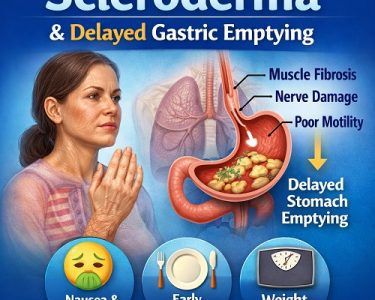
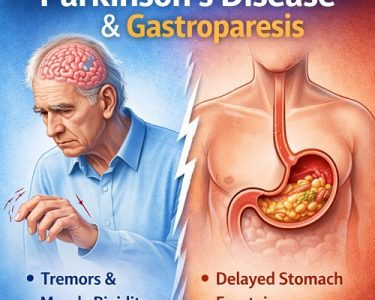
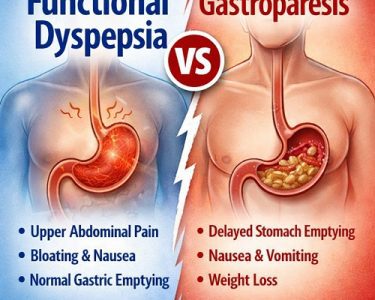
Gastroparesis Symptoms is linked to delayed stomach emptying without a physical blockage. The stomach muscles don’t contract properly, causing food to remain longer than it should.
Symptoms:
Below are the gastroparesis symptoms:
- Early satiety
- Bloating
- Nausea
- Vomiting undigested food
- Upper abdominal pain
Gastroparesis is commonly linked to:
- Diabetes
- Nerve damage
- Viral infections
- Certain medications
When food sits too long in the stomach, Early Satiety & Abdominal Pain become prominent features.
2. Functional Dyspepsia
Functional dyspepsia is chronic indigestion with no clear structural cause. It affects millions of people worldwide.
Symptoms often include:
- Early fullness
- Upper abdominal discomfort
- Burning sensation
- Bloating
The stomach appears normal on testing, but its function is impaired.
3. Peptic Ulcer Disease
Peptic ulcers are sores in the lining of the stomach or small intestine.
Common causes include:
- Infection with Helicobacter pylori
- Overuse of NSAIDs (like ibuprofen)
Symptoms:
- Burning stomach pain
- Nausea
- Early satiety
- Bloating
Pain often improves temporarily after eating, then returns.
4. Gastritis
Gastritis refers to inflammation of the stomach lining.
Causes:
- Alcohol use
- Chronic stress
- Infection with Helicobacter pylori
- Long-term medication use
Symptoms:
- Upper abdominal pain
- Nausea
- Bloating
- Early satiety
Inflammation makes the stomach sensitive and easily irritated.
5. Irritable Bowel Syndrome (IBS)
Irritable Bowel Syndrome is a functional digestive disorder affecting the large intestine.
Symptoms include:
- Bloating
- Cramping
- Gas
- Alternating constipation and diarrhea
- Early fullness
While IBS primarily affects the lower gut, it can influence upper digestive symptoms as well.
6. Gastroesophageal Reflux Disease (GERD)
Gastroesophageal Reflux Disease occurs when stomach acid flows back into the esophagus.
Symptoms:
- Heartburn
- Bloating
- Upper abdominal discomfort
- Early satiety in some cases
GERD can overlap with other digestive disorders.
7. Ovarian Cancer (In Women)
Persistent bloating, early satiety, and abdominal pain can be early warning signs of Ovarian cancer.
Symptoms often include:
- Feeling full quickly
- Abdominal swelling
- Pelvic pain
- Frequent urination
While these symptoms are common in benign conditions, persistent or worsening signs require evaluation.
8. Pancreatic Disorders
The pancreas plays a vital role in digestion. Inflammation or cancer can cause:
- Upper abdominal pain
- Bloating
- Early satiety
- Weight loss
Pancreatic cancer may present subtly in early stages, sometimes only with digestive symptoms.
When Early Satiety & Abdominal Pain Become Concerning
Occasional discomfort isn’t unusual. However, seek medical evaluation if symptoms include:
- Unintentional weight loss
- Vomiting blood
- Black stools
- Persistent vomiting
- Severe pain
- Difficulty swallowing
- Symptoms lasting more than 2–3 weeks
These may indicate more serious conditions.
How Doctors Diagnose the Cause
Evaluation typically includes:
1. Medical History
Doctors ask about:
- Symptom duration
- Triggers
- Medication use
- Weight changes
2. Physical Examination
Checking for tenderness, masses, or swelling.
3. Laboratory Tests
- Blood tests
- Stool tests
- Infection screening
4. Imaging Studies
- Ultrasound
- CT scan
- MRI
5. Endoscopy
A camera is inserted into the stomach to look for ulcers, inflammation, or tumors.
If gastroparesis is suspected, a gastric emptying study may be performed.
Treatment Options for Early Satiety & Abdominal Pain
Treatment depends on the underlying cause.
Dietary Changes
Small, frequent meals often help reduce pressure in the stomach.
Recommendations:
- Eat 5–6 small meals daily
- Avoid fatty or fried foods
- Limit carbonated drinks
- Reduce high-fiber foods if digestion is slow
- Opt for low-fat diet
- Chew thoroughly
Medications
Depending on diagnosis, doctors may prescribe:
- Proton pump inhibitors
- Prokinetic agents
- Antibiotics for Helicobacter pylori
- Antispasmodics
- Antidepressants (low-dose for gut sensitivity)
Managing Gastroparesis
For gastroparesis:
- Liquid nutrition may help
- Blood sugar control (in diabetics)
- Motility medications
- In severe cases, feeding tubes
Treating IBS
For Irritable Bowel Syndrome:
- Low FODMAP diet
- Stress management
- Fiber adjustments
- Targeted medications
Lifestyle Adjustments
Stress significantly impacts digestion. Helpful strategies include:
- Mindful eating
- Regular exercise
- Adequate hydration
- Sleep optimization
- Relaxation techniques
The brain-gut connection plays a powerful role in Early Satiety & Abdominal Pain.
The Role of Stress in Digestive Symptoms
Stress activates the sympathetic nervous system (fight-or-flight response). This can:
- Slow stomach emptying
- Increase gut sensitivity
- Alter digestion
- Trigger spasms
Chronic stress may worsen bloating and pain, even without structural disease.
Psychological therapies like cognitive behavioral therapy (CBT) have shown benefits for functional digestive disorders.
Hormonal Influences
Women may notice increased bloating and early fullness during certain phases of the menstrual cycle due to hormonal fluctuations.
Progesterone can slow digestion, increasing feelings of fullness.
Food Intolerances and Sensitivities
Certain foods may worsen symptoms, including:
- Lactose
- Gluten (in sensitive individuals)
- Artificial sweeteners
- High-fat foods
- Carbonated beverages
Elimination diets under medical guidance can help identify triggers.
The Gut Microbiome and Bloating
The gut contains trillions of bacteria that help digest food. Imbalances in gut bacteria can cause:
- Excess gas
- Slowed motility
- Inflammation
- Bloating
- Pain
Research continues to explore how microbiome changes affect Early Satiety & Abdominal Pain.
Preventing Digestive Discomfort
While not all causes are preventable, you can reduce risk by:
- Eating slowly
- Avoiding overeating
- Limiting alcohol
- Staying active
- Managing stress
- Monitoring medication use
- Seeking early medical evaluation for persistent symptoms
Psychological Impact of Chronic Digestive Symptoms
Living with ongoing bloating and pain can cause:
- Anxiety
- Social withdrawal
- Fear of eating
- Reduced quality of life
Addressing mental health alongside physical symptoms is essential.
Special Considerations in Older Adults
In older adults, early satiety combined with weight loss must be evaluated carefully to rule out:
- Malignancy
- Obstruction
- Severe motility disorders
Prompt diagnosis improves outcomes.
When to Seek Emergency Care
Go to emergency services if you experience:
- Severe, sudden abdominal pain
- Persistent vomiting
- Blood in vomit or stool
- High fever with abdominal pain
- Signs of dehydration
Key Takeaways
- Bloating, early fullness, and stomach pain often occur together.
- Early Satiety & Abdominal Pain can be functional or structural in origin.
- Causes range from mild digestive disorders to serious diseases.
- Persistent symptoms require medical evaluation.
- Lifestyle adjustments often significantly improve symptoms.
- Early diagnosis leads to better outcomes.
Final Thoughts
Digestive symptoms are common, but they are not always harmless. Occasional bloating after a large meal is normal. However, persistent Early Satiety & Abdominal Pain should never be ignored.
Your body communicates through symptoms. Understanding what those signals mean empowers you to seek appropriate care and make informed lifestyle choices.
If you or someone you know experiences ongoing bloating, feeling full too quickly, and abdominal discomfort, consult a healthcare professional. Early assessment can provide peace of mind — and potentially life-saving treatment.
Your digestive health plays a central role in overall well-being. Paying attention to it is one of the best investments you can make in your long-term health. Well if you want to buy and explore the natural supplements for this disease, you can visit our product page: Natural Supplements for Gastroparesis.