 By
By Lipomas are among the most common benign soft tissue tumors found in adults. They are made up of fat cells and usually develop just beneath the skin. Although lipomas are generally harmless and painless, many people wonder what causes lipoma and why these fatty lumps appear in the first place. Understanding the underlying factors can help reduce anxiety and guide you toward appropriate medical advice when needed.
In most cases, doctors cannot identify a single definite cause of lipomas. Instead, researchers believe they develop due to a combination of genetic, environmental, and biological factors. While lifestyle habits may influence overall health, lipomas are not usually caused by poor diet or being overweight.
What Is a Lipoma?
A lipoma is a soft, slow-growing lump composed of mature fat cells. It typically develops between the skin and the underlying muscle layer. Lipomas can appear almost anywhere on the body but are most commonly found on the:
- Lipoma on Neck
- Shoulders
- Lipoma on Upper back
- Arms
- Thighs
- Abdomen
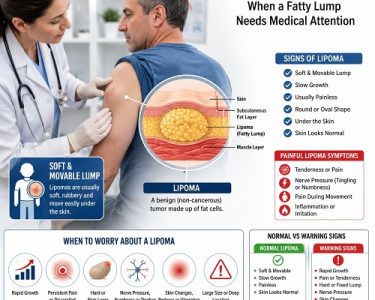
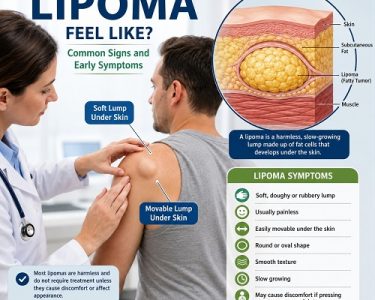
Most lipomas are:
- Soft and rubbery
- Easily movable under the skin
- Usually painless
- Slow growing
- Benign (non-cancerous)
Although lipomas can vary in size, they rarely become dangerous.
What Causes Lipoma?
One of the most frequently asked questions is what causes lipoma. The truth is that medical researchers have not identified one exact cause. Instead, several contributing factors appear to increase the likelihood of developing these fatty growths.
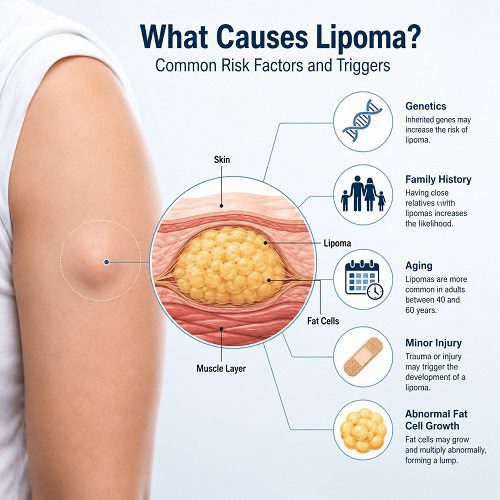
Possible causes include:
- Genetic inheritance
- Family history
- Minor injuries
- Age-related changes
- Certain inherited disorders
- Abnormal growth of fat cells
These factors may work together rather than individually.
1. Genetics Is One of the Biggest Lipoma Causes
Among all known lipoma causes, genetics is considered the strongest.
Many people who develop lipomas have close family members with the same condition. This suggests that inherited genes may influence how fat cells grow and multiply.
If one or more relatives have multiple lipomas, your chances of developing them may be higher.
Researchers continue studying specific genetic mutations that may contribute to lipoma formation.
Signs genetics may play a role:
- Multiple family members have lipomas
- Lipomas appear at younger ages
- Several lipomas develop over time
- Recurrent lipomas after removal
2. Family History Increases Lipoma Risk Factors
Family history is closely linked with genetics.
If parents, siblings, or grandparents have lipomas, there is a greater chance that you may also develop them.
Some inherited conditions involving multiple lipomas include:
Familial Multiple Lipomatosis
This rare inherited disorder causes numerous lipomas throughout the body.
Characteristics include:
- Multiple painless fatty lumps
- Usually begins in adulthood
- Runs through several generations
- Often affects arms, trunk, and legs
People with this condition may develop dozens of lipomas during their lifetime.
3. Age Is an Important Risk Factor
Age is another significant factor when discussing what causes lipoma.
Lipomas can occur at any age but are most commonly diagnosed between:
- 40 and 60 years old
As people age, changes in fat metabolism and cell growth may contribute to the development of benign fatty tumors.
Children rarely develop lipomas unless associated with inherited conditions.
4. Minor Trauma May Trigger Lipoma Growth
Some people notice a lipoma developing after:
- A fall
- Sports injury
- Bruise
- Muscle strain
- Direct impact
Although researchers have not confirmed trauma as a direct cause, it may act as a trigger in individuals who are already genetically susceptible.
This remains one of the more debated lipoma causes.
Trauma probably does not create a lipoma from scratch but may stimulate the growth of an existing cluster of fat cells.
5. Abnormal Fat Cell Growth
Lipomas develop because fat cells begin multiplying in one localized area.
Scientists believe this growth occurs due to changes in the regulation of fat cell development.
Instead of spreading evenly throughout the body, certain fat cells grow into a soft, encapsulated lump.
Exactly why this happens remains unclear.
6. Certain Rare Genetic Disorders
Several inherited disorders increase the likelihood of developing lipomas.
These include:
Gardner Syndrome
A rare inherited condition involving:
- Colon polyps
- Skin tumors
- Lipomas
- Bone growths
Dercum Disease
This uncommon condition causes:
- Painful lipomas
- Chronic pain
- Fatigue
- Obesity in some individuals
Madelung Disease
Also called multiple symmetric lipomatosis.
It often causes fatty deposits around:
- Neck
- Shoulders
- Upper body
This condition is more common in middle-aged men with long-term alcohol use, although not everyone with alcohol exposure develops it.
Lipoma Risk Factors
Although no single cause explains every lipoma, several lipoma risk factors have been identified.
Family History
People with affected relatives have higher risk.
Middle Age
Most lipomas appear between ages 40–60.
Certain Genetic Conditions
Inherited disorders can significantly increase the number of lipomas.
Previous Lipoma
People who develop one lipoma may later develop additional ones.
Male or Female?
Lipomas affect both men and women.
Some inherited disorders may affect one gender more frequently, but ordinary lipomas occur in either sex.
Are Lipomas Caused by Being Overweight?
Many people believe obesity causes lipomas.
Current medical evidence does not support this.
Lipomas occur in:
- Thin individuals
- Athletic people
- Overweight adults
- Children
- Older adults
Being overweight may make existing lipomas more noticeable, but obesity itself is not considered a direct cause.
Does Diet Cause Lipomas?
There is no scientific evidence that specific foods directly cause lipomas.
Eating:
- Sugar
- Fatty foods
- Dairy
- Fried foods
has not been proven to create lipomas.
However, maintaining a balanced diet supports overall health and healthy body weight.
Can Stress Cause Lipomas?
Stress has not been proven to directly cause lipomas.
However, chronic stress may affect hormones, inflammation, and overall health.
No clinical studies have confirmed stress as a primary factor behind lipoma formation.
Does Exercise Cause Lipomas?
No.
Exercise does not cause lipomas.
Sometimes people discover a lipoma after beginning a workout routine simply because they become more aware of their bodies.
Regular physical activity remains beneficial for overall health.
Why Do Lipomas Grow?
Another common question is why do lipomas grow.
Lipomas usually enlarge because fat cells inside the tumor continue multiplying slowly.
Growth is generally:
- Gradual
- Slow
- Predictable
Some lipomas remain the same size for years.
Others slowly enlarge over time.
Rapid enlargement is uncommon and should be evaluated by a healthcare professional.
Why Do Some Lipomas Stop Growing?
Many lipomas reach a certain size and remain stable.
Researchers believe the fat cells eventually stop dividing actively.
This explains why many people have the same lipoma for decades without noticeable changes.
Can Hormones Influence Lipomas?
Hormones may play a minor role in fat metabolism, but current research has not identified hormonal changes as a primary cause.
More studies are needed to determine whether hormones contribute to lipoma growth.
Can Lipomas Be Prevented?
Since the exact cause remains unknown, there is no guaranteed way to prevent lipomas.
However, maintaining overall health is always beneficial.
Healthy habits include:
- Eating a balanced diet
- Exercising regularly
- Maintaining a healthy weight
- Avoiding smoking
- Managing chronic health conditions
- Attending routine medical checkups
These habits support general wellness but may not prevent lipoma formation.
Are Lipomas Cancer?
No.
Lipomas are benign tumors.
They are not cancer and rarely become cancerous.
A different condition called liposarcoma is a malignant tumor involving fatty tissue.
Unlike lipomas, liposarcomas are often:
- Firm
- Painful
- Fast growing
- Less movable
Any rapidly changing lump should be assessed by a healthcare provider.
When Should You See a Doctor?
Although most lipomas are harmless, medical evaluation is recommended if a lump:
- Grows rapidly
- Becomes painful
- Feels hard
- Stops moving under the skin
- Causes numbness
- Interferes with movement
- Changes suddenly in appearance
A healthcare professional can determine whether imaging or a biopsy is necessary.
Common Myths About Lipoma Causes
Myth 1: Lipomas Are Caused by Eating Fat
False.
Eating fatty foods does not directly create lipomas.
Myth 2: Lipomas Always Run in Families
False.
Many people develop a single lipoma without any family history.
Myth 3: Lipomas Become Cancer
False.
Most lipomas remain benign throughout life.
Myth 4: Weight Loss Removes Lipomas
False.
Weight Loss Removes Lipomas: Weight loss may reduce body fat overall, but lipomas usually remain because they are enclosed within a capsule.
Myth 5: Every Lump Is a Lipoma
False.
Many skin lumps have different causes.
Proper diagnosis is important.
Diagnosis of Lipoma
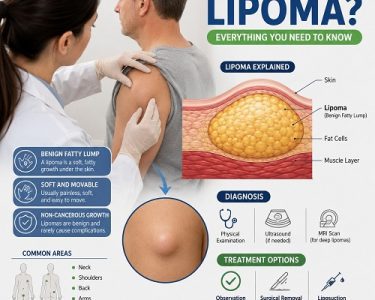
Doctors usually diagnose lipomas through:
- Physical examination
- Medical history
- Palpation of the lump
If the diagnosis is uncertain, additional tests may include:
- Ultrasound
- MRI scan
- CT scan
- Biopsy
These tests help rule out other soft tissue conditions.
Treatment Options
Most lipomas require no treatment.
Removal may be recommended if they:
- Cause discomfort
- Grow larger
- Become painful
- Restrict movement
- Cause cosmetic concerns
Treatment options include:
- Surgical removal
- Liposuction in selected cases
- Steroid injections in certain situations
Your healthcare provider can recommend the most suitable approach based on the lipoma’s size, location, and symptoms.
Best Supplements for Lipoma
Many people searching for the Best Supplements for Lipoma are looking for natural ways to support overall health while managing these harmless fatty lumps. Although no supplement has been scientifically proven to shrink or eliminate lipomas, certain nutrients and herbs may support healthy metabolism, reduce oxidative stress, and promote overall tissue wellness. It’s important to remember that supplements should not replace professional medical advice or treatment.
Some commonly used Natural Remedies for Lipoma include turmeric, which contains curcumin with anti-inflammatory properties, omega-3 fatty acids that support overall health, and green tea extract, known for its antioxidant compounds. Milk thistle may help support normal liver function, while vitamin D and vitamin C contribute to immune health and healthy tissue maintenance. These supplements may be beneficial as part of a balanced lifestyle but are not proven cures for lipomas.
In addition to considering the Best Supplements for Lipoma, maintaining a healthy diet, exercising regularly, staying hydrated, and managing body weight can support overall well-being. If a lipoma becomes painful, grows rapidly, or changes in appearance, consult a healthcare professional for proper evaluation.
While Natural Remedies for Lipoma may complement a healthy lifestyle, more clinical research is needed to confirm their effectiveness. Always speak with your healthcare provider before starting any new supplement, especially if you have existing medical conditions or take prescription medications.
Living With Lipomas
Most people live normal, healthy lives with one or more lipomas.
Regular monitoring is often all that is needed. If a lipoma changes significantly or causes symptoms, seek medical advice promptly. Understanding what causes lipoma can help you make informed decisions and avoid unnecessary worry.
Frequently Asked Questions
What causes lipoma to develop?
The exact cause is unknown, but genetics, family history, age, and abnormal fat cell growth are considered the most common contributing factors.
Are lipomas inherited?
Yes. Many lipomas have a hereditary component, especially in families with Familial Multiple Lipomatosis.
Why do lipomas grow?
Lipomas grow because fat cells continue to multiply slowly within a thin fibrous capsule. Most grow gradually over several years.
Can lifestyle changes prevent lipomas?
There is no proven way to prevent lipomas, although maintaining a healthy lifestyle supports overall well-being.
Are lipomas dangerous?
Most lipomas are harmless, non-cancerous growths that do not require treatment unless they become painful, enlarge significantly, or interfere with daily activities.
Conclusion
Understanding what causes lipoma can help ease concerns about these common fatty growths. While researchers have not identified a single cause, the most recognized lipoma causes include genetic factors, family history, age, and abnormal fat cell growth. These lipoma risk factors increase the likelihood of developing lipomas, but they do not guarantee that one will occur. If you have ever wondered why do lipomas grow, the answer lies in the slow multiplication of fat cells within a benign capsule, often over many years. Most lipomas remain harmless and require only observation. However, if a lump changes rapidly, becomes painful, or raises concern, consult a qualified healthcare professional for an accurate diagnosis and appropriate management.