 By
Granuloma annulare is a relatively rare skin condition that often leaves those affected feeling confused, frustrated, and sometimes self-conscious. It is characterized by small, raised bumps on the skin that frequently form circular or ring-like patterns, which can appear on the hands, feet, elbows, or knees. While granuloma annulare is generally harmless and not contagious, its appearance can be distressing, especially when lesions are visible or persistent.
The medical community still does not fully understand the exact cause of granuloma annulare. However, multiple factors appear to play a role in its development, including immune system irregularities, minor skin injuries, chronic health conditions like diabetes or thyroid disorders, and environmental triggers. Increasingly, research and clinical observations suggest that stress may also be a key factor in both the onset and exacerbation of this condition. Stress can disrupt the body’s natural immune responses, leading to inflammation that may trigger or worsen skin lesions.
For many patients, the connection between mental and emotional well-being and skin health becomes apparent over time. Flare-ups of granuloma annulare are often reported during periods of high stress, anxiety, or emotional strain, prompting questions such as can stress cause granuloma annulare? or granuloma annulare stress. Understanding this connection is crucial, as addressing stress and emotional health may play an important role in managing and even preventing flare-ups.
Granuloma Annulare Stress
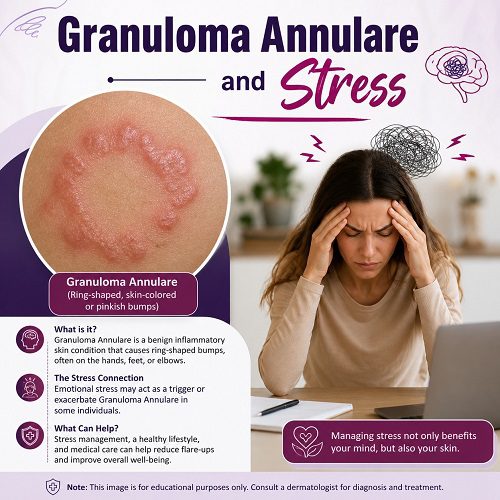
Granuloma annulare stress is a topic of interest for people who notice changes in their skin during emotionally difficult or stressful periods. Granuloma annulare is a relatively uncommon inflammatory skin condition that causes small, firm bumps, often arranged in circular or ring-shaped patterns. These bumps usually appear on the hands, feet, arms, legs, or other parts of the body. Although the exact cause remains unclear, researchers believe that immune system activity and inflammation play important roles in its development. Some people report that their skin symptoms become more noticeable during periods of anxiety, emotional pressure, or prolonged stress. However, there is currently insufficient scientific evidence to confirm that psychological stress directly causes granuloma annulare.
The relationship between granuloma annulare stress and immune system function deserves attention. When someone experiences ongoing stress, the body releases hormones such as cortisol and adrenaline. These hormones influence immune activity and inflammatory responses. Long-term stress may affect the body’s ability to regulate inflammation, potentially influencing certain existing skin conditions. Although this does not establish stress as a direct trigger for granuloma annulare, managing emotional pressure may support overall skin health and general well-being. People living with this condition should also remember that flare-ups can occur without an identifiable trigger. Other possible factors associated with granuloma annulare include minor skin injuries, insect bites, infections, certain medications, and underlying health conditions, although these associations are not fully understood.
Managing daily stress may be a useful part of a general skin-care routine. Gentle activities such as walking, yoga, meditation, deep breathing, and maintaining a regular sleep schedule can help reduce emotional tension. Eating a balanced diet containing vegetables, fruits, whole grains, healthy fats, and adequate protein also supports normal immune function. Avoiding excessive scratching and using gentle, fragrance-free moisturisers may help protect irritated skin. Keeping a symptom diary can also be helpful. Record when new bumps appear, whether itching develops, and whether symptoms coincide with stressful events, changes in medication, or other lifestyle factors. This information may help a dermatologist identify possible patterns and recommend suitable care.
Although stress management can improve overall well-being, it should not replace appropriate medical treatment. Granuloma annulare sometimes disappears without treatment, but persistent, widespread, or bothersome patches may require medical attention. Dermatologists may recommend topical corticosteroids, steroid injections, phototherapy, or other treatments depending on the severity and location of the condition. If you notice rapidly spreading lesions, significant discomfort, or unusual skin changes, seek professional advice. Understanding the possible connection between granuloma annulare stress, inflammation, and immune function can help you take a balanced approach to skin health. Rather than blaming stress alone, focus on identifying individual triggers, maintaining healthy habits, and working with a qualified dermatologist to manage symptoms effectively.
Lichen Planopilaris Diet
Following a balanced Lichen Planopilaris Diet may help support overall health, normal hair growth and immune system function. Lichen planopilaris is an inflammatory condition that affects hair follicles and can cause permanent scarring hair loss. People with this condition may experience scalp itching, redness, burning, tenderness and gradual hair thinning.
Although nutrition cannot cure lichen planopilaris or reverse permanent follicular damage, eating healthy foods may help the body maintain normal functions and correct nutritional deficiencies. A nutritious diet should include fresh fruits, vegetables, whole grains, lean proteins, healthy fats, vitamins and minerals. Omega-3 fatty acids are particularly beneficial for general health because they support normal inflammatory responses. Foods such as salmon, sardines, walnuts, chia seeds and flaxseeds provide these essential fats.
Colourful fruits and vegetables, including blueberries, oranges, spinach, broccoli, carrots and tomatoes, supply antioxidants and vitamins that help protect cells against oxidative stress. Vitamin D is another important nutrient because it supports normal immune function and skin health. Eggs, fatty fish and fortified milk are useful dietary sources. Similarly, zinc plays an important role in immune function, tissue repair and normal hair follicle activity. Pumpkin seeds, chickpeas, lentils, eggs and nuts can help provide adequate zinc.
Protein is also essential because hair is primarily composed of a protein called keratin. Including chicken, fish, eggs, yoghurt, beans and lentils in daily meals helps support normal hair production and tissue maintenance. Iron-rich foods, such as spinach, lean meat, lentils and fortified cereals, are also important because iron deficiency can contribute to hair shedding.
Along with choosing nutritious foods, people following a Lichen Planopilaris Diet should limit excessive added sugar, highly processed foods, sugary drinks and frequent deep-fried meals. However, there is no strong scientific evidence that specific foods directly trigger or worsen this condition, so unnecessary restrictive diets are not recommended. Drinking sufficient water and maintaining regular, balanced meals can also support general well-being. It is important to understand that dietary changes cannot replace medical treatment.
Dermatologists may recommend corticosteroids, hydroxychloroquine or other medications to control inflammation and reduce the risk of further follicular damage. Early diagnosis and treatment are essential because scarring hair loss can become permanent. Overall, a healthy Lichen Planopilaris Diet can provide important nutrients and support general hair and scalp health, but it should always complement professional medical care rather than be considered a cure.
What is Granuloma Annulare?
Granuloma annulare is a chronic skin condition characterized by small, firm bumps that often form ring-like patterns. These raised lesions are usually flesh-colored, red, or slightly purple and appear most commonly on the hands, feet, elbows, or knees. While the condition is typically not painful or infectious, its appearance can be distressing and impact a person’s confidence. Understanding granuloma annulare is essential to recognizing its symptoms early and managing flare-ups effectively. In fact, individuals often wonder, how to spot granuloma annulare symptoms early to prevent further progression and minimize discomfort. Granuloma annulare may affect people of all ages, but it is more commonly seen in children and young adults. There are several forms of this condition, including:
Types of Granuloma Annulare
Understanding the different types helps people identify what form they may be experiencing.
Localized Granuloma Annulare
This is the most common type. It presents as small grouped bumps arranged in rings on the hands, feet, elbows, or ankles. The bumps are usually firm, painless, and skin-colored or slightly pink.
Generalized Granuloma Annulare
This type is more widespread and may cover larger areas of the body such as the trunk, arms, or legs. It can be more challenging emotionally because of its visibility and chronic nature.
Subcutaneous Granuloma Annulare
Most common in children, this type causes lumps under the skin rather than ring-shaped lesions. These nodules are usually found on the scalp, shins, or hands.
Perforating Granuloma Annulare
A rare form where lesions break through the skin, sometimes causing crusting or scabbing.
What Causes Granuloma Annulare?
The exact cause remains unknown, but research suggests a combination of immune system activity, genetic tendencies, and environmental triggers.
Many people find it useful to read articles like what causes granuloma annulare and how to manage flare-ups, which delve deeper into the possible triggers of the condition. Although the exact cause remains unclear, several factors are widely believed to play a role.
Immune System Dysfunction
Granuloma annulare is considered an inflammatory condition. Many doctors believe the immune system mistakenly reacts to minor injuries, metabolic changes, or unknown internal signals.
Skin Injuries
Even small injuries—scratches, insect bites, or minor trauma—can trigger lesions. This is because the immune system becomes more active in damaged areas.
Infections
In rare cases, viral infections may stimulate the immune response, leading to flare-ups.
Environmental Factors
Heat, cold, allergens, and irritants may play a role, especially in sensitive individuals.
Stress as a Trigger
While not a direct cause, stress is strongly suspected as a trigger or aggravator. Patients often connect flare-ups to periods of emotional distress, anxiety, grief, or chronic tension. Many people ask can stress cause granuloma annulare, and although science has not confirmed a direct cause-and-effect relationship, the skin and nervous system are deeply interconnected. Stress hormones can influence immune activity, inflammation, and healing processes—making flare-ups more likely during stressful times.
Symptoms of Granuloma Annulare
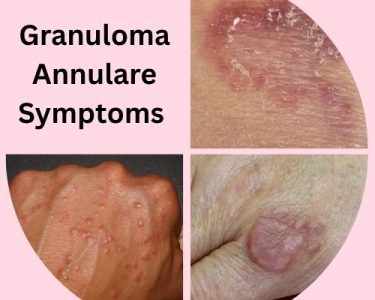
Granuloma annulare is unique in its appearance, but symptoms can vary depending on the type. Some people experience very mild skin changes, while others develop widespread lesions. Common symptoms include:
Ring-Shaped Lesions
Circular or semicircular patterns of bumps are the hallmark feature.
Small Firm Bumps
These bumps are typically:
- Skin-colored
- Pink or red
- Smooth to the touch
Itching or Mild Discomfort
Most people experience no pain, but mild itching can occur, especially in widespread cases.
Symmetrical Patterns
Lesions often appear on both sides of the body in similar locations.
Widespread Patches (Generalized Type)
In generalized granuloma annulare, clusters may appear over the entire body, making it harder to manage emotionally. When researching symptoms, many people use educational resources like what is the best treatment for granuloma annulare, which helps them understand not only symptoms but also potential treatments.
The Link Between Stress and Granuloma Annulare
Stress is a well-documented trigger for various inflammatory and autoimmune conditions, and granuloma annulare is no exception. Stress activates the hypothalamic-pituitary-adrenal (HPA) axis, increasing cortisol levels and altering immune function. This response can cause or exacerbate skin inflammation.
Many patients report flare-ups during periods of emotional stress, work pressure, or significant life changes. This has led dermatologists to explore holistic approaches that include stress management as part of the treatment plan.
Individuals often ask, granuloma annulare stress—highlighting the noticeable connection between heightened stress levels and the appearance or worsening of skin lesions. While not everyone with granuloma annulare experiences stress-related flare-ups, for many, stress management can significantly improve outcomes.
Risk Factors for Granuloma Annulare
Several factors may increase susceptibility to granuloma annulare, including:
- Age: Most common in children and young adults.
- Gender: Slightly more frequent in females.
- Health Conditions: Diabetes, thyroid disorders, and certain autoimmune conditions.
- Genetics: Family history may contribute.
- Environmental Factors: Skin trauma, insect bites, and stress.
Understanding these risk factors allows for early intervention. Early detection combined with lifestyle adjustments can minimize flare-ups and improve overall skin health.
How Granuloma Annulare is Diagnosed
Diagnosis of granuloma annulare usually involves a thorough skin examination by a dermatologist. In some cases, a biopsy may be performed to confirm the condition. Tests may include:
- Visual Examination: A dermatologist can identify the characteristic ring-shaped lesions.
- Skin Biopsy: Confirms the diagnosis by examining tissue under a microscope.
- Blood Tests: To rule out underlying conditions such as diabetes or thyroid disorders.
Recognizing early signs and seeking medical advice can prevent unnecessary stress and misdiagnosis. For instance, learning what is the best treatment for granuloma annulare starts with an accurate diagnosis.
Living with Granuloma Annulare
Living with granuloma annulare can be challenging, particularly when lesions are visible on hands, feet, or face. The emotional and psychological impact of the condition can increase stress levels, creating a cycle where stress worsens symptoms. Holistic management often includes:
- Skin care routines to prevent irritation.
- Stress reduction techniques such as meditation, yoga, or mindfulness.
- Monitoring for flare-ups and early intervention.
- Nutritional support to strengthen overall immune function, including best vitamins for granuloma annulare.
Home and natural remedies may also provide relief. Some individuals explore home remedies for granuloma annulare or how natural herbal ingredients treat granuloma annulare as complementary approaches, while others consider supplements like Nulical herbal supplement for granuloma annulare.
Can Granuloma Annulare Be Caused by Stress?
Granuloma annulare is a skin condition that causes small, raised bumps to develop in circular or ring-shaped patterns, commonly on the hands, feet, arms, and legs. Although it is usually harmless, many people wonder: can granuloma annulare be caused by stress?
Stress is not a proven direct cause of granuloma annulare. However, some evidence suggests that emotional stress may influence the immune system and potentially contribute to inflammatory skin reactions. People with this condition may notice that their symptoms become more noticeable during stressful periods.
How Does Stress Affect Granuloma Annulare?
Stress can affect immune function and increase inflammatory responses in the body. Since granuloma annulare is believed to involve an immune-related reaction, stress may potentially play a role in triggering or worsening symptoms in some individuals. However, more research is needed to establish a clear connection.
Can Stress Management Help?
Managing stress may support overall health and help reduce potential flare-ups. Consider these healthy habits:
- Practice meditation and deep breathing.
- Get seven to nine hours of sleep.
- Exercise regularly.
- Eat a balanced, nutritious diet.
- Maintain a gentle skincare routine.
Preventive Measures and Early Detection
While granuloma annulare cannot always be prevented, certain measures can minimize the risk and severity of flare-ups:
- Regular Skin Checks: Early detection can help manage symptoms more effectively.
- Stress Management: Incorporating relaxation techniques and mindfulness.
- Healthy Lifestyle: Balanced diet, adequate sleep, and exercise to strengthen the immune system.
- Avoid Skin Trauma: Be cautious with minor injuries, insect bites, and irritation.
Understanding Granuloma annulare natural treatment approaches can also empower individuals to integrate complementary therapies alongside conventional care.
Supporting Your Skin Holistically
In addition to dermatological treatments, holistic approaches can complement recovery and skin health. Some patients explore natural remedies and herbal supplements as part of a broader management plan.
Integrating stress management, nutritional support, and gentle skin care can improve quality of life. Awareness of how to spot granuloma annulare symptoms early and timely intervention remain key factors in successful management.
Final Thoughts
Granuloma annulare is a chronic but non-contagious skin condition that often raises questions and concerns for those affected. While its exact cause is not fully understood, stress plays a notable role in triggering or worsening lesions. By understanding the disease, recognizing symptoms early, and incorporating stress management strategies, individuals can improve skin health and reduce flare-ups.
Natural remedies, vitamins, and herbal supplements may provide additional support, while conventional dermatological care addresses severe or persistent cases. Overall, the combination of early detection, stress reduction, and holistic care can make a significant difference for people living with granuloma annulare.
Frequently Asked Questions (FAQs)
Q1. Can stress cause granuloma annulare?
Stress is not a proven direct cause of granuloma annulare. However, stress may influence immune system activity and inflammation, potentially contributing to flare-ups in some individuals. Managing stress may support overall well-being and skin health.
Q2. Does stress make granuloma annulare worse?
Stress may worsen granuloma annulare symptoms in some people. Emotional pressure and prolonged anxiety can affect the body’s stress response and immune function. However, the relationship varies from person to person and is not fully established by research.
Q3. What are the common symptoms of granuloma annulare?
Common symptoms include small, firm, raised bumps that form circular or ring-shaped patterns. These lesions usually appear on the hands, feet, elbows, or knees. They are generally painless, although some people experience mild itching.
Q4. Can granuloma annulare go away on its own?
Yes. Many cases of localized granuloma annulare resolve without treatment, although this can take months or even years. Some cases persist or return, so consulting a dermatologist is recommended if symptoms continue.
Q5. How can I reduce stress-related granuloma annulare flare-ups?
You can support stress management by practicing meditation, deep breathing, yoga, regular physical activity, and mindfulness. Getting enough sleep and maintaining a balanced diet may also improve general well-being.
Q6. Does anxiety affect granuloma annulare?
Anxiety can affect the body’s stress response and may influence inflammatory processes. Although anxiety has not been established as a direct cause of granuloma annulare, managing emotional stress can be a helpful part of overall skin care.
Q7. Is granuloma annulare a contagious skin condition?
No. Granuloma annulare is not contagious. It cannot spread through physical contact, sharing personal items, or being around someone who has the condition.
Q8. What is the best natural way to manage granuloma annulare?
There is no scientifically proven natural cure for granuloma annulare. Gentle skin care, avoiding skin irritation, maintaining healthy lifestyle habits, and practicing stress management may support general skin health. Natural remedies should complement, not replace, appropriate medical care.
Q9. Can diet help improve granuloma annulare?
A balanced diet containing fruits, vegetables, whole grains, healthy fats, and adequate protein supports overall health. However, there is currently insufficient evidence that a particular diet can cure or directly prevent granuloma annulare.
Q10. Does lack of sleep make granuloma annulare worse?
Poor sleep can increase stress and affect normal immune function. Although there is no conclusive evidence that sleep deprivation directly worsens granuloma annulare, maintaining a consistent sleep schedule can support general health and stress management.
Q11. Can exercise help people with granuloma annulare?
Yes. Regular physical activity, such as walking, swimming, or yoga, can help reduce stress, improve sleep, and support general health. Exercise is not a direct treatment for granuloma annulare, but it can contribute to a healthier lifestyle.
Q12. When should I see a dermatologist for granuloma annulare?
You should consult a dermatologist if you notice persistent ring-shaped bumps, spreading skin lesions, itching, pain, or changes in existing patches. A dermatologist can confirm the diagnosis and recommend appropriate treatment.
Medical Disclaimer
The information provided in this article, “Granuloma Annulare and Stress: Proven Methods to Calm Your Mind,” is intended for educational and informational purposes only. It is not intended to replace professional medical advice, diagnosis, or treatment. Although stress management, relaxation techniques, and healthy lifestyle habits may support overall well-being, there is insufficient scientific evidence to establish stress as a direct cause of granuloma annulare or to confirm that reducing stress can cure this skin condition.
Granuloma annulare is an inflammatory skin condition that should be properly evaluated by a qualified healthcare professional or dermatologist. Do not attempt to diagnose or treat skin conditions based solely on the information presented in this article. Always consult your healthcare provider before starting new treatments, taking dietary supplements, using herbal products, or making changes to prescribed medications.
Natural remedies and stress-management techniques are not guaranteed to prevent, treat, or cure granuloma annulare. Individual results may vary, and some natural products may cause allergic reactions or interact with medications. Never discontinue prescribed treatment without consulting your healthcare provider.
If you experience persistent, spreading, painful, or unusual skin lesions, seek medical attention for an appropriate evaluation. Always rely on qualified medical professionals for personalised healthcare guidance and treatment decisions.
Herbal Care Products does not accept responsibility for any adverse effects, complications, or health outcomes resulting from the use or misuse of information provided in this article. By reading this content, you acknowledge that you are responsible for seeking appropriate professional medical advice regarding your health.