 By
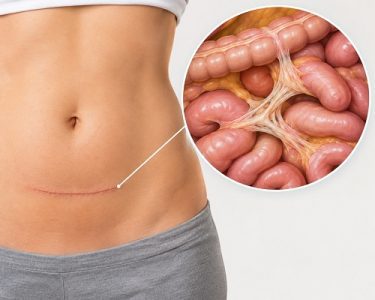
By Abdominal adhesions are bands of scar-like tissue that can form inside the abdomen and cause internal organs or tissues to stick together. They commonly develop after abdominal or pelvic surgery, but they can also occur after infections, inflammation, trauma, or certain medical conditions.
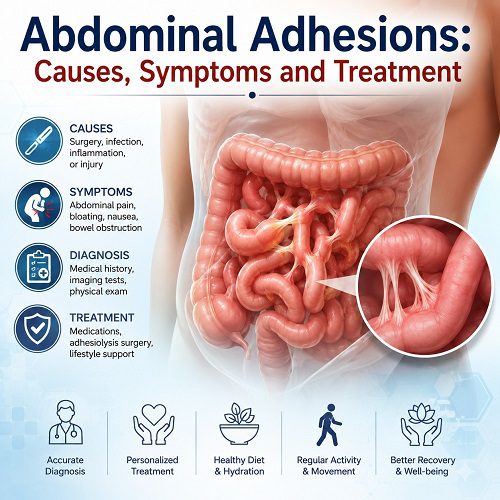
Many people with abdominal adhesions never develop symptoms and may not know they have them. However, in some cases, adhesions can pull on organs, restrict their normal movement, or contribute to complications such as intestinal obstruction. When symptoms occur, they may include chronic or intermittent abdominal pain, bloating, constipation, nausea, vomiting, or difficulty passing gas.
Understanding the causes, symptoms, diagnosis, and treatment options can help people recognize when abdominal symptoms require medical attention. This guide explains abdominal adhesions in detail, including when they may become serious and how doctors approach treatment.
What Are Abdominal Adhesions?
Abdominal adhesions are bands of fibrous tissue that develop between tissues or organs inside the abdomen. Normally, abdominal organs have smooth surfaces that allow them to move against one another relatively freely. After inflammation or injury, the body’s natural healing process can produce scar tissue.
Sometimes this scar tissue connects surfaces that normally should remain separate. These abnormal connections are called adhesions.
Adhesions may form:
- Between sections of the small or large intestine
- Between the intestine and the abdominal wall
- Around the uterus, ovaries, or fallopian tubes
- Around other abdominal or pelvic organs
- At the site of previous abdominal surgery
The size and location of an adhesion can vary considerably. Some are thin and flexible, while others can be thick and restrictive.
Importantly, the presence of an adhesion does not necessarily mean a person will experience symptoms. Many adhesions remain harmless throughout a person’s life.
What Causes Abdominal Adhesions?
The most common cause of abdominal adhesions is previous surgery. Any operation involving the abdomen or pelvis can potentially trigger adhesion formation because surgery causes tissue injury and inflammation as part of the healing process.
1. Abdominal or Pelvic Surgery
Surgical procedures are one of the leading causes of abdominal adhesions. They can occur after both open surgery and minimally invasive procedures, although the risk varies depending on the operation and individual circumstances.
Examples include surgery involving:
- The appendix
- Intestines
- Gallbladder
- Hernias
- Reproductive organs
- Colon
- Stomach
- Pelvic structures
The risk may increase with repeated operations because each procedure can create additional tissue injury and inflammation.
2. Inflammation
Inflammation inside the abdomen can contribute to adhesion formation. Conditions that cause significant inflammation may trigger the body’s healing response and subsequent scar tissue development.
Examples include certain intestinal inflammatory conditions, infections, and inflammation associated with abdominal disease.
3. Abdominal Infections
Certain infections can cause inflammation of the abdominal lining. As the inflammation heals, scar tissue may develop and form adhesions.
A serious abdominal infection can therefore contribute to adhesions even when a person has never undergone abdominal surgery.
4. Trauma
Injury to abdominal tissues can sometimes result in scar tissue formation. Significant trauma may cause inflammation and tissue damage that later contributes to adhesion development.
5. Radiation Therapy
Radiation involving the abdomen or pelvis can damage tissues and lead to fibrosis or scarring. In some circumstances, this may contribute to adhesion formation.
Who Is More Likely to Develop Abdominal Adhesions?
Anyone who has experienced abdominal inflammation or tissue injury may potentially develop adhesions. However, certain factors increase the likelihood.
Risk factors can include:
- Previous abdominal surgery
- Multiple abdominal operations
- Pelvic surgery
- Significant abdominal infection
- Inflammatory conditions
- Abdominal trauma
- Radiation treatment involving the abdomen or pelvis
A person’s risk also depends on the type of surgery or injury, the extent of inflammation, and individual healing characteristics.
Abdominal Adhesions Symptoms
One of the most important things to understand about abdominal adhesions symptoms is that adhesions themselves do not always produce noticeable problems.
Some people have extensive adhesions without symptoms, while others may develop significant discomfort from relatively limited adhesions.
Possible symptoms include:
Abdominal Pain
Chronic or intermittent abdominal pain is one of the symptoms that may occur with adhesions. The pain can sometimes be related to stretching or pulling of tissues as the organs move.
Pain may be:
- Intermittent
- Cramping
- Dull or aching
- Localized to one area
- More noticeable with certain movements
However, abdominal pain has many possible causes, so pain alone cannot confirm the presence of adhesions.
Bloating
Some people experience abdominal fullness or bloating. This may occur when adhesions interfere with normal intestinal movement.
Persistent or severe abdominal swelling, particularly when accompanied by vomiting or inability to pass stool or gas, should be medically evaluated.
Constipation
Adhesions can sometimes contribute to restricted intestinal movement. Depending on their location, they may increase the risk of partial or complete intestinal obstruction.
Constipation can have many other causes, so it should not automatically be attributed to adhesions.
Nausea and Vomiting
Nausea or vomiting may occur when an adhesion contributes to intestinal obstruction. Vomiting accompanied by severe abdominal pain or swelling can be a warning sign requiring urgent evaluation.
Difficulty Passing Gas or Stool
A person experiencing intestinal obstruction may have difficulty passing gas or stool. This symptom becomes particularly concerning when combined with abdominal swelling, cramping, nausea, or vomiting.
Intestinal Obstruction
One of the most serious potential complications is a bowel obstruction. An adhesion can create a bend, twist, or narrowing that prevents intestinal contents from moving normally.
A complete obstruction can become a medical emergency.
When Are Abdominal Adhesions Dangerous?
Most abdominal adhesions are not dangerous by themselves. The major concern is when an adhesion interferes with the intestine or contributes to another complication.
Seek urgent medical attention if you develop symptoms such as:
- Severe or worsening abdominal pain
- Persistent vomiting
- Significant abdominal swelling
- Inability to pass gas or stool
- Fever associated with severe abdominal symptoms
- Rapid deterioration or severe weakness
- Signs of dehydration
These symptoms can occur with bowel obstruction or other serious abdominal conditions and should not be ignored.
Complications of Abdominal Adhesions
Bowel Obstruction
A bowel obstruction occurs when intestinal contents cannot move through the digestive tract normally.
Adhesions can cause obstruction by:
- Pulling on a section of intestine
- Creating a tight band around bowel tissue
- Causing the intestine to bend
- Contributing to twisting of intestinal segments
A partial obstruction may produce intermittent symptoms, whereas a complete obstruction can cause severe symptoms and may require urgent treatment.
Chronic Abdominal Pain
Some individuals experience persistent or recurring abdominal discomfort associated with adhesions. However, doctors need to carefully evaluate other possible causes before concluding that adhesions are responsible.
Female Fertility Problems
Pelvic adhesions may affect reproductive organs and, in some cases, interfere with normal movement of the fallopian tubes or ovaries. This can potentially contribute to fertility difficulties.
People experiencing infertility after pelvic surgery or pelvic inflammation should discuss their medical history with an appropriate healthcare professional.
Adhesion-Related Surgical Complications
Adhesions can make future abdominal surgery more complicated because organs may be attached to surrounding tissues. Surgeons may need to carefully separate these tissues during an operation.
How Are Abdominal Adhesions Diagnosed?
Diagnosing abdominal adhesions can be challenging because adhesions often cannot be seen directly on standard imaging tests.
Doctors usually begin with a detailed medical history and physical examination.
They may ask about:
- Previous abdominal surgeries
- Previous infections
- Abdominal injuries
- Location and duration of pain
- Bowel movements
- Bloating
- Vomiting
- Previous episodes of intestinal obstruction
Imaging Tests
Depending on the symptoms, a healthcare professional may order imaging studies such as:
- Abdominal X-rays
- CT scans
- Ultrasound
- MRI in selected circumstances
These tests may identify complications such as bowel obstruction, inflammation, or other causes of abdominal symptoms. However, uncomplicated adhesions themselves may not be clearly visible.
Surgical Evaluation
In some cases, adhesions are definitively identified during surgery. A minimally invasive procedure called laparoscopy may allow a surgeon to directly inspect the abdominal cavity.
However, surgery is not generally performed simply to look for adhesions when there is no compelling medical reason because surgery itself can cause additional adhesions.
Abdominal Adhesions Treatment
The appropriate abdominal adhesions treatment depends on the severity of symptoms, complications, and overall health.
Many people with adhesions require no treatment at all because they do not experience significant symptoms.
1. Observation and Monitoring
If adhesions are not causing serious symptoms or complications, doctors may recommend monitoring rather than surgery.
This approach avoids exposing the patient to unnecessary surgical risks.
2. Treating Symptoms
Depending on the symptoms and their underlying cause, healthcare professionals may recommend appropriate measures for pain, bowel symptoms, hydration, or other problems.
Treatment should be individualized because abdominal symptoms can result from numerous conditions.
3. Treatment of Bowel Obstruction
If adhesions cause intestinal obstruction, treatment depends on whether the obstruction is partial or complete and whether there are signs of complications.
Medical management may sometimes involve:
- Hospital observation
- Intravenous fluids
- Correction of electrolyte problems
- Temporary restriction of oral food and fluids
- Decompression of the digestive tract when appropriate
- Monitoring for signs that surgery is required
A serious or complete obstruction may require an operation.
4. Adhesiolysis
A surgical procedure used to divide or release adhesions is called adhesiolysis.
It can sometimes be performed using:
- Laparoscopic surgery
- Open abdominal surgery
The appropriate approach depends on the location and extent of the adhesions, the reason for surgery, previous operations, and the patient’s overall condition.
Although adhesiolysis can relieve an obstruction or address other problems caused by adhesions, surgery can also create new adhesions.
Can Abdominal Adhesions Be Prevented?
It is not always possible to prevent abdominal adhesions. However, surgeons may use techniques designed to reduce tissue injury and inflammation.
Preventive approaches may include:
- Using minimally invasive surgical techniques when appropriate
- Handling tissues carefully
- Reducing unnecessary tissue trauma
- Controlling bleeding
- Preventing infection
- Using specialized adhesion-prevention barriers in selected procedures
These methods can reduce risk, but they cannot guarantee that adhesions will not form.
Can Diet Get Rid of Abdominal Adhesions?
Abdominal Adhesions Diet cannot physically remove scar tissue or dissolve abdominal adhesions.
However, dietary choices may be important for overall digestive health, particularly for someone who has experienced bowel symptoms. The appropriate diet depends on the individual’s condition.
People with suspected or confirmed bowel obstruction should not attempt to manage the condition through dietary changes alone. Symptoms such as severe abdominal pain, vomiting, marked swelling, or inability to pass stool or gas require professional medical assessment.
Can Exercise Break Up Abdominal Adhesions?
Exercise cannot reliably remove established internal adhesions.
Gentle physical activity may support general health and normal movement, but people recovering from abdominal surgery should follow their healthcare professional’s advice regarding when and how to resume exercise.
If exercise causes significant abdominal pain, patients should stop and seek appropriate medical guidance.
Abdominal Adhesions After Surgery
Adhesions may develop during the healing process after abdominal surgery. They can form days, weeks, months, or even years after an operation.
This means that a person who develops abdominal symptoms long after surgery should mention their surgical history to their healthcare provider.
However, not every symptom after surgery is caused by adhesions. Other gastrointestinal, muscular, urinary, gynecological, or surgical conditions can cause similar symptoms.
Abdominal Adhesions and Bowel Obstruction
The relationship between adhesions and bowel obstruction is particularly important.
When an adhesion restricts part of the intestine, food, fluid, digestive secretions, and gas may have difficulty moving through the digestive tract.
Symptoms may develop suddenly or gradually.
Possible warning signs include:
- Cramping abdominal pain
- Increasing abdominal swelling
- Nausea
- Vomiting
- Constipation
- Inability to pass gas
- Dehydration
- Weakness
A suspected bowel obstruction should be evaluated promptly because prolonged obstruction can damage the intestine.
What Is the Recovery Like After Adhesiolysis?
Recovery varies depending on the surgical approach and the reason for the procedure.
Factors that may affect recovery include:
- Whether surgery was laparoscopic or open
- The extent of adhesions
- Whether an intestinal obstruction was present
- Whether part of the intestine required repair
- The patient’s overall health
- The presence of complications
Patients should follow their surgeon’s instructions regarding eating, physical activity, wound care, medications, and follow-up appointments.
Do Abdominal Adhesions Come Back After Treatment?
Unfortunately, treating adhesions does not guarantee that they will never return.
Surgery can itself cause additional scar tissue because it involves tissue manipulation and healing. Surgeons therefore generally balance the potential benefits of adhesiolysis against the possibility of creating new adhesions.
For this reason, surgery is usually considered when the expected benefits outweigh the risks.
Frequently Asked Questions About Abdominal Adhesions
Are abdominal adhesions common?
Yes. Adhesions can occur frequently after abdominal or pelvic surgery. However, many people never develop symptoms and may not know they have them.
Can abdominal adhesions cause pain?
They can. Adhesions may sometimes contribute to chronic or intermittent abdominal pain, but abdominal pain has many possible causes.
Can abdominal adhesions go away on their own?
Established adhesions generally do not simply disappear. However, they may remain symptom-free and require no treatment.
Can abdominal adhesions cause constipation?
They can contribute to intestinal narrowing or obstruction in some cases, which may affect bowel movements. Constipation itself has many other possible causes.
Are abdominal adhesions visible on a CT scan?
Adhesions are often difficult to see directly on standard imaging. CT scans can, however, help identify complications such as bowel obstruction and rule out other causes of abdominal symptoms.
Is surgery always required?
No. Most people with adhesions do not require surgery unless the adhesions cause significant complications or symptoms that justify the risks of an operation.
What is the best abdominal adhesions treatment?
There is no single Abdominal Adhesions treatment that is best for everyone. Treatment depends on whether adhesions are causing symptoms, whether an obstruction exists, and the individual’s overall medical situation.
Final Thoughts
Abdominal adhesions are internal bands of scar tissue that most commonly develop after surgery but can also result from inflammation, infection, trauma, or other abdominal injury. Many adhesions cause no symptoms and never require treatment.
When problems occur, abdominal adhesions symptoms may include abdominal pain, bloating, constipation, nausea, vomiting, or difficulty passing gas or stool. The most serious complication is intestinal obstruction, which can require urgent medical treatment.
The appropriate abdominal adhesions treatment depends on the severity of the condition. Mild or symptom-free adhesions may simply be monitored, while bowel obstruction or significant complications may require hospital treatment or surgery such as adhesiolysis.
Because abdominal adhesions can resemble many other digestive conditions, persistent or severe abdominal symptoms should be evaluated by a qualified healthcare professional. Prompt medical attention is especially important when severe pain, persistent vomiting, abdominal swelling, fever, or inability to pass stool or gas occurs.
Medical disclaimer: This article is for general educational purposes and does not replace diagnosis or treatment from a qualified healthcare professional. Severe abdominal pain, persistent vomiting, significant swelling, fever, fainting, or inability to pass stool or gas can require urgent medical evaluation.