
 By
By Polycystic Kidney Disease (PKD) is a hereditary condition that goes far beyond simply affecting the kidneys. It is a progressive and complex genetic disorder characterized by the growth of numerous fluid-filled cysts in the kidneys, which can gradually compromise kidney function over time. However, PKD is not confined to the kidneys alone—it can have wide-ranging effects on other organs and systems in the body, including the liver, blood vessels, and even the brain.
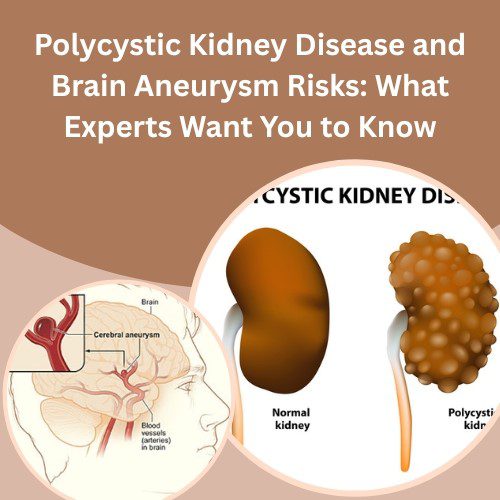
One of the most serious yet often overlooked complications associated with PKD is the increased risk of developing a brain aneurysm, a potentially life-threatening condition in which weakened blood vessels in the brain form bulges that can rupture without warning. Many individuals with PKD may be unaware of this hidden danger, as brain aneurysms often remain silent until severe symptoms appear.
Understanding polycystic kidney disease and brain aneurysm risks is essential for patients, caregivers, and families. Awareness allows individuals to monitor warning signs, undergo appropriate screenings, and take proactive steps to manage their health. By gaining a comprehensive understanding of the condition and its potential complications, patients can make informed decisions, reduce risks, and seek timely medical care when necessary, ultimately improving long-term outcomes and quality of life.
Understanding Polycystic Kidney Disease (PKD)
Polycystic Kidney Disease is a genetic disorder in which clusters of fluid-filled cysts develop inside the kidneys. Over time, these cysts grow in size and number, causing the kidneys to enlarge and lose their ability to function effectively.
PKD is one of the most common hereditary kidney diseases worldwide, affecting millions of people. It develops over many years, which is why symptoms often remain unnoticed until adulthood.
Types of PKD
Autosomal Dominant Polycystic Kidney Disease (ADPKD)
This is the most common form, accounting for about 90% of all PKD cases. A parent with ADPKD has a 50% chance of passing the gene to their child. Symptoms usually appear between the ages of 30 and 50, but cyst formation begins long before symptoms become visible.
Autosomal Recessive Polycystic Kidney Disease (ARPKD)
ARPKD is less common and more severe. Both parents must carry the recessive gene for the child to develop the disease. Symptoms often appear in infancy or early childhood.
How PKD Affects the Kidneys
As cysts grow, they apply pressure on kidney tissues. This reduces blood filtration efficiency and leads to several complications:
- High blood pressure
- Pain due to enlarged kidneys
- Kidney stones
- Blood in urine
- Recurrent kidney infections
- Gradual kidney failure
Over time, PKD can cause the kidneys to become massively enlarged—sometimes weighing several kilograms. Many patients start to notice abdominal fullness or discomfort as the kidneys expand. This phenomenon is related to the condition often described as polycystic kidney disease enlarged kidney.
Causes of Polycystic Kidney Disease
PKD occurs due to mutations in genes responsible for kidney cell structure and function. These genetic abnormalities lead to uncontrolled cyst growth and fluid accumulation.
Genetic Mutations in ADPKD
Mutations in the PKD1 or PKD2 genes disrupt kidney tubule development.
- PKD1 mutation: more severe, faster progression
- PKD2 mutation: milder, slower progression
Genetic Mutations in ARPKD
This form is caused by mutations in the PKHD1 gene.
Other Contributing Factors
While genetics are the primary cause, certain lifestyle choices and underlying conditions may accelerate cyst growth or worsen kidney function. This is why many patients explore dietary approaches, such as learning how eating the right foods can help manage kidney disease symptoms, even though diet alone cannot cure PKD.
Common Symptoms of PKD
Symptoms vary depending on the extent of cyst growth and kidney damage. Many people remain asymptomatic for years.
Kidney-Related Symptoms
- Persistent flank or back pain
- Blood in urine (hematuria)
- Kidney stones
- Recurrent urinary tract infections
- Urinary frequency or urgency
- High blood pressure (very common)
Whole-Body Symptoms
- Abdominal fullness
- Chronic fatigue
- Joint pain
- Headaches (occasionally linked to aneurysms)
Complications Beyond the Kidneys
PKD is systemic. It may also affect:
- The liver (cyst formation)
- Pancreas
- Spleen
- Blood vessels
- Heart valves
Because PKD affects vascular structure, it can create weaknesses in blood vessel walls, leading to one of the most serious, silent risks—brain aneurysms.
What Is a Brain Aneurysm?
A brain aneurysm is an abnormal bulge or ballooning in a blood vessel in the brain. It occurs when a weak spot in the vessel wall expands under pressure. While many aneurysms never rupture, a burst aneurysm can cause subarachnoid hemorrhage, a life-threatening emergency.
Symptoms of a ruptured aneurysm include:
- Sudden, severe headache (“thunderclap headache”)
- Loss of consciousness
- Seizures
- Nausea and vomiting
- Stiff neck
- Blurred vision
- Confusion or coma
This life-threatening event is why understanding brain aneurysm and polycystic kidney disease is critical for early screening and prevention.
Symptoms of Brain Aneurysms in PKD Patients
Most aneurysms are “silent,” meaning they cause no symptoms unless they grow large or rupture. However, some warning signs may appear:
- Severe, persistent headaches
- Vision changes
- Pain above or around the eye
- Numbness or tingling in the face
- Balance issues
- Difficulty concentrating
Because these symptoms overlap with other conditions, regular medical screening becomes essential.
The Link Between PKD and Brain Aneurysms
One of the most important areas of awareness for PKD patients is understanding the relationship between this kidney condition and aneurysms in the brain.
Why PKD Increases the Risk of Brain Aneurysms
Studies show that individuals with PKD are four to five times more likely to develop brain aneurysms compared to the general population. The increased risk results from:
Weakness in Blood Vessel Walls
PKD affects various connective tissues in the body. This also includes the arteries. Genetic mutations weaken the vessel walls, making them more prone to ballooning.
Hypertension (High Blood Pressure)
High blood pressure is extremely common in PKD patients. Over time, high pressure damages and weakens blood vessels, promoting aneurysm formation.
Family History
People with PKD who have a family history of aneurysms are at significantly higher risk.
Increased Vascular Fragility
Because PKD impacts tissues beyond the kidneys, the entire vascular system may become susceptible to structural abnormalities. This creates what experts describe as a strong correlation between polycystic kidney disease and brain aneurysm, especially in adults over the age of 40.
When Should PKD Patients Be Screened for Brain Aneurysms?
Experts recommend aneurysm screening for PKD patients who have:
- A family history of brain aneurysms
- Unexplained severe headaches
- High-risk occupations (pilots, crane operators, drivers)
- Prior aneurysm rupture
- Severe hypertension
- Preparing for major surgery
- Fear or anxiety about aneurysm risk
Screening usually involves:
- Magnetic Resonance Angiography (MRA) – most preferred
- Computed Tomography Angiography (CTA)
- MRI for general brain evaluation
These tests can detect even small aneurysms before they become dangerous.
Managing PKD to Reduce Aneurysm Risk
While PKD has no cure, proper management can slow disease progression and reduce aneurysm dangers.
Control Blood Pressure
This is the most critical step. Target BP for PKD patients is generally below 130/80 mmHg.
Recommended approaches include:
- Low-sodium diet
- Regular physical activity
- Maintaining healthy weight
- Medications (ACE inhibitors, ARBs)
Some patients also explore supportive approaches like herbal treatment for polycystic kidney disease, but these should always be discussed with a physician to avoid harmful interactions.
Regular Kidney Function Monitoring
Routine tests include:
- eGFR
- Creatinine levels
- Urinalysis
- Imaging to track cyst growth
Lifestyle Adjustments
- Avoid smoking
- Limit alcohol
- Stay hydrated
- Maintain healthy cholesterol levels
Diet plays a major role in slowing kidney decline. For example, understanding what foods damage your kidneys can help patients avoid harmful choices and focus on kidney-friendly options.
Treat Cysts and Related Complications
This may involve:
- Pain management
- Antibiotics for infections
- Procedures to drain large cysts
- Monitoring for liver cysts
Some patients seek natural support such as natural remedies for polycystic kidney disease and tips for a healthy diet, though these should complement—not replace—medical care.
Living With PKD: What Patients Should Know
Pregnancy Considerations
Women with PKD often have safe pregnancies, but the condition requires careful monitoring. High blood pressure and preeclampsia risks are higher. Healthcare providers often give extra attention to polycystic kidney disease pregnancy cases to protect both mother and baby.
Adult-Onset PKD Awareness
Many people do not discover they have PKD until adulthood. Learning about adult polycystic kidney disease what you need to know allows patients to recognize early symptoms and understand long-term care options.
Natural and Complementary Approaches
Some patients explore methods such as top remedies for managing adult polycystic kidney disease naturally or inquire about what natural treatments for reversing polycystic kidney disease, but it is important to remember that natural treatments do not cure PKD. They may, however, support kidney health when combined with medical guidance.
Exploring Herbal Supplements
Some individuals consider products like Polcical for kidney restore kidney cleanse herbal supplement, though these should only be used after medical consultation, as supplements can interact with prescribed medications.
Expert Insights on PKD and Brain Aneurysm Risks
Healthcare specialists emphasize several critical points:
PKD Patients Should Not Ignore Headaches
Severe or unusual headaches should be evaluated promptly, especially in adults with long-standing PKD or hypertension.
Early Detection Saves Lives
Aneurysms detected early can often be treated before they rupture. This dramatically reduces complications and mortality.
Family Screening Is Important
Since PKD is hereditary, family members may also require testing—especially if aneurysm history exists.
Protecting the Kidneys Helps Protect the Brain
Good kidney management also lowers blood pressure and reduces vascular strain, decreasing aneurysm risk.
Lifestyle Modifications Make a Significant Difference
Diet, hydration, and blood pressure control have a profound impact on long-term outcomes.
Treatment Options for Brain Aneurysms in PKD Patients
Treatment depends on size, location, and rupture risk.
Non-Surgical Monitoring
Small aneurysms may be monitored through periodic scans.
Surgical Intervention
- Endovascular coiling
- Minimally invasive
- Involves filling the aneurysm with coils
- Reduces rupture risk
- Surgical clipping
- Open surgery
- A metal clip is placed at the aneurysm base
- Prevents blood flow into the aneurysm
These procedures are highly effective when performed before an aneurysm ruptures.
Final Thoughts
Polycystic Kidney Disease and Brain Aneurysm Risks represent a critical aspect of living with PKD that patients and their families must understand. This genetic condition is more than just a kidney disorder; it can affect multiple organs and systems in the body, with serious implications for the brain. The connection between PKD and the development of brain aneurysms highlights the importance of vigilance, early detection, and proactive management.
With regular medical monitoring, lifestyle adjustments, and awareness of potential symptoms, individuals with PKD can take meaningful steps to protect both their kidney and brain health. While the risks may feel daunting, informed decision-making, timely screenings, and adherence to expert medical guidance empower patients to manage the condition effectively and maintain a better quality of life over the long term.


