 By
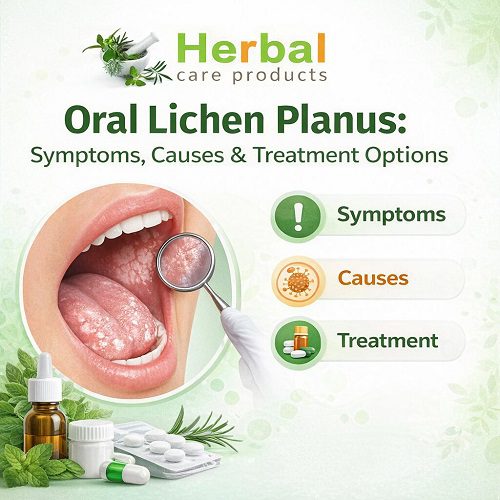
By Oral Lichen Planus is a chronic inflammatory condition that affects the mucous membranes inside the mouth. It can cause discomfort, irritation, and visible changes in the oral tissues such as white patches in mouth, redness, swelling, and painful sores. Although the condition is not contagious, it can significantly affect a person’s quality of life, especially when eating, speaking, or maintaining oral hygiene.
Many people discover mouth lichen planus during routine dental examinations because symptoms can sometimes be mild or go unnoticed in the early stages. However, in more severe cases, the condition can cause burning, sensitivity to certain foods, and persistent oral pain.
The exact cause of Oral Lichen Planus is still not completely understood, but it is believed to be related to an immune system disorder in which the body mistakenly attacks the cells of the oral mucous membranes. This condition can occur alone or alongside skin lichen planus and may last for years with periods of flare-ups and remission.
We will provides a comprehensive overview of Oral Lichen Planus, including its symptoms, causes, risk factors, diagnosis, and the most effective oral lichen planus treatment options available today.
What is Oral Lichen Planus?
Oral Lichen Planus (OLP) is a long-term inflammatory disease that affects the lining of the mouth. It belongs to a group of autoimmune conditions where the immune system mistakenly attacks healthy tissues.
In this case, the immune system targets the mucous membrane cells inside the mouth, leading to inflammation and the formation of characteristic white patches in mouth, lace-like patterns, redness, and painful ulcers.
Oral Lichen Planus can appear in several areas of the mouth, including:
- Inner cheeks
- Gums
- Tongue
- Lips
- Roof of the mouth
- Floor of the mouth
The condition often develops gradually and may persist for many years. While some individuals experience only mild symptoms, others may suffer from persistent burning, pain, and discomfort that interferes with daily activities like eating and speaking.
Types of Oral Lichen Planus
There are several clinical forms of mouth lichen planus, each with different appearances and symptom severity.
1. Reticular Oral Lichen Planus
This is the most common and usually the least painful type.
Characteristics include:
- White lace-like lines (Wickham’s striae)
- White patches in mouth
- Typically appears on the inner cheeks
- Usually painless
Many people with this form may not realize they have the condition until it is discovered during a dental exam.
2. Erosive Oral Lichen Planus
This is a more severe form that can cause significant discomfort.
Symptoms include:
- Red, inflamed tissues
- Painful ulcers
- Severe burning sensation
- Difficulty eating spicy or acidic foods
This form often requires medical management and targeted oral lichen planus treatment.
3. Atrophic Oral Lichen Planus
Atrophic OLP causes thinning of the mucosal tissues and is often associated with redness and sensitivity.
Symptoms include:
- Red patches
- Tender gums
- Gum irritation
- Oral discomfort
It is commonly seen on the gums and may resemble gum disease.
4. Plaque-Like Oral Lichen Planus
This type resembles leukoplakia and appears as thick white patches in mouth.
It is often seen on the tongue or inner cheeks and may be mistaken for other oral conditions.
Symptoms of Oral Lichen Planus
The symptoms of Oral Lichen Planus vary depending on the severity and type of the condition.
Some individuals may have mild symptoms, while others experience persistent pain and irritation.
Common Symptoms
Typical symptoms include:
- White patches in mouth
- Lace-like white lines on oral tissues
- Red swollen tissues
- Painful sores
- Bleeding gums
- Sensitivity to spicy or acidic foods
- Metallic taste in the mouth
- Burning sensation
- Dry mouth
Pain and Burning Sensation
One of the most troubling symptoms of mouth lichen planus is a constant burning or stinging sensation in the mouth.
This sensation often worsens when consuming:
- Spicy foods
- Citrus fruits
- Alcohol
- Hot beverages
In severe cases, even brushing teeth may cause discomfort.
White Patches in the Mouth
The appearance of white patches in mouth is one of the most recognizable signs of Oral Lichen Planus.
These patches may appear as:
- Thin white lines
- Lace-like patterns
- Thick plaques
- Irregular patches
They are most commonly found on the inner cheeks but can also appear on the tongue and gums.
Causes of Oral Lichen Planus
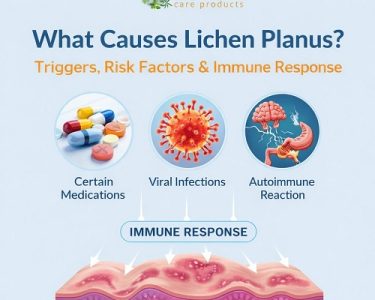
The exact cause of Oral Lichen Planus remains unknown, but research suggests that it is related to immune system dysfunction.
The immune system mistakenly attacks healthy cells in the mouth lining, causing inflammation and tissue damage.
Possible Causes
Several factors may contribute to the development of mouth lichen planus.
1. Autoimmune Response
Most experts believe that Oral Lichen Planus is an autoimmune disorder.
In this condition, immune cells called T-cells attack the mucosal cells inside the mouth.
2. Genetic Factors
Some individuals may have a genetic predisposition to developing autoimmune conditions like Oral Lichen Planus.
Family history may increase the risk.
3. Stress and Emotional Factors
Psychological stress has been linked to flare-ups of mouth lichen planus.
Stress may trigger immune responses that worsen inflammation.
4. Certain Medications
Some medications may cause reactions that resemble Oral Lichen Planus.
These include:
- Blood pressure medications
- Anti-inflammatory drugs
- Antimalarial drugs
- Certain antibiotics
This condition is known as oral lichenoid reaction.
5. Allergic Reactions
Dental materials or oral products may sometimes trigger symptoms.
Possible allergens include:
- Dental fillings
- Toothpaste ingredients
- Mouthwash chemicals
- Flavoring agents
6. Hepatitis C Infection
Research suggests a possible link between Oral Lichen Planus and Hepatitis C infection in some populations.
However, the relationship is not fully understood.
Risk Factors for Oral Lichen Planus
Several factors may increase the likelihood of developing Oral Lichen Planus.
These include:
- Middle age
- Female gender
- Autoimmune diseases
- Chronic stress
- Hepatitis C infection
- Allergic reactions to dental materials
- Smoking or tobacco use
Although the condition can affect anyone, it is most commonly diagnosed in adults over the age of 40.
Is Oral Lichen Planus Contagious?
No, Oral Lichen Planus is not contagious.
It cannot be spread through:
- Kissing
- Sharing utensils
- Close contact
- Airborne transmission
Because the condition is immune-related, it develops internally rather than from infection.
Diagnosis of Oral Lichen Planus
Dentists and oral specialists usually diagnose Oral Lichen Planus through a clinical examination.
However, additional tests may be required to confirm the diagnosis.
1. Oral Examination
The dentist carefully examines the mouth to identify:
- White patches in mouth
- Ulcers or sores
- Lace-like patterns
- Red inflamed areas
The appearance of Wickham’s striae is often a strong indicator.
2. Biopsy
A biopsy involves removing a small tissue sample from the affected area for laboratory analysis.
This helps confirm the presence of mouth lichen planus and rule out other conditions.
3. Blood Tests
Blood tests may be recommended to check for:
- Hepatitis C
- Nutritional deficiencies
- Other autoimmune conditions
Oral Lichen Planus Treatment Options
There is currently no permanent cure for Oral Lichen Planus, but several treatments can help manage symptoms and reduce flare-ups.
The goal of oral lichen planus treatment is to:
- Reduce inflammation
- Control pain
- Heal ulcers
- Prevent complications
1. Corticosteroid Medications
Corticosteroids are the most common treatment for mouth lichen planus.
They help reduce inflammation and relieve symptoms.
Forms include:
- Topical gels
- Mouth rinses
- Tablets
- Injections (in severe cases)
2. Immunosuppressant Drugs
When corticosteroids are not effective, doctors may prescribe medications that suppress the immune system.
These include:
- Tacrolimus
- Cyclosporine
- Azathioprine
These drugs reduce the immune response that causes tissue damage.
3. Pain Relief Medications
Pain management may involve:
- Numbing mouth rinses
- Lidocaine gels
- Anti-inflammatory medications
These help relieve burning and discomfort during flare-ups.
4. Antifungal Treatment
Sometimes steroid use may cause oral fungal infections.
Doctors may prescribe antifungal medications to prevent or treat these infections.
5. Lifestyle and Dietary Changes
Certain lifestyle adjustments can help manage symptoms of Oral Lichen Planus.
These include:
Avoiding:
- Spicy foods
- Acidic foods
- Alcohol
- Tobacco
Eating soft, non-irritating foods can help reduce discomfort.
Home Remedies for Oral Lichen Planus
While medical treatment is often necessary, some home remedies may help relieve symptoms.
These include:
Salt Water Rinse
Saltwater rinses help reduce inflammation and promote healing.
Aloe Vera Gel
Aloe vera may soothe irritated tissues and reduce burning sensations.
Turmeric
Turmeric contains anti-inflammatory properties that may help reduce symptoms.
Coconut Oil
Oil pulling with coconut oil may support oral health.
However, home remedies should not replace professional oral lichen planus treatment.
Potential Complications
In most cases, Oral Lichen Planus is manageable, but complications may occur if the condition becomes severe or persistent.
Possible complications include:
- Chronic oral pain
- Difficulty eating
- Gum disease
- Secondary infections
- Nutritional deficiencies
Risk of Oral Cancer
Some studies suggest that erosive mouth lichen planus may slightly increase the risk of oral cancer.
However, the risk remains relatively low.
Regular dental checkups are important for monitoring changes in the mouth.
Prevention and Management Tips
Although Oral Lichen Planus cannot always be prevented, certain habits may reduce flare-ups.
Maintain Good Oral Hygiene
Brush and floss regularly using mild toothpaste.
Avoid Irritating Foods
Limit spicy, acidic, or very hot foods that can worsen burning sensations.
Reduce Stress
Stress management techniques such as meditation and exercise may help control symptoms.
Visit the Dentist Regularly
Routine dental exams help detect early signs of white patches in mouth or other oral changes.
When to See a Doctor
You should seek medical advice if you notice:
- Persistent white patches in mouth
- Painful oral sores
- Severe burning sensation
- Difficulty eating or speaking
- Changes in oral tissue appearance
Early diagnosis allows for timely oral lichen planus treatment and better symptom control.
Living with Oral Lichen Planus
Living with Oral Lichen Planus can be challenging, especially during flare-ups. However, with proper treatment, lifestyle adjustments, and regular dental care, many people successfully manage their symptoms.
Maintaining good communication with your dentist or healthcare provider is essential for monitoring the condition and adjusting treatments as needed.
Support groups and patient education can also help individuals cope with the long-term nature of the condition.
Conclusion
Oral Lichen Planus is a chronic inflammatory condition that affects the mucous membranes of the mouth. While the exact cause remains unclear, it is believed to involve immune system dysfunction.
The condition may present with white patches in mouth, redness, painful sores, and a persistent burning sensation that can interfere with daily activities.
Although there is no permanent cure, several effective oral lichen planus treatment options are available, including corticosteroids, immune-modulating medications, pain relief therapies, and lifestyle changes.
Early diagnosis and proper management are essential to control symptoms, prevent complications, and maintain oral health. If you notice persistent oral discomfort or unusual patches in your mouth, it is important to consult a dental professional for evaluation and guidance.
With the right care and awareness, individuals with mouth lichen planus can lead comfortable and healthy lives.