
 By
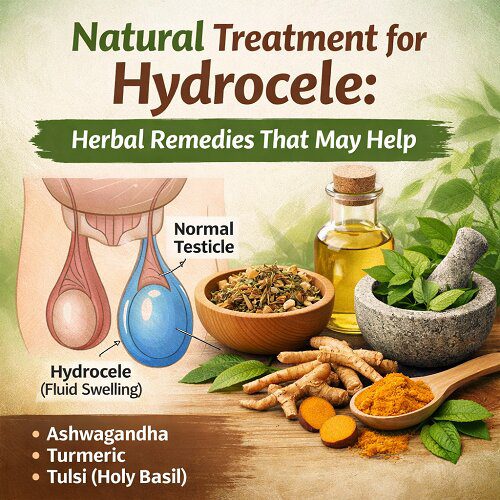
By Hydrocele is a relatively common medical condition characterized by the accumulation of fluid around the testicles, leading to swelling in the scrotum. While it is generally painless and not life-threatening, it can cause discomfort, embarrassment, and concern for many individuals. Conventional treatments often involve surgical procedures, especially when the condition persists or worsens. However, many people are increasingly exploring alternative approaches, particularly Natural Treatment for Hydrocele, to manage symptoms and potentially reduce the condition without invasive interventions.
Understanding Hydrocele
A hydrocele occurs when fluid accumulates in the thin sac surrounding the testicle. It is more common in newborns but can also affect adult men, particularly those over 40.
Types of Hydrocele
- Congenital Hydrocele
Occurs in infants due to incomplete closure of the inguinal canal. - Acquired Hydrocele
Develops in adults, often due to injury, infection, or inflammation.
Causes
- Injury or trauma to the scrotum
- Infection (such as epididymitis)
- Inflammation
- Poor lymphatic drainage
- Post-surgical complications
Symptoms
- Swelling in one or both testicles
- A feeling of heaviness
- Mild discomfort
- Fluctuation in size throughout the day
Why Consider Natural Treatment for Hydrocele?
Many individuals prefer Natural Remedies for Hydrocele Treatment several reasons:
- Avoidance of surgery and its risks
- Lower cost
- Fewer side effects
- Holistic healing approach
While natural remedies may not eliminate all hydroceles, they can help reduce swelling, improve circulation, and support the body’s healing mechanisms.
Herbal Remedies That May Help
1. Ginger (Zingiber officinale)
Ginger is widely known for its anti-inflammatory and circulation-boosting properties.
Benefits:
- Reduces inflammation
- Improves blood flow
- Helps in fluid regulation
How to Use:
- Drink ginger tea twice daily
- Add fresh ginger to meals
- Mix ginger juice with honey for better results
2. Turmeric (Curcuma longa)
Turmeric contains curcumin, a powerful anti-inflammatory compound.
Benefits:
- Reduces swelling
- Fights infection
- Supports immune function
How to Use:
- Mix turmeric powder in warm milk (golden milk)
- Apply turmeric paste externally (with caution)
- Take turmeric supplements (after consulting a doctor)
3. Epsom Salt Baths
Though not a herb, Epsom salt is a natural mineral remedy often used alongside herbal treatments.
Benefits:
- Relaxes muscles
- Reduces swelling
- Improves circulation
How to Use:
- Add 1–2 cups of Epsom salt to warm bath water
- Soak for 15–20 minutes regularly
4. Neem (Azadirachta indica)
Neem has strong antibacterial and anti-inflammatory properties.
Benefits:
- Fights infections
- Reduces inflammation
- Detoxifies the body
How to Use:
- Drink neem leaf extract in small quantities
- Apply neem oil diluted with a carrier oil externally
5. Ashwagandha (Withania somnifera)
Ashwagandha is an adaptogenic herb used in traditional medicine.
Benefits:
- Reduces stress
- Supports hormonal balance
- Boosts immunity
How to Use:
- Take ashwagandha powder with warm milk
- Use standardized supplements as directed
6. Aloe Vera
Aloe vera is well known for its soothing and healing properties.
Benefits:
- Reduces inflammation
- Promotes tissue healing
- Hydrates the skin
How to Use:
- Apply fresh aloe vera gel externally
- Drink aloe vera juice in moderation
7. Triphala
A traditional herbal formulation consisting of three fruits.
Benefits:
- Detoxifies the body
- Improves digestion
- Supports lymphatic drainage
How to Use:
- Take Triphala powder with warm water before bedtime
8. Garlic (Allium sativum)
Garlic is a powerful natural anti-inflammatory and immune booster.
Benefits:
- Reduces swelling
- Improves blood circulation
- Fights infection
How to Use:
- Eat raw garlic cloves daily
- Add garlic to cooked meals
9. Castor Oil
Castor oil has been traditionally used for reducing swelling and improving lymphatic flow.
Benefits:
- Reduces inflammation
- Enhances circulation
- Promotes detoxification
How to Use:
- Gently massage warm castor oil onto the affected area
- Use a warm compress afterward
Lifestyle Changes to Support Natural Treatment for Hydrocele
Herbal remedies work best when combined with healthy lifestyle habits.
1. Maintain Proper Hygiene
Keeping the genital area clean and dry helps prevent infections.
2. Wear Supportive Underwear
Supportive undergarments can reduce discomfort and swelling.
3. Stay Hydrated
Adequate hydration helps regulate fluid balance in the body.
4. Avoid Heavy Lifting
Strenuous activities can worsen the condition.
5. Balanced Diet
Include:
- Fresh fruits and vegetables
- Anti-inflammatory foods
- Whole grains
Avoid:
- Processed foods
- Excess salt
- Alcohol
Yoga and Physical Therapies
Gentle physical activity can improve circulation and lymphatic drainage.
Recommended Practices:
- Light stretching
- Breathing exercises (pranayama)
- Gentle yoga poses like:
- Viparita Karani (Legs-Up-the-Wall Pose)
- Baddha Konasana (Butterfly Pose)
These practices should be performed under guidance, especially for beginners.
When to Seek Medical Attention
While Natural Treatment for Hydrocele can be helpful, certain situations require professional care:
- Sudden or severe pain
- Rapid increase in swelling
- Signs of infection (fever, redness)
- Hydrocele persisting for months
In such cases, a doctor may recommend imaging tests or surgical intervention.
Limitations of Natural Remedies
It is important to understand that:
- Natural remedies may not completely cure large or chronic hydroceles
- Results vary from person to person
- Consistency is key for noticeable improvements
Natural treatments are best viewed as supportive rather than definitive cures.
Scientific Perspective
While many herbal remedies have anti-inflammatory and healing properties, scientific evidence specifically targeting hydrocele is limited. Most benefits are based on:
- Traditional medicine systems (Ayurveda, Unani, etc.)
- General anti-inflammatory effects
- Improved circulation and immune response
More clinical research is needed to validate these remedies specifically for hydrocele.
Safety Considerations
Before starting any herbal treatment:
- Consult a healthcare provider
- Check for allergies
- Avoid mixing multiple strong herbs without guidance
- Use high-quality, trusted sources
Pregnant individuals or those with chronic illnesses should be especially cautious.
Combining Natural and Medical Approaches
In many cases, the best approach is integrative:
- Use herbal remedies for symptom relief
- Follow medical advice for diagnosis and monitoring
- Adopt healthy lifestyle practices
This balanced strategy ensures both safety and effectiveness.
Frequently Asked Questions (FAQs)
1. Can hydrocele go away naturally?
Yes, especially in mild cases, hydrocele can resolve without treatment. Natural remedies may support this process.
2. How long does natural treatment take?
Results vary, but consistent use of herbal remedies and lifestyle changes may show improvements over weeks to months.
3. Is surgery always necessary?
No, surgery is typically recommended only for persistent or severe cases.
4. Are herbal remedies safe?
Generally, yes—if used correctly. Always consult a healthcare provider before starting.
Conclusion
Hydrocele is a manageable condition that often resolves on its own or with minimal intervention. For those seeking alternatives to surgery, Natural Treatment for Hydrocele offers a range of herbal and lifestyle-based options that may help reduce swelling, improve comfort, and support overall health.
Herbs like ginger, turmeric, neem, and ashwagandha, along with supportive practices such as proper hygiene, balanced nutrition, and gentle exercise, can play a valuable role in managing the condition naturally. However, it is crucial to maintain realistic expectations and seek medical advice when necessary.
By combining traditional wisdom with modern awareness, individuals can take a proactive and informed approach to managing hydrocele naturally and effectively.