 By
By Lichen planus is a chronic inflammatory condition that affects the skin, mouth, nails, scalp, and sometimes the genital area. It often appears as itchy, purplish, flat-topped bumps on the skin or as white lacy patches in the mouth. Although the condition is not contagious, it can cause significant discomfort and impact quality of life.
Because the exact cause of lichen planus is not fully understood, treatment typically focuses on managing symptoms, reducing inflammation, and preventing complications. Many patients benefit from a combination of medical therapies, lifestyle adjustments, and natural approaches.
We will explores lichen planus treatment, including medical medications, steroid treatment for lichen planus, natural remedies, and home treatment options. Understanding the available treatment approaches can help patients manage symptoms effectively and support long-term skin and oral health.
Understanding Lichen Planus
Before discussing treatment options, it is important to understand what lichen planus is and why it occurs.
Lichen planus is believed to be an autoimmune-related inflammatory disorder in which the immune system mistakenly attacks skin or mucous membrane cells. This results in inflammation, itching, and characteristic lesions.
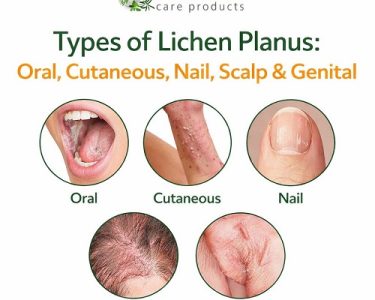
Common Types of Lichen Planus
Different forms of lichen planus may require slightly different treatment approaches.
1. Cutaneous Lichen Planus
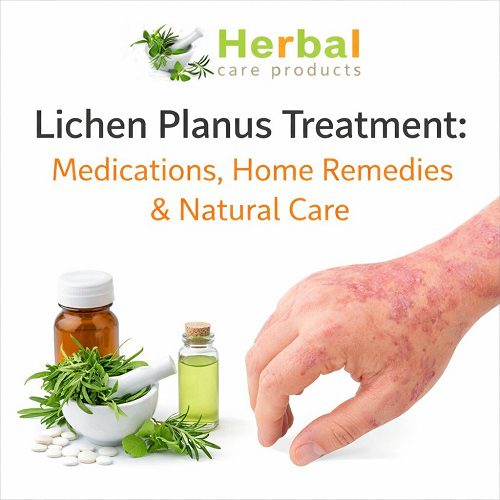
This type affects the skin and appears as purple, shiny, polygonal bumps that may itch intensely.
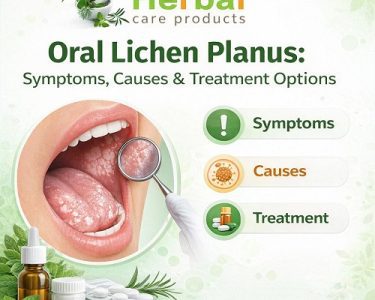
2. Oral Lichen Planus
Occurs inside the mouth, presenting as white patches, redness, swelling, or painful sores.
3. Genital Lichen Planus
Can affect both men and women, causing irritation and discomfort.
4. Nail Lichen Planus
This rare form affects fingernails or toenails and may cause thinning, ridging, or nail loss.
5. Lichen Planopilaris
Affects the scalp and may lead to hair loss.
Each type may require tailored lichen planus treatment strategies depending on severity and affected area.
Symptoms of Lichen Planus
Symptoms vary depending on the affected body area but often include:
- Purple or reddish skin bumps
- Flat-topped itchy lesions
- White lacy patches in the mouth
- Burning or painful oral sores
- Nail ridging or thinning
- Hair loss when scalp is involved
- Dark pigmentation after healing
Symptoms may persist for months or even years without treatment.
Causes and Risk Factors
The exact cause of lichen planus remains unclear, but several triggers have been identified.
Possible Causes
- Autoimmune reactions
- Genetic susceptibility
- Certain medications
- Viral infections
- Allergic reactions
- Stress and immune dysfunction
Some medications used for blood pressure, arthritis, and heart disease may trigger lichenoid reactions similar to lichen planus.
Goals of Lichen Planus Treatment
Because there is no universal cure, lichen planus treatment focuses on:
- Reducing inflammation
- Relieving itching and pain
- Preventing flare-ups
- Healing skin lesions
- Preventing complications such as scarring or infection
Treatment depends on symptom severity, affected area, and overall patient health.
Medical Lichen Planus Treatment Options
Medical therapies are usually recommended when symptoms are severe, persistent, or affecting sensitive areas.
1. Steroid Treatment for Lichen Planus
Corticosteroids are considered the first-line treatment for many cases.
Topical Steroids
Topical steroid creams or ointments help reduce inflammation and itching.
Commonly prescribed options include:
- Hydrocortisone
- Clobetasol
- Betamethasone
These medications are applied directly to the lesions and can significantly improve symptoms.
Oral Steroids
In severe or widespread cases, doctors may prescribe oral corticosteroids to control inflammation throughout the body.
Steroid Injections
For stubborn lesions, dermatologists may inject steroids directly into affected skin areas.
While steroid treatment for lichen planus can be very effective, prolonged use must be carefully monitored to avoid side effects such as skin thinning.
2. Antihistamines
Antihistamines help reduce itching and improve comfort, especially when itching disrupts sleep.
They do not treat the underlying inflammation but provide symptom relief.
3. Retinoids
Retinoids derived from vitamin A may be prescribed for severe or resistant cases.
These medications help regulate skin cell growth and reduce inflammation.
Retinoids can be used in topical or oral form, but oral versions require careful monitoring due to potential side effects.
4. Immunosuppressant Medications
Since lichen planus involves an immune response, immunosuppressive drugs may help in difficult cases.
Examples include medications that reduce immune activity and prevent further skin damage.
These treatments are usually reserved for severe cases under specialist supervision.
5. Phototherapy (Light Therapy)
Phototherapy uses ultraviolet (UV) light to reduce inflammation and slow abnormal skin cell growth.
It is often recommended for widespread skin lesions.
Treatment usually involves several sessions over multiple weeks.
6. Treatment for Oral Lichen Planus
Oral lichen planus requires special care.
Common treatments include:
- Corticosteroid mouth rinses
- Medicated oral gels
- Pain-relief gels
- Immune-modulating medications
Good oral hygiene is essential to prevent worsening symptoms.
Home Treatment for Lichen Planus
In addition to medical therapy, several home treatment lichen planus methods can help reduce discomfort and support healing.
1. Maintain Proper Skin Care
Gentle skin care routines can reduce irritation and prevent flare-ups.
Helpful practices include:
- Using fragrance-free moisturizers
- Avoiding harsh soaps
- Keeping skin hydrated
Moisturizing regularly can reduce itching and dryness.
2. Cold Compress
Cold compresses can temporarily relieve itching and inflammation.
Apply a clean cold cloth to affected areas for 10–15 minutes.
This simple remedy can help soothe irritated skin.
3. Avoid Skin Irritants
Certain products may trigger or worsen symptoms.
Avoid:
- Perfumed cosmetics
- Harsh detergents
- Synthetic fabrics
- Excessive sun exposure
Switching to gentle, hypoallergenic products can help manage symptoms.
4. Stress Management
Stress is known to worsen many autoimmune conditions, including lichen planus.
Stress-reducing activities may include:
- Meditation
- Yoga
- Deep breathing exercises
- Regular physical activity
Reducing stress may help prevent flare-ups.
5. Oral Hygiene for Oral Lichen Planus
People with oral lichen planus should follow careful oral care practices.
Recommendations include:
- Using soft toothbrushes
- Avoiding spicy foods
- Limiting alcohol and tobacco
- Using mild toothpaste
These measures reduce irritation in the mouth.
Natural Remedies for Lichen Planus
Many individuals also explore natural remedies lichen planus to support traditional treatments.
While these remedies may not replace medical care, they can complement symptom management.
1. Aloe Vera
Aloe vera has soothing and anti-inflammatory properties.
Benefits include:
- Reducing irritation
- Supporting skin healing
- Moisturizing dry skin
Aloe vera gel can be applied directly to affected skin areas.
2. Turmeric
Turmeric contains curcumin, a compound with strong anti-inflammatory effects.
Turmeric may help:
- Reduce inflammation
- Support immune balance
- Improve skin healing
It can be consumed in food or taken as a supplement after consulting a healthcare provider.
3. Coconut Oil
Coconut oil is widely used for natural skin care.
It helps:
- Hydrate dry skin
- Reduce itching
- Protect the skin barrier
Applying organic coconut oil regularly may relieve symptoms.
4. Oatmeal Baths
Oatmeal has soothing properties that calm irritated skin.
Oatmeal baths may:
- Reduce itching
- Calm inflamed skin
- Improve comfort
Colloidal oatmeal products are commonly used for skin conditions.
5. Green Tea
Green tea contains antioxidants that may support immune health and reduce inflammation.
Regular consumption may support overall skin health.
Diet and Lifestyle for Managing Lichen Planus
Diet and lifestyle habits can also influence symptoms.
Anti-Inflammatory Diet
An anti-inflammatory diet may help manage autoimmune conditions.
Recommended foods include:
- Fruits and vegetables
- Whole grains
- Omega-3 fatty acids
- Nuts and seeds
- Lean proteins
These foods support immune balance and skin health.
Foods to Avoid
Some foods may trigger irritation, especially in oral lichen planus.
Avoid or limit:
- Spicy foods
- Citrus fruits
- Alcohol
- Processed foods
- Excess sugar
Keeping a food diary may help identify personal triggers.
Complications of Lichen Planus
Although many cases resolve over time, untreated lichen planus may lead to complications.
Possible complications include:
- Severe itching and discomfort
- Skin discoloration
- Nail damage
- Hair loss
- Painful oral ulcers
In rare cases, long-term oral lichen planus may increase the risk of oral cancer, making regular medical monitoring important.
When to See a Doctor
You should seek medical advice if:
- Skin lesions are painful or spreading
- Symptoms interfere with daily life
- Mouth sores persist for weeks
- Nails or scalp become affected
- Over-the-counter remedies do not help
Early treatment can prevent complications and improve symptom control.
Preventing Lichen Planus Flare-Ups
Although the condition cannot always be prevented, certain steps may reduce flare-ups.
Helpful strategies include:
- Managing stress levels
- Maintaining good hygiene
- Avoiding triggers
- Following prescribed treatments
- Keeping skin moisturized
Regular follow-up with a healthcare provider is also important.
Prognosis and Long-Term Outlook
Many cases of lichen planus eventually resolve on their own within one to two years.
However, some individuals experience chronic or recurring symptoms.
With proper lichen planus treatment, most patients can manage symptoms effectively and maintain a good quality of life.
Consistent treatment, lifestyle adjustments, and natural care approaches can significantly improve outcomes.
Conclusion
Lichen planus is a chronic inflammatory condition that can affect the skin, mouth, nails, and scalp. Although it may cause persistent discomfort, several treatment options are available to control symptoms and promote healing.
Effective lichen planus treatment often involves a combination of medical therapies such as steroid treatment for lichen planus, antihistamines, or phototherapy. In addition, supportive approaches like home treatment lichen planus methods, stress management, and skin care routines can provide significant relief.
Many individuals also benefit from natural remedies lichen planus, including aloe vera, turmeric, coconut oil, and oatmeal baths. These remedies may help reduce inflammation and soothe irritated skin when used alongside medical treatment.
By working with healthcare professionals and adopting healthy lifestyle practices, individuals with lichen planus can successfully manage symptoms, reduce flare-ups, and support long-term skin and oral health.