 By
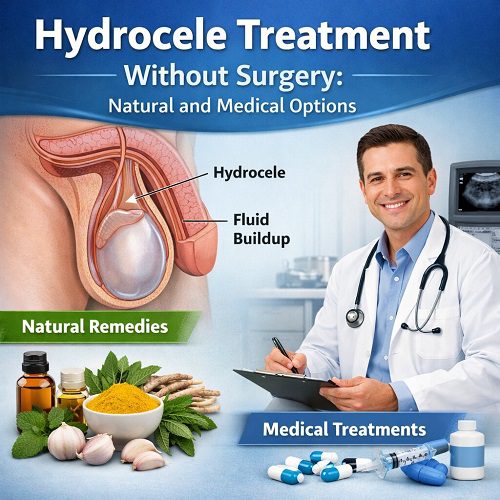
By Hydrocele is a relatively common yet often misunderstood condition that affects males of all ages. It is typically characterized by swelling in the scrotum caused by the accumulation of fluid around one or both testicles. While the condition is usually painless and benign, it can cause discomfort, anxiety, and cosmetic concerns. Many individuals prefer to explore Hydrocele Treatment Without Surgery before considering invasive procedures. Fortunately, there are several natural remedies and medical approaches that may help manage or even resolve the condition without the need for surgery.
Understanding Hydrocele
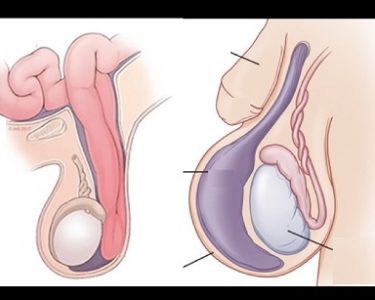
A hydrocele occurs when fluid collects in the thin sac (tunica vaginalis) that surrounds the testicle. This leads to visible swelling in the scrotum. Hydroceles can develop in one or both testicles and may vary in size.
There are two primary types of hydroceles:
1. Communicating Hydrocele
This type is more common in infants and occurs when the sac does not properly close, allowing fluid to move between the abdomen and scrotum.
2. Non-Communicating Hydrocele
More common in adults, this occurs when fluid remains trapped around the testicle without communication with the abdominal cavity.
Although hydroceles are usually harmless, persistent or large ones may require intervention.
Causes of Hydrocele
Understanding the underlying cause is essential when choosing the most effective Hydrocele Treatment Without Surgery. Common causes include:
- Injury or trauma to the scrotum
- Infections, such as epididymitis or orchitis
- Inflammation of the testicles or surrounding tissues
- Blockage in the spermatic cord
- Post-surgical complications
- Aging-related changes
- Idiopathic causes (unknown origin)
In infants, hydroceles are often congenital and may resolve naturally within the first year of life.
Symptoms of Hydrocele
Hydroceles are usually easy to identify due to visible swelling. However, the severity of symptoms can vary.
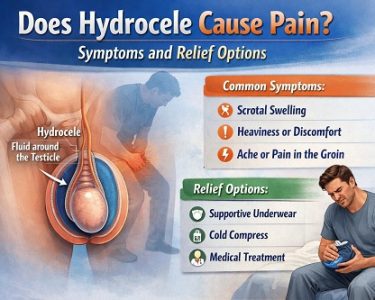
Common symptoms include:
- Painless swelling in the scrotum
- A feeling of heaviness or pressure
- Discomfort during physical activity
- Enlargement of the scrotum throughout the day
- Mild tenderness in some cases
Most hydroceles are not dangerous, but similar symptoms can sometimes indicate more serious conditions, making proper diagnosis important.
Why Consider Hydrocele Treatment Without Surgery?
Surgery (hydrocelectomy) is often considered a definitive treatment, but it may not always be necessary. Many individuals prefer non-surgical options due to:
- Fear of surgical procedures
- Cost concerns
- Recovery time and downtime
- Potential complications
- Mild or manageable symptoms
For these reasons, exploring Hydrocele Treatment Without Surgery is a practical and appealing option for many patients.
Natural Remedies for Hydrocele Treatment Without Surgery
Natural remedies focus on reducing inflammation, improving circulation, and promoting fluid balance. While they may not guarantee a complete non-surgical hydrocele cure, they can significantly improve symptoms and quality of life.
1. Cold Compress Therapy
Applying a cold compress to the affected area is one of the simplest and most effective ways to reduce swelling. Cold therapy constricts blood vessels and limits fluid accumulation.
How to use:
- Wrap ice in a cloth (never apply directly to skin)
- Apply for 10–15 minutes
- Repeat 2–3 times daily
2. Warm Baths with Epsom Salt
Warm baths help relax muscles and improve circulation, while Epsom salt may reduce inflammation and fluid retention.
Benefits:
- Soothes discomfort
- Enhances blood flow
- Promotes relaxation
3. Herbal Remedies
Certain herbs have been traditionally used to support a non-surgical hydrocele cure:
Turmeric
- Anti-inflammatory and antioxidant properties
- May reduce swelling
Ginger
- Supports circulation
- Helps reduce inflammation
Neem
- Known for antibacterial properties
- May help if infection is involved
These can be consumed as teas or incorporated into meals.
4. Dietary Modifications
Diet plays a significant role in managing fluid retention and inflammation.
Recommended dietary changes:
- Reduce salt intake
- Increase potassium-rich foods (bananas, spinach)
- Eat anti-inflammatory foods (berries, leafy greens)
- Stay hydrated
- Avoid processed and fatty foods
A balanced diet supports overall healing and may contribute to effective Hydrocele Treatment Without Surgery.
5. Proper Hydration
Drinking sufficient water helps regulate body fluids and prevent excess fluid accumulation.
Tips:
- Aim for 8–10 glasses daily
- Avoid sugary drinks and excessive caffeine
6. Scrotal Support
Wearing supportive underwear can reduce discomfort and prevent further strain.
Benefits:
- Minimizes movement
- Reduces heaviness
- Improves comfort during daily activities
7. Gentle Exercise
Light physical activity improves blood circulation and lymphatic drainage.
Recommended exercises:
- Walking
- Stretching
- Yoga
Avoid heavy lifting or strenuous workouts that may worsen the condition.
8. Elevation and Rest
Resting and keeping the lower body slightly elevated may help reduce swelling.
Medical Options for Non-Surgical Hydrocele Cure
If natural remedies are not sufficient, medical treatments can provide more targeted solutions without surgery.
1. Watchful Waiting
In many cases, especially when symptoms are mild, doctors recommend monitoring the hydrocele over time.
When it works:
- Small hydroceles
- No pain or complications
- Stable size
Many hydroceles resolve on their own, making this a common first-line approach.
2. Aspiration
Aspiration involves draining the fluid using a needle. It is a quick outpatient procedure.
Advantages:
- Immediate relief
- Minimally invasive
Limitations:
- Fluid may return
- Risk of infection
3. Sclerotherapy
Sclerotherapy is often combined with aspiration. After draining the fluid, a solution is injected to prevent recurrence.
Benefits:
- More effective than aspiration alone
- Non-surgical approach
Risks:
- Mild pain or irritation
- Possible recurrence
This is considered one of the most promising Hydrocele Treatment Without Surgery options.
4. Medications
If the hydrocele is caused by infection or inflammation, medications may help.
Common treatments include:
- Antibiotics (for bacterial infections)
- Anti-inflammatory drugs
- Pain relievers
Treating the root cause can sometimes lead to a complete non-surgical hydrocele cure.
5. Treating Underlying Conditions
Hydroceles may develop due to other medical issues. Addressing these can resolve the condition.
Examples include:
- Treating infections
- Managing inflammation
- Addressing injury-related complications
Lifestyle Changes to Support Recovery
In addition to treatments, certain lifestyle changes can enhance recovery and prevent worsening.
Maintain a Healthy Weight
Excess weight can contribute to poor circulation and fluid retention.
Avoid Prolonged Standing
Standing for long periods may increase swelling.
Practice Good Hygiene
Keeping the area clean reduces the risk of infection.
Wear Loose Clothing
Avoid tight clothing that restricts circulation.
Risks and Limitations of Non-Surgical Treatments
While Hydrocele Treatment Without Surgery is effective for many individuals, it has some limitations:
- Recurrence is common after aspiration
- Natural remedies may take time to show results
- Large hydroceles may not respond to non-surgical methods
- Some cases eventually require surgery
Understanding these limitations helps set realistic expectations.
When to Seek Medical Attention
Even if you are pursuing a non-surgical hydrocele cure, medical evaluation is important in certain situations.
Seek medical help if you experience:
- Sudden or severe pain
- Rapid increase in size
- Redness or warmth
- Fever or signs of infection
- Difficulty walking or performing daily activities
Early diagnosis ensures that more serious conditions, such as hernias or tumors, are ruled out.
Prevention Tips
While not all hydroceles can be prevented, certain steps may reduce the risk:
- Protect the groin area from injury
- Practice safe hygiene
- Treat infections promptly
- Avoid excessive strain or heavy lifting
- Maintain a healthy lifestyle
Frequently Asked Questions
Can hydrocele go away without surgery?
Yes, many hydroceles resolve naturally, especially in infants and mild adult cases. Observation and supportive care are often sufficient.
How long does it take to cure hydrocele naturally?
The timeline varies depending on the cause and severity. Some cases improve within weeks, while others may take months.
Is aspiration a permanent solution?
No, aspiration provides temporary relief. Fluid may return, especially without additional treatments like sclerotherapy.
Are natural remedies effective?
Natural remedies can help manage symptoms and support healing, but they may not completely eliminate large hydroceles.
Combining Natural and Medical Approaches
The most effective strategy often involves combining natural remedies with medical guidance.
Example approach:
- Start with observation and lifestyle changes
- Use natural remedies to reduce symptoms
- Consider medical options if the condition persists
This balanced approach increases the chances of achieving a successful Hydrocele Treatment Without Surgery.
Psychological and Emotional Impact
Although hydrocele is usually not dangerous, it can affect mental well-being.
Common concerns include:
- Anxiety about appearance
- Fear of serious illness
- Discomfort in social or intimate situations
Seeking proper information and treatment can help reduce stress and improve confidence.
Final Thoughts
Hydrocele is a manageable condition, and in many cases, surgery is not the only option. With the right combination of natural remedies, medical treatments, and lifestyle changes, individuals can effectively manage symptoms and, in some cases, achieve a complete non-surgical hydrocele cure.
Hydrocele Treatment Without Surgery offers a wide range of possibilities, from simple home remedies to minimally invasive medical procedures. The key is to understand the underlying cause, monitor symptoms, and seek professional advice when necessary.
While not every case can be resolved without surgery, many individuals find relief and improvement through non-invasive methods. By staying informed and proactive, you can choose the best path toward recovery and long-term health.
In conclusion, whether you opt for natural approaches, medical treatments, or a combination of both, the journey toward a non-surgical hydrocele cure is achievable for many. Careful management, patience, and professional guidance are essential to achieving the best possible outcome.