
 By
By When a newborn baby is diagnosed with Hydrocele, it can be worrying for parents. The appearance of swelling in such a delicate area often raises concerns about pain, long-term health, and whether surgery will be needed. Fortunately, Hydrocele in Babies is a common and usually harmless condition that often resolves on its own.
What Is Hydrocele in Babies?
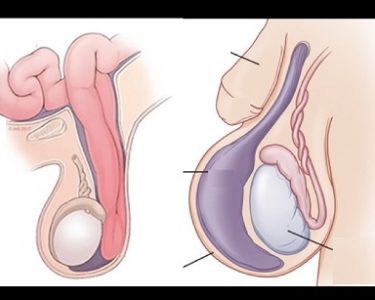
A hydrocele is a condition where fluid accumulates in the sac surrounding a baby boy’s testicle, leading to swelling in the scrotum. It may affect one or both sides and is typically painless.
In newborns, Hydrocele in Babies usually develops before birth. During fetal development, the testicles descend from the abdomen into the scrotum through a small passage called the inguinal canal. This passage normally closes before birth. However, if it remains partially open, fluid can pass through and collect in the scrotum, causing a hydrocele.
How Common Is Hydrocele in Babies?
Hydroceles are quite common in newborn boys:
- Around 1 in 10 baby boys are born with a hydrocele
- More common in premature infants
- Often detected during routine newborn examinations
Despite being common, most cases are not serious and resolve naturally within the first year of life.
Types of Hydrocele in Babies
Understanding the type of hydrocele is important because it determines whether treatment is needed.
1. Communicating Hydrocele
This occurs when the inguinal canal remains open, allowing fluid to flow between the abdomen and scrotum.
Key Features:
- Swelling may change size throughout the day
- Often larger when the baby cries or strains
- Higher chance of being associated with a hernia
2. Non-Communicating Hydrocele
In this type, the inguinal canal has closed, but fluid remains trapped in the scrotum.
Key Features:
- Swelling stays constant in size
- Usually harmless
- Often resolves on its own
Causes of Hydrocele in Babies
The main cause of Hydrocele in Babies is incomplete closure of the passage between the abdomen and scrotum during development. However, several contributing factors may include:
- Premature birth
- Underdeveloped abdominal wall
- Minor trauma during birth (rare)
- Fluid imbalance in the scrotal sac
It’s important to note that hydrocele is not caused by anything parents did or didn’t do.
Symptoms of Hydrocele in Babies
The most noticeable sign of Hydrocele in Babies is swelling in the scrotum.
Common Symptoms:
- Soft, painless swelling in the scrotum
- One or both testicles appear enlarged
- Skin looks stretched but not red or inflamed
- Swelling may fluctuate in size (especially in communicating hydrocele)
What Babies Feel
Most babies:
- Do not feel pain
- Remain active and comfortable
- Show no signs of discomfort
If a baby appears irritable or in pain, it may indicate a different condition that needs immediate attention.
Is Hydrocele in Babies Dangerous?
Generally, No
In the vast majority of cases, Hydrocele in Babies is not dangerous. It does not:
- Affect fertility
- Cause pain
- Interfere with urination
- Harm testicular development
When It Can Be a Concern
Although usually harmless, there are situations where hydrocele may require attention:
1. Associated Hernia
A communicating hydrocele may allow abdominal contents (like intestine) to enter the scrotum, leading to an inguinal hernia.
2. Increasing Size
If the swelling continues to grow, it may indicate fluid buildup or other complications.
3. Persistence Beyond 1 Year
Hydroceles that do not resolve naturally may need surgical evaluation.
How Is Hydrocele in Babies Diagnosed?
Diagnosis is usually simple and involves a physical examination by a pediatrician.
Common Diagnostic Methods:
1. Physical Examination
The doctor checks:
- Size and shape of swelling
- Whether it changes with pressure
2. Transillumination Test
A light is shined through the scrotum:
- If it glows → fluid is present (hydrocele)
- If not → may suggest a hernia or solid mass
3. Ultrasound (if needed)
Used when diagnosis is unclear or to rule out other conditions.
Difference Between Hydrocele and Hernia
Parents often confuse hydrocele with hernia. While they can appear similar, they are different conditions.
Feature | Hydrocele | Hernia |
| Content | Fluid | Intestine or tissue |
| Pain | Usually painless | May cause discomfort |
| Risk | Low | Higher risk |
| Treatment | Often not needed | Usually requires surgery |
When to Treat Hydrocele in Babies
Observation Is Usually Enough
Most cases of Hydrocele in Babies resolve naturally by the age of 12 to 18 months. Doctors typically recommend a “wait and watch” approach.
When Treatment Is Needed
Treatment becomes necessary if:
- Hydrocele persists beyond 12–18 months
- Swelling increases significantly
- It becomes tense or hard
- There are signs of hernia
- The baby shows discomfort
Treatment Options for Hydrocele in Babies
1. Watchful Waiting
This is the most common approach.
- Regular check-ups
- No medication required
- Natural absorption of fluid
2. Surgical Treatment (Hydrocelectomy)
If the hydrocele does not resolve, a minor surgical procedure may be recommended.
Procedure Details:
- Done under general anesthesia
- Small incision in the groin
- Fluid is drained
- Passage is closed to prevent recurrence
Recovery:
- Usually same-day discharge
- Full recovery within 1–2 weeks
- Minimal complications
Risks and Complications
Hydrocele itself rarely causes complications, but untreated communicating hydrocele may lead to:
- Inguinal hernia
- Increased pressure in the scrotum
- Rare infection
After surgery, complications are uncommon but may include:
- Mild swelling
- Infection (rare)
- Recurrence (very rare)
Caring for a Baby With Hydrocele
Parents can take simple steps to monitor and support their baby:
At Home Care Tips:
- Observe swelling size regularly
- Ensure gentle diapering
- Avoid unnecessary pressure on the area
- Keep regular pediatric appointments
When to Call a Doctor
Seek medical help if:
- Swelling suddenly increases
- The area becomes red or painful
- Baby is unusually fussy
- Fever develops
- Vomiting occurs (possible hernia complication)
Hydrocele in Babies vs Adults
Hydrocele can also occur in adults, but causes differ.
Feature | Babies | Adults |
| Cause | Developmental | Injury, infection |
| Treatment | Often none | May need surgery |
| Risk | Low | Slightly higher |
Common Myths About Hydrocele in Babies
Myth 1: It Is Painful
Fact: Most hydroceles are painless.
Myth 2: It Needs Immediate Surgery
Fact: Most resolve naturally without treatment.
Myth 3: It Affects Fertility
Fact: No impact on future fertility in babies.
Myth 4: It Is a Serious Disease
Fact: It is usually harmless and temporary.
Preventing Hydrocele in Babies
There is no known way to prevent Hydrocele in Babies, as it is related to natural developmental processes. However:
- Proper prenatal care may reduce risks
- Regular newborn check-ups ensure early detection
Long-Term Outlook
The prognosis for Hydrocele in Babies is excellent.
- Most cases resolve within 1 year
- Surgery, if needed, is highly successful
- No long-term health issues in most children
Frequently Asked Questions (FAQs)
1. Can hydrocele go away on its own?
Yes, most hydroceles disappear without treatment within the first year.
2. Is hydrocele painful for babies?
No, it is usually painless.
3. Can hydrocele affect testicle growth?
No, it does not affect development.
4. When should I worry?
If swelling increases, becomes hard, or persists beyond 1 year.
5. Is surgery safe?
Yes, hydrocele surgery is safe and commonly performed.
Conclusion
Hydrocele in Babies is a common and usually harmless condition that often resolves without any treatment. While it may look concerning, most cases require only observation and reassurance. The key is to monitor the condition and consult a doctor if any unusual changes occur.
Parents should feel reassured that Hydrocele in Babies is rarely dangerous, and when treatment is necessary, it is simple, safe, and effective. With proper care and timely medical advice, babies with hydrocele grow up healthy and unaffected.