
 By
By When it comes to swelling in the groin or scrotal area, two conditions are often confused: hydrocele and hernia. Although they may appear similar at first glance, these conditions differ significantly in terms of causes, symptoms, risks, and treatment approaches for hydrocele. Understanding the distinction between Hydrocele vs Hernia is crucial for timely diagnosis and proper medical care.
What is a Hydrocele?
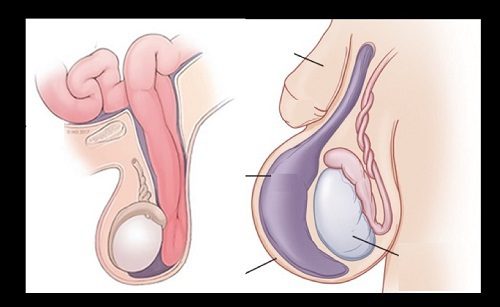
A hydrocele is a fluid-filled sac surrounding a testicle, leading to swelling in the scrotum. It is generally painless and often harmless, particularly in newborns. Hydroceles occur when fluid accumulates in the thin sheath surrounding the testicle.
Types of Hydrocele
- Congenital Hydrocele
Present at birth, this type occurs when the sac that holds the testicles does not close properly. - Acquired Hydrocele
Develops later in life due to injury, infection, or inflammation.
Causes of Hydrocele
- Incomplete closure of the processus vaginalis (in infants)
- Injury or trauma to the scrotum
- Infection (such as epididymitis)
- Inflammation
- Post-surgical complications
Symptoms of Hydrocele
- Painless swelling in one or both testicles
- Feeling of heaviness in the scrotum
- Size may fluctuate throughout the day
- Usually no redness or severe discomfort
What is a Hernia?
A hernia occurs when an internal organ or tissue pushes through a weak spot in the surrounding muscle or connective tissue. In the groin area, this is commonly referred to as an inguinal hernia.
Types of Hernia
- Inguinal Hernia
Most common, occurring in the groin when part of the intestine protrudes. - Femoral Hernia
Less common, more frequent in women. - Umbilical Hernia
Occurs near the belly button. - Hiatal Hernia
Occurs when part of the stomach pushes into the chest cavity.
Causes of Hernia
- Weakness in abdominal muscles
- Heavy lifting
- Chronic coughing
- Obesity
- Straining during bowel movements
- Pregnancy
- Aging
Symptoms of Hernia
- Noticeable bulge in the groin or abdomen
- Pain or discomfort, especially when bending or lifting
- Burning or aching sensation
- Heaviness in the affected area
- In severe cases, nausea or vomiting (indicating complications)
Hydrocele vs Hernia: Key Differences
Understanding Hydrocele vs Hernia becomes easier when comparing them side by side.
1. Nature of the Condition
- Hydrocele: Fluid accumulation around the testicle
- Hernia: Protrusion of an organ through a muscle wall
2. Pain Level
- Hydrocele: Usually painless
- Hernia: Often painful, especially during physical activity
3. Risk Factor
- Hydrocele: Generally harmless
- Hernia: Can become serious if untreated (risk of strangulation)
4. Appearance
- Hydrocele: Smooth swelling in the scrotum
- Hernia: Bulge that may extend into the groin or scrotum
5. Changes with Activity
- Hydrocele: Size may remain constant or slightly vary
- Hernia: Bulge often increases with standing, coughing, or straining
6. Reducibility
- Hydrocele: Cannot be pushed back
- Hernia: Often can be pushed back into the abdomen (reducible hernia)
7. Underlying Cause
- Hydrocele: Fluid buildup
- Hernia: Weakness in muscle wall
Causes: Hydrocele vs Hernia
Hydrocele Causes in Detail
Hydroceles often arise due to fluid imbalance in the scrotum. In infants, the processus vaginalis fails to close, allowing fluid to accumulate. In adults, inflammation or trauma may disrupt fluid absorption.
Hernia Causes in Detail
Hernias develop due to a combination of muscle weakness and strain. Activities like lifting heavy objects, persistent coughing, or obesity increase pressure on abdominal walls, leading to tissue protrusion.
Diagnosis: How Doctors Differentiate Hydrocele vs Hernia
Accurate diagnosis is essential when comparing Hydrocele vs Hernia, as treatment differs significantly.
Physical Examination
Doctors examine the swelling and may ask the patient to cough or strain to observe changes.
Transillumination Test
- Hydrocele: Light passes through fluid, making the scrotum glow
- Hernia: Light does not pass through solid tissue
Ultrasound Imaging
Ultrasound helps confirm whether the swelling contains fluid (hydrocele) or tissue (hernia).
CT Scan or MRI
In complex cases, advanced imaging may be used for precise diagnosis.
Complications: Hydrocele vs Hernia
Hydrocele Complications
Hydroceles are usually harmless but may cause:
- Discomfort due to size
- Infection (rare)
- Reduced blood flow (very rare)
Hernia Complications
Hernias can lead to serious conditions:
- Incarceration: Trapped tissue that cannot be pushed back
- Strangulation: Blood supply cut off, leading to tissue death
- Intestinal obstruction
- Severe pain and emergency situations
Treatment Options
Treatment for Hydrocele
- Observation
Many hydroceles resolve on their own, especially in infants. - Medication
Used if infection or inflammation is present. - Aspiration
Fluid removal using a needle (temporary solution). - Surgery (Hydrocelectomy)
Permanent solution for persistent or large hydroceles.
Treatment for Hernia
- Watchful Waiting
For small, asymptomatic hernias. - Lifestyle Changes
- Avoid heavy lifting
- Maintain healthy weight
- Supportive Devices
Hernia belts (temporary relief) - Surgery
- Open hernia repair
- Laparoscopic surgery
Surgery is often necessary to prevent complications.
Surgical Differences: Hydrocele vs Hernia
Hydrocele Surgery
- Involves draining fluid and removing or reshaping the sac
- Usually simple and low-risk
- Short recovery time
Hernia Surgery
- Involves pushing the protruding tissue back and repairing muscle wall
- Often uses mesh reinforcement
- Slightly longer recovery
Recovery and Prognosis
Hydrocele Recovery
- Quick recovery (1–2 weeks)
- Low recurrence rate
- Minimal complications
Hernia Recovery
- Recovery may take several weeks
- Avoid strenuous activities
- Risk of recurrence if not properly treated
Hydrocele vs Hernia in Children
Hydrocele in Children
- Very common in newborn boys
- Often resolves by age 1
- Surgery only if persistent
Hernia in Children
- Requires prompt treatment
- Higher risk of complications
- Surgery usually recommended
Prevention Tips
While not all cases are preventable, certain steps can reduce risk.
Preventing Hydrocele
- Protect against scrotal injury
- Treat infections promptly
- Regular medical check-ups
Preventing Hernia
- Maintain healthy weight
- Avoid heavy lifting
- Strengthen abdominal muscles
- Treat chronic cough or constipation
When to See a Doctor
Seek medical attention if you notice:
- Sudden swelling in the scrotum
- Pain or discomfort in the groin
- A bulge that increases in size
- Redness or tenderness
- Nausea or vomiting (possible hernia complication)
Early diagnosis makes a significant difference in managing Hydrocele vs Hernia effectively.
Frequently Asked Questions
Is hydrocele dangerous?
Hydrocele is usually harmless and often resolves on its own, especially in infants.
Can a hydrocele turn into a hernia?
No, but both conditions can coexist, especially in infants.
Is hernia always painful?
Not always, but discomfort typically increases with activity.
Can hernia heal without surgery?
In most cases, surgery is the only permanent solution.
Key Takeaways
- Hydrocele involves fluid buildup; hernia involves tissue protrusion.
- Hydrocele is usually painless; hernia often causes discomfort.
- Hernias carry higher risk and may require urgent treatment.
- Diagnosis often involves physical exams and imaging.
- Treatment differs significantly between the two conditions.
Conclusion
Understanding the difference between Hydrocele vs Hernia is essential for recognizing symptoms early and seeking appropriate medical care. While hydroceles are generally harmless and may resolve on their own, hernias can become serious if left untreated.
If you notice any unusual swelling or discomfort in the groin or scrotal area, it’s important to consult a healthcare professional promptly. Early intervention can prevent complications and ensure better health outcomes.
By being informed and proactive, you can effectively manage and differentiate between hydrocele and hernia, ensuring timely and appropriate treatment.