
 By
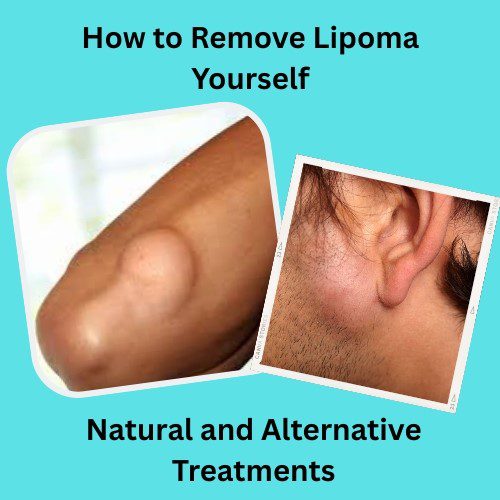
By Lipomas are soft, harmless fatty lumps that develop just beneath the skin and are medically classified as benign growths. Although they are non-cancerous and usually painless, many people become concerned when they notice these slow-growing masses appearing on their arms, back, neck, thighs, or other areas of the body. Before learning how to remove lipoma yourself, it is essential to understand the basic nature of this condition. A lipoma forms when fat cells begin to grow in a small, enclosed pocket, creating a soft, movable lump that feels rubbery to the touch. While the exact reason behind their development is not always clear, genetics, minor injuries, metabolic imbalances, and family history are believed to play a role in their formation.
In terms of symptoms, lipomas are usually painless, but some people experience tenderness or discomfort if the lump presses against a nerve or grows in a sensitive area. Their texture, slow growth, and mobility help differentiate them from other skin conditions. Still, it is common for individuals to search for natural methods and personal experiences—stories like how i shrunk my lipomas naturally using these 5 powerful supplements hoping to find guidance from others who have experimented with alternative or supportive approaches.
Many people explore herbal and plant-based options to help with lipoma comfort and appearance. Some try natural herbal remedies for lipoma to support healthy fat metabolism, reflecting a growing interest in safe, holistic approaches for managing lipomas without medical procedures.
What Is a Lipoma?
A lipoma is a benign tumor of fat cells that grows slowly under the skin. Although the word “tumor” can sound frightening, lipomas are usually harmless and rarely cause medical complications. They consist of soft, rubbery, movable lumps that can appear anywhere on the body where fat cells exist. Lipomas are classified as lipoma soft tissues tumor, meaning they develop from the soft fatty tissues of the body. They usually stay small, but some may increase in size over time.
Most people consider home approaches to reduce their size, such as incredible natural ways to get rid of lipoma, but before exploring these alternatives, you must understand the nature of the disease.
How Common Are Lipomas?
Lipomas are extremely common. They can occur at any age but are most frequently seen in adults between 30 and 60 years. They also tend to run in families, which means genetics might play a role. Some people may develop multiple lipomas across their body—a condition known as familial multiple lipomatosis.
Types of Lipomas
There are several types of lipomas, each with slightly different characteristics:
Simple Lipoma
The most common type. Soft, movable, and painless.
Fibrolipoma
Contains fibrous tissue along with fat.
Angiolipoma
Contains blood vessels and is more likely to be painful.
Spindle Cell Lipoma
Usually seen in older men, often on the shoulders or back.
Intramuscular Lipoma
Grows deep within the muscles and can be firmer than surface lipomas. Each type behaves slightly differently, but all are non-cancerous.
What Causes Lipomas?
Doctors don’t know the exact cause of lipomas, but several contributing factors are recognized:
Genetics
One of the strongest factors. If your parents or siblings have lipomas, you are more likely to develop them. Familial lipomas can appear earlier and in higher numbers.
Injury or Trauma
Some experts believe that a physical injury can trigger the growth of a lipoma in that area. This is sometimes referred to as “post-traumatic lipoma.”
Hormonal Imbalances
Hormonal fluctuations, especially involving insulin or thyroid hormones, may play a role in lipoma development.
Obesity and Fat Accumulation
Although lipomas are not caused by obesity alone, people with higher body fat percentages may be more prone to soft tissue changes.
Medical Conditions
Certain rare conditions can increase lipoma growth, such as:
- Madelung’s disease
- Adiposis dolorosa
- Gardner syndrome
Understanding these causes helps explain why some natural remedies focus on balancing metabolism or improving liver health, as seen in supplements marketed as the best lipoma removal supplement and remedies.
Where Do Lipomas Commonly Appear?
Lipomas can form anywhere on the body, but the most common locations include:
- Shoulders
- Back
- Thighs
- Arms
- Neck
- Abdomen
- Chest wall
Some people notice lipomas in more sensitive or unusual areas, such as lipomas lump on rib cage left side female, which can cause discomfort depending on its location.
What Does a Lipoma Feel Like?
A typical lipoma has these characteristics:
Soft and Doughy
Pressing it feels like a soft rubber ball under the skin.
Movable
It easily slides under the skin when touched.
Painless
Most lipomas do not hurt unless they press against a nerve or contain blood vessels.
Slow-growing
They may take years to grow.
Symptoms of Lipoma
While many lipomas cause no symptoms, they can sometimes lead to:
Visible Lump Under the Skin
The most obvious sign.
Mild Pain or Tenderness
Occurs if the lipoma presses on nearby nerves or tissues.
Cosmetic Concerns
Some people seek natural ways to minimize lumps due to appearance.
Restricted Movement
Rare but possible if lipomas grow near joints or deep tissues.
When Lipomas Become Painful
Painful lipomas are often:
- Angiolipomas, which contain blood vessels
- Deep or intramuscular
- Located near nerves
In such cases, home treatment attempts may be less effective.
Can Lipomas Turn Into Cancer?
No—lipomas are benign and do not turn into cancer. However, a different condition called liposarcoma (a rare cancerous tumor) can sometimes look similar. This is why proper diagnosis is important. If a lump grows rapidly, becomes hard, or attaches deeply to tissues, you must consult a doctor immediately.
Lipoma vs. Sebaceous Cyst
People often confuse lipomas with cysts. Understanding lipoma vs sebaceous cyst helps avoid unnecessary panic or incorrect treatment methods.
Lipoma
- Made of fat cells
- Soft and movable
- Slow-growing
- Not usually painful
- No visible opening on the skin
Sebaceous Cyst
- Contains keratin and sebum
- Has a visible central “pore” or black dot
- Can become inflamed or infected
- May produce bad-smelling discharge
Knowing the difference helps determine whether natural lipoma care or cyst treatment is needed.
Who Is More Likely to Develop Lipomas?
Certain people have a higher risk:
Individuals With a Family History of Lipomas
Genetic predisposition is strong.
Adults Between 30 and 60
Although lipomas can appear at any age.
People With Metabolic Disorders
Conditions affecting fat metabolism increase the likelihood.
Women With Hormonal Fluctuations
Stress, thyroid issues, or insulin resistance may play a role.
Diagnosis of Lipoma
Doctors diagnose lipomas using these steps:
Physical Exam
The doctor checks the texture, mobility, and size.
Ultrasound
Determines if the lump is fatty, cystic, or vascular.
MRI or CT Scan
Used for deep or large lipomas.
Biopsy
Rarely needed but done if the lump appears unusual or painful.
Why People Want to Remove Lipomas Naturally
Although surgery is the most definitive removal option, many people prefer to explore gentler alternatives first. They often consider remedies such as natural herbal treatment for lipoma and symptoms, causes or simple approaches referred to as lipoma cure at home. At this stage, individuals usually begin searching for natural solutions, including how to remove a lipoma yourself, and various supplements or herbal methods that are claimed to help reduce or dissolve fatty lumps. Many people choose non-surgical approaches due to:
• Fear of surgery
• Cosmetic concerns
• Desire for natural healing
• Belief in herbal or holistic remedies
• Preference for natural and alternative treatment options
Understanding Natural and Alternative Lipoma Approaches
Before attempting how to remove lipoma yourself, one must understand that natural approaches may help:
- Reduce inflammation
- Improve metabolic processes
- Support healthy fat breakdown
- Improve liver cleansing
- Reduce size in some cases
Herbal and natural approaches often include detoxifying herbs, enzymes, essential oils, and supplements. Some individuals share their experiences with solutions like how to remove lipoma naturally without painful surgery, while others explore products such as Mopical herbal supplement for fatty lumps or lipoma. These approaches are usually part of lifestyle management rather than a guaranteed cure.
Safety Considerations Before Trying Home Remedies
Before exploring natural techniques:
Get a proper diagnosis
Don’t assume a lump is a lipoma without medical confirmation.
Avoid cutting or squeezing
This can cause infection or scarring.
Monitor changes
Any rapid growth requires medical evaluation.
Consult a doctor if painful
Pain indicates a deeper or vascular lipoma.
At-home approaches should always focus on safety.
Final Thoughts
Lipomas are generally harmless fatty lumps, but understanding them is crucial before attempting any treatment. Knowing their causes, symptoms, and how they differ from other types of lumps helps ensure safety and effectiveness. While many people look for ways to manage or reduce lipomas at home, a careful and informed approach is essential.
When considering natural or at-home methods, it’s important to remember that each lipoma is unique. What works for one person may not work for another, and professional guidance can help prevent complications. By combining knowledge of the condition with safe practices, anyone can take steps toward managing lipomas effectively.
Ultimately, learning how to remove lipoma yourself requires patience, caution, and awareness. Prioritizing safety and understanding your body ensures that any home-based approach is both responsible and effective.