 By
By The early symptoms of achalasia are often subtle, gradual, and easy to mistake for common digestive problems like acid reflux or stress-related swallowing difficulty. However, recognizing these warning signs early can make a significant difference in diagnosis, treatment success, and long-term outcomes.
Achalasia is a rare disorder of the esophagus that affects how food and liquids move from the mouth to the stomach. Because it develops slowly, many people live with symptoms for years before receiving an accurate diagnosis. We will explore the early symptoms of achalasia, why they occur, how they progress, and when to seek medical attention.
What Is Achalasia?
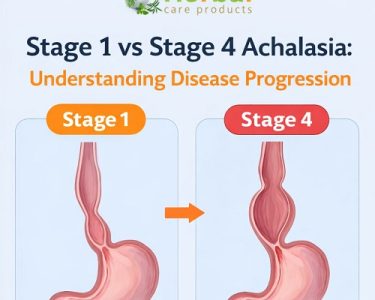
Achalasia is a chronic motility disorder of the esophagus. It occurs when the lower esophageal sphincter (LES)—the muscular valve between the esophagus and stomach—fails to relax properly. At the same time, the coordinated muscular contractions (peristalsis) that normally push food downward become weak or absent.
As a result:
- Food and liquids remain trapped in the esophagus.
- The esophagus gradually stretches and enlarges.
- Swallowing becomes increasingly difficult.
Achalasia is uncommon, affecting roughly 1 in 100,000 people annually. It can occur at any age but is most often diagnosed in adults between 25 and 60.
Understanding the early symptoms of achalasia is crucial because early diagnosis allows for more effective treatment before significant esophageal damage occurs.
Why Early Symptoms of Achalasia Are Often Missed
Many early signs resemble common digestive disorders such as:
- Acid reflux
- Indigestion
- Anxiety-related swallowing issues
- Stress-induced chest discomfort
Because symptoms typically start mildly and worsen gradually, patients may adapt their eating habits without realizing something more serious is developing.
Delayed diagnosis is common—sometimes taking years.
Early Symptoms of Achalasia
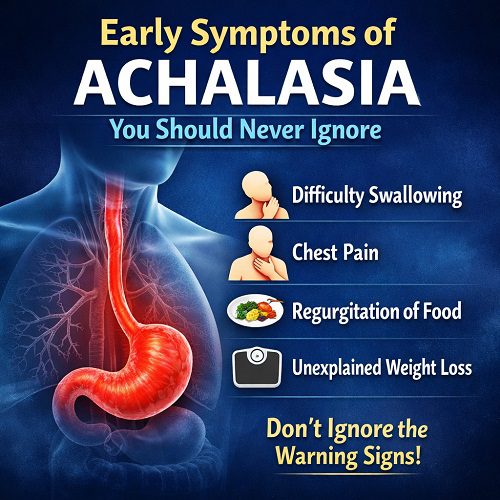
Below are the most important early symptoms of achalasia that should never be ignored.
1. Mild Difficulty Swallowing (Early Dysphagia)
The hallmark of achalasia is dysphagia—difficulty swallowing.
What Makes It Different?
In early achalasia:
- Difficulty occurs with both solids and liquids
- Swallowing may feel slow or incomplete
- Food may feel like it’s “sticking” in the chest
This differs from mechanical blockages (like tumors), where solids are usually affected first.
At first, people may compensate by:
- Drinking more water during meals
- Eating more slowly
- Chewing excessively
Because symptoms are mild initially, many assume it’s just eating too quickly.
2. Occasional Food Regurgitation
Another early symptom of achalasia is regurgitation of undigested food.
Unlike vomiting:
- There is no nausea.
- The food often tastes unchanged.
- It may happen hours after eating.
This occurs because food remains trapped in the esophagus instead of entering the stomach.
Regurgitation may be more noticeable:
- When lying down
- During sleep
- When bending forward
Some people wake up coughing or choking due to regurgitated food entering the airway.
3. Subtle Chest Discomfort or Pressure
Chest discomfort in early achalasia may be:
- Intermittent
- Mild to moderate
- Described as pressure, fullness, or tightness
It may occur during or after eating.
Because chest pain is commonly associated with heart conditions, it is important to rule out cardiac causes. However, in achalasia, the pain is often linked to esophageal muscle spasms or food retention.
4. Persistent Heartburn-Like Sensation
Many patients initially receive a diagnosis of acid reflux or GERD. However, the burning sensation in early achalasia is usually caused by:
- Food fermentation in the esophagus
- Pressure buildup
- Irritation from retained contents
Unlike true acid reflux, achalasia does not primarily involve stomach acid flowing backward. This distinction is critical because acid-reducing medications often provide little relief.
5. Frequent Need to Drink Water With Meals
An early behavioral sign is constantly drinking water to push food down.
Patients may not recognize this as abnormal because it becomes habitual. However, consistently needing liquids to swallow solid food can signal an esophageal motility issue.
6. Feeling of Food “Sticking” in the Chest
This sensation is commonly described as:
- Food getting stuck behind the breastbone
- A lump in the throat
- Slow movement of food downward
This feeling may improve after:
- Standing upright
- Walking around
- Drinking warm liquids
This is one of the most classic early symptoms of achalasia.
7. Unexplained Mild Weight Loss
In the early stages, weight loss may be subtle.
Reasons include:
- Eating less due to discomfort
- Avoiding certain foods
- Fear of choking
- Reduced appetite
Because the progression is gradual, weight loss may go unnoticed until it becomes significant. So, if you say “Can achalasia cause weight loss“, yes it cause weight loss.
8. Nighttime Coughing or Choking
Regurgitated food can enter the airways, causing:
- Nighttime coughing
- Hoarseness
- Recurrent respiratory infections
This symptom is particularly concerning and should prompt medical evaluation.
9. Increased Eating Time
Family members may notice:
- Meals take much longer
- Frequent pauses during eating
- Smaller bites
- Excessive chewing
This adaptation is often unconscious but indicates swallowing difficulty.
10. Intermittent Esophageal Spasms
Some people experience:
- Sharp chest pain
- Spasm-like sensations
- Temporary inability to swallow
These spasms can be alarming but may resolve on their own in early stages.
To overcome these symptoms, you can use our natural medicine specifically designed for achalasia disease.
How Early Symptoms Progress Over Time
If untreated, early symptoms of achalasia gradually worsen:
- Dysphagia becomes more frequent.
- Regurgitation increases.
- Weight loss becomes more pronounced.
- The esophagus enlarges.
- Risk of aspiration rises.
Advanced achalasia can significantly impair nutrition and quality of life.
Early intervention prevents many of these complications.
Why Early Diagnosis Matters
Detecting achalasia in its early stages allows for:
- Less invasive treatment options
- Better long-term outcomes
- Reduced risk of esophageal enlargement
- Lower risk of aspiration pneumonia
Because achalasia is progressive, it does not resolve on its own.
Conditions Often Confused With Early Achalasia
Several disorders mimic early symptoms of achalasia:
1. Gastroesophageal reflux disease
Often confused due to heartburn-like symptoms. However, GERD primarily involves acid reflux, not impaired swallowing of both solids and liquids.
2. Esophageal cancer
Can also cause swallowing difficulty, but symptoms typically progress rapidly and affect solids first.
3. Eosinophilic esophagitis
An allergic inflammatory condition that can cause food sticking and difficulty swallowing.
Accurate testing is essential to distinguish between these conditions.
When Should You See a Doctor?
Seek medical evaluation if you experience:
- Difficulty swallowing both solids and liquids
- Recurrent regurgitation of undigested food
- Unexplained weight loss
- Persistent chest discomfort after eating
- Nighttime choking episodes
Early evaluation by a gastroenterologist can prevent years of misdiagnosis.
How Early Achalasia Is Diagnosed
If early symptoms raise suspicion, doctors may order:
1. Esophageal Manometry
The gold standard test that measures muscle contractions and LES relaxation.
2. Barium Swallow (Esophagram)
Shows delayed emptying and characteristic narrowing.
3. Upper Endoscopy
Rules out structural abnormalities or cancer.
These tests confirm the diagnosis and determine the achalasia subtype.
Risk Factors and Possible Causes
The exact cause of achalasia remains unclear, but potential contributors include:
- Autoimmune nerve damage
- Viral triggers
- Genetic susceptibility
Most cases are sporadic, meaning they occur without a family history.
Early Treatment Options
Once diagnosed, treatment focuses on reducing LES pressure.
Common options include:
- Pneumatic balloon dilation
- Surgical myotomy
- Peroral Endoscopic Myotomy (POEM)
- Botox injections (temporary relief)
Early-stage patients often respond very well to treatment.
Lifestyle Adjustments for Early Symptoms
If you suspect early achalasia, these strategies may help temporarily:
- Eat slowly.
- Take small bites.
- Drink warm water before meals.
- Avoid eating before bedtime.
- Sleep with your head elevated.
However, lifestyle changes are supportive—not curative.
Emotional Impact of Early Achalasia
Swallowing difficulties can cause:
- Anxiety during meals
- Social withdrawal
- Fear of choking
- Frustration with delayed diagnosis
Recognizing that symptoms are medical—not psychological—can provide reassurance.
Long-Term Outlook With Early Intervention
With timely treatment:
- Most patients achieve significant symptom relief.
- Quality of life improves dramatically.
- Complication risks decrease.
Modern procedures have success rates exceeding 80–90%.
The earlier the diagnosis, the better the prognosis.
Final Thoughts: Don’t Ignore the Early Symptoms of Achalasia
The early symptoms of achalasia may seem mild at first—occasional swallowing difficulty, subtle chest pressure, or the need to drink extra water during meals. However, these warning signs should never be ignored.
Because achalasia is progressive, early recognition is critical. If you notice difficulty swallowing both solids and liquids, regurgitation without nausea, or unexplained weight loss, seek medical evaluation promptly.
Listening to your body and advocating for proper testing and avoid achalasia causing foods can prevent years of discomfort and reduce the risk of serious complications.
Early awareness leads to early action—and in the case of achalasia, that can make all the difference.