 By
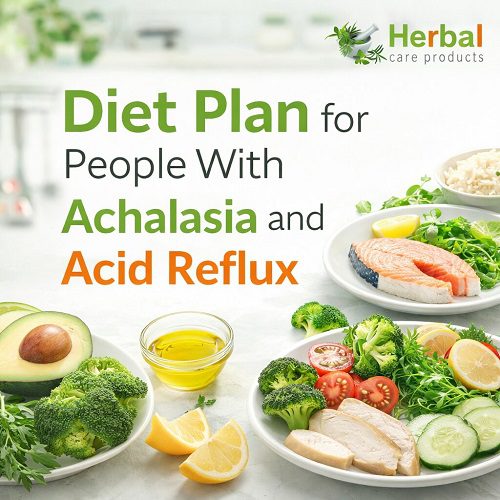
By Living with achalasia and acid reflux can make eating feel more like a challenge than a pleasure. Swallowing difficulties, chest discomfort, regurgitation, heartburn, and unintentional weight loss are common concerns. The right dietary approach can significantly reduce symptoms, improve comfort, and help maintain proper nutrition.
This comprehensive guide explains everything you need to know about creating an effective diet plan for achalasia, especially if you also struggle with acid reflux (GERD). You’ll learn which foods to prioritize, which to avoid, how to structure meals, and practical strategies for safer and more comfortable eating.
Understanding Achalasia and Acid Reflux
What Is Achalasia?
Achalasia is a rare disorder of the esophagus (the tube connecting your mouth to your stomach). In people with achalasia:
- The lower esophageal sphincter (LES) fails to relax properly.
- The esophagus loses its normal peristaltic (wave-like) motion.
- Food and liquids have difficulty moving into the stomach.
This leads to:
- Difficulty swallowing (dysphagia)
- Regurgitation of undigested food
- Chest pain
- Coughing at night
- Weight loss
- Risk of aspiration (food entering the airway)
Explore our Product Page related to Achalasia: https://www.herbal-care-products.com/product/achalasia/
What Is Acid Reflux?
Acid reflux occurs when stomach acid flows backward into the esophagus, causing:
- Heartburn
- Sour taste in the mouth
- Chest discomfort
- Chronic cough
- Throat irritation
In achalasia, reflux symptoms may be due to:
- Fermentation of retained food in the esophagus
- Delayed emptying
- Treatment-related changes (after surgery or dilation)
When achalasia and acid reflux occur together, dietary management becomes even more important.
Goals of a Diet Plan for Achalasia
A well-designed diet plan for achalasia should aim to:
- Make swallowing easier
- Prevent food from getting stuck
- Reduce regurgitation
- Minimize acid reflux symptoms
- Maintain adequate nutrition
- Prevent weight loss and dehydration
- Reduce risk of aspiration
Unlike general weight-loss diets, this plan focuses on texture, consistency, timing, and symptom control rather than calorie restriction.
Key Dietary Principles for Achalasia and Acid Reflux
1. Choose Soft and Moist Foods
Soft, smooth, and moist foods are easier to swallow and less likely to become lodged in the esophagus.
Best Options:
- Soups (blended or pureed)
- Mashed potatoes
- Oatmeal
- Yogurt
- Scrambled eggs
- Smoothies
- Cottage cheese
- Soft-cooked vegetables
- Stewed fruits
Dry, crumbly foods are harder to swallow and should be avoided or modified.
2. Eat Smaller, More Frequent Meals
Large meals increase pressure in the esophagus and stomach, worsening both achalasia and acid reflux symptoms.
Ideal pattern:
- 5–6 small meals per day
- Moderate portions
- Avoid heavy dinners
This reduces:
- Esophageal overload
- Regurgitation
- Nighttime reflux
3. Chew Thoroughly and Eat Slowly
Proper chewing turns food into a smoother consistency before swallowing.
Tips:
- Take small bites
- Chew each bite 20–30 times
- Pause between bites
- Avoid talking while chewing
Rushing meals increases the risk of food getting stuck.
4. Drink Fluids With Meals (Strategically)
Liquids can help push food down the esophagus. However, they must be used wisely.
Helpful approaches:
- Sip warm water during meals
- Alternate bites with sips
- Try herbal tea with meals
Avoid:
- Carbonated beverages (increase bloating and reflux)
- Large gulps
Warm liquids often work better than cold ones for relaxing esophageal muscles.
5. Remain Upright After Eating
Gravity helps food move into the stomach.
- Stay upright for at least 2–3 hours after meals.
- Avoid lying down immediately.
- Elevate the head of your bed 6–8 inches if nighttime reflux is an issue.
Foods to Include in a Diet Plan for Achalasia
Below is a detailed list of food groups that are typically well tolerated.
1. Lean Proteins (Soft and Moist)
Protein is essential to prevent muscle loss and malnutrition.
Good choices:
- Scrambled or poached eggs
- Soft tofu
- Shredded chicken with broth
- Ground turkey
- Baked fish (flaky texture)
- Lentil soup (well cooked)
- Smooth nut butters
Modify by:
- Adding sauces or gravies
- Blending meats into soups
- Slow cooking until very tender
2. Cooked Vegetables
Raw vegetables are often too fibrous and hard to swallow.
Better options:
- Steamed carrots
- Zucchini
- Spinach
- Pumpkin
- Sweet potatoes
- Butternut squash
Always cook until soft and mash if needed.
3. Soft Fruits
Fruits provide vitamins and fiber but should be easy to swallow.
Recommended:
- Bananas
- Applesauce
- Stewed pears
- Melon
- Avocado
- Ripe mango
Avoid:
- Pineapple (fibrous)
- Citrus fruits (if reflux worsens)
- Raw apples with skin
4. Grains and Starches
Choose soft, easy-to-swallow grains.
Best options:
- Oatmeal
- Cream of wheat
- Rice porridge
- Soft pasta
- Mashed potatoes
- Polenta
Avoid:
- Crusty bread
- Dry crackers
- Hard rolls
5. Dairy (If Tolerated)
Dairy can provide calories and protein.
Good choices:
- Yogurt
- Cottage cheese
- Pudding
- Milk (if not reflux-triggering)
Some people find full-fat dairy worsens reflux; adjust individually.
Foods to Avoid With Achalasia and Acid Reflux
Certain foods worsen swallowing difficulty or increase acid reflux.
1. Dry and Tough Foods
These easily get stuck.
Avoid:
- Tough steak
- Dry chicken breast
- Hard bread crusts
- Bagels
- Granola
- Raw carrots
2. Spicy and Acidic Foods
These irritate the esophagus.
Limit or avoid:
- Hot peppers
- Chili sauces
- Tomato sauce
- Citrus fruits
- Vinegar-heavy dressings
3. Fried and Fatty Foods
High-fat foods relax the lower esophageal sphincter and worsen reflux.
Avoid:
- Fried chicken
- French fries
- Fast food
- Cream-heavy sauces
4. Carbonated Beverages
Carbonation increases pressure and bloating.
Avoid:
- Soda
- Sparkling water
- Beer
5. Caffeine and Chocolate
These can relax the LES and trigger reflux.
Limit:
- Coffee
- Energy drinks
- Chocolate
- Strong tea
Sample 7-Day Diet Plan for Achalasia
Below is a practical example of a balanced diet plan for achalasia.
Day 1
Breakfast:
Oatmeal with mashed banana and almond butter
Snack:
Greek yogurt
Lunch:
Blended vegetable soup with shredded chicken
Snack:
Smoothie (banana, spinach, protein powder)
Dinner:
Baked fish with mashed sweet potatoes
Day 2
Breakfast:
Scrambled eggs with avocado
Snack:
Applesauce
Lunch:
Lentil soup
Snack:
Cottage cheese
Dinner:
Soft pasta with mild cream sauce and spinach
Day 3
Breakfast:
Smoothie bowl (blended fruit and yogurt)
Snack:
Soft pear slices
Lunch:
Ground turkey with mashed potatoes
Snack:
Protein shake
Dinner:
Steamed zucchini with soft tofu
(Continue rotating similar textures and combinations for variety.)
Managing Weight and Nutrition
Many people with achalasia lose weight due to eating difficulties. If weight maintenance is a concern:
Increase Calories Safely
- Add olive oil to soups
- Use nut butters
- Include smoothies with protein powder
- Add avocado to meals
- Use full-fat yogurt (if tolerated)
Consider Liquid Nutrition
If swallowing solids is very difficult:
- Meal replacement shakes
- Homemade smoothies
- Blended soups with protein
Liquid calories are often easier to consume.
Special Considerations After Achalasia Treatment
Some patients undergo:
- Pneumatic dilation
- Heller myotomy
- POEM (Peroral Endoscopic Myotomy)
After treatment:
- Start with liquids
- Progress to soft foods
- Gradually reintroduce solids
Reflux may worsen after surgery, so maintaining a reflux-friendly diet is important.
Lifestyle Strategies That Complement the Diet
A proper diet plan for achalasia works best when combined with lifestyle changes.
1. Elevate Head During Sleep
Prevents nighttime regurgitation.
2. Avoid Eating Before Bed
Stop eating at least 3 hours before sleep.
3. Manage Stress
Stress can worsen swallowing difficulties.
4. Maintain Hydration
Sip fluids throughout the day.
Texture Modification Techniques
For severe swallowing problems:
Pureeing
Blend solid foods with broth.
Mincing
Finely chop meats and vegetables.
Moistening
Add gravies or sauces.
Thickening Liquids (If Needed)
Some people require slightly thickened liquids to reduce aspiration risk (consult a speech therapist).
When to See a Healthcare Professional
Seek medical help if you experience:
- Severe weight loss
- Frequent choking
- Persistent chest pain
- Signs of aspiration (coughing during meals)
- Vomiting blood
- Black stools
A registered dietitian and gastroenterologist can tailor your diet to your condition.
Frequently Asked Questions
Can I Eat Bread With Achalasia?
Soft bread without crust may be tolerated if dipped in soup or tea. Dry bread is usually problematic.
Are Smoothies Good?
Yes. Smoothies are often ideal because they:
- Provide calories
- Are easy to swallow
- Can include protein and vegetables
Is Milk Bad for Acid Reflux?
It depends. Some people tolerate it well; others find it increases symptoms.
Should I Avoid Fiber?
Not necessarily. Fiber is important, but choose soft, soluble fiber sources (oatmeal, mashed fruits).
Creating a Personalized Diet Plan for Achalasia
Every patient is different. Track:
- Foods that cause symptoms
- Time of day symptoms occur
- Portion sizes
- Eating speed
Keeping a food journal helps identify triggers.
Long-Term Outlook
Achalasia is a chronic condition, but symptoms can be managed effectively with:
- Medical treatment
- Proper dietary planning
- Lifestyle adjustments
A thoughtful, structured diet plan for achalasia can significantly improve quality of life and reduce daily discomfort.
Final Thoughts
Managing achalasia and acid reflux requires patience and awareness. The most important principles include:
- Soft, moist foods
- Small, frequent meals
- Thorough chewing
- Upright posture after eating
- Avoiding reflux triggers
With the right approach, eating can become safer, more comfortable, and nutritionally adequate. If symptoms persist or worsen, consult a healthcare professional for individualized guidance.
A well-balanced, carefully structured diet isn’t just about symptom control—it’s about restoring confidence, nourishment, and comfort in everyday life.