
 By
By Men’s health issues are often overlooked or ignored due to embarrassment, lack of awareness, or the assumption that symptoms will resolve on their own. One such condition that many men experience but rarely discuss openly is hydrocele. Although it is generally not life-threatening, understanding Hydrocele Symptoms is extremely important because early recognition can prevent discomfort, complications, and anxiety.
A hydrocele occurs when fluid accumulates in the thin sac surrounding the testicle, causing swelling in the scrotum. This condition is common in newborns but can also affect adult men, especially those over the age of 40. While some cases resolve without treatment, others may require medical attention.
Recognizing Hydrocele Symptoms early can help men seek appropriate care and avoid confusion with other potentially serious conditions such as infections, hernias, or testicular tumors.
What Is a Hydrocele?
Before discussing Hydrocele Symptoms, it is important to understand what a hydrocele actually is. A hydrocele is a collection of fluid in the sac called the tunica vaginalis, which surrounds the testicle. This fluid buildup causes the scrotum to enlarge.
Hydroceles can occur in two main groups:
- Infants
- Adult men
In newborns, hydroceles often develop during fetal development and typically disappear within the first year of life. In adults, hydroceles may result from inflammation, injury, infection, or unknown causes.
Although hydroceles are usually painless, the swelling and associated symptoms can lead to discomfort and concern.
Why It Is Important to Recognize Hydrocele Symptoms
Understanding Hydrocele Symptoms helps men differentiate between harmless swelling and signs of more serious health problems. Ignoring scrotal changes may delay diagnosis of conditions that require urgent treatment.
Early awareness allows men to:
- Seek timely medical evaluation
- Reduce anxiety about unexplained swelling
- Prevent complications such as infection or hernia
- Improve overall reproductive health
Because many men hesitate to discuss genital health issues, education about Hydrocele Symptoms plays a crucial role in encouraging proactive healthcare.
Most Common Hydrocele Symptoms
Hydroceles often develop slowly and may not produce severe symptoms initially. However, several signs commonly indicate the presence of this condition.
1. Scrotal Swelling
The most noticeable and common of all Hydrocele Symptoms is swelling of the scrotum. This swelling occurs because fluid accumulates around the testicle.
Characteristics of hydrocele swelling include:
- Enlargement of one or both sides of the scrotum
- Smooth and rounded appearance
- Gradual increase in size over time
- Soft or slightly firm texture
In many cases, the swelling may be painless, which is why some men delay seeking medical advice.
2. A Feeling of Heaviness in the Scrotum
Another frequently reported hydrocele symptom is a sensation of heaviness in the scrotum. As fluid continues to accumulate, the scrotal sac becomes heavier and may cause discomfort during daily activities.
Men experiencing this symptom may notice:
- Mild dragging sensation in the groin area
- Increased discomfort after standing for long periods
- Relief when lying down
This heaviness can interfere with walking, exercising, or performing physically demanding tasks.
3. Visible Enlargement of the Testicle Area
One of the more obvious Hydrocele Symptoms is visible enlargement around the testicles. This enlargement may sometimes be mistaken for other conditions such as:
- Inguinal hernia
- Testicular tumor
- Epididymitis (infection of the epididymis)
However, hydrocele swelling typically appears smooth and fluid-filled rather than hard or irregular.
4. Fluctuating Swelling Throughout the Day
Some men notice that the swelling associated with hydrocele changes during the day.
For example:
- The swelling may appear smaller in the morning
- It may increase after prolonged standing or physical activity
- It can feel more noticeable by evening
These fluctuations occur due to changes in fluid pressure and body position.
5. Mild Pain or Discomfort
Although hydroceles are usually painless, some men may experience mild discomfort.
This discomfort may include:
- Dull aching sensation
- Pressure in the scrotal area
- Irritation from enlarged scrotal skin
Pain is generally not severe, and intense pain may indicate another underlying problem that requires immediate medical attention.
6. Difficulty Wearing Tight Clothing
As the hydrocele grows larger, everyday clothing can become uncomfortable. Tight underwear, jeans, or athletic gear may cause irritation due to friction against the swollen scrotum.
Men experiencing this symptom may notice:
- Increased sensitivity in the scrotal area
- Need to wear loose clothing
- Difficulty during sports or exercise
This symptom often leads men to seek medical advice.
7. Swelling That Transmits Light (Transillumination)
One unique diagnostic sign associated with Hydrocele Symptoms is transillumination. When a doctor shines a light through the scrotum, the fluid-filled sac allows light to pass through.
This occurs because hydrocele fluid is clear and does not block light. In contrast, solid masses such as tumors do not allow light to pass through.
Although this test is performed by healthcare professionals, it is a key indicator of hydrocele.
Less Common Hydrocele Symptoms
While most hydroceles present with swelling and heaviness, some men may experience additional symptoms depending on the cause.
1. Scrotal Tightness
As fluid accumulation increases, the skin of the scrotum may stretch, causing a feeling of tightness.
2. Groin Discomfort
Some men report mild groin discomfort due to pressure from the enlarged scrotal sac.
3. Skin Irritation
Large hydroceles may cause skin irritation due to friction or moisture buildup.
Causes Behind Hydrocele Symptoms
Understanding the causes behind Hydrocele Symptoms helps explain why fluid accumulates in the scrotum.
1. Injury to the Testicles
Physical trauma to the groin area can trigger inflammation and fluid buildup.
2. Infection
Certain infections affecting the testicles or surrounding tissues can lead to hydrocele formation.
3. Inflammation
Inflammatory conditions in the scrotal area may cause fluid to collect around the testicle.
4. Blockage of Fluid Drainage
In some cases, the body produces fluid normally but fails to absorb it properly, leading to hydrocele.
Hydrocele Symptoms in Infants
Hydroceles are common in newborn boys. Parents may notice scrotal swelling shortly after birth.
Typical signs include:
- Painless swelling in the scrotum
- Size changes during crying or activity
- Soft, fluid-filled appearance
Most infant hydroceles disappear naturally within the first year without treatment.
When Hydrocele Symptoms Require Medical Attention
Although hydroceles are generally harmless, certain symptoms require immediate evaluation.
Seek medical help if:
- The swelling appears suddenly
- Severe pain develops
- The scrotum becomes red or tender
- Fever accompanies swelling
- The swelling continues to grow
These symptoms may indicate infection, hernia, or other conditions.
Diagnosis of Hydrocele
Doctors use several methods to confirm Hydrocele Symptoms and rule out other conditions.
Physical Examination
A doctor will examine the scrotum for swelling, tenderness, and fluid buildup.
Transillumination Test
Light is shone through the scrotum to detect fluid.
Ultrasound Imaging
Ultrasound helps identify fluid accumulation and detect other abnormalities.
Treatment Options for Hydrocele
Not all hydroceles require treatment. Small, painless hydroceles may simply be monitored.
However, treatment may be recommended if symptoms become bothersome.
1. Observation
Doctors may monitor the condition if it does not cause discomfort.
2. Surgical Repair (Hydrocelectomy)
Surgery is the most effective treatment for large or persistent hydroceles.
3. Needle Aspiration
Fluid may be drained using a needle, though recurrence is possible.
4. Natural Remedies
Natural remedies for hydrocele can be effective in treating this disease.
Preventing Hydrocele Complications
While hydroceles cannot always be prevented, men can reduce risks by maintaining good reproductive health.
Recommended steps include:
- Wearing protective gear during sports
- Practicing safe sexual habits
- Seeking treatment for infections promptly
- Performing regular testicular self-examinations
These habits promote early detection of Hydrocele Symptoms and other scrotal conditions.
Living With Hydrocele Symptoms
Many men live with hydroceles without major complications. However, monitoring changes in scrotal size or discomfort is important.
If symptoms worsen, consulting a healthcare professional ensures proper treatment and peace of mind.
Maintaining open conversations about men’s health can also reduce stigma and encourage early diagnosis.
Conclusion
Understanding Hydrocele Symptoms is essential for every man. While hydroceles are generally harmless, the swelling and discomfort they cause should never be ignored.
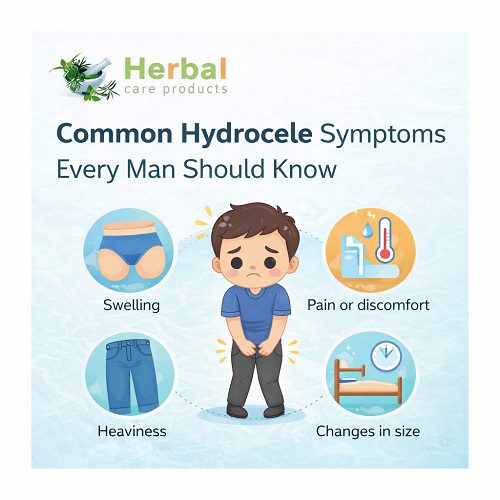
The most common signs include scrotal swelling, heaviness, visible enlargement, and mild discomfort. Recognizing these symptoms early allows men to seek appropriate medical care and rule out more serious conditions.
Education and awareness remain the best tools for protecting men’s reproductive health. By paying attention to changes in the body and consulting healthcare professionals when necessary, men can manage hydroceles effectively and maintain overall well-being.