
 By
By Maintaining good reproductive health is an essential part of overall well-being for men, yet it is often overlooked until a problem arises. One such condition that can affect men of all ages is a hydrocele. While generally harmless, a hydrocele can cause discomfort, swelling, and concern, particularly if it becomes large or persistent. This raises an important question: Can hydrocele be prevented?
What Is a Hydrocele?
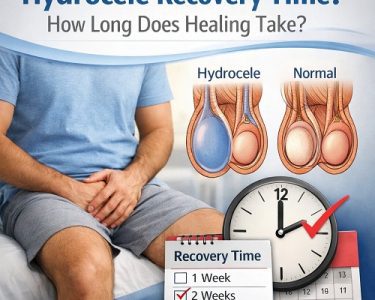
A hydrocele is a fluid-filled sac that forms around a testicle, leading to swelling in the scrotum. It is usually painless and may go unnoticed initially, especially if the swelling is mild. Hydroceles are more common in newborns but can also occur in adult men, particularly those over the age of 40.
There are two main types:
- Communicating hydrocele – Common in infants, caused by incomplete closure of the abdominal lining.
- Non-communicating hydrocele – Occurs when fluid remains trapped without connection to the abdominal cavity.
While hydroceles are often benign, they can sometimes indicate underlying issues such as infection, injury, or inflammation.
Causes and Risk Factors
Understanding the causes is the first step toward effective Hydrocele Prevention.
1. Injury or Trauma
Any physical impact to the scrotal area can trigger fluid accumulation as part of the body’s inflammatory response.
2. Infections
Infections of the testicles or epididymis, including sexually transmitted infections, can lead to swelling and hydrocele formation.
3. Inflammation
Conditions such as epididymitis or orchitis can disrupt normal fluid balance in the scrotum.
4. Aging
As men age, the risk of fluid imbalance and weakened tissue increases.
5. Post-Surgical Complications
Surgeries involving the groin or scrotum may sometimes result in fluid buildup.
Can Hydrocele Be Prevented?
The answer is nuanced. Not all hydroceles can be prevented, especially those that are congenital. However, many adult-onset hydroceles are linked to preventable factors such as injury, infection, and poor lifestyle habits.
This means that Hydrocele Prevention is absolutely possible in many cases, particularly with consistent attention to hygiene, safety, and overall health.
Early Signs to Watch For
Recognizing early symptoms can help prevent complications:
- Swelling in one or both sides of the scrotum
- A feeling of heaviness
- Mild discomfort or pressure
- Size fluctuation throughout the day
If detected early, lifestyle adjustments and medical care can prevent worsening.
Importance of Testicular Health
Testicular health is closely tied to fertility, hormonal balance, and overall physical health. Neglecting it can lead to:
- Reduced sperm production
- Hormonal imbalances
- Increased risk of infections
- Chronic discomfort
Taking preventive measures is not just about avoiding hydroceles—it’s about maintaining long-term reproductive health.
Hydrocele Prevention: Practical Tips
Here are some effective strategies for Hydrocele Prevention that every man should consider.
1. Maintain Proper Hygiene
Good hygiene is one of the simplest yet most powerful tools.
- Wash the genital area daily
- Keep the area dry to prevent bacterial growth
- Wear clean, breathable underwear
Poor hygiene can lead to infections, which are a major cause of hydroceles.
2. Protect Against Injury
Since trauma is a common cause, protecting the scrotum is crucial.
- Wear protective gear during sports
- Avoid activities that risk groin injury without support
- Be cautious when lifting heavy objects
Even minor injuries can trigger inflammation leading to fluid accumulation.
3. Practice Safe Sex
Sexually transmitted infections are a significant risk factor.
- Use protection consistently
- Get regular health screenings
- Avoid multiple unprotected partners
Preventing infections is a key component of Hydrocele Prevention.
4. Stay Physically Active
Regular exercise improves circulation and reduces inflammation.
- Engage in moderate physical activity
- Avoid prolonged sitting
- Incorporate stretching and movement into your routine
Good circulation helps maintain proper fluid balance in the body.
5. Maintain a Healthy Weight
Excess weight can increase pressure in the abdominal and pelvic areas.
- Follow a balanced diet
- Limit processed foods
- Stay hydrated
Weight management supports overall reproductive health.
6. Avoid Excessive Heat Exposure
High temperatures can affect the scrotum.
- Avoid prolonged hot baths or saunas
- Wear loose-fitting clothing
- Limit laptop use directly on the lap
Keeping the scrotal area cool supports normal function.
How to Prevent Hydrocele Naturally
For those seeking natural approaches, here are some effective methods on how to prevent hydrocele naturally.
1. Anti-Inflammatory Diet
A diet rich in anti-inflammatory foods can help reduce swelling.
Include:
- Fruits and vegetables
- Nuts and seeds
- Whole grains
- Healthy fats like olive oil
Avoid:
- Processed foods
- Excess sugar
- Trans fats
2. Herbal Support
Certain herbs may support testicular health:
- Turmeric (anti-inflammatory)
- Ginger (improves circulation)
- Garlic (antimicrobial properties)
While these are not cures, they can support overall wellness.
3. Stay Hydrated
Proper hydration helps maintain fluid balance in the body.
- Drink adequate water daily
- Reduce alcohol and caffeine intake
4. Regular Self-Examination
Monthly self-checks can help detect abnormalities early.
- Check for lumps or swelling
- Note any changes in size or shape
- Seek medical advice if anything unusual appears
5. Manage Stress
Chronic stress can weaken the immune system.
- Practice relaxation techniques
- Get enough sleep
- Maintain a balanced lifestyle
When to See a Doctor
Even with the best preventive measures, medical attention may be necessary.
Seek help if you experience:
- Sudden or severe swelling
- Pain or tenderness
- Signs of infection (fever, redness)
- Rapid increase in size
Early diagnosis can prevent complications and ensure proper treatment.
Common Myths About Hydrocele
Myth 1: Hydrocele Is Always Dangerous
Most hydroceles are harmless and resolve on their own.
Myth 2: It Only Affects Older Men
Hydroceles can occur at any age.
Myth 3: Surgery Is Always Required
Many cases do not require surgical intervention.
Lifestyle Habits That Support Prevention
Consistency is key when it comes to Hydrocele Prevention.
Daily Habits
- Maintain hygiene
- Wear supportive underwear
- Stay active
Weekly Habits
- Exercise regularly
- Monitor diet
Monthly Habits
- Perform self-examinations
The Role of Medical Checkups
Regular health checkups can identify issues early.
- Annual physical exams
- Screening for infections
- Monitoring existing conditions
Preventive healthcare plays a crucial role in long-term well-being.
Hydrocele in Children vs Adults
In Children
- Often congenital
- Usually resolves naturally
In Adults
- Often caused by external factors
- More preventable through lifestyle changes
Understanding the difference helps tailor prevention strategies.
Psychological Impact
Though often painless, hydroceles can affect confidence and mental well-being.
- Body image concerns
- Anxiety about health
- Discomfort in social situations
Addressing both physical and emotional health is important.
Long-Term Outlook
With proper care and attention, most men can avoid complications.
- Early detection leads to better outcomes
- Lifestyle changes reduce risk
- Medical treatment is effective when needed
Key Takeaways
- Hydroceles are usually harmless but can indicate underlying issues
- Many adult hydroceles are preventable
- Hygiene, safety, and lifestyle play a major role
- Natural methods can support prevention
- Regular checkups and self-exams are essential
Taking care of your health today can prevent complications tomorrow.
Final Thoughts
So, can hydrocele be prevented? In many cases, yes. While not all hydroceles are avoidable, especially congenital ones, adopting healthy habits significantly reduces the risk of developing this condition.
Focusing on Hydrocele Prevention through hygiene, injury protection, safe sexual practices, and a healthy lifestyle can make a substantial difference. Additionally, understanding how to prevent hydrocele naturally empowers men to take control of their health using simple, effective strategies.
Testicular health should never be ignored. By staying informed, proactive, and attentive to your body, you can maintain optimal reproductive health and minimize the chances of developing conditions like hydrocele.