
 By
By Delayed Gastric Emptying—also known medically as gastroparesis—is a digestive condition in which food moves too slowly from the stomach to the small intestine. This slowdown can cause uncomfortable and sometimes debilitating symptoms such as nausea, bloating, early fullness, vomiting, acid reflux, and abdominal pain. For many individuals, managing Delayed Gastric Emptying requires a combination of dietary adjustments, medications, and targeted nutritional supplementation.
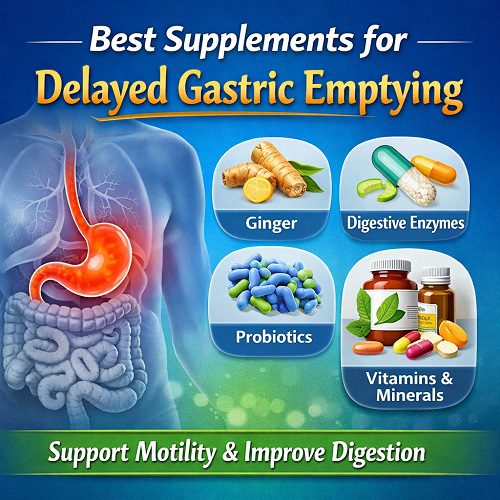
While supplements cannot cure Delayed Gastric Emptying, certain nutrients and natural compounds may help support stomach motility, improve digestion, and reduce symptom severity. This comprehensive guide explores the best supplements for Delayed Gastric Emptying, how they work, and how to use them safely.
Understanding Delayed Gastric Emptying
Before diving into supplements, it’s important to understand what happens in Delayed Gastric Emptying.
In healthy digestion, the stomach contracts rhythmically to grind food and push it into the small intestine. These contractions are controlled by nerves, muscles, and hormones. When this coordination is disrupted—often due to diabetes, nerve damage, surgery, autoimmune conditions, or idiopathic causes—gastric emptying slows down.
Common symptoms include:
- Nausea
- Vomiting undigested food
- Feeling full after small meals
- Bloating
- Abdominal discomfort
- Poor appetite
- Weight loss
- Blood sugar fluctuations (especially in diabetics)
Because food remains in the stomach longer than normal, digestion becomes inefficient and unpredictable. This is where targeted supplementation can help support function and symptom relief.
Best Supplements for Delayed Gastric Emptying
Below are the most promising supplements for individuals dealing with Delayed Gastric Emptying.
1. Ginger
Why It Helps
Ginger is one of the most researched natural remedies for digestive motility. It contains active compounds called gingerols and shogaols that stimulate gastric contractions and accelerate stomach emptying.
Studies suggest ginger may:
- Improve gastric motility
- Reduce nausea and vomiting
- Decrease bloating
- Support overall digestive comfort
For individuals with Delayed Gastric Emptying, ginger can gently encourage the stomach to contract more efficiently.
How to Use
- 500–1000 mg ginger extract daily (standardized)
- Ginger tea before meals
- Ginger capsules 20–30 minutes before eating
Start with small doses to ensure tolerance.
2. Iberogast (Digestive Herbal Blend)
Iberogast is a liquid herbal formula containing extracts of multiple herbs, including bitter candytuft, chamomile, peppermint, caraway, and licorice root.
Why It Helps
This blend works by:
- Stimulating gastric motility
- Reducing inflammation
- Relieving cramping
- Decreasing nausea
Some research suggests it can improve functional dyspepsia symptoms, which overlap significantly with Delayed Gastric Emptying.
How to Use
Typically:
- 20 drops in water before or with meals
- Up to 3 times daily
Consult a healthcare provider before use, especially if you have liver concerns.
3. Digestive Enzymes
When stomach emptying is delayed, food may ferment in the stomach, increasing bloating and discomfort. Digestive enzymes can help break food down more efficiently.
Key Enzymes to Look For
- Amylase (carbohydrates)
- Protease (proteins)
- Lipase (fats)
- Lactase (dairy digestion)
Why They Help
Although enzymes don’t directly speed gastric emptying, they:
- Improve nutrient breakdown
- Reduce fermentation
- Decrease gas and bloating
- Ease digestive burden
How to Use
Take a broad-spectrum digestive enzyme supplement at the beginning of meals.
4. Magnesium (Low-Dose)
Magnesium is commonly associated with bowel regularity, but it also plays a role in muscle function—including stomach muscles.
Why It Helps
Magnesium supports:
- Smooth muscle relaxation
- Nerve signaling
- Coordinated muscle contractions
In some cases, low magnesium levels may contribute to sluggish motility.
Important Note
High doses can cause diarrhea and worsen symptoms. Use low-dose magnesium glycinate or citrate under supervision.
Typical dose:
- 100–200 mg daily
Always consult a healthcare provider before supplementing.
5. Vitamin B1 (Thiamine)
Thiamine is essential for nerve function and energy production.
Why It Helps
Delayed Gastric Emptying often involves vagus nerve dysfunction. Thiamine supports:
- Nerve health
- Muscle coordination
- Energy metabolism in digestive tissues
Thiamine deficiency can worsen digestive motility issues, especially in individuals with diabetes.
How to Use
- 50–100 mg daily
- Consider benfotiamine (a fat-soluble form) for better absorption
6. Vitamin B12
Vitamin B12 is critical for nerve health and is often deficient in individuals with chronic digestive disorders.
Why It Helps
Because Delayed Gastric Emptying may involve nerve damage:
- B12 supports nerve regeneration
- Prevents neuropathy progression
- Helps maintain energy levels
If absorption is impaired, sublingual or injectable forms may be more effective.
How to Use
- 1000 mcg sublingual daily (if deficient)
- Or as directed by your healthcare provider
7. Probiotics (Carefully Selected)
Probiotics for gastroparesis can be beneficial, but they must be chosen carefully.
Why Caution Is Needed
Since food lingers in the stomach longer, excess bacteria may increase fermentation and bloating. However, certain strains may help regulate digestion.
Helpful Strains
- Lactobacillus plantarum
- Bifidobacterium lactis
- Saccharomyces boulardii
Benefits
- Improve gut flora balance
- Reduce inflammation
- Support bowel regularity
- Reduce gas formation
Start with low doses and monitor symptoms closely.
8. Acetyl-L-Carnitine
Acetyl-L-carnitine supports nerve function and mitochondrial energy production.
Why It Helps
It may:
- Improve nerve signaling
- Support vagus nerve function
- Enhance muscular energy
Some evidence suggests it may help diabetic neuropathy, which is a common cause of Delayed Gastric Emptying.
How to Use
- 500–1000 mg daily
- Best taken on an empty stomach
9. 5-HTP (With Caution)
5-HTP increases serotonin production. Serotonin plays a role in gut motility.
Why It May Help
Serotonin regulates:
- Stomach contractions
- Intestinal movement
- Digestive signaling
However, this supplement should only be used under medical supervision, especially if you take antidepressants.
10. Peppermint Oil (Enteric-Coated)
Peppermint oil is known for relaxing digestive spasms.
How It Helps
In Delayed Gastric Emptying, peppermint may:
- Reduce abdominal pain
- Decrease nausea
- Ease bloating
However, because it relaxes smooth muscle, it may not directly speed gastric emptying. It is more helpful for symptom control.
How to Use
- Enteric-coated capsules
- Taken before meals
Avoid if you have severe reflux.
Nutritional Support for Delayed Gastric Emptying
Supplements work best when combined with proper nutrition strategies.
Protein Powders
Many individuals with Delayed Gastric Emptying struggle to eat solid protein foods.
Consider:
- Whey protein isolate
- Collagen peptides
- Plant-based protein blends
Liquid nutrition empties faster than solid foods and is often better tolerated.
Electrolytes
Vomiting and poor intake can lead to dehydration and electrolyte imbalance.
Supplementing:
- Sodium
- Potassium
- Magnesium
May help maintain hydration and muscle function.
Supplements to Avoid
Some supplements may worsen Delayed Gastric Emptying:
- High-fiber supplements (psyllium, inulin)
- Large iron doses
- High-fat herbal blends
- Bulky tablet formulations
Always choose easily digestible forms.
Lifestyle Factors That Enhance Supplement Effectiveness
Supplements alone are not enough. Consider these strategies:
- Eat small, frequent meals
- Choose low-fat, low-fiber foods
- Chew food thoroughly
- Stay upright after meals
- Use liquid nutrition when needed
- Manage blood sugar tightly (if diabetic)
- Reduce stress (stress slows digestion)
Combining these habits with targeted supplements yields better results.
When to See a Doctor
While supplements can support Delayed Gastric Emptying, medical evaluation is essential if you experience:
- Persistent vomiting
- Severe weight loss
- Dehydration
- Malnutrition
- Blood sugar instability
- Severe abdominal pain
Prescription prokinetic medications may be necessary in moderate to severe cases.
How to Choose High-Quality Supplements
When selecting supplements for Delayed Gastric Emptying:
- Look for third-party testing
- Avoid artificial fillers
- Choose capsules over tablets when possible
- Start low and increase slowly
- Introduce one supplement at a time
Tracking symptoms in a journal can help determine what works best for you.
A Sample Supplement Plan (Example Only)
Morning:
- Ginger capsule before breakfast
- Digestive enzyme with meal
- Vitamin B1
- Vitamin B12
Midday:
- Protein shake
- Probiotic (if tolerated)
Evening:
- Low-dose magnesium
- Peppermint oil capsule before dinner
Always consult your healthcare provider before starting any new supplement plan.
Final Thoughts on Supplements for Delayed Gastric Emptying
Managing Delayed Gastric Emptying requires patience, experimentation, and a personalized approach. No single supplement works for everyone, and results vary depending on the underlying cause—whether diabetic neuropathy, post-surgical changes, autoimmune disorders, or idiopathic factors.
The most evidence-supported supplements for Delayed Gastric Emptying include:
- Ginger
- Digestive enzymes
- Vitamin B1
- Vitamin B12
- Carefully selected probiotics
- Magnesium (low dose)
Used appropriately, these supplements can reduce symptoms, improve digestion, and enhance quality of life.
However, they should complement—not replace—medical treatment and dietary management. If you suspect Delayed Gastric Emptying, seek professional evaluation for proper diagnosis and monitoring.
With the right combination of supplements, nutrition strategies, and medical care, many individuals can successfully manage Delayed Gastric Emptying and regain digestive comfort.