 By
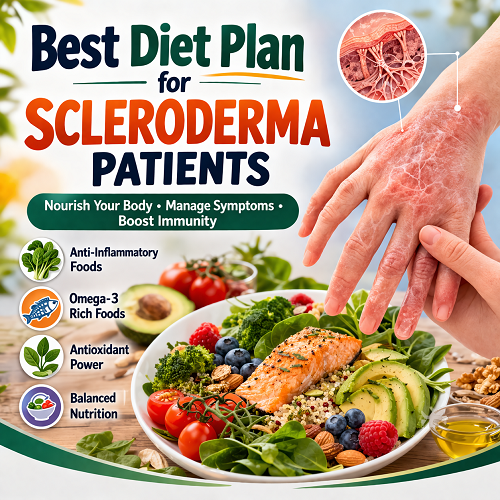
By Living with Scleroderma can be challenging, especially when symptoms like skin tightening, digestive issues, fatigue, and inflammation interfere with daily life. While there is no complete cure, adopting the right Diet Plan for Scleroderma can significantly help reduce symptoms, improve quality of life, and support overall health. A natural, practical, and science-backed approach to managing scleroderma through diet. Whether you are newly diagnosed or looking to improve your current routine, this article will provide everything you need.
Understanding Scleroderma and Its Dietary Needs
Scleroderma is an autoimmune condition where the immune system mistakenly attacks healthy tissues, leading to excessive collagen production. This can affect the skin, blood vessels, digestive system, and internal organs.
Why Diet Matters
A carefully planned Diet Plan for Scleroderma plays a crucial role because:
- It helps reduce inflammation
- Supports gut health
- Improves digestion and nutrient absorption
- Boosts immunity
- Manages complications like acid reflux and malnutrition
Key Principles of a Diet Plan for Scleroderma
Before diving into specific foods, it’s important to understand the core dietary principles.
1. Anti-Inflammatory Focus
Chronic inflammation is a major issue in scleroderma. Your diet should emphasize foods that reduce inflammation naturally.
2. Easy-to-Digest Foods
Many patients experience gastrointestinal problems, so foods should be gentle on the digestive system.
3. Nutrient-Dense Choices
Because nutrient absorption may be compromised, every meal should be rich in vitamins and minerals.
4. Small, Frequent Meals
Eating smaller meals throughout the day helps reduce digestive stress and acid reflux.
Foods to Include in a Diet Plan for Scleroderma
1. Fruits and Vegetables
Fruits and vegetables are the foundation of any healthy diet, especially for scleroderma patients.
Best choices:
- Berries (blueberries, strawberries)
- Leafy greens (spinach, kale)
- Carrots
- Sweet potatoes
- Apples
Benefits:
- High in antioxidants
- Reduce inflammation
- Support immune function
2. Healthy Fats
Healthy fats are essential in a Diet Plan for Scleroderma because they help fight inflammation.
Top sources:
- Olive oil
- Avocados
- Nuts (almonds, walnuts)
- Seeds (chia, flaxseeds)
Tip: Use cold-pressed oils for maximum benefits.
3. Lean Protein
Protein is important for tissue repair and maintaining muscle strength.
Recommended sources:
- Chicken (skinless)
- Fish (especially fatty fish like salmon)
- Eggs
- Plant-based proteins (lentils, chickpeas)
4. Omega-3 Fatty Acids
Omega-3s are powerful anti-inflammatory nutrients.
Best sources:
- Salmon
- Sardines
- Flaxseeds
- Chia seeds
5. Whole Grains
Whole grains provide fiber and energy without causing spikes in blood sugar.
Examples:
- Brown rice
- Oats
- Quinoa
6. Probiotic-Rich Foods
Gut health is crucial in managing scleroderma symptoms.
Include:
- Yogurt (if tolerated)
- Kefir
- Fermented vegetables (sauerkraut, kimchi)
7. Hydration
Drink plenty of water to:
- Support digestion
- Prevent constipation
- Improve skin health
Foods to Avoid in a Diet Plan for Scleroderma
Certain foods can worsen symptoms and should be limited or avoided.
1. Processed Foods
- High in preservatives and unhealthy fats
- Increase inflammation
2. Refined Sugar
- Worsens inflammation
- Can weaken immune function
3. Fried Foods
- Difficult to digest
- Promote inflammation
4. Caffeine and Alcohol
- May trigger acid reflux
- Dehydrate the body
5. Spicy Foods
- Can irritate the digestive system
Special Dietary Considerations
1. Managing Acid Reflux
Many scleroderma patients suffer from GERD (acid reflux).
Helpful tips:
- Avoid late-night meals
- Elevate head while sleeping
- Limit acidic foods like citrus and tomatoes
2. Addressing Swallowing Difficulties
If swallowing becomes difficult:
- Choose soft foods (soups, smoothies)
- Avoid dry or tough foods
- Eat slowly and chew thoroughly
3. Preventing Malnutrition
Due to digestive issues, some patients may not absorb nutrients properly.
Solution:
- Focus on nutrient-rich foods
- Consider supplements (after consulting a doctor)
Sample 7-Day Diet Plan for Scleroderma
Here is a practical weekly meal plan to help you get started.
Day 1
- Breakfast: Oatmeal with berries and flaxseeds
- Lunch: Grilled chicken salad with olive oil dressing
- Dinner: Steamed fish with vegetables
- Snack: Yogurt
Day 2
- Breakfast: Smoothie (banana, spinach, almond milk)
- Lunch: Lentil soup
- Dinner: Brown rice with grilled vegetables
- Snack: Nuts
Day 3
- Breakfast: Whole grain toast with avocado
- Lunch: Quinoa salad
- Dinner: Baked salmon with sweet potato
- Snack: Apple slices
Day 4
- Breakfast: Yogurt with honey and seeds
- Lunch: Chickpea salad
- Dinner: Chicken soup
- Snack: Carrots
Day 5
- Breakfast: Smoothie bowl
- Lunch: Brown rice and vegetables
- Dinner: Grilled fish
- Snack: Almonds
Day 6
- Breakfast: Oatmeal with nuts
- Lunch: Vegetable soup
- Dinner: Lentils with quinoa
- Snack: Fruit
Day 7
- Breakfast: Eggs with whole grain toast
- Lunch: Chicken salad
- Dinner: Steamed vegetables and fish
- Snack: Yogurt
Lifestyle Tips to Support Your Diet Plan
A good Diet Plan for Scleroderma works best when combined with healthy lifestyle habits.
1. Regular Physical Activity
- Improves circulation
- Reduces stiffness
2. Stress Management
- Practice meditation or yoga
- Stress can worsen symptoms
3. Adequate Sleep
- Helps the body repair itself
Supplements That May Help
While food should always come first, some supplements may support your diet:
- Vitamin D
- Omega-3 supplements
- Probiotics
- Calcium
Important: Always consult a healthcare provider before starting supplements.
Common Mistakes to Avoid
- Skipping meals
- Relying on processed “health” foods
- Ignoring hydration
- Not adjusting diet based on symptoms
When to Consult a Doctor or Nutritionist
You should seek professional advice if:
- You experience severe weight loss
- Digestive symptoms worsen
- You have difficulty swallowing
- You suspect nutrient deficiencies
Final Thoughts
Managing Scleroderma requires a holistic approach, and diet plays a powerful role in symptom control. By following a well-balanced Diet Plan for Scleroderma, you can:
- Reduce inflammation
- Improve digestion
- Boost energy levels
- Enhance overall well-being
Remember, every individual is different. It may take time to find the diet that works best for your body. Start with small changes, stay consistent, and listen to your body’s needs.
Frequently Asked Questions (FAQs)
- Can diet cure scleroderma?
No, but it can significantly reduce symptoms and improve quality of life.
- Is a gluten-free diet helpful?
Some patients find relief, but it depends on individual sensitivity.
- Are dairy products safe?
If tolerated, yes. Otherwise, choose plant-based alternatives.
- How important is hydration?
Very important—it supports digestion and overall health.