 By
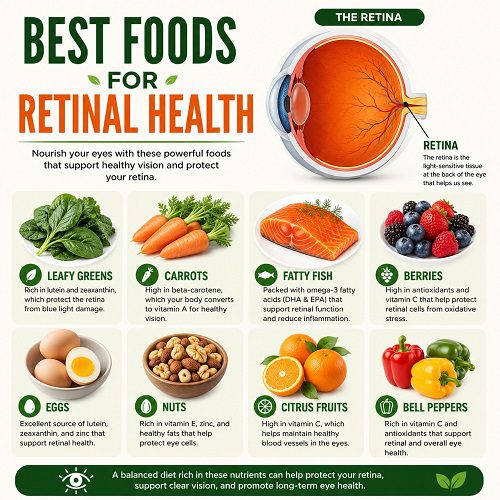
By Healthy eyesight is one of the greatest gifts we often take for granted until vision problems begin to appear. The retina, a thin layer of tissue at the back of the eye, plays a vital role in converting light into signals that the brain interprets as images. Maintaining retinal health is essential for preserving clear vision and preventing serious eye conditions. One of the most effective ways to support your eyesight naturally is through proper nutrition. Choosing the Best Foods for Retinal Health can help protect your eyes from age-related damage, improve blood circulation to the retina, and reduce oxidative stress.
In recent years, eye disorders such as retinal vein occlusion, macular degeneration, diabetic retinopathy, and retinal inflammation have become increasingly common. Many people are now searching for natural approaches to support eye function, including dietary improvements and herbal care. Alongside medical treatment, nutrition can play an important supportive role in what many refer to as Natural Treatment for Retinal Vein Occlusion and other retinal conditions.
Understanding the Retina and Its Importance
The retina is responsible for capturing visual information and sending it to the brain through the optic nerve. When the retina becomes damaged, vision problems can occur, ranging from blurred vision to permanent blindness.
Several factors may contribute to retinal damage, including:
- Aging
- Diabetes
- High blood pressure
- Smoking
- Poor diet
- Oxidative stress
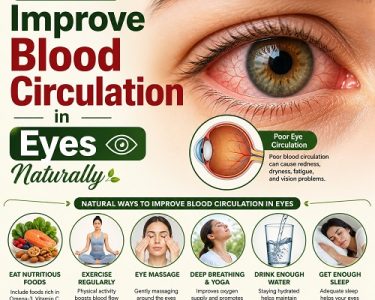
- Poor blood circulation
- Eye injuries
Retinal disorders such as retinal vein occlusion occur when blood flow within the retinal veins becomes blocked, leading to swelling, bleeding, and impaired vision. While medical attention is essential, many individuals also explore Natural Remedies for Retinal Vein Occlusion to support healing and overall eye wellness.
Why Nutrition Matters for Retinal Health
The eyes require a constant supply of antioxidants, vitamins, minerals, and healthy fats to function properly. Nutrient deficiencies may increase the risk of retinal degeneration and other vision problems.
The Best Foods for Retinal Health contain nutrients that help:
- Reduce inflammation
- Improve retinal blood circulation
- Protect against oxidative stress
- Strengthen blood vessels
- Support night vision
- Reduce eye strain
- Slow age-related retinal degeneration
Key Nutrients for Healthy Retinas
Before discussing specific foods, it’s important to understand the nutrients that are essential for retinal protection.
1. Vitamin A
Vitamin A is critical for maintaining healthy retinal cells and supporting night vision. A deficiency can lead to dryness, poor vision, and retinal damage.
2. Lutein and Zeaxanthin
These powerful antioxidants are concentrated in the retina and help filter harmful blue light.
3. Omega-3 Fatty Acids
Omega-3 fats support retinal cell function and reduce inflammation.
4. Vitamin C
Vitamin C protects eye tissues from free radical damage and supports blood vessel health.
5. Vitamin E
Vitamin E helps prevent oxidative damage to retinal cells.
6. Zinc
Zinc supports the transport of vitamin A from the liver to the retina.
7. Anthocyanins
These plant compounds improve circulation and may help reduce retinal inflammation.
15 Best Foods for Retinal Health
1. Carrots
Carrots are one of the most famous foods for eye health because they are rich in beta-carotene, which the body converts into vitamin A.
Benefits:
- Supports night vision
- Protects retinal cells
- Reduces oxidative damage
Adding carrots to salads, soups, or juices can significantly support eye wellness.
2. Spinach
Spinach is packed with lutein and zeaxanthin, two antioxidants that protect the retina from light damage.
Benefits:
- Protects against retinal degeneration
- Supports healthy blood vessels
- Helps reduce inflammation
Regular consumption of spinach may lower the risk of age-related retinal diseases.
3. Kale
Kale contains some of the highest levels of lutein and zeaxanthin among leafy greens.
Benefits:
- Shields retinal tissue
- Supports visual clarity
- Helps fight free radicals
Kale smoothies and salads are excellent additions to a retinal-supportive diet.
4. Salmon
Salmon is rich in omega-3 fatty acids, which are essential for retinal function.
Benefits:
- Reduces retinal inflammation
- Improves tear production
- Supports blood circulation in the eyes
Omega-3s are often included in supportive approaches for Natural Treatment for Retinal Vein Occlusion because healthy circulation is crucial for retinal recovery.
5. Blueberries
Blueberries contain anthocyanins, antioxidants that support blood vessel strength and retinal protection.
Benefits:
- Improves circulation
- Reduces oxidative stress
- Supports night vision
These berries are among the Best Foods for Retinal Health due to their powerful anti-inflammatory effects.
6. Oranges
Oranges are rich in vitamin C, which helps strengthen blood vessels in the eyes.
Benefits:
- Protects retinal blood vessels
- Reduces free radical damage
- Supports collagen production
Healthy retinal circulation is essential in preventing vision complications.
7. Eggs
Egg yolks contain lutein, zeaxanthin, zinc, and vitamin E.
Benefits:
- Supports retinal cell health
- Helps filter blue light
- Protects against oxidative stress
Eggs are a convenient and highly nutritious food for daily eye support.
8. Sweet Potatoes
Sweet potatoes are another excellent source of beta-carotene.
Benefits:
- Supports visual function
- Helps prevent retinal dryness
- Enhances night vision
Their antioxidant content helps reduce cellular damage in the eyes.
9. Almonds
Almonds are rich in vitamin E, a nutrient known to protect retinal tissues.
Benefits:
- Reduces age-related retinal damage
- Supports healthy eye cells
- Protects against oxidative stress
A small handful of almonds daily may contribute to better vision protection.
10. Bell Peppers
Colorful bell peppers provide vitamin C and antioxidants.
Benefits:
- Protects delicate eye blood vessels
- Supports retinal repair
- Helps reduce inflammation
Red bell peppers contain especially high levels of vitamin C.
11. Broccoli
Broccoli combines several essential eye nutrients, including vitamin C, lutein, and fiber.
Benefits:
- Supports overall eye function
- Reduces oxidative damage
- Helps maintain healthy circulation
This vegetable is a nutritional powerhouse for retinal wellness.
12. Tuna
Tuna provides omega-3 fatty acids and protein.
Benefits:
- Supports retinal structure
- Helps reduce inflammation
- Protects against dry eyes
Including fatty fish regularly can benefit people concerned about retinal disorders.
13. Tomatoes
Tomatoes are rich in lycopene, a powerful antioxidant.
Benefits:
- Protects retinal tissues
- Reduces oxidative stress
- Supports healthy blood flow
Cooked tomatoes may provide even more absorbable lycopene.
14. Walnuts
Walnuts contain omega-3 fatty acids and antioxidants.
Benefits:
- Supports retinal circulation
- Helps reduce inflammation
- Protects nerve tissues
Walnuts make an excellent snack for supporting long-term vision health.
15. Avocados
Avocados contain lutein, vitamin E, and healthy fats.
Benefits:
- Enhances nutrient absorption
- Protects retinal cells
- Supports eye lubrication
Healthy fats help the body absorb fat-soluble nutrients important for retinal protection.
Foods to Avoid for Better Retinal Health
While focusing on the Best Foods for Retinal Health, it is equally important to avoid foods that may damage the eyes.
Sugary Foods
Excess sugar may worsen diabetes and retinal blood vessel damage.
Processed Foods
Highly processed foods often increase inflammation.
Fried Foods
Fried foods contain unhealthy fats that may impair circulation.
Excess Salt
Too much sodium can increase blood pressure and negatively affect retinal blood vessels.
Sugary Drinks
These beverages may contribute to inflammation and metabolic disorders.
Hydration and Retinal Health
Proper hydration helps maintain healthy blood flow to the retina and prevents dry eyes.
Tips for hydration:
- Drink enough water daily
- Limit caffeine intake
- Eat water-rich fruits and vegetables
Hydration supports nutrient delivery to retinal tissues.
Role of Antioxidants in Retinal Protection
The retina is highly vulnerable to oxidative stress because it consumes a large amount of oxygen. Antioxidants help neutralize free radicals and protect retinal cells from damage.
Important antioxidants include:
- Vitamin C
- Vitamin E
- Lutein
- Zeaxanthin
- Selenium
- Anthocyanins
A diet rich in antioxidants may reduce the risk of retinal degeneration and support Natural Remedies for Retinal Vein Occlusion.
Natural Lifestyle Tips for Healthy Vision
In addition to eating the Best Foods for Retinal Health, healthy habits can further protect your eyesight.
Exercise Regularly
Physical activity improves circulation and helps maintain healthy blood pressure.
Avoid Smoking
Smoking increases oxidative stress and damages retinal blood vessels.
Manage Blood Sugar
High blood sugar can severely affect retinal health.
Wear Sunglasses
UV protection helps prevent retinal damage caused by sunlight.
Get Regular Eye Exams
Early detection is important for preventing serious retinal complications.
Herbal Support for Retinal Wellness
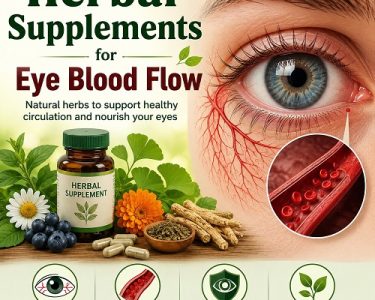
Many people explore herbal approaches alongside dietary improvements for supporting eye health.
Some commonly used herbs include:
- Bilberry
- Ginkgo biloba
- Turmeric
- Eyebright
- Green tea
These herbs contain antioxidants and anti-inflammatory compounds that may support circulation and retinal protection.
Herbal support is often considered part of Natural Treatment for Retinal Vein Occlusion, though professional medical advice is always recommended before starting supplements.
Can Diet Help Retinal Vein Occlusion?
Retinal vein occlusion occurs when blood flow through the retinal veins becomes blocked. While medical care remains essential, proper nutrition may support recovery by improving vascular health and reducing inflammation.
Nutritional goals include:
- Supporting healthy circulation
- Reducing oxidative stress
- Lowering inflammation
- Strengthening blood vessels
Foods rich in omega-3 fatty acids, antioxidants, and vitamins may complement traditional treatments and support overall retinal health.
Sample Daily Meal Plan for Retinal Health
Breakfast
- Spinach omelet
- Whole-grain toast
- Orange slices
- Green tea
Snack
- Blueberries and almonds
Lunch
- Grilled salmon
- Kale salad
- Avocado slices
Snack
- Carrot sticks with hummus
Dinner
- Tuna with steamed broccoli
- Sweet potatoes
- Mixed vegetables
Before Bed
- Herbal tea
This balanced plan includes many of the Best Foods for Retinal Health and supports natural eye wellness.
Signs Your Retina May Need Attention
Early symptoms of retinal problems should never be ignored.
Common warning signs include:
- Blurred vision
- Floaters
- Flashes of light
- Dark spots
- Sudden vision loss
- Difficulty seeing at night
Seek immediate medical attention if these symptoms occur.
Importance of Early Prevention
Protecting retinal health early in life can help reduce the risk of serious vision disorders later.
Preventive strategies include:
- Healthy nutrition
- Blood pressure control
- Blood sugar management
- Regular exercise
- Eye protection
Combining these habits with the Best Foods for Retinal Health creates a strong foundation for long-term visual wellness.
Scientific Research on Nutrition and Eye Health
Research continues to show strong connections between nutrition and retinal protection.
Studies suggest that:
- Lutein and zeaxanthin may help reduce retinal degeneration
- Omega-3 fatty acids support retinal function
- Antioxidants help lower oxidative stress in the eyes
- Healthy diets may reduce the risk of vascular eye disorders
Nutritional therapy is increasingly recognized as a supportive strategy for maintaining vision naturally.
Frequently Asked Questions
What are the best foods for retinal health?
The Best Foods for Retinal Health include spinach, kale, salmon, carrots, blueberries, almonds, eggs, and oranges because they provide essential nutrients for retinal protection.
Can nutrition improve retinal circulation?
Yes, foods rich in antioxidants and omega-3 fatty acids may support healthy blood flow and circulation within the retina.
Is there a natural treatment for retinal vein occlusion?
While medical care is essential, supportive approaches such as healthy nutrition, exercise, antioxidant-rich foods, and herbal supplements are often explored as part of Natural Treatment for Retinal Vein Occlusion.
Which vitamin is most important for the retina?
Vitamin A is crucial for retinal function, but lutein, zeaxanthin, vitamin C, vitamin E, and omega-3 fatty acids are also highly important.
Can antioxidants protect vision?
Yes, antioxidants help protect retinal cells from oxidative damage and may reduce the risk of vision deterioration.
Conclusion
Your eyes depend heavily on proper nutrition and healthy lifestyle habits. Including the Best Foods for Retinal Health in your daily diet can naturally strengthen retinal tissues, improve circulation, and reduce oxidative stress. Nutrient-rich foods such as leafy greens, fatty fish, berries, nuts, and colorful vegetables provide powerful protection for long-term vision.
For individuals concerned about retinal disorders, combining a healthy diet with professional medical care may support overall eye wellness. Many people also explore Natural Treatment for Retinal Vein Occlusion and other supportive approaches that focus on antioxidants, circulation, and inflammation control.
Protecting your vision starts with the choices you make every day. A balanced diet filled with natural, eye-supportive foods can go a long way in preserving healthy eyesight and maintaining retinal function for years to come.