
 By
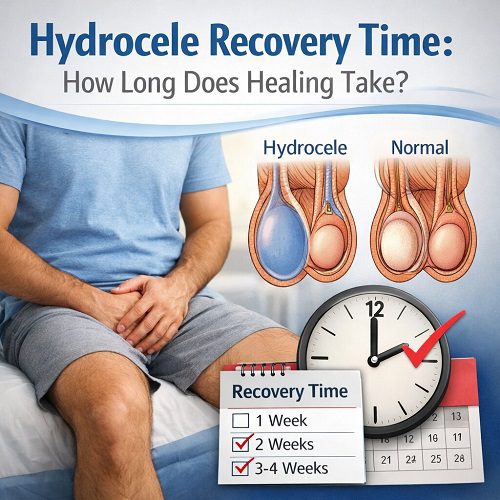
By Hydrocele is a common medical condition characterized by the accumulation of fluid in the sac surrounding a testicle, leading to swelling in the scrotum. While it is often painless and harmless, many individuals diagnosed with hydrocele are primarily concerned about recovery—especially if treatment or surgery is required. Understanding how long healing takes, what factors influence recovery, and how to manage the healing process can provide reassurance and help patients return to normal life more comfortably.
What Is a Hydrocele?
A hydrocele occurs when fluid builds up in the thin sheath that surrounds a testicle. It can affect newborns, boys, and adult men. In infants, hydroceles often resolve on their own within the first year of life. In adults, however, hydroceles may develop due to injury, inflammation, infection, or sometimes without a clear cause.
Hydroceles are generally classified into two types:
- Communicating hydrocele: Connected to the abdominal cavity and may change in size throughout the day.
- Non-communicating hydrocele: Not connected to the abdomen; fluid remains constant.
Although hydroceles are usually not dangerous, they can cause discomfort, heaviness, and concern due to visible swelling.
Do All Hydroceles Require Treatment?
Not all hydroceles need medical intervention. The approach depends on age, symptoms, and underlying causes.
In Infants
Most hydroceles resolve naturally within 6 to 12 months. Doctors typically recommend observation unless complications arise.
In Adults
Treatment may be necessary if:
- The hydrocele is large or growing
- It causes pain or discomfort
- It leads to embarrassment or mobility issues
- There is an underlying condition (infection, trauma, tumor)
Treatment Options and Their Impact on Recovery Time
Recovery time largely depends on the type of treatment used. There are three main approaches:
1. Observation (No Surgery)
If the hydrocele is small and asymptomatic, doctors may recommend a “watch and wait” approach.
Recovery Time:
- No recovery period needed
- Regular monitoring is required
Outcome:
- In some cases, hydroceles remain stable or resolve spontaneously
- No downtime or physical limitations
2. Aspiration and Sclerotherapy
This is a minimally invasive procedure where fluid is drained using a needle. Sometimes, a sclerosing agent is injected to prevent fluid from reaccumulating.
Recovery Time:
- 1 to 3 days for basic recovery
- Mild discomfort may last up to a week
Pros:
- Quick procedure
- Minimal downtime
Cons:
- Higher recurrence rate compared to surgery
- May require repeat procedures
3. Hydrocelectomy (Surgical Removal)
Hydrocelectomy is the most definitive treatment for hydrocele. It involves surgically removing or repairing the fluid-filled sac.
Recovery Time:
- Initial recovery: 1 to 2 weeks
- Full recovery: 4 to 6 weeks
Procedure Types:
- Open surgery (most common)
- Laparoscopic surgery (less common)
Knowing the risks and recovery of hydrocele surgery can give you a clearer idea of healing timelines.
Detailed Recovery Timeline After Hydrocelectomy
Understanding the stages of healing helps patients manage expectations.
Day 1–3: Immediate Post-Surgery Phase
- Swelling and discomfort are common
- Pain is usually mild to moderate
- Ice packs and pain medication help manage symptoms
- Limited movement is advised
Week 1: Early Healing Phase
- Swelling may still be present
- Bruising may appear
- Patients are advised to avoid strenuous activities
- Walking is encouraged to improve circulation
Week 2: Gradual Improvement
- Pain significantly reduces
- Most patients can return to light daily activities
- Stitches may dissolve or be removed
Weeks 3–4: Functional Recovery
- Swelling continues to decrease
- Patients can resume moderate activities
- Sexual activity may be allowed (based on doctor’s advice)
Weeks 5–6: Full Recovery
- Most individuals return to normal activities, including exercise
- Surgical site fully healed
- Minimal or no discomfort remains
Factors That Affect Hydrocele Recovery Time
Recovery is not the same for everyone. Several factors influence how quickly healing occurs:
1. Age
- Younger individuals tend to heal faster
- Older adults may require longer recovery
2. Overall Health
- Good general health promotes faster healing
- Chronic conditions (e.g., diabetes) may slow recovery
3. Type of Procedure
- Surgery requires longer recovery than aspiration
- Minimally invasive procedures may reduce downtime
4. Size of the Hydrocele
- Larger hydroceles may involve more extensive surgery
- Increased swelling may prolong healing
5. Post-Surgical Care
- Following medical advice speeds up recovery
- Poor wound care may lead to complications
Common Symptoms During Recovery
It is normal to experience certain symptoms after treatment:
- Mild to moderate pain
- Swelling in the scrotum
- Bruising or discoloration
- Temporary heaviness
- Slight fluid accumulation (in early stages)
These symptoms usually improve within a few weeks.
When to Be Concerned
While most recoveries are smooth, patients should seek medical attention if they experience:
- Severe or worsening pain
- Fever or chills
- Excessive swelling
- Redness or warmth at the surgical site
- Discharge or bleeding
- Difficulty urinating
These could indicate infection or complications.
Tips for Faster Recovery
Taking proper care after treatment significantly improves recovery outcomes.
1. Rest and Activity Management
- Avoid heavy lifting for at least 2–4 weeks
- Gradually increase activity levels
- Take time off work if needed
2. Use of Support Garments
- Wearing supportive underwear reduces discomfort
- Helps minimize swelling
3. Ice Therapy
- Apply ice packs for 10–15 minutes at a time
- Reduces swelling and pain
4. Pain Management
- Take prescribed medications as directed
- Avoid self-medicating without consultation
5. Hygiene and Wound Care
- Keep the surgical area clean and dry
- Follow instructions for dressing changes
6. Follow-Up Appointments
- Attend all scheduled check-ups
- Allows early detection of complications
Returning to Normal Activities
Work
- Desk jobs: Return within 1–2 weeks
- Physically demanding jobs: May require 4–6 weeks
Exercise
- Light walking: Within a few days
- Strenuous workouts: After 4–6 weeks
Sexual Activity
- Typically resumed after 3–4 weeks
- Should only begin after doctor’s approval
Recovery in Children vs Adults
Children
- Faster healing process
- Usually recover within 1–2 weeks after surgery
- Lower complication rates
Adults
- Slightly longer recovery period
- More attention needed for wound care
- Greater risk of recurrence or complications
Possible Complications That May Delay Recovery
Although uncommon, some complications can extend recovery time:
- Infection
- Hematoma (blood accumulation)
- Recurrence of hydrocele
- Injury to surrounding structures
Prompt treatment of complications is essential for proper healing.
Long-Term Outlook
The prognosis after hydrocele treatment is excellent. Most patients:
- Experience complete resolution
- Return to normal life without restrictions
- Have a low risk of recurrence (especially after surgery)
Hydrocelectomy, in particular, offers a permanent solution in most cases.
Emotional and Psychological Aspects of Recovery
While hydrocele is a physical condition, it can also impact mental well-being. Concerns about body image, discomfort, or fertility may cause stress.
Patients are encouraged to:
- Communicate openly with healthcare providers
- Seek reassurance about recovery progress
- Maintain realistic expectations
Support from family or partners can also aid emotional recovery.
Frequently Asked Questions
How long does swelling last after hydrocele surgery?
Swelling can last for 2–4 weeks, gradually decreasing over time.
Can a hydrocele come back after surgery?
Recurrence is rare but possible. Surgical treatment significantly reduces the risk.
Is hydrocele surgery painful?
Pain is usually mild to moderate and manageable with medication.
How soon can I walk after surgery?
Light walking is encouraged within a day or two to promote circulation.
Do I need bed rest?
Complete bed rest is not necessary, but adequate rest is important during the first week.
Final Thoughts
Hydrocele recovery time varies depending on the treatment method, individual health, and adherence to post-treatment care. While non-surgical approaches offer quick recovery, they may not provide permanent solutions. Surgical treatment, though requiring a longer healing period, is often the most effective and long-lasting option.
For most individuals, recovery after hydrocele treatment is straightforward, with full healing occurring within 4 to 6 weeks. By following medical advice, maintaining proper hygiene, and allowing the body time to heal, patients can expect a smooth recovery and a return to normal life.
Understanding the recovery process not only reduces anxiety but also empowers patients to take an active role in their healing journey.