
 By
By Lichen planus is a chronic inflammatory condition that affects the skin, mouth, nails, scalp, and sometimes the genitals. Many people who receive this diagnosis immediately worry about whether they could pass the condition to their family members or partners. Questions like “Is lichen planus contagious?”, “Can lichen planus spread person to person?”, or “How does lichen planus spread?” are among the most common concerns patients have.
The short answer is no—lichen planus is not contagious. However, the confusion surrounding the condition has created many myths and misconceptions over the years. Because the rash can appear suddenly and sometimes spreads to different parts of the body, people may mistakenly assume it is infectious.
We will explores the medical explanation behind lichen planus, clarifies myths about lichen planus spread, and explains what science actually says about its causes, symptoms, risk factors, and treatment options for lichen planus.
What Is Lichen Planus?
Lichen planus is an autoimmune inflammatory disease that affects the skin and mucous membranes. It occurs when the body’s immune system mistakenly attacks cells in the skin or mucosal tissues.
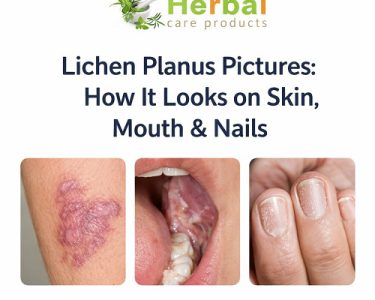
The condition typically appears as flat-topped, purplish, itchy bumps on the skin. In the mouth, it may show up as white lacy patches or painful sores.
Common Areas Affected
Lichen planus can affect several parts of the body, including:
- Skin (arms, wrists, ankles, and lower back)
- Mouth (oral lichen planus)
- Genitals
- Nails
- Scalp (lichen planopilaris)
Although the condition can affect people of any age, it is most common in adults between the ages of 30 and 60.
Is Lichen Planus Contagious?
The most important fact patients need to understand is:
Lichen planus is NOT contagious.
This means:
- It cannot be transmitted through touch
- It cannot spread through kissing
- It cannot be passed through sexual contact
- It cannot spread through shared utensils, towels, or clothing
Because lichen planus results from an immune system reaction, it is not caused by bacteria, viruses, or fungi that typically lead to contagious diseases.
Medical Explanation
Doctors classify lichen planus as an autoimmune disorder. In autoimmune diseases, the immune system mistakenly attacks healthy cells.
In the case of lichen planus:
- Immune cells target skin or mucous membrane cells
- This causes inflammation and rash formation
- The rash may appear in multiple locations but is not infectious
Therefore, if someone asks “Can lichen planus spread person to person?”, the medically accurate answer is no.
Why Do People Think Lichen Planus Is Contagious?
Despite medical evidence, many people believe lichen planus spread occurs between individuals. There are several reasons behind this misunderstanding.
1. The Rash Can Spread on the Body
Lichen planus lesions may appear in one area and later develop in other areas of the body.
For example:
- A rash may start on the wrist
- Later appear on the ankles
- Or develop on the lower back
This internal spread is sometimes mistaken for contagious transmission, but it is simply the immune system affecting multiple skin sites.
2. Similarity to Other Skin Diseases
Some contagious skin diseases look similar to lichen planus, including:
- Fungal infections
- Certain viral rashes
- Skin conditions with bumps or patches
Because of these similarities, people may incorrectly assume the condition is infectious.
3. Misinterpretation of Oral Lesions
Oral lichen planus causes white patches or sores in the mouth, which can resemble other infectious conditions. This may lead patients to believe the condition can spread through kissing or sharing food, but medical studies show this is not the case.
Can Lichen Planus Spread Person to Person?
One of the most searched questions is: “Can lichen planus spread person to person?”
The answer is no.
Lichen planus cannot be transmitted through:
- Physical contact
- Skin-to-skin contact
- Sexual activity
- Sharing personal items
- Airborne droplets
Even if someone touches the rash directly, the condition will not spread to them.
Important Reassurance
People with lichen planus can safely:
- Hug family members
- Kiss loved ones
- Share meals
- Work and socialize normally
There is no risk of infecting others.
What Causes Lichen Planus?
Although the exact cause is not fully understood, research suggests lichen planus is triggered by an abnormal immune response.
Possible Triggers
Several factors may contribute to the development of lichen planus.
1. Immune System Dysfunction
The immune system mistakenly attacks skin or mucosal cells, causing inflammation.
2. Viral Infections
Some studies suggest a possible association with hepatitis C, although this link varies by region.
3. Medications
Certain medications may trigger lichen planus–like reactions, including:
- Blood pressure medications
- Anti-inflammatory drugs
- Antimalarial drugs
4. Allergic Reactions
Dental materials or metals may sometimes trigger oral lichen planus.
5. Stress
Psychological stress has been reported as a potential aggravating factor.
Types of Lichen Planus
Lichen planus can appear in different forms depending on the area affected.
1. Cutaneous Lichen Planus
This is the most common form and affects the skin.
Symptoms include:
- Purple, shiny bumps
- Intense itching
- Flat-topped lesions
- Dark pigmentation after healing
2. Oral Lichen Planus
Affects the inside of the mouth.
Symptoms may include:
- White lacy patches
- Red swollen tissues
- Painful ulcers
- Burning sensation
3. Genital Lichen Planus
This form affects genital tissues and may cause:
- Painful sores
- Red patches
- Irritation
4. Lichen Planopilaris
This form affects the scalp and may lead to:
- Hair loss
- Scalp inflammation
- Permanent scarring in severe cases
5. Nail Lichen Planus
Though rare, it can affect nails, causing:
- Nail ridges
- Nail thinning
- Nail loss
Symptoms of Lichen Planus
Symptoms of Lichen Planus vary depending on the affected area, but common signs include:
Skin Symptoms
- Purple or reddish bumps
- Flat-topped lesions
- Itching
- Dark spots after healing
Oral Symptoms
- White web-like patches
- Painful sores
- Sensitivity to spicy foods
Scalp Symptoms
- Redness
- Hair loss
- Scarring
Symptoms may last for months or even years, but many cases eventually resolve.
How Lichen Planus Spread Happens on the Body
While lichen planus spread does not occur between people, lesions may spread across the body due to internal immune activity.
Koebner Phenomenon
One interesting feature of lichen planus is the Koebner phenomenon, where new lesions appear on areas of skin injury.
For example:
- Scratches
- Cuts
- Burns
- Friction from clothing
These injuries may trigger new lichen planus lesions in susceptible individuals.
Risk Factors for Lichen Planus
Certain factors may increase the likelihood of developing lichen planus.
Age
Most cases occur in middle-aged adults.
Genetics
Family history may slightly increase risk.
Viral infections
Some patients with hepatitis C have higher rates of lichen planus.
Medications
Certain drugs can trigger similar skin reactions.
How Doctors Diagnose Lichen Planus
Diagnosis usually involves a clinical examination by a dermatologist or oral specialist.
Common Diagnostic Methods
1. Physical Examination
Doctors often recognize lichen planus based on its characteristic appearance.
2. Skin Biopsy
A small skin sample may be examined under a microscope to confirm the diagnosis.
3. Blood Tests
Tests may be done to check for related conditions such as hepatitis C.
Treatment Options for Lichen Planus
Although there is no permanent cure, many treatments help control symptoms and inflammation.
1. Corticosteroid Creams
These reduce inflammation and itching.
2. Antihistamines
Help relieve itching.
3. Oral Medications
In severe cases, doctors may prescribe:
- Oral corticosteroids
- Immune-modulating drugs
4. Phototherapy
Ultraviolet light therapy may help treat widespread skin lesions.
5. Mouth Rinses
For oral lichen planus, medicated rinses can reduce discomfort.
Lifestyle Tips for Managing Lichen Planus
Lifestyle adjustments can help reduce symptoms and flare-ups.
Reduce Stress
Stress management techniques such as:
- Meditation
- Exercise
- Deep breathing
may help control flare-ups.
Avoid Skin Irritation
Wear loose clothing and avoid scratching the rash.
Maintain Good Oral Hygiene
For oral lichen planus:
- Brush gently
- Avoid spicy foods
- Avoid tobacco and alcohol
Common Myths About Lichen Planus
Many myths surround the disease. Let’s separate fact from fiction.
Myth 1: Lichen Planus Is Contagious
Fact: It is not contagious and cannot spread between people.
Myth 2: It Is Caused by Poor Hygiene
Fact: Hygiene has nothing to do with lichen planus.
Myth 3: It Is a Sexually Transmitted Disease
Fact: Lichen planus is not an STD and cannot spread through sexual contact.
Myth 4: It Always Leads to Serious Complications
Fact: Most cases are manageable and eventually improve.
When to See a Doctor
Medical evaluation is important if you experience:
- Persistent itchy rash
- White patches in the mouth
- Painful sores
- Hair loss or nail changes
Early diagnosis helps ensure proper treatment and symptom control.
Long-Term Outlook
The prognosis for lichen planus is generally good.
Skin Lichen Planus
Often clears within 1–2 years, though pigmentation changes may remain.
Oral Lichen Planus
May persist longer but can be managed with treatment.
Scalp Lichen Planus
Requires early treatment to prevent permanent hair loss.
Final Thoughts
So, is lichen planus contagious? The answer is a clear no.
Despite its sometimes alarming appearance, lichen planus does not spread from person to person. It is an autoimmune inflammatory condition, not an infection.
Understanding the facts about lichen planus spread helps reduce fear, stigma, and unnecessary worry among patients and their families.
If you or someone you know has been diagnosed with lichen planus, remember:
- It cannot infect others
- It is manageable with medical care
- Many cases improve over time
Consulting a qualified healthcare professional is the best way to receive proper diagnosis, treatment, and guidance for living comfortably with this condition.