
 By
By Living with lichen planus can be uncomfortable and frustrating. This chronic inflammatory condition affects the skin, mouth, scalp, nails, and sometimes the genitals. Symptoms may include itchy purple skin lesions, painful oral sores, and sensitivity to certain foods. While medications and medical treatments are often necessary, diet plays a crucial role in managing symptoms and reducing inflammation.
Following the right Lichen Planus diet can help calm inflammation, support immune health, and minimize flare-ups—especially treatment of oral lichen planus, where certain foods can directly irritate mouth lesions.
explores the best diet for lichen planus, including foods that may help reduce inflammation and foods that commonly trigger symptoms. We will also cover how an anti inflammatory diet lichen planus approach can improve overall health and symptom control.
Understanding Lichen Planus and the Role of Diet
What is Lichen Planus?
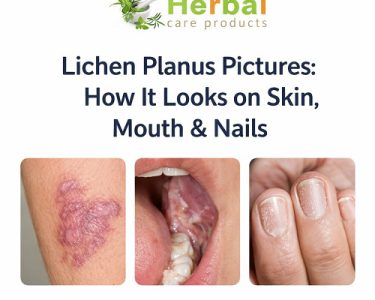
Lichen planus is an autoimmune inflammatory condition in which the immune system mistakenly attacks skin or mucous membrane cells. It can appear in several forms:
- Cutaneous lichen planus – affects the skin
- Oral lichen planus – affects the inside of the mouth
- Scalp lichen planus (lichen planopilaris) – can cause hair loss
- Nail lichen planus
The exact cause remains unknown, but several factors are believed to contribute:
- Immune system dysfunction
- Stress
- Viral infections
- Certain medications
- Allergic reactions
- Genetic predisposition
Because inflammation is central to the disease process, dietary choices that reduce inflammation may help manage symptoms.
Why Diet Matters in Lichen Planus
Diet can influence:
- Inflammation levels
- Immune system activity
- Oral irritation
- Gut health
A well-planned Lichen Planus diet focuses on:
- Anti-inflammatory foods
- Nutrient-dense meals
- Avoiding irritants
- Supporting gut and immune health
For people with oral lesions, avoiding irritating foods becomes especially important because certain ingredients can worsen pain, burning, and ulcers. Diet plan is a best way in treating lichen planus.
Anti Inflammatory Diet Lichen Planus: The Core Approach
An anti inflammatory diet lichen planus strategy centers around whole foods that help calm the immune system and reduce inflammatory responses.
Key principles include:
- Eat whole, minimally processed foods
- Increase antioxidant-rich fruits and vegetables
- Choose healthy fats
- Limit refined sugar and processed foods
- Avoid known irritants
This diet pattern resembles well-known healthy diets such as the Mediterranean diet.
Best Foods to Eat for Lichen Planus
The following foods may help reduce inflammation and support immune balance.
1. Leafy Green Vegetables
Leafy greens are packed with antioxidants, vitamins, and anti-inflammatory compounds.
Examples include:
- Spinach
- Kale
- Swiss chard
- Collard greens
- Arugula
Benefits
- High in vitamin C
- Rich in polyphenols
- Supports detoxification
Add them to smoothies, salads, soups, and stir-fries.
2. Omega-3 Rich Foods
Omega-3 fatty acids are powerful anti-inflammatory nutrients.
Best sources include:
- Fatty fish (salmon, sardines, mackerel)
- Flaxseeds
- Chia seeds
- Walnuts
Why they help
Omega-3 fatty acids help regulate immune responses and reduce inflammatory cytokines, which may help calm lichen planus flare-ups.
Aim for 2–3 servings of fatty fish weekly.
3. Fresh Fruits
Fruits provide antioxidants that fight inflammation and oxidative stress.
Best options include:
- Blueberries
- Strawberries
- Apples
- Pomegranates
- Papaya
- Bananas
Tip for oral lichen planus
Choose low-acid fruits if you have mouth lesions to avoid irritation.
4. Whole Grains
Whole grains help regulate blood sugar and support gut health.
Healthy options include:
- Brown rice
- Quinoa
- Oats
- Millet
- Whole wheat
Why gut health matters
The gut plays a significant role in immune regulation. Healthy digestion can reduce inflammation throughout the body.
5. Healthy Fats
Healthy fats support cell repair and reduce inflammation.
Good sources include:
- Olive oil
- Avocados
- Nuts
- Seeds
Extra virgin olive oil contains polyphenols that have anti-inflammatory properties.
6. Probiotic Foods
Probiotics support gut bacteria, which influence immune function.
Examples include:
- Yogurt
- Kefir
- Sauerkraut
- Kimchi
- Fermented vegetables
Balanced gut microbiota may help regulate immune responses involved in lichen planus.
7. Turmeric and Anti-Inflammatory Spices
Certain spices have strong anti-inflammatory properties.
Best choices:
- Turmeric
- Ginger
- Cinnamon
- Garlic
Turmeric contains curcumin, a compound known to reduce inflammation.
8. Lean Protein Sources
Protein supports tissue repair and immune health.
Healthy options include:
- Chicken
- Turkey
- Fish
- Lentils
- Beans
- Tofu
Avoid heavily processed meats.
Foods to Avoid Oral Lichen Planus
People with oral lichen planus must be especially careful about irritants. Certain foods can trigger burning sensations or worsen lesions.
Here are the main foods to avoid oral lichen planus sufferers should limit.
1. Spicy Foods
Spicy ingredients can irritate mouth tissues and worsen inflammation.
Avoid or limit:
- Chili peppers
- Hot sauces
- Spicy curries
- Wasabi
These can trigger burning and discomfort in oral lesions.
2. Acidic Foods
Acidic foods may aggravate mouth sores.
Common examples include:
- Citrus fruits (oranges, lemons, limes)
- Tomatoes
- Vinegar
- Pickles
These foods may increase irritation and pain.
3. Sugary Foods
High sugar intake can increase inflammation and feed harmful bacteria.
Limit:
- Candy
- Sugary drinks
- Pastries
- Processed desserts
Sugar may worsen inflammatory conditions, including lichen planus.
4. Processed Foods
Highly processed foods often contain:
- Artificial additives
- Preservatives
- Trans fats
- Excess sodium
Examples include:
- Fast food
- Packaged snacks
- Frozen meals
- Processed meats
These foods may promote systemic inflammation.
5. Alcohol
Alcohol is a known irritant for oral lichen planus.
It can:
- Dry oral tissues
- Trigger inflammation
- Increase burning sensations
Reducing or eliminating alcohol can significantly improve symptoms.
6. Caffeinated and Carbonated Drinks
These beverages may irritate oral tissues.
Examples:
- Coffee
- Soda
- Energy drinks
Carbonation and acidity can worsen mouth discomfort.
7. Hard or Crunchy Foods
Certain textures may damage delicate oral tissues.
Avoid:
- Chips
- Hard crackers
- Toast
- Nuts (during flare-ups)
These foods can physically irritate mouth lesions.
Sample Lichen Planus Diet Meal Plan
Here is an example of a one-day anti inflammatory diet lichen planus meal plan.
Breakfast
- Oatmeal with blueberries and chia seeds
- Green tea
Mid-Morning Snack
- Banana
- Handful of almonds
Lunch
- Grilled salmon
- Quinoa salad with spinach and olive oil
- Avocado slices
Afternoon Snack
- Yogurt with honey and flaxseeds
Dinner
- Grilled chicken
- Steamed broccoli and carrots
- Brown rice
Evening Drink
- Turmeric milk (golden milk)
This meal plan focuses on anti-inflammatory nutrients and gentle foods for oral health.
Nutrients That Support Lichen Planus Management
Certain nutrients may help reduce inflammation and support healing.
Vitamin A
Supports skin and mucous membrane health.
Sources:
- Carrots
- Sweet potatoes
- Spinach
- Pumpkin
Vitamin C
A powerful antioxidant that supports immune function.
Sources:
- Berries
- Kiwi
- Bell peppers
- Papaya
Zinc
Important for immune regulation and wound healing.
Sources:
- Pumpkin seeds
- Chickpeas
- Lentils
- Nuts
Vitamin D
Low vitamin D levels may worsen inflammatory conditions.
Sources include:
- Sunlight exposure
- Fatty fish
- Fortified dairy products
Lifestyle Tips to Complement the Lichen Planus Diet
Diet works best when combined with healthy lifestyle habits.
1. Manage Stress
Stress may trigger flare-ups.
Helpful practices include:
- Meditation
- Yoga
- Deep breathing
- Regular exercise
2. Maintain Good Oral Hygiene
For oral lichen planus:
- Use alcohol-free mouthwash
- Brush gently
- Avoid harsh toothpaste ingredients
3. Stay Hydrated
Drink enough water to keep tissues healthy and reduce dryness.
4. Identify Personal Food Triggers
Everyone’s triggers are different.
Keeping a food diary can help identify foods that worsen symptoms.
Common Diet Mistakes People With Lichen Planus Make
Avoid these common mistakes when following a Lichen Planus diet.
- Ignoring food triggers
- Eating too many processed foods
- Consuming excess sugar
- Not getting enough healthy fats
- Skipping fruits and vegetables
Balanced nutrition is essential for long-term symptom control.
When to See a Doctor
Diet can help manage symptoms but cannot replace medical treatment.
Consult a doctor if you experience:
- Severe mouth pain
- Difficulty eating
- Worsening skin lesions
- Persistent sores
Doctors may prescribe:
- Corticosteroids
- Immune-modulating drugs
- Antihistamines
- Topical treatments
Combining medical care with a proper lichen planus diet often gives the best results.
Final Thoughts
Managing lichen planus requires a comprehensive approach that includes both medical care and lifestyle changes. Diet plays a significant role in reducing inflammation, supporting immune balance, and minimizing flare-ups.
Following a well-planned Lichen Planus diet that focuses on whole foods, healthy fats, antioxidant-rich fruits and vegetables, and gut-supporting nutrients can make a noticeable difference in symptom management.
At the same time, avoiding known triggers—especially spicy, acidic, sugary, and processed foods—is particularly important for those dealing with oral lichen planus.
An anti inflammatory diet lichen planus strategy combined with stress management, good oral hygiene, and proper medical guidance can help people live more comfortably and reduce the frequency and severity of symptoms.
By making mindful dietary choices and listening to your body, it is possible to support healing and improve overall quality of life while managing lichen planus.
Frequently Asked Questions About the Best Diet for Lichen Planus
1. What is the best diet for lichen planus?
A balanced diet containing vegetables, fruits that you tolerate, whole grains, lean proteins and healthy fats can support overall health. If you have oral lichen planus, choose soft, mild foods when your mouth feels sore. No specific diet has been proven to cure lichen planus.
2. Which foods should I eat if I have lichen planus?
Consider eating cooked vegetables, porridge, rice, eggs, fish, lentils, yoghurt and other nutritious foods that you tolerate. If you have painful mouth lesions, soft foods may be more comfortable than hard or crunchy options.
3. Which foods should I avoid with oral lichen planus?
Avoid or limit foods that trigger mouth irritation. These may include spicy dishes, chilli, citrus fruits, acidic juices, tomatoes, salty snacks and crunchy foods. Individual triggers vary, so pay attention to how different foods affect your symptoms.
4. Is yoghurt good for lichen planus?
Plain yoghurt can provide protein and calcium as part of a balanced diet. However, it does not treat lichen planus directly. If you have oral lichen planus, choose a mild, non-acidic option if tolerated and avoid it if it causes burning or discomfort.
5. Can vitamin deficiencies cause lichen planus?
Lichen planus is an inflammatory condition associated with the immune system, and its exact cause is not fully understood. Nutritional deficiencies may affect general health, but they are not established as the main cause of lichen planus. A healthcare professional can recommend testing if a deficiency is suspected.
6. Can sugar make lichen planus worse?
There is no strong evidence that sugar directly worsens lichen planus in everyone. Limiting excessive added sugar can support general health, but you do not need to eliminate all sugar solely because you have this condition. Focus on a balanced diet and your individual symptom triggers.
7. Are fruits and vegetables good for lichen planus?
Fruits and vegetables provide vitamins, minerals, fibre and other nutrients that support overall health. If you have oral lichen planus, acidic fruits such as oranges and lemons may irritate painful areas. Choose non-acidic, soft options when needed.
8. Can drinking water help with oral lichen planus?
Drinking enough water helps maintain hydration and may ease dryness in the mouth. However, water does not cure oral lichen planus. If your mouth is painful, avoid drinks that trigger irritation and consult your dentist or healthcare professional about persistent symptoms.
9. Can changing my diet cure lichen planus?
No specific diet has been proven to cure lichen planus. Dietary changes may help reduce discomfort when certain foods irritate oral lesions, but they do not replace medical treatment. Consult a dermatologist or dentist for appropriate care.
10. When should I see a doctor about lichen planus?
Seek medical advice if your symptoms persist, worsen, or interfere with eating and drinking. Consult a dentist or oral medicine specialist about persistent mouth lesions, and arrange regular follow-up for oral lichen planus because it may require monitoring for tissue changes.
Medical Disclaimer
This information is for educational purposes only and is not a substitute for professional medical advice, diagnosis or treatment. Consult a qualified healthcare professional before making major dietary changes or taking supplements for lichen planus.