
 By
By Lichen planus is a chronic inflammatory condition that affects the skin, mucous membranes, hair, and nails. It is considered an autoimmune disorder in which the body’s immune system mistakenly attacks healthy cells. The condition can appear suddenly and may last for months or even years depending on the type and severity.
Understanding the Types of Lichen Planus is important because each form affects different parts of the body and may require different treatment approaches. Some forms primarily affect the skin, while others involve the mouth, scalp, nails, or genital areas. Symptoms can range from mild itching to painful sores and scarring.
The most common forms include oral lichen planus, cutaneous lichen planus, lichen planopilaris (scalp involvement), and nail lichen planus. Although these conditions share a similar underlying immune mechanism, their clinical appearance and complications can vary significantly.
We will explore the major Types of Lichen Planus, their symptoms, causes, risk factors, diagnosis, and treatment options. By understanding these different forms, patients and healthcare providers can identify the condition earlier and manage it more effectively.
What is Lichen Planus?
Lichen planus is a chronic inflammatory disorder that affects the skin and mucous membranes. It is characterized by purplish, flat-topped bumps on the skin or white lacy patches in the mouth. In some cases, it may also cause hair loss, nail damage, or painful sores in the genital area.
The exact cause of lichen planus remains unknown, but researchers believe it is linked to an abnormal immune response. The immune system mistakenly attacks the skin or mucous membrane cells, leading to inflammation and tissue damage.
Common Features of Lichen Planus
Typical lichen planus symptoms may include:
- Purple or reddish flat-topped skin bumps
- Itching or irritation
- White patches in the mouth
- Painful ulcers
- Hair loss on the scalp
- Nail ridges, thinning, or nail loss
- Burning sensation in the genital area
While the condition is not contagious, it can significantly affect a person’s quality of life. Early recognition of the Types of Lichen Planus helps ensure timely treatment and symptom management.
Major Types of Lichen Planus
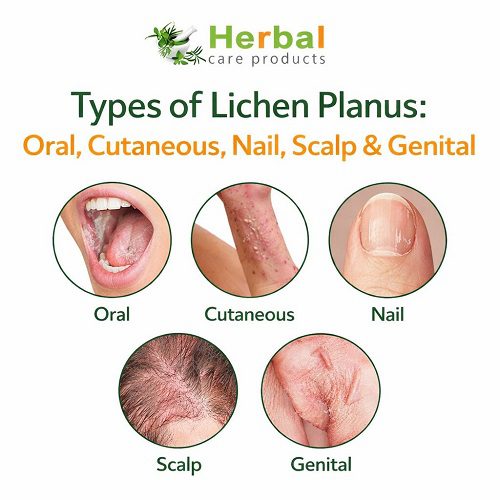
Lichen planus can affect several parts of the body. The main Types of Lichen Planus include:
- Oral Lichen Planus
- Cutaneous Lichen Planus
- Nail Lichen Planus
- Scalp Lichen Planus (Lichen Planopilaris)
- Genital Lichen Planus
Each type has unique symptoms and complications. Let’s explore them in detail.
Oral Lichen Planus
Overview
Oral lichen planus is a chronic inflammatory condition that affects the mucous membranes inside the mouth. It is one of the most common forms of lichen planus and often occurs in middle-aged adults.
This condition may appear as white lace-like patches, red swollen tissues, or painful open sores inside the mouth.
Symptoms of Oral Lichen Planus
The symptoms can vary depending on the severity of the condition. Common signs include:
- White, lacy patches on the tongue or inner cheeks
- Red or swollen gum tissue
- Burning sensation in the mouth
- Pain while eating spicy or acidic foods
- Mouth ulcers or sores
- Bleeding gums in severe cases
Some individuals may not experience pain, while others may have significant discomfort when eating or drinking.
Causes and Risk Factors
Although the exact cause is unknown, several factors may trigger oral lichen planus, including:
- Immune system dysfunction
- Genetic predisposition
- Stress or anxiety
- Certain medications
- Dental materials such as metal fillings
- Viral infections like hepatitis C
Complications
In rare cases, long-term oral lichen planus may increase the risk of oral cancer. Regular dental checkups are important for monitoring changes in oral tissues.
Treatment Options
Treatment focuses on reducing inflammation and relieving symptoms. Common treatments include:
- Corticosteroid mouth rinses
- Topical steroid gels
- Immune-modulating medications
- Pain relief medications
- Maintaining good oral hygiene
Cutaneous Lichen Planus
Overview
Cutaneous lichen planus is the most recognizable form of the disease because it affects the skin. It typically appears as shiny, flat-topped purple bumps on the skin.
These lesions commonly develop on the wrists, ankles, lower back, and legs.
Symptoms of Cutaneous Lichen Planus
The main symptoms include:
- Purple or reddish skin bumps
- Intense itching
- Thickened skin patches
- Shiny flat lesions
- Dark pigmentation after healing
These bumps may appear individually or form clusters on the skin.
Characteristic Appearance
A distinctive feature of cutaneous lichen planus is the presence of fine white lines called Wickham striae on the surface of the lesions.
Causes and Triggers
Potential triggers include:
- Immune system abnormalities
- Certain medications (blood pressure drugs, NSAIDs)
- Viral infections
- Allergic reactions
- Stress
Treatment
Management typically includes:
- Topical corticosteroid creams
- Antihistamines for itching
- Light therapy (phototherapy)
- Oral corticosteroids in severe cases
Most cases resolve within one to two years, although pigmentation changes may remain.
Nail Lichen Planus
Overview
Nail lichen planus affects the fingernails or toenails and can cause permanent nail damage if not treated early. It is less common than skin or oral forms but can be particularly distressing for patients.
Symptoms of Nail Lichen Planus
Common symptoms include:
- Longitudinal ridges in the nails
- Nail thinning
- Splitting or brittleness
- Discoloration
- Nail plate destruction
- Complete nail loss in severe cases
Sometimes only one or two nails are affected, but in severe cases multiple nails may become damaged.
Complications
If untreated, nail lichen planus can lead to permanent nail deformities. Early diagnosis is crucial to prevent irreversible damage.
Diagnosis
Doctors may diagnose the condition through:
- Physical examination
- Nail biopsy
- Medical history evaluation
Treatment Options
Treatment aims to stop inflammation and preserve nail structure. Common treatments include:
- Corticosteroid injections into the nail matrix
- Oral immunosuppressive medications
- Topical steroid treatments
- Retinoid therapy in severe cases
Scalp Lichen Planus (Lichen Planopilaris)
Overview
Lichen planopilaris is a rare but serious form of lichen planus that affects hair follicles on the scalp. It leads to inflammation around the follicles and may cause permanent hair loss.
This condition is considered a type of scarring alopecia.
Symptoms of Lichen Planopilaris
Symptoms may include:
- Patchy hair loss on the scalp
- Redness around hair follicles
- Scalp itching or burning
- Flaking or scaling
- Scalp tenderness
As the condition progresses, hair follicles become permanently damaged and hair cannot regrow in those areas.
Causes
The exact cause of lichen planopilaris is unknown, but it is believed to involve an autoimmune attack on hair follicles.
Possible contributing factors include:
- Genetics
- Hormonal influences
- Environmental triggers
- Immune system dysfunction
Diagnosis
Diagnosis may involve:
- Scalp examination
- Dermoscopy
- Scalp biopsy
These tests help confirm follicular inflammation and scarring.
Treatment
Treatment focuses on stopping disease progression. Options include:
- Topical corticosteroids
- Oral anti-inflammatory medications
- Hydroxychloroquine
- Immunosuppressive drugs
- Corticosteroid injections into the scalp
Early treatment is essential to prevent permanent hair loss.
Genital Lichen Planus
Overview
Genital lichen planus affects the mucous membranes of the genital area. It may occur in both men and women, although women are more commonly affected.
This form can cause significant discomfort and may interfere with sexual health and quality of life.
Symptoms in Women
Common symptoms include:
- Painful sores in the vulva or vagina
- Burning sensation
- Red or purple patches
- Vaginal discharge
- Pain during intercourse
In severe cases, scarring can occur.
Symptoms in Men
In men, genital lichen planus may appear as:
- Purple patches on the penis
- Itching or irritation
- Small bumps or lesions
Diagnosis
Doctors typically diagnose the condition through:
- Physical examination
- Medical history review
- Biopsy if necessary
Treatment
Treatment usually involves:
- Topical corticosteroid creams
- Immune-modulating medications
- Pain relief treatments
- Regular monitoring by a healthcare provider
Causes of Lichen Planus
Although the exact cause remains unclear, several factors may contribute to the development of the Types of Lichen Planus:
Immune System Dysfunction
The immune system mistakenly attacks skin and mucous membrane cells.
Viral Infections
Some research links lichen planus with hepatitis C infection.
Medications
Certain drugs can trigger lichen planus-like reactions, including:
- Blood pressure medications
- Anti-inflammatory drugs
- Antimalarial medications
Allergic Reactions
Reactions to dental fillings or chemicals may trigger symptoms.
Diagnosis of Lichen Planus
Diagnosis of Lichen Planus usually involves several steps:
Physical Examination
Doctors examine the skin, mouth, scalp, or nails for characteristic signs.
Skin or Tissue Biopsy
A biopsy helps confirm the diagnosis by examining tissue under a microscope.
Blood Tests
Blood tests may be used to check for infections such as hepatitis C.
Treatment Options for Lichen Planus
There is no permanent cure for lichen planus, but treatments can help control symptoms and reduce inflammation.
Topical Medications
These include corticosteroid creams or ointments applied directly to the affected area.
Oral Medications
Doctors may prescribe:
- Oral corticosteroids
- Antihistamines
- Immunosuppressants
Phototherapy
Light therapy may help treat cutaneous lichen planus affecting the skin.
Lifestyle Management
Lifestyle changes can also help manage symptoms:
- Avoid spicy foods (for oral lichen planus)
- Maintain good oral hygiene
- Reduce stress
- Avoid skin irritation
Living with Lichen Planus
Living with lichen planus can be challenging, especially if symptoms persist for long periods. However, with proper medical care and lifestyle adjustments, most individuals can effectively manage their condition.
Patients should maintain regular follow-ups with dermatologists or healthcare providers to monitor symptoms and adjust treatments when necessary.
Support groups and patient education can also help individuals cope with the emotional and physical impact of chronic skin conditions.
When to See a Doctor
Medical attention is recommended if you experience:
- Persistent mouth sores
- Severe itching or skin lesions
- Sudden hair loss on the scalp
- Nail changes or nail loss
- Painful genital lesions
Early diagnosis improves treatment outcomes and reduces complications.
Conclusion
Understanding the different Types of Lichen Planus is essential for accurate diagnosis and effective treatment. This chronic inflammatory condition can affect multiple parts of the body, including the skin, mouth, scalp, nails, and genital areas.
The major forms include oral lichen planus, cutaneous lichen planus, nail lichen planus, lichen planopilaris, and genital lichen planus. Each type presents unique symptoms and challenges, but early detection and proper treatment can significantly improve patient outcomes. To analyze which symptoms you have and how it looks like, you can see each symptom images of lichen planus.
Although there is currently no permanent cure, modern treatments can effectively control symptoms and prevent complications. Regular medical care, healthy lifestyle choices, and awareness of triggers can help individuals manage the condition and maintain a good quality of life.
By recognizing the symptoms and seeking timely medical advice, patients can better navigate the complexities of the various Types of Lichen Planus and achieve long-term symptom control.