 By
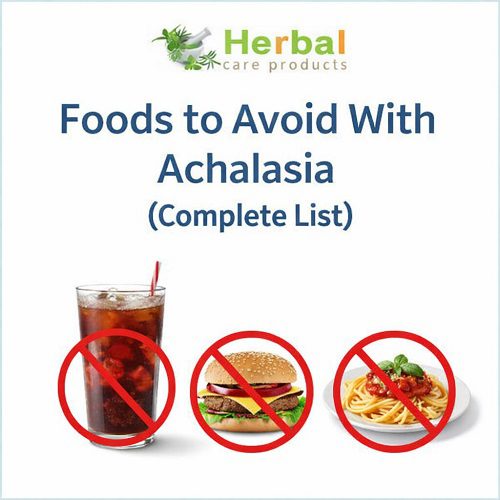
By Achalasia is a rare but serious esophageal disorder that affects the ability of the esophagus to move food toward the stomach. In this condition, the lower esophageal sphincter (LES) fails to relax properly, causing difficulty in swallowing, regurgitation, chest pain, and sometimes weight loss. Proper dietary management plays a crucial role in alleviating symptoms and preventing complications. Identifying foods to avoid with achalasia is a vital step in improving quality of life for patients.
We will cover a complete list of foods to avoid with achalasia, along with practical tips to manage your diet safely and effectively.
Understanding Achalasia
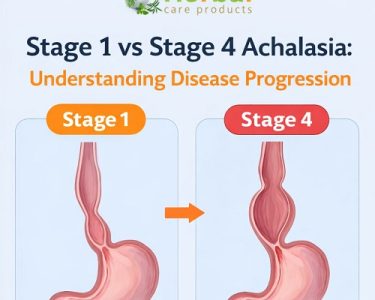
Achalasia occurs when the nerves in the esophagus deteriorate, leading to the inability of the esophagus to contract and push food down properly. The most common symptoms include:
- Dysphagia (difficulty swallowing) for both solids and liquids
- Regurgitation of undigested food
- Chest pain or discomfort
- Heartburn or acid reflux
- Weight loss due to inadequate nutrition
Since achalasia affects the esophagus’ motility, certain foods can worsen these symptoms. Therefore, knowing which foods to avoid is as important as selecting foods that are easy to swallow. While to overcome its symptoms you can take natural herbal supplements for achalasia.
General Dietary Principles for Achalasia
Before diving into the foods to avoid with achalasia, it’s essential to understand general dietary guidelines for this condition:
- Avoid foods that are hard to chew or swallow: Foods with tough textures can get stuck in the esophagus, increasing the risk of regurgitation or choking.
- Limit high-fiber, sticky, or dry foods: These can obstruct the esophagus or require more effort to swallow.
- Avoid irritants: Acidic, spicy, or carbonated foods may trigger heartburn and worsen chest discomfort.
- Eat smaller, more frequent meals: Large meals can overload the esophagus, worsening symptoms.
- Chew food thoroughly and eat slowly: Proper chewing ensures food passes more easily through the esophagus.
- Stay upright after meals: Lying down can promote regurgitation or aspiration.
Now, let’s examine the specific foods to avoid with achalasia in detail.
1. Hard and Dry Foods
Hard or dry foods are notoriously difficult to swallow for achalasia patients. They can easily get lodged in the esophagus, leading to discomfort or even choking.
Examples:
- Nuts: Almonds, cashews, peanuts, walnuts
- Crackers and hard bread: Biscuits, crispbread, toast
- Dry cereals: Bran flakes, granola bars
- Hard candies or lollipops
Tip: If you want to include nuts in your diet, consider grinding them into a paste or consuming nut butters without chunks.
2. Fibrous Vegetables
High-fiber vegetables are healthy for most people but can be difficult to swallow and may worsen achalasia symptoms due to their tough texture.
Examples:
- Celery
- Carrots (raw)
- Broccoli stems
- Brussels sprouts
- Kale and collard greens
Tip: Steaming or pureeing vegetables makes them easier to swallow and digest.
3. Tough Meats and Chewy Proteins
Protein is essential, but tough meats can be challenging for people with achalasia to swallow, leading to regurgitation or esophageal discomfort.
Examples:
- Steak or red meat that is not tender
- Pork chops
- Dried or cured meats (jerky, salami)
- Poultry with skin (hard to chew)
Tip: Opt for tender, slow-cooked meats or ground meats, and always cut into small pieces. Fish and soft tofu are also excellent alternatives.
4. Sticky or Gummy Foods
Sticky foods tend to cling to the esophagus, making them difficult to swallow and potentially dangerous.
Examples:
- Peanut butter (chunky type)
- Caramel or taffy
- Marshmallows
- Chewy candies (gummy bears, licorice)
Tip: Smooth nut butters in small amounts can be tolerated when combined with liquids or soft foods.
5. Bread and Bakery Products
Some bread types can be dry, tough, or dense, which poses a swallowing risk.
Examples:
- Whole-grain bread (dense types)
- Bagels
- Croissants (if flaky and dry)
- Hard rolls or buns
Tip: Choose soft, freshly baked bread or moisten it with soups or sauces to make swallowing easier.
6. Acidic Foods and Citrus
Acidic foods can irritate the esophagus, especially if regurgitation occurs frequently. Patients with achalasia often develop secondary reflux, so acidic foods can exacerbate heartburn.
Examples:
- Citrus fruits: Oranges, lemons, grapefruits, limes
- Tomatoes and tomato-based sauces
- Pineapple
- Vinegar-based dressings
Tip: Cooking or peeling fruits and vegetables reduces acidity. Low-acid tomato sauces are also safer options.
7. Spicy Foods
Spicy foods can trigger esophageal irritation and exacerbate chest discomfort, particularly after meals.
Examples:
- Hot peppers and chili-based sauces
- Curry powders and pastes
- Spicy condiments: Mustard, hot sauce, sriracha
Tip: Mild seasoning or herbs like basil, parsley, and oregano are safe alternatives.
8. Carbonated Beverages
Carbonated drinks introduce gas into the esophagus, causing bloating, discomfort, and regurgitation.
Examples:
- Soda (cola, lemon-lime, root beer)
- Sparkling water or seltzer
- Carbonated energy drinks
Tip: Flat or non-carbonated beverages are safer, and drinking slowly can reduce bloating.
9. Tough Fruits and Raw Produce
Certain fruits with skins, seeds, or fibrous textures are difficult to swallow and can lodge in the esophagus.
Examples:
- Apples and pears (raw)
- Grapes with skins
- Berries with seeds (raspberries, blackberries)
- Pineapple chunks
Tip: Peel, cook, or puree fruits. Applesauce, fruit smoothies, and canned fruits without syrup are easier to swallow.
10. Seeds and Small Grains
Seeds and small grains can stick to the esophagus or cause irritation during swallowing.
Examples:
- Chia seeds
- Flaxseeds
- Poppy seeds
- Quinoa (if not fully cooked or soft)
Tip: Ground seeds or seed-free alternatives are recommended.
11. Tough Pasta or Rice
Starchy foods are generally safe but can be problematic if undercooked or overly dry.
Examples:
- Whole wheat pasta (al dente)
- Brown rice (hard or dry)
- Couscous (if not moist)
Tip: Cook pasta and rice until soft, and combine with sauces to ease swallowing.
12. Fried and Greasy Foods
Greasy foods can slow gastric emptying and worsen reflux symptoms, leading to discomfort in achalasia patients.
Examples:
- French fries
- Fried chicken
- Doughnuts
- Potato chips
Tip: Bake or steam foods instead of frying. Use healthy oils like olive or avocado in moderation.
13. Alcohol and Caffeine
Alcohol and caffeinated drinks can relax the lower esophageal sphincter, potentially worsening regurgitation.
Examples:
- Coffee and black tea
- Energy drinks
- Alcoholic beverages (beer, wine, spirits)
Tip: Decaffeinated or herbal teas and moderation in alcohol intake are safer options.
14. Dairy Products (Certain Types)
Some dairy products can be thick or lumpy, making swallowing difficult for achalasia patients.
Examples:
- Cheese slices (hard types)
- Yogurt with fruit chunks
- Cream cheese spreads
Tip: Smooth yogurt, soft cheeses, and milk-based drinks are generally easier to swallow.
15. Nuts and Legumes (Whole)
Whole nuts and some legumes can be challenging to digest and may lodge in the esophagus.
Examples:
- Chickpeas and lentils (if not mashed)
- Whole kidney beans
- Almonds, pistachios, cashews
Tip: Puree legumes into soups or dips and grind nuts into butter.
16. Raw Mushrooms
Raw mushrooms are fibrous and difficult to swallow, which can increase the risk of choking.
Tip:** Always cook mushrooms until soft before consuming.
17. Foods That Require Excessive Chewing
Any food requiring significant chewing can be dangerous for achalasia patients.
Examples:
- Raw corn
- Celery sticks
- Bagels
- Tough cuts of beef or pork
Tip: Cut food into small pieces, cook until soft, or blend into a smoothie or puree.
Practical Tips for Managing Achalasia Diet
- Hydrate with meals: Drinking water or other liquids with meals helps wash food down.
- Eat slowly and chew thoroughly: Small bites prevent choking and esophageal blockage.
- Keep a food diary: Track foods that trigger symptoms and avoid them in the future.
- Use a blender or food processor: Pureeing or softening food can expand your meal options.
- Elevate your head while sleeping: This prevents nighttime regurgitation.
- Consider nutritional supplements: Soft shakes or protein powders can help maintain weight.
Foods Generally Safe for Achalasia Patients
While it’s critical to know what to avoid, it’s equally important to know what’s generally safe:
- Soft-cooked vegetables and fruits
- Mashed potatoes and sweet potatoes
- Smooth soups and broths
- Soft fish (salmon, cod)
- Tender poultry and ground meats
- Cooked cereals and oatmeal
- Yogurt, custard, and pudding
- Smooth nut butters in moderation
Conclusion
Understanding foods to avoid with achalasia is essential for managing this challenging condition. Hard, dry, fibrous, sticky, acidic, or spicy foods can worsen symptoms, while soft, cooked, and pureed foods can improve swallowing and comfort. By following dietary guidelines, monitoring your symptoms, and working with a healthcare professional or dietitian, it’s possible to maintain nutrition, prevent complications, and improve quality of life.
Remember, achalasia affects each person differently, so individual tolerance may vary. Start with soft, easily digestible foods and avoid triggers while gradually expanding your diet under medical guidance.