 By
By Gastroparesis is a chronic digestive condition that affects the normal movement of the stomach muscles. When someone has gastroparesis, the stomach empties food into the small intestine more slowly than it should, even though there is no physical blockage. This delay can lead to symptoms such as nausea, vomiting, early fullness, poor appetite, bloating and abdominal pain.
While conventional medical treatments—including gastroparesis medications and dietary changes—are often necessary, many people also explore Remedies for Gastroparesis that are natural, supportive, and holistic. These natural approaches aim to improve digestion, reduce discomfort, and enhance overall gut health.
In this in-depth article, we’ll explore evidence-based and traditionally used Natural Remedies for Gastroparesis, including herbal support, dietary strategies, lifestyle adjustments, and complementary therapies.
Understanding Gastroparesis
Before diving into Natural Remedies for Gastroparesis, it’s important to understand what causes the condition.
Gastroparesis is often associated with:
- Diabetes (especially long-term or poorly controlled diabetes)
- Nerve damage affecting the vagus nerve
- Autoimmune conditions like scleroderma gastroparesis
- Post-surgical complications
- Certain medications
- Viral infections
The vagus nerve plays a critical role in controlling stomach muscles. When it is damaged, the stomach muscles may not contract properly, leading to delayed gastric emptying.
Treatment for delayed gastric emptying through natural remedies for gastroparesis focus on supporting motility (movement), reducing inflammation, and improving digestive efficiency.
Dietary Remedies for Gastroparesis
Gastroparesis Diet is the foundation of managing its symptoms. Many people experience significant symptom relief through strategic food choices.
1. Small, Frequent Meals
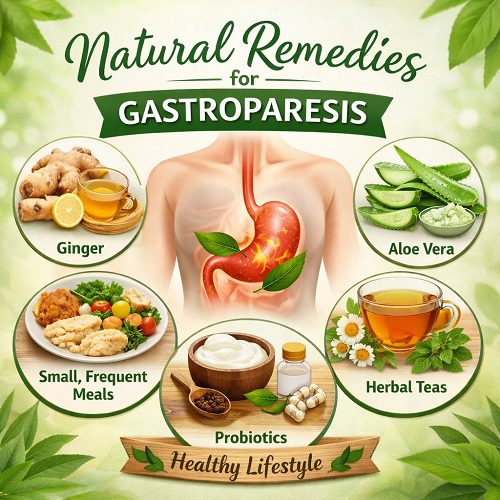
One of the most effective Remedies for Gastroparesis is eating smaller meals more frequently throughout the day.
Instead of three large meals:
- Eat 5–6 small meals daily
- Avoid overeating
- Chew food thoroughly
Smaller portions are easier for the stomach to process and empty more efficiently.
2. Low-Fat Diet
Fat slows gastric emptying. While healthy fats are important for overall health, people with gastroparesis may need to limit fat intake.
Better options:
- Low-fat dairy
- Lean proteins
- Steamed vegetables
- Broths and soups
Liquid fats (like small amounts of oils blended into soups) are usually better tolerated than solid fats.
Reducing fat intake is one of the simplest and most impactful Remedies for Gastroparesis.
3. Low-Fiber Foods
High-fiber foods can form indigestible masses (bezoars) in people with gastroparesis. Reducing insoluble fiber can significantly improve symptoms.
Avoid or limit:
- Raw vegetables
- Legumes
- Bran
- Skins of fruits
Instead, choose:
- Well-cooked vegetables
- Peeled fruits
- Refined grains (in moderation)
This approach reduces digestive workload and supports smoother gastric emptying.
4. Liquid Nutrition
Liquids empty from the stomach more easily than solids. Many people find liquid meals to be among the most helpful Remedies for Gastroparesis.
Examples:
- Smoothies
- Blended soups
- Protein shakes
- Meal replacement drinks
Blending solid foods into soups or smoothies can dramatically reduce symptoms while maintaining nutrition.
Herbal Remedies for Gastroparesis
While there are many best supplements for delayed gastric emptying, but certain herbs have traditionally been used to stimulate digestion and improve motility.
5. Ginger
Ginger for gastroparesis is one of the most widely studied natural digestive aids. It may help stimulate gastric emptying and reduce nausea.
Benefits:
- Reduces nausea and vomiting
- Enhances gastric motility
- Supports digestive enzyme secretion
Forms:
- Ginger tea
- Fresh grated ginger
- Ginger capsules
Among natural Remedies for Gastroparesis, ginger is often considered a first-line herbal option.
6. Peppermint
Mentha piperita may help relieve bloating and abdominal discomfort.
Peppermint:
- Relaxes digestive muscles
- Reduces cramping
- Eases gas
Peppermint tea is a gentle and accessible option. However, individuals with reflux should use caution, as peppermint can sometimes relax the lower esophageal sphincter.
7. Iberogast
Iberogast is a multi-herbal liquid formula used in Europe for digestive disorders. It contains a blend of herbs designed to support motility and reduce inflammation.
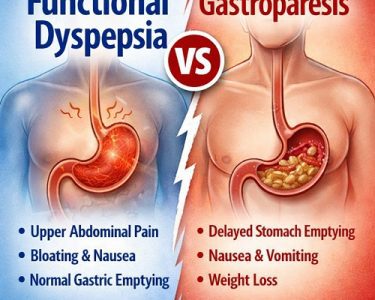
Some studies suggest it may improve symptoms of functional dyspepsia and gastroparesis-like symptoms.
Always consult a healthcare professional before using herbal combinations.
Nutritional Support Remedies for Gastroparesis
8. Digestive Enzymes
Digestive enzymes may help break down food more efficiently, reducing the burden on the stomach.
Potential benefits:
- Reduced bloating
- Improved nutrient absorption
- Decreased fullness
While not a cure, enzymes can be helpful adjunct Remedies for Gastroparesis.
9. Probiotics
Gut microbiome balance plays a role in digestive health.
Probiotics may:
- Reduce bloating
- Improve gut motility
- Support immune function
Choose strains tailored for digestive support, and introduce them gradually.
10. Vitamin and Mineral Optimization
People with gastroparesis are at risk for deficiencies, especially:
- Vitamin B12
- Iron
- Magnesium
- Vitamin D
Correcting deficiencies can improve energy levels and overall digestive function. Nutritional optimization is an often-overlooked aspect of effective Remedies for Gastroparesis.
Lifestyle Remedies for Gastroparesis
11. Gentle Post-Meal Movement
Light walking after meals can stimulate gastric emptying.
Avoid:
- Lying down immediately after eating
- Heavy exercise right after meals
A 10–15 minute walk can significantly reduce symptoms.
12. Stress Reduction
Stress negatively impacts the digestive system. The gut and brain are connected through the gut-brain axis.
Helpful practices:
- Deep breathing
- Meditation
- Yoga
- Mindfulness
Chronic stress can worsen gastroparesis symptoms. Addressing stress is a powerful but often underestimated Remedy for Gastroparesis.
13. Acupuncture
Acupuncture has been explored as a complementary treatment for digestive disorders.
Some research suggests acupuncture may:
- Improve gastric emptying
- Reduce nausea
- Decrease abdominal pain
While more research is needed, many patients report symptom improvement.
Emerging Natural Support Approaches
14. Abdominal Massage
Gentle abdominal massage may stimulate motility and relieve bloating.
Techniques:
- Circular clockwise motions
- Light pressure
- 5–10 minutes daily
This can be a simple and non-invasive addition to your Remedies for Gastroparesis plan.
15. Electrolyte Support
Chronic vomiting can lead to dehydration and electrolyte imbalance.
Natural electrolyte solutions:
- Coconut water
- Homemade electrolyte drinks
- Broths
Maintaining hydration supports overall digestive function.
16. Blood Sugar Control (for Diabetic Gastroparesis)
In diabetic gastroparesis, high blood sugar worsens delayed gastric emptying.
Tight glucose control:
- Reduces nerve damage progression
- Improves motility
- Minimizes symptom severity
Blood sugar management is one of the most critical Remedies for Gastroparesis in diabetic individuals.
Foods That May Help
While every person is different, many people tolerate:
- White rice
- Mashed potatoes
- Scrambled eggs
- Yogurt
- Bone broth
- Smooth nut butters (in small amounts)
- Cooked carrots and squash
Keeping a food journal can help identify personal triggers.
What to Avoid
Common symptom triggers include:
- Fried foods
- Carbonated beverages
- Alcohol
- Raw vegetables
- Tough meats
- Large meals
- High-fat desserts
Avoiding trigger foods is an essential part of any Remedies for Gastroparesis strategy.
When to Seek Medical Attention
Herbal Remedies for Gastroparesis can be helpful, but medical supervision is important if you experience:
- Severe weight loss
- Persistent vomiting
- Dehydration
- Malnutrition
- Blood sugar instability
In some cases, prescription medications or advanced interventions may be required.
Building a Personalized Plan
There is no one-size-fits-all approach. Effective Remedies for Gastroparesis usually involve a combination of:
- Strategic dietary adjustments
- Herbal digestive support
- Gentle physical activity
- Stress management
- Nutritional supplementation
- Medical monitoring
Work with a healthcare provider to create a customized plan.
Final Thoughts
Living with gastroparesis can be challenging, but many people find meaningful relief through natural approaches. Thoughtful dietary changes, gentle herbal support, stress reduction, and mindful lifestyle habits can all play important roles.
While Natural Remedies for Gastroparesis do not replace medical treatment, they can significantly enhance symptom management and improve quality of life.
If you suspect gastroparesis or are struggling with persistent digestive symptoms, consult a qualified healthcare provider for proper diagnosis and guidance.
With the right combination of care, patience, and personalized Remedies for Gastroparesis, it is possible to regain greater comfort, stability, and digestive well-being.