 By
By Gastroparesis is a chronic gastrointestinal disorder characterized by delayed emptying of the stomach contents without any physical blockage. This condition can lead to symptoms such as nausea, vomiting, early satiety (feeling full quickly), bloating, abdominal discomfort, and weight loss, significantly impacting quality of life and nutritional status. Managing gastroparesis or gastroparesis treatment typically involves dietary modifications, lifestyle changes, and a range of Medications for Gastroparesis to control symptoms and enhance gastric motility. Understanding the best medication options, their mechanisms, and their risks is essential for effective treatment.
In this article, we’ll explore the most commonly used drug therapies for gastroparesis, how they work, when they’re used, their potential side effects, and emerging treatments on the horizon.
Understanding Gastroparesis and the Role of Medications
Gastroparesis literally means “stomach paralysis” — a condition in which the nerves and muscles that move food through the stomach do not function properly. Without efficient muscular contractions, food remains in the stomach longer than normal, instead of passing into the small intestine at the appropriate rate.
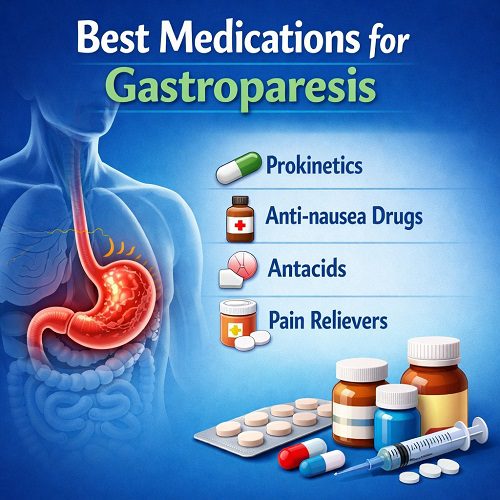
Because gastroparesis involves both motility dysfunction and distressing symptoms (like nausea and vomiting), treatment generally involves two major medication categories:
- Prokinetic agents – drugs that boost stomach motility.
- Antiemetic and symptom-relief medications – drugs that reduce nausea and vomiting.
In addition to these, other drug classes may be used selectively based on specific presentations or as investigational therapies.
1. Prokinetic Medications: Enhancing Gastric Motility
Prokinetic medications are at the core of Medications for Gastroparesis because they directly target the impaired movement of the stomach. They work by stimulating muscle contractions in the digestive tract, encouraging faster transit of food from the stomach into the intestines.
Metoclopramide — The Gold Standard
Metoclopramide is widely recognized as the most established and one of the most effective prokinetic options for gastroparesis. In fact, it is the only medication in the United States that is officially approved by the U.S. Food and Drug Administration (FDA) for treating diabetic gastroparesis and, in some forms, idiopathic cases.
How it Works
Metoclopramide works by blocking dopamine receptors and activating certain serotonin receptors in the gut, which increases the strength and frequency of stomach contractions and promotes faster gastric emptying. It also helps reduce nausea.
Forms and Use
Metoclopramide is available orally, by injection, and — in some regions — as a nasal spray (which can offer easier administration and potentially quicker absorption).
Doctors commonly prescribe metoclopramide to be taken 30 minutes before meals to maximize gastric motility effects.
Considerations & Side Effects
Despite its effectiveness, metoclopramide carries a serious black box warning due to potential neurologic side effects. Long-term or high-dose use increases the risk of movement disorders such as tardive dyskinesia — a potentially irreversible condition of involuntary muscle movement — especially when used beyond several weeks. Other side effects may include tremors, restlessness, and fatigue.
For these reasons, clinicians typically limit use to the shortest duration required to control symptoms and carefully weigh risks vs. benefits.
Erythromycin — A Motilin Agonist with Prokinetic Effects
Erythromycin is an antibiotic that, at low doses, stimulates motilin receptors in the gut, inducing strong muscle contractions that help move food through the stomach.
Why It’s Used
Although primarily an antibiotic, erythromycin’s off-label prokinetic effects make it useful in certain cases of gastroparesis, especially when other prokinetics fail or are poorly tolerated.
Limitations
Erythromycin’s effectiveness often diminishes after a few weeks — a phenomenon called tachyphylaxis — meaning its benefit may wane over time. Side effects can include gastrointestinal discomfort, diarrhea, and abdominal cramping.
Clinicians may prescribe erythromycin in short courses or for acute symptom control, but long-term use is less common due to the loss of effect and potential side effects.
Domperidone — Another Prokinetic Option with Limitations
Domperidone is another dopamine receptor antagonist that can help increase gastric motility and reduce nausea. It does not readily cross the blood-brain barrier, so it has a lower risk of central nervous system side effects compared to metoclopramide.
Usage
Domperidone may be used in cases where metoclopramide is ineffective or poorly tolerated. However, in the United States, domperidone is not widely FDA approved for gastroparesis and must be used under special access or investigational protocols; it is more commonly available in other countries.
Warnings & Side Effects
While offering some benefits, domperidone can cause elevated prolactin levels (leading to breast changes or menstrual irregularities) and has been associated with cardiac side effects in rare cases, including QT prolongation and arrhythmias.
Clinicians carefully weigh these risks before prescribing domperidone, particularly in patients with existing heart conditions.
Other Prokinetic Agents (Investigational or Off-Label)
Beyond the mainstays above, research and clinical practice have explored additional prokinetics for gastroparesis:
- Prucalopride — a serotonin (5-HT4) agonist used primarily for chronic constipation, which has shown potential prokinetic effects in smaller studies.
- Motilin agonists and ghrelin receptor agonists — experimental drugs like relamorelin and velusetrag are under investigation for their ability to enhance gastric emptying and relieve symptoms.
While these medications are not currently standard treatments, ongoing clinical trials may expand Medications for Gastroparesis options in the coming years.
2. Antiemetic and Symptom-Relief Medications
While prokinetic drugs address stomach motility, many patients with gastroparesis also require medications specifically to control distressing symptoms like nausea and vomiting. These do not directly speed gastric emptying but improve comfort and quality of life.
Common Antiemetic Agents
- Ondansetron — a selective serotonin (5-HT3) receptor antagonist that helps control nausea and vomiting.
- Prochlorperazine — a dopamine receptor antagonist used when nausea and vomiting are more severe.
- Diphenhydramine (Benadryl) — commonly used antihistamine with antiemetic properties.
These drugs are widely used for symptomatic relief, often on an as-needed basis. Clinicians may tailor choices based on side-effect profiles, co-existing conditions, and patient response.
3. Adjunctive Medications and Other Drug Classes
In some cases, clinicians may use other medications to help with specific symptoms related to gastroparesis or associated conditions:
- Antidepressants (Neuromodulators) — low-dose medications such as certain tricyclic antidepressants may help modulate pain, nausea, or visceral hypersensitivity, though evidence varies and they are not primary treatments.
- Proton Pump Inhibitors (PPIs) — for patients who also have acid reflux, these may be used to reduce stomach acid and help control symptoms, though they do not address motility.
It’s important to recognize that no single medication works for every patient. Gastroenterologists often individualize regimens, balancing symptom relief with side effects and overall well-being.
4. Emerging and Future Medications
Research continues to expand the landscape of Medications for Gastroparesis. Experimental drugs like relamorelin (a ghrelin agonist) and velusetrag (a selective serotonin agonist) aim to improve gastric motility and treat symptoms with fewer side effects.
These investigational therapies are still undergoing clinical trials, but early results show promise for more targeted and better-tolerated treatments in the future.
Choosing the Right Medication Plan
Selecting the best Medications for Gastroparesis is not a one-size-fits-all process. Doctors take into account:
- Severity and pattern of symptoms (nausea, vomiting, bloating, etc.)
- Speed of gastric emptying and underlying cause
- Potential side effects and risks
- Interactions with other medications or health conditions
- Patient preferences and past responses to Treatments for Gastroparesis
Often, a combination of prokinetic agents and antiemetics is used, alongside dietary modifications and lifestyle strategies. Shared decision-making with a healthcare provider ensures that treatment aligns with each individual’s needs and goals.
Conclusion
Gastroparesis is a complex and chronic condition, and Medications for Gastroparesis play a central role in managing symptoms and improving stomach emptying. While metoclopramide remains the cornerstone prokinetic therapy — particularly for its FDA-approved indication — other options like erythromycin and domperidone are valuable in specific cases, especially when first-line therapy isn’t sufficient. Symptom-relief medications like ondansetron and prochlorperazine help control nausea and vomiting, easing discomfort while other treatments take effect.
Emerging investigational drugs offer hope for more effective and safer therapies in the future. As our understanding grows, so too does the potential to improve the lives of individuals living with gastroparesis. With careful medical guidance and personalized care, many patients can find relief and better manage this challenging condition.
If you want, I can also provide a summary of current guidelines and medication comparisons, or tailor this article for a specific audience (e.g., patients, clinicians, or caregivers).