 By
By What is Gastroparesis?
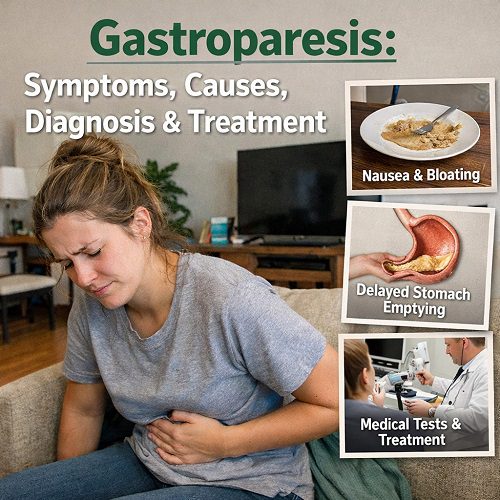
Gastroparesis is a chronic digestive disorder that affects how the stomach empties its contents into the small intestine. The term literally means “stomach paralysis,” and while the stomach is not completely paralyzed in most cases, its motility (movement) is significantly impaired. This delay in gastric emptying occurs without any physical blockage, making the condition both complex and sometimes difficult to diagnose.
Gastroparesis can range from mild to severe and may significantly impact quality of life. Understanding its symptoms, causes, diagnostic methods, and gastroparesis treatment options is essential for effective management. This complete guide covers everything you need to know.
Gastroparesis Symptoms
The symptoms of gastroparesis are primarily related to delayed stomach emptying. Because food remains in the stomach longer than normal, it can lead to discomfort and digestive complications.
Common Symptoms
- Nausea – One of the most common symptoms, often occurring after meals.
- Vomiting – Especially vomiting undigested food several hours after eating.
- Early satiety – Feeling full after eating only a small amount of food.
- Bloating – A sensation of abdominal fullness or tightness.
- Abdominal pain – Usually in the upper abdomen.
- Acid reflux or heartburn
- Loss of appetite
- Unintentional weight loss
Symptoms may worsen after large meals, high-fat foods, or high-fiber foods. In severe cases, persistent vomiting can lead to dehydration and electrolyte imbalances.
Symptom Severity
Gastroparesis symptoms may:
- Come and go (episodic)
- Gradually worsen over time
- Fluctuate depending on blood sugar levels (especially in diabetics)
The condition is closely associated with Diabetes mellitus, particularly when blood sugar is poorly controlled.
Gastroparesis Causes
Gastroparesis occurs when the nerves and muscles that control stomach contractions do not function properly. The most important nerve involved is the vagus nerve, which coordinates stomach movement. Let’s explore what cause gastroparesis:
1. Diabetes
Chronic high blood sugar can damage the vagus nerve. Over time, this nerve damage disrupts stomach contractions, leading to delayed gastric emptying. Both type 1 and type 2 diabetes can cause gastroparesis, but it is more common in long-standing type 1 diabetes.
2. Post-Surgical Complications
Surgery involving the stomach or esophagus may accidentally damage the vagus nerve. Procedures for acid reflux or ulcer treatment sometimes contribute to this condition.
3. Neurological Disorders
Certain neurological diseases affect nerve control of digestion, including:
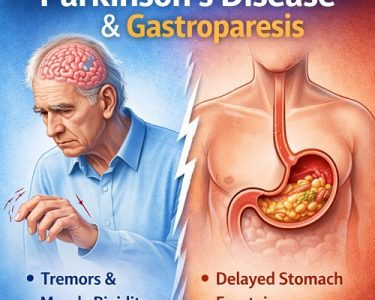
- Parkinson’s disease
- Multiple sclerosis
These disorders impair nerve signaling, which can interfere with gastric motility.
4. Medications
Some drugs slow stomach emptying, including:
- Opioid pain medications
- Certain antidepressants
- Anticholinergic drugs
5. Viral Infections
In some cases, gastroparesis develops after a viral illness. This form may improve over time.
6. Idiopathic Causes
In many patients, no clear cause is identified. This is called idiopathic gastroparesis.
Gastroparesis Diagnosis
Diagnosing gastroparesis involves ruling out mechanical obstruction and confirming delayed gastric emptying.
1. Medical History and Physical Examination
Doctors begin by reviewing symptoms, medication history, diabetes control, and any prior surgeries.
2. Upper Endoscopy
An endoscopy helps rule out structural blockages like ulcers or tumors.
3. Gastric Emptying Study
The most definitive diagnostic test is a gastric emptying study (gastric emptying scintigraphy). The patient eats a small meal containing a safe radioactive marker, and imaging tracks how quickly the stomach empties.
Delayed emptying beyond normal timeframes confirms gastroparesis.
4. SmartPill (Wireless Motility Capsule)
This capsule measures pressure, pH, and transit time throughout the digestive tract.
5. Imaging Tests
CT scans or ultrasounds may be used to rule out obstruction.
Accurate diagnosis is crucial because treatment differs significantly from other digestive disorders like Gastroesophageal reflux disease.
Medical Treatment for Gastroparesis
Treatment focuses on symptom relief, improving gastric emptying, and preventing complications.
1. Blood Sugar Control
For diabetic patients, strict blood sugar control is essential. High glucose levels further slow stomach emptying.
2. Medications to Stimulate Motility
Prokinetic medications improve stomach contractions:
- Metoclopramide – FDA-approved for gastroparesis; stimulates gastric motility and reduces nausea.
- Erythromycin – Used off-label; stimulates motilin receptors to enhance stomach contractions.
3. Anti-Nausea Medications
These help control vomiting and nausea.
4. Gastric Electrical Stimulation
In severe cases, a device may be implanted to stimulate stomach muscles electrically.
5. Feeding Tubes
For severe malnutrition, feeding tubes may bypass the stomach and deliver nutrients directly to the small intestine.
Natural Treatment for Gastroparesis
Treatment through natural remedies for gastroparesis are given below:
1. Small, Frequent Meals
Eating 4–6 small meals daily reduces stomach burden.
2. Chewing Thoroughly
Proper chewing makes food easier to digest.
3. Gentle Exercise
Light walking after meals may stimulate digestion.
4. Ginger
Ginger may improve gastric motility and reduce nausea.
5. Stress Reduction
Stress can worsen digestive symptoms. Techniques like meditation and breathing exercises may help.
Always consult a healthcare provider before trying herbal supplements for gastroparesis.
Gastroparesis Diet Guide
Dietary management or Gastroparesis Diet Plan is one of the most important aspects of gastroparesis care.
General Dietary Principles
- Eat small meals
- Choose low-fat foods
- Limit fiber intake
- Avoid carbonated drinks
- Stay hydrated
Recommended Foods
- Well-cooked vegetables (without skins)
- Lean protein (chicken, fish, eggs)
- Refined grains (white rice, white bread)
- Soups and broths
- Smoothies
Foods to Avoid
- Raw vegetables
- High-fiber fruits
- Nuts and seeds
- Fried foods
- Fatty meats
Liquid Diets
Liquids empty from the stomach more easily than solid foods. In moderate to severe cases, nutrient-rich soups and meal replacement shakes may be beneficial.
Working with a dietitian experienced in digestive disorders can significantly improve outcomes.
Gastroparesis Complications
If untreated, It can lead to serious complications of gastroparesis:
1. Malnutrition
Poor nutrient absorption and reduced intake may cause vitamin deficiencies.
2. Dehydration
Frequent vomiting increases dehydration risk.
3. Bezoars
Hardened masses of undigested food can form in the stomach, causing obstruction.
4. Blood Sugar Fluctuations
In diabetic patients, delayed emptying causes unpredictable blood sugar spikes and drops.
5. Reduced Quality of Life
Chronic symptoms can affect mental health and daily functioning.
Gastroparesis Related Conditions
Gastroparesis often overlaps with other digestive or systemic conditions.
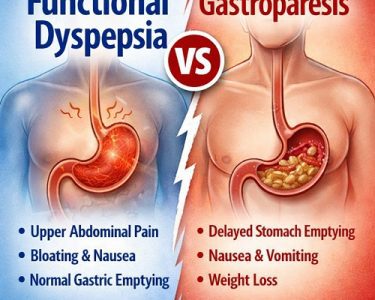
Functional Dyspepsia
Both conditions cause upper abdominal discomfort and early fullness, but gastric emptying may be normal in functional dyspepsia.
Irritable Bowel Syndrome (IBS)
Symptoms such as bloating and abdominal discomfort may coexist.
Gastroesophageal Reflux Disease
Delayed emptying increases the risk of acid reflux.
Autoimmune Disorders
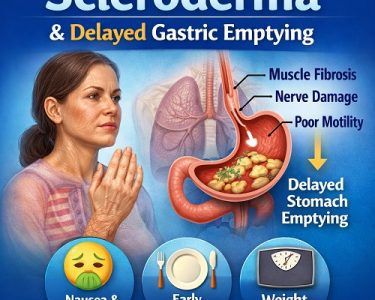
Certain autoimmune diseases can impair nerve function and contribute to gastroparesis.
Living with Gastroparesis
Managing gastroparesis requires a long-term strategy involving:
- Dietary adjustments
- Medication adherence
- Blood sugar monitoring (if diabetic)
- Regular follow-ups with healthcare providers
While there is currently no definitive cure, many patients achieve symptom control through combined medical and lifestyle approaches. To get symptom control you can use our herbal medicine made from natural ingredients like herbs.
When to See a Doctor
Seek medical attention if you experience:
- Persistent vomiting
- Severe abdominal pain
- Unexplained weight loss
- Signs of dehydration
- Difficulty controlling blood sugar
Early diagnosis and intervention significantly improve outcomes.
Final Thoughts
Gastroparesis is a complex but manageable digestive disorder. It affects stomach motility and can lead to nausea, vomiting, bloating, and nutritional complications. The most common cause is Diabetes mellitus, though surgery, neurological disorders, medications, and idiopathic factors also play roles.
Effective management involves accurate diagnosis, medications like Metoclopramide, dietary modifications, and lifestyle changes. Severe cases may require advanced interventions such as gastric electrical stimulation.
With proper medical guidance and a personalized treatment plan, many individuals with gastroparesis can maintain a stable and fulfilling life.
If you suspect symptoms of gastroparesis, consult a healthcare professional for evaluation and appropriate care.