
 By
By Lichen planus is a chronic inflammatory skin condition that can affect the skin, nails, scalp, and mucous membranes, such as the mouth or genital area. It occurs when the immune system mistakenly attacks healthy skin cells, leading to symptoms like flat-topped, purple or reddish bumps, white lacy patterns called Wickham striae, itching, and sometimes discomfort. While the exact cause is unknown, triggers may include certain medications, infections like hepatitis C, stress, or genetic factors. Many people search for lichen planus symptoms, causes, and treatment options, or even explore natural remedies for lichen planus to manage mild discomfort at home. Lichen planus can be persistent, may affect multiple areas of the body, and often requires medical care to control symptoms and prevent complications.
Lichen planus like keratosis, on the other hand, is a different and usually harmless skin condition. It often appears suddenly, typically as a single pink, brown, or reddish spot, and may develop within a pre-existing lesion, especially in areas exposed to sunlight. Despite sharing part of its name with lichen planus, it behaves differently: it usually resolves on its own, does not spread, and rarely causes ongoing discomfort. However, its appearance can mimic other skin conditions, such as actinic keratosis or seborrheic keratosis, which can lead to confusion. Understanding its appearance, triggers, dermoscopic and histologic features, and treatment options is important for distinguishing it from other skin disorders and ensuring accurate diagnosis.
What Is Lichen Planus?
Lichen Planus is a chronic inflammatory skin condition that affects the skin, mucous membranes, hair, and nails. It occurs when the body’s immune system mistakenly attacks the skin or mucosal tissues, leading to characteristic lesions. It is not contagious, not an infection, and not cancer, but it can be uncomfortable and may sometimes persist for months or years.
Causes of Lichen Planus
The exact cause is unknown, but several factors are believed to contribute:
Immune System Reaction
Lichen planus is considered an autoimmune condition where the immune system attacks the body’s own skin or mucosal cells.
Genetic Predisposition
Some people may be more likely to develop it because of their genetic makeup.
Medications (Drug-Induced Lichenoid Reaction)
Certain drugs can trigger lichen planus–like reactions, including:
- NSAIDs
- Beta-blockers
- Antimalarials
- ACE inhibitors
- Some diabetes medications
Infections
- Hepatitis C has been strongly associated with lichen planus.
- Other viral infections may also play a role.
Allergens or Chemicals
Exposure to certain materials (e.g., dental metal fillings) can trigger oral lichen planus.
Symptoms of Lichen Planus
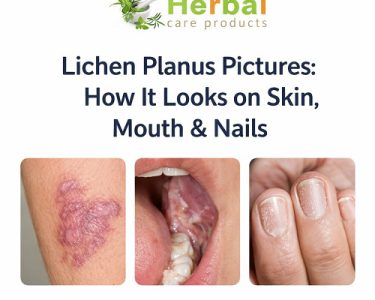
Symptoms vary depending on the body area affected. Common forms include cutaneous, oral, genital, scalp, and nail lichen planus.
Skin Symptoms
- Small, flat-topped, purple or violet bumps
- A fine white pattern on top called Wickham striae
- Itching (sometimes severe)
- Lumps often appear on wrists, legs, lower back, and ankles
Oral (Mouth) Symptoms
- White, lacy patches inside the cheeks
- Red, swollen, painful areas
- Burning sensation, especially with spicy foods
- Ulcers in severe cases
Oral lichen planus may last longer than skin lesions.
Genital Symptoms
- White patches
- Burning or discomfort
- Erosions or painful sores
Commonly affects the vulva or penis.
Scalp Symptoms (Lichen Planopilaris)
- Redness and irritation
- Hair loss (may become permanent if scarring occurs)
Nail Symptoms
- Thinning and ridging
- Splitting
- Nail loss in severe cases
Treatment Options
Although there is no permanent cure, many treatments help control symptoms:
Topical Treatments
- Corticosteroid creams or ointments
- Tacrolimus or pimecrolimus for sensitive areas
Oral Medications
- Steroids for severe cases
- Antihistamines for itching
Light Therapy
- Narrow-band UVB or PUVA
Oral Lichen Planus Care
- Steroid mouth gels or rinses
- Avoid spicy or acidic foods
Lifestyle Tips
- Reduce stress
- Avoid scratching
- Good oral hygiene
Lichen Planus Like Keratosis Definition
Lichen planus like keratosis (LPLK) is a benign (non-cancerous) skin growth that usually appears as a small, pink, red, or brown patch on sun-exposed skin. It is considered an inflammatory skin reaction that occurs when an existing skin lesion—often a seborrheic keratosis or solar lentigo—undergoes irritation or regression.
Because it sometimes resembles lichen planus, people often confuse it with the actual disease or search for solutions like Lichen planus natural treatment, even though the two conditions are different. LPLK usually appears as a single lesion rather than multiple patches and is most commonly seen on adults aged 40 and above. It is not a dangerous condition, not contagious, and does not turn into skin cancer.
Lichen Planus Like Keratosis Causes
The exact cause is not fully understood, but doctors believe several factors contribute:
Regression of Other Skin Lesions
Most cases occur when an existing benign skin lesion—such as a solar lentigo (“age spot”)—starts disappearing. During this fading process, the immune system reacts, creating inflammation.
Sun Exposure
Chronic sun exposure is a major contributor. This is why LPLK appears more often on the chest, arms, and face.
Immune Response
Some experts believe the immune system mistakenly targets the skin, similar to what happens in lichen planus. This connection often leads people to explore topics like lichen planus supplements that work, thinking both conditions behave the same way—even though LPLK is usually milder.
Age-Related Skin Changes
As people age, sun-damaged spots are more likely to regress, increasing the chance of developing LPLK.
Trauma to the Skin
Occasionally, LPLK forms after irritation, scratching, or minor injury to an area already affected by another skin condition.
Symptoms of Lichen Planus Like Keratosis
Symptoms are usually mild. Most people notice a:
- Pink, red, brown, or purple patch
- Flat or slightly raised spot
- Round or oval shape
- Size between 5 mm to 2 cm
- Rough or scaly surface
The lesion may slowly change color, often fading over months. This color change sometimes reminds people of pigment loss seen in other forms of lichen planus, inspiring interest in guides like living with lichen planus pigmentosus tips for coping, even though LPLK is usually much simpler and less persistent.
Is It Painful or Itchy?
Most people report no itching or mild irritation. Pain is rare. If the spot becomes tender or bleeds, a doctor should check it to rule out other conditions.
Where Does It Appear?
Common locations include:
- Chest
- Upper back
- Forearms
- Shoulders
- Face
Rarely, it appears on the legs.
Treatment Options
Even though LPLK is harmless, some people prefer treatment due to cosmetic concerns or because they worry it might be something serious. Before considering options, many patients look for milder approaches such as lichen planus treatment by natural skin care products or herbal treatment for lichen planus and its promising solution, assuming similar remedies might help with LPLK inflammation.
Observation
LPLK usually fades on its own within 3–12 months. Doctors often recommend simply monitoring the spot.
Topical Steroids
A mild steroid cream can reduce redness and inflammation. This is helpful if the patch becomes itchy.
Cryotherapy
Freezing the lesion with liquid nitrogen can remove the spot quickly.
Laser Treatment
Certain lasers help lighten or remove pigmented lesions.
Biopsy (When Needed)
A biopsy is recommended when:
- The lesion is unusually dark
- It changes quickly
- It bleeds
- It looks suspicious
This helps confirm that the lesion is benign and not something more serious like skin cancer. Many people also research natural or dietary methods like how to use a lichen planus cure diet to help manage symptoms, although such approaches are more useful for actual lichen planus rather than LPLK.
Clinical–Histologic Variations: Understanding How It Looks Under the Microscope
Lichen planus like keratosis has specific histologic (microscopic) features that help dermatologists distinguish it from other skin diseases. These features include:
Lichenoid Inflammation
This means the immune system’s T-cells gather at the surface of the skin, similar to lichen planus. This similarity sometimes causes confusion with other lichenoid disorders, leading people to explore topics such as natural treatment of lichen planus allergic reaction even though LPLK is not allergic in nature.
Hyperkeratosis
The top layer of the skin becomes thicker, creating a rough appearance.
Parakeratosis
This feature helps distinguish LPLK from classic lichen planus.
Melanin Incontinence
Pigment drops into deeper layers, causing brownish spots.
Lichen Planus Like Keratosis Dermoscopy
Dermoscopy is a tool used by dermatologists to examine the lesion closely. Key features include:
- Orange-yellow areas
- White or gray structureless zones
- Fine scale
- Irregular blood vessels
- Gray dots or granules
These patterns help distinguish LPLK from dangerous conditions like melanoma.
Comparisons With Other Conditions
This section explains how lichen planus like keratosis differs from other skin conditions that may look similar, such as lichen planus and actinic keratosis. Understanding these differences helps prevent misdiagnosis and guides patients toward the correct treatment.
Lichenoid Keratosis vs Lichen Planus
Although both conditions involve inflammation, they are different:
| Feature | LPLK | Lichen Planus |
| Number of lesions | Usually one | Many lesions |
| Cause | Regression of existing lesion | Autoimmune |
| Colour | Pink, red, or brown | Purple |
| Itching | Mostly mild | Often severe |
| Duration | Months | Can be chronic |
People dealing with nail involvement in lichen planus sometimes learn about what causes lichen planus nails and how to manage it, but LPLK does not affect nails at all.
Actinic Keratosis vs Lichen Planus: Most Likely to Become Cancer
Here it’s important to clarify:
- Actinic keratosis can become skin cancer (SCC) if untreated.
- Lichen planus like keratosis does NOT turn into cancer.
- Lichen planus also does NOT become cancer.
This is one of the most important distinctions for patient reassurance.
Lichen Planus Like Keratosis and Online Medical Resources
Many people search lichen planus like keratosis emedicine to find clinical details, although such resources are often complex for general readers. This article attempts to simplify the same information in easy language.
Additional Notes and Patient Attracting Elements
Some people researching this condition also explore related topics such as top treatment strategies for bullous lichen planus you should know, even though bullous lichen planus is a different and more severe autoimmune disorder. Others look into herbal supplements like Plenical herbal supplement for lichen planus, hoping for natural anti-inflammatory solutions. While these options apply to classic lichen planus—not LPLK—they show how commonly people confuse the two diseases.
Final Thoughts
Lichen planus like keratosis (LPLK) is a benign, inflammatory skin condition that commonly develops when an existing sun-damaged spot, such as a freckle, solar lentigo, or actinic keratosis, begins to regress or change in appearance. It usually appears as a single pink, red, or brown spot, often small and slightly scaly, and is most commonly seen in areas exposed to sunlight, such as the face, arms, or chest. LPLK is not dangerous, not cancerous, and in most cases, resolves naturally without medical intervention.
Despite its harmless nature, LPLK can be easily mistaken for other skin conditions, including lichen planus, actinic keratosis, or seborrheic keratosis, because of its similar color, texture, and shape. For this reason, accurate diagnosis is important. Dermatologists often use dermoscopy, a non-invasive imaging technique, or perform a skin biopsy to confirm the condition and rule out more serious disorders.
Management of LPLK is usually straightforward. Many lesions fade over time without any treatment. In cases where lesions are bothersome, itchy, or cosmetically concerning, gentle topical treatments or minor dermatologic procedures may be used to accelerate resolution. Overall, with proper understanding and occasional medical guidance, lichen planus like keratosis can be easily monitored and managed, providing reassurance to patients and avoiding unnecessary treatments.