 By
Abdominal adhesions are bands of scar-like tissue that develop between organs and tissues inside the abdomen. They can form after abdominal or pelvic surgery, infections, inflammation or certain medical conditions. Although many people with adhesions never experience symptoms, others may develop abdominal discomfort, bloating, constipation and, in more serious cases, intestinal obstruction.
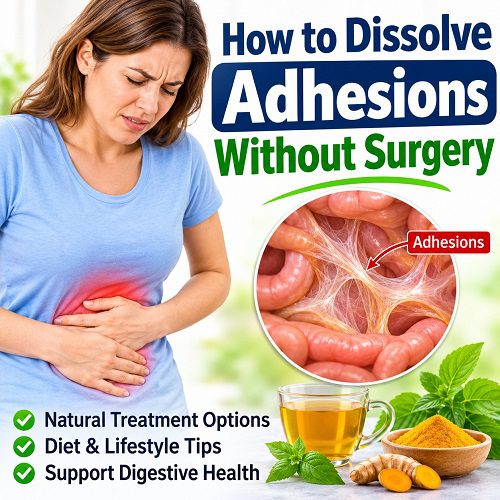
People diagnosed with abdominal adhesions often look for ways to manage the condition without undergoing another operation. This raises an important question: how to dissolve adhesions without surgery?
The good news is that several non-surgical approaches may help manage symptoms, support digestive health and improve daily comfort. However, it is important to understand that no natural remedy, supplement, food or exercise has been proven to dissolve established internal scar tissue. Treatment depends on the location, severity and complications associated with the adhesions.
Possible Adhesions causes, symptoms, medical management options, lifestyle approaches and precautions for people seeking a Natural Treatment for Abdominal Adhesions.
What Are Abdominal Adhesions?
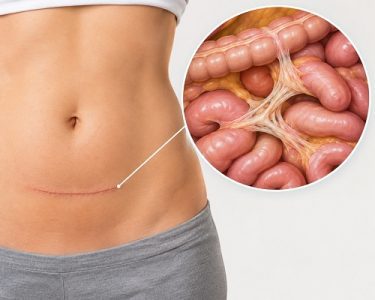
Abdominal adhesions are abnormal bands of fibrous scar tissue that develop inside the abdomen. They can connect two organs or attach an organ to the abdominal wall. Normally, abdominal organs move freely against one another, but adhesions can restrict this natural movement.
These bands usually develop as part of the body’s healing response after tissue damage or inflammation.
According to the National Institute of Diabetes and Digestive and Kidney Diseases (NIDDK), more than 90% of people who undergo open abdominal surgery develop adhesions, although most never experience related symptoms.
Adhesions may develop around several abdominal structures, including:
- The small and large intestines.
- The stomach and surrounding tissues.
- The uterus and fallopian tubes.
- The ovaries and pelvic organs.
- The abdominal wall.
Some adhesions remain harmless throughout life. Others can pull on surrounding tissues, restrict movement or cause intestinal obstruction.
What Causes Abdominal Adhesions?
Understanding the causes of abdominal adhesions can help people recognise their risk factors and discuss appropriate treatment options with healthcare professionals.
Common causes include:
1. Previous abdominal surgery
Abdominal surgery is the most common cause of adhesions. Procedures involving the intestines, appendix, uterus or other abdominal organs can damage internal tissues. During healing, scar tissue may develop and connect nearby surfaces.
People who undergo multiple abdominal operations may have a higher risk of developing adhesions.
2. Abdominal infections
Infections inside the abdominal cavity can cause inflammation and tissue damage. This healing process may contribute to adhesion formation.
3. Endometriosis
Endometriosis occurs when tissue similar to the uterine lining grows outside the uterus. This condition can cause inflammation, scarring and pelvic adhesions.
4. Inflammatory bowel conditions
Conditions such as Crohn’s disease can cause repeated inflammation within the digestive tract. Severe inflammation and related complications may contribute to abdominal scar tissue.
5. Pelvic inflammatory disease
Pelvic inflammatory disease (PID) is an infection affecting the female reproductive organs. If untreated, it can cause scarring around the uterus, ovaries and fallopian tubes.
6. Radiation treatment
Radiation therapy involving abdominal or pelvic areas may damage surrounding tissues and contribute to internal scarring.
Identifying the underlying cause is important because managing the condition responsible for inflammation may help reduce further tissue damage. However, treating the original cause does not necessarily remove adhesions that have already formed.
Common Symptoms of Abdominal Adhesions
Many people have abdominal adhesions without knowing they exist. Symptoms usually develop when the scar tissue restricts organ movement, causes discomfort or interferes with normal intestinal function.
Common symptoms include:
- Persistent abdominal discomfort.
- Repeated bloating and abdominal swelling.
- Cramping or intermittent abdominal pain.
- Constipation.
- Difficulty passing gas.
- Nausea.
- Reduced appetite.
- Changes in bowel movements.
- Pelvic discomfort.
The severity of symptoms varies between individuals. Some people experience occasional discomfort, while others develop complications requiring immediate medical attention.
When Are Abdominal Adhesions Dangerous?
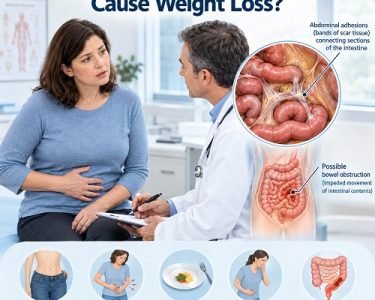
One of the most serious complications is a small bowel obstruction. This happens when adhesions pull, twist or compress the intestines, preventing food, liquids and digestive waste from moving normally.
Warning signs include:
- Severe or worsening abdominal pain.
- Persistent vomiting.
- Significant abdominal swelling.
- Inability to pass stool or gas.
- Fever or a rapid heartbeat.
Medical emergency
If you experience severe abdominal pain, vomiting, swelling or an inability to pass gas or stool, seek emergency medical care immediately. Do not try to treat a possible bowel obstruction with Home Remedies for Abdominal Adhesions, laxatives or abdominal massage.
How to Dissolve Adhesions Without Surgery: Is It Possible?
Many people search for how to dissolve adhesions without surgery because they want to avoid another operation and its possible complications.
However, there is currently no scientifically established natural treatment, medication, supplement or dietary programme that can dissolve established abdominal adhesions.
Surgical adhesiolysis, which involves cutting or releasing the scar tissue, is the established method of physically removing problematic adhesions.
Nevertheless, surgery is not necessary for everyone. If adhesions are not causing complications, doctors usually recommend monitoring rather than operating.
For selected patients, conservative medical management can help manage symptoms or treat certain partial bowel obstructions without surgery. These approaches require medical supervision and do not mean that the adhesions themselves have disappeared.
The following approaches may help support digestive comfort and overall wellbeing.
1. Follow a Doctor-Recommended Diet
Dietary adjustments may help people manage digestive symptoms associated with abdominal adhesions. However, food cannot break down or dissolve internal scar tissue.
The appropriate diet depends on whether someone has uncomplicated adhesions, constipation or a partial intestinal obstruction.
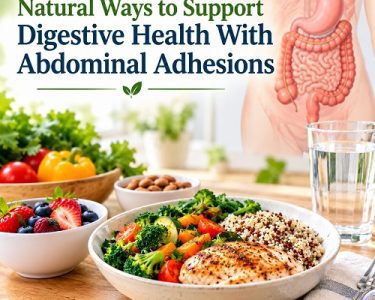
For people without bowel obstruction, a balanced diet containing vegetables, fruits, whole grains and adequate protein can support general digestive health.
However, people with suspected or confirmed intestinal narrowing may need different dietary recommendations.
A healthcare professional may recommend a low-fibre or low-residue diet when appropriate. These diets reduce the amount of undigested material passing through the intestines and may be easier to tolerate in certain cases.
Important: Increasing fibre is not always appropriate for people with abdominal adhesions. If adhesions cause intestinal narrowing or partial obstruction, additional fibre may worsen bloating and discomfort.
Discuss dietary changes with your doctor before making significant adjustments.
2. Drink Enough Water
Adequate hydration supports normal digestive function and helps prevent dehydration.
Water helps the body maintain fluid balance and supports normal stool consistency. People who experience mild constipation may benefit from drinking sufficient fluids throughout the day.
Helpful hydration habits include:
- Drinking water regularly.
- Having water with meals.
- Limiting excessive sugary drinks.
- Increasing fluid intake during hot weather when appropriate.
- Following medical advice if you have a fluid restriction.
However, drinking additional water cannot dissolve adhesions or correct a mechanical intestinal blockage.
If you have vomiting, severe abdominal pain or suspected obstruction, seek medical attention instead of attempting to manage the problem by drinking large amounts of water.
3. Consider Gentle Physical Activity
Regular physical activity supports general health and may help maintain normal bowel function.
Walking is a simple, low-impact activity that many people can incorporate into their daily routines.
Potential benefits include:
- Supporting normal bowel movements.
- Improving general physical fitness.
- Reducing inactivity-related constipation.
- Supporting overall digestive wellbeing.
- Improving mood and stress management.
Start with comfortable walking sessions and gradually increase activity if your healthcare professional considers it appropriate.
Avoid intense exercise if it causes abdominal pain, nausea or unusual discomfort.
Physical activity does not physically break apart internal abdominal adhesions. Its purpose is to support general health rather than remove scar tissue.
4. Explore Specialist-Guided Physical Therapy
Some people with chronic abdominal or pelvic discomfort explore physical therapy as part of their symptom-management plan.
A qualified physiotherapist may assess posture, muscle tension, movement restrictions and abdominal or pelvic discomfort.
Specialist-guided soft tissue mobilisation has been explored for adhesion-related pain, although the available evidence is limited. It has not been established as a method of dissolving internal abdominal adhesions.
It is important to distinguish between superficial tissue restrictions and adhesions connecting internal organs.
Do not attempt deep abdominal massage, forceful manipulation or aggressive stretching to break up suspected adhesions. These techniques cannot safely release internal scar tissue and may be inappropriate when obstruction or another abdominal complication is present.
Discuss physical therapy with your doctor before starting treatment.
5. Manage Constipation With Medical Guidance
Constipation can contribute to abdominal discomfort, bloating and straining.
For people with uncomplicated constipation, doctors may recommend appropriate dietary changes, hydration or medication.
Depending on the individual’s condition, a healthcare professional may consider an osmotic laxative such as polyethylene glycol.
However, constipation caused by a mechanical intestinal obstruction requires a different approach. Taking laxatives without medical advice may be unsafe when obstruction is suspected.
If you have a history of abdominal adhesions and develop new or worsening constipation, consult a healthcare professional to identify the cause before taking medication.
6. Reduce Stress and Support Relaxation
Chronic abdominal discomfort can affect sleep, mood and everyday activities. Stress management may help people cope with persistent symptoms and improve their quality of life.
Consider incorporating simple relaxation practices into your daily routine:
- Practise gentle breathing exercises.
- Maintain a consistent sleep schedule.
- Try meditation.
- Spend time outdoors.
- Participate in comfortable, enjoyable activities.
These practices may support emotional wellbeing and help manage the experience of chronic pain.
However, relaxation techniques do not remove fibrous tissue or reverse abdominal adhesions.
7. Maintain a Balanced and Nutritious Diet
A balanced diet provides nutrients needed for normal body functions and tissue maintenance.
People living with abdominal adhesions should discuss their nutritional needs with a qualified healthcare professional, particularly if they experience repeated digestive symptoms.
Depending on individual tolerance and medical advice, a balanced eating plan may include:
- Protein sources such as eggs, fish and chicken.
- Well-tolerated vegetables.
- Suitable fruits.
- Healthy fats.
- Appropriate whole grains.
- Nutrient-rich foods containing vitamins and minerals.
If a doctor recommends a low-residue diet because of intestinal narrowing, some of these foods may need to be modified or temporarily avoided.
There is no evidence that a particular food combination, detox diet or nutritional supplement can dissolve established abdominal adhesions.
8. Treat Underlying Inflammation and Medical Conditions
Another important part of managing abdominal adhesions is addressing the medical condition that may have contributed to their formation.
For example, people with Crohn’s disease, endometriosis or pelvic inflammatory disease may need specific treatment to manage the underlying condition.
Depending on the diagnosis, doctors may recommend medication, monitoring or other medical interventions.
Managing the underlying condition can help control active inflammation and reduce the risk of further complications. However, it does not guarantee that existing scar tissue will disappear.
Avoid taking anti-inflammatory medicines or herbal products without checking whether they are suitable for your medical history.
Natural Treatment for Abdominal Adhesions: What Should You Know?
People interested in a Natural Treatment for Abdominal Adhesions should understand the difference between supporting digestive health and removing internal scar tissue.
Natural approaches may help manage certain symptoms, but they should never replace medical assessment or necessary treatment.
Here are some important considerations when exploring complementary approaches.
Can Herbal Remedies Dissolve Abdominal Adhesions?
Herbal products are sometimes promoted for inflammation, digestive health and tissue repair. However, there is no reliable clinical evidence that herbal remedies can dissolve fibrous bands connecting abdominal organs.
Some herbal products may also interact with prescription medicines or affect bleeding and digestive function.
Before using herbal supplements, discuss their ingredients and potential interactions with your healthcare provider.
Can Digestive Enzymes Break Down Adhesions?
Digestive enzymes help break down food into smaller components that the body can absorb. They work within the digestive system and do not selectively dissolve scar tissue attached to internal organs.
Although some supplements are marketed as systemic enzyme treatments, there is insufficient clinical evidence to recommend them for dissolving abdominal adhesions.
Avoid replacing prescribed treatment with enzyme supplements or unverified products.
Can Apple Cider Vinegar Dissolve Adhesions?
Apple cider vinegar is sometimes promoted as a natural digestive remedy. However, there is no scientific evidence that drinking apple cider vinegar dissolves internal scar tissue.
It may also cause digestive irritation in some people.
Can Abdominal Massage Remove Adhesions?
Abdominal massage cannot be relied upon to break up internal adhesions. External massage may help some people relax, but it cannot safely separate organs connected by fibrous scar tissue.
Anyone experiencing unexplained abdominal pain, swelling or suspected obstruction should obtain medical advice before attempting massage.
Medical Treatments for Abdominal Adhesions Without Surgery
Although no medication can reliably dissolve established abdominal adhesions, doctors can sometimes manage symptoms and certain complications without an operation.
The treatment depends on the patient’s symptoms and whether the adhesions have caused intestinal obstruction.
1. Hospital-Based Conservative Treatment
Some patients with adhesive small bowel obstruction can recover without surgery under close hospital supervision.
Doctors may recommend:
- Temporary avoidance of food and drink by mouth.
- Intravenous fluids to prevent dehydration.
- Electrolyte replacement.
- A nasogastric tube to remove fluid and gas from the stomach.
- Regular clinical examinations and monitoring.
This approach is appropriate only for selected patients. Signs of bowel strangulation, reduced blood supply, perforation or peritonitis require urgent medical assessment and often surgery.
The World Society of Emergency Surgery’s Bologna guidelines describe these conservative management principles for appropriate cases of adhesive small bowel obstruction.
2. Medication for Symptom Management
Depending on the symptoms, doctors may recommend medication to address associated problems such as constipation, abdominal cramps or pain.
Examples include:
- Appropriate pain-relieving medicines.
- Selected medications for abdominal cramping.
- Constipation treatments when there is no mechanical obstruction.
- Medicines for other diagnosed digestive conditions.
These medications manage particular symptoms rather than remove the adhesions.
Never start laxatives or pain medication without medical guidance if you have symptoms suggesting an intestinal blockage.
3. Pain Management and Specialist Support
Some individuals experience persistent abdominal or pelvic pain even without an identifiable bowel obstruction.
A doctor may recommend a multidisciplinary pain-management approach involving medication, specialist assessment and appropriate physical therapy.
The goal is to improve daily functioning and reduce discomfort while avoiding unnecessary procedures.
When Is Surgery Necessary for Abdominal Adhesions?
Although many people prefer non-surgical treatment, surgery may become necessary when adhesions cause serious complications.
Doctors may recommend surgical adhesiolysis when a patient experiences:
- Complete intestinal obstruction.
- Repeated episodes of bowel obstruction.
- Signs of intestinal strangulation.
- Reduced blood supply to the bowel.
- Severe complications that cannot be managed conservatively.
- Selected fertility-related complications caused by pelvic adhesions.
Surgical adhesiolysis can be performed using laparoscopic or open techniques, depending on the patient’s condition.
However, surgery also has risks. It can damage nearby organs, cause infection and lead to the development of additional adhesions.
For this reason, doctors carefully evaluate the potential benefits and risks before recommending an operation.
How Are Abdominal Adhesions Diagnosed?
Diagnosing abdominal adhesions can be challenging because routine imaging does not always show the scar tissue itself.
A doctor may begin with a medical history and physical examination, particularly if the patient has previously undergone abdominal or pelvic surgery.
Depending on the symptoms, investigations may include:
- CT scan: A computed tomography scan can identify intestinal obstruction and help assess its severity.
- Abdominal X-ray: This may help identify signs of intestinal blockage.
- Blood tests: These can help assess dehydration, infection and other complications.
- Pelvic investigations: Women with suspected reproductive-system adhesions may require specialised examinations and imaging.
In some cases, surgery is the only way to confirm the presence and extent of abdominal adhesions directly.
How to Prevent Further Abdominal Adhesions
Preventing adhesions completely is not always possible. However, certain surgical techniques can reduce the likelihood of their formation.
Consider these preventive measures:
- Discuss the necessity of abdominal surgery with your surgeon.
- Ask whether minimally invasive surgery is appropriate.
- Follow postoperative instructions carefully.
- Attend follow-up appointments.
- Seek treatment for abdominal and pelvic infections.
- Manage diagnosed inflammatory conditions with professional guidance.
Surgeons may also use special adhesion barriers during certain operations to reduce the risk of tissues sticking together.
These preventive measures do not guarantee that adhesions will not develop.
Frequently Asked Questions (FAQs)
1. Can abdominal adhesions dissolve naturally?
Some abdominal adhesions may improve over time, but there is no proven natural method that reliably dissolves established scar tissue. Many adhesions remain harmless and do not require treatment.
2. What is the fastest way to dissolve abdominal adhesions?
There is no proven quick or non-surgical method for dissolving abdominal adhesions. Surgical adhesiolysis physically releases problematic scar tissue, but surgery is generally reserved for selected cases involving significant complications.
3. Can drinking water help with abdominal adhesions?
Drinking sufficient water supports hydration and normal digestive function. It may help prevent dehydration and support normal stool consistency, but it cannot dissolve internal scar tissue.
4. Which foods should I avoid with abdominal adhesions?
There is no universal list of foods that everyone with adhesions must avoid. People with intestinal narrowing or partial obstruction may need a low-fibre or low-residue diet under medical supervision.
5. Can walking help abdominal adhesions?
Walking supports general health and may help maintain normal bowel function. However, it cannot physically break apart adhesions connecting internal organs.
6. Can abdominal adhesions cause constipation?
Yes. Adhesions may restrict or obstruct intestinal movement, potentially causing constipation, bloating and abdominal discomfort. New or worsening constipation should be assessed by a healthcare professional.
7. Can herbal supplements remove abdominal adhesions?
There is currently no reliable clinical evidence that herbal supplements remove established abdominal adhesions. Be cautious of products claiming to dissolve internal scar tissue.
8. Do all abdominal adhesions require surgery?
No. Most abdominal adhesions do not cause symptoms or complications and do not require treatment. Doctors generally recommend surgery only when there is a significant medical reason.
9. Can abdominal adhesions return after surgery?
Yes. New adhesions may develop after surgical adhesiolysis because the healing process can create additional scar tissue.
10. When should I see a doctor for abdominal adhesions?
Consult a doctor if you experience persistent abdominal pain, repeated bloating, unexplained constipation or changes in bowel habits. Seek emergency care for severe abdominal pain, vomiting, significant swelling or inability to pass gas or stool.
Conclusion
Understanding how to dissolve adhesions without surgery is important for people who want to manage abdominal adhesions while avoiding unnecessary operations.
Although there is currently no proven natural remedy, supplement or medication that dissolves established abdominal scar tissue, several approaches may help manage associated symptoms and support general digestive health.
Following an appropriate diet, maintaining hydration, engaging in gentle physical activity and seeking specialist-guided treatment may improve comfort for some individuals.
The most important step is obtaining an accurate diagnosis and choosing treatment based on the severity of the condition. People with uncomplicated adhesions may not need surgery, while those experiencing intestinal obstruction or other serious complications require immediate medical attention.
Remember: Natural approaches should complement appropriate medical care, not replace it. Always consult a qualified healthcare professional before starting a new treatment programme.
Medical Disclaimer
This article is intended for educational and informational purposes only. It does not provide medical advice, diagnosis or treatment. Natural remedies and dietary changes have not been scientifically proven to dissolve abdominal adhesions. Always consult a qualified healthcare professional before using herbal supplements, changing your diet or starting a treatment programme. Seek emergency medical attention if you experience symptoms of intestinal obstruction.
Medical References
- National Institute of Diabetes and Digestive and Kidney Diseases (NIDDK) – Abdominal Adhesions.
- Cleveland Clinic – Abdominal Adhesions.
- World Society of Emergency Surgery – Bologna Guidelines for Adhesive Small Bowel Obstruction.
- Mayo Clinic – Intestinal Obstruction.
- Abdominal Adhesions: A Practical Review of an Often Overlooked Entity.