
 By
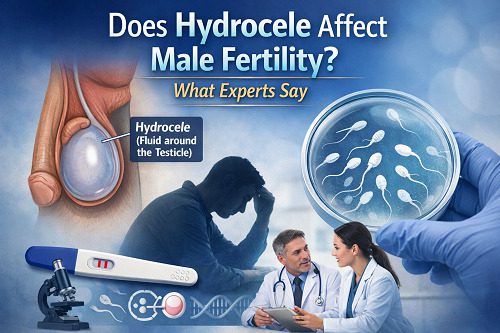
By Hydrocele is a common yet often misunderstood condition affecting males of all ages—from newborns to older adults. Characterized by a fluid-filled sac surrounding one or both testicles, hydrocele typically presents as painless swelling in the scrotum. While many cases are harmless and resolve on their own, a critical question often arises:
What Is a Hydrocele?
A hydrocele occurs when fluid accumulates in the thin sheath (tunica vaginalis) surrounding the testicle. It can be:
- Congenital (present at birth)
- Acquired (develops later in life due to injury, infection, inflammation, or unknown causes)
Hydroceles are usually painless and may vary in size. Many men discover them incidentally during self-examination or routine medical checkups.
Understanding Male Fertility
Male fertility depends on several factors, including:
- Healthy sperm production (spermatogenesis)
- Proper sperm motility (movement)
- Normal sperm structure (morphology)
- Adequate hormone levels (e.g., testosterone)
- Functional reproductive anatomy
The testes must maintain a temperature slightly lower than body temperature (about 1–2°C lower) for optimal sperm production. Any disruption to this environment can potentially impact fertility.
Hydrocele and Fertility: Is There a Connection?
1. Most Hydroceles Do Not Directly Cause Infertility
Medical experts generally agree that hydroceles are usually benign and do not directly impair fertility, especially when they are small and uncomplicated.
- A long-term study found that hydrocele alone “seems to have no direct effect on later fertility” unless other underlying conditions are present .
This means that in many cases, men with hydrocele can still father children without difficulty.
2. When Hydrocele May Affect Fertility
Although most hydroceles are harmless, certain situations can negatively influence fertility.
a. Increased Scrotal Temperature
Hydroceles can trap heat around the testicles. Since sperm production requires a cooler environment:
- Increased temperature may impair spermatogenesis
- Heat retention can reduce sperm count and quality
Research suggests that fluid accumulation can interfere with the testicular cooling mechanism, affecting sperm production .
b. Pressure on Testicular Tissue
Large or tense hydroceles may exert pressure on the testicles:
- Reduced blood flow
- Testicular compression
- Possible tissue damage
This pressure can impair the function of sperm-producing cells.
c. Structural Changes in the Testes
Studies have observed:
- Thickening of testicular membranes
- Disorganization of sperm-producing cells
- Partial or complete arrest of spermatogenesis
These structural changes can directly impact sperm production .
d. Associated Infections or Conditions
Hydroceles may coexist with:
- Infections
- Trauma
- Tumors
- Varicocele
In such cases, fertility issues may arise due to the underlying condition rather than the hydrocele itself.
e. Bilateral Hydrocele (Both Testicles)
When hydrocele affects both testicles:
- The risk of fertility impairment may increase
- Sperm production may be affected more significantly
What Do Clinical Studies Say?
Study 1: Improvement After Surgery
A case study reported a man with severe low sperm count (oligospermia) and bilateral hydrocele:
- After hydrocelectomy (surgical removal), sperm count improved dramatically
- Fertility potential was restored
This suggests that hydrocele can contribute to infertility in certain cases—and that treatment may reverse the condition .
Study 2: Effects on Sperm Quality
Another study found:
- Men with hydrocele had lower sperm count and motility
- However, assisted reproductive outcomes (like IVF/ICSI) were not significantly affected
This indicates that while hydrocele may impair semen parameters, it doesn’t always prevent conception .
Key Takeaway
The relationship between Hydrocele and Fertility is complex:
- Mild hydrocele → Usually no impact
- Severe or complicated hydrocele → Possible fertility issues
Symptoms That May Signal Fertility Risk
Not all hydroceles require concern. However, you should seek medical advice if you experience:
- Rapid increase in scrotal size
- Pain or discomfort
- Heaviness in the scrotum
- Signs of infection (redness, fever)
- Difficulty with sexual activity
These symptoms may indicate complications that could affect fertility.
Diagnosis of Hydrocele
Doctors typically diagnose hydrocele through:
- Physical examination
- Transillumination test (light passes through fluid)
- Ultrasound imaging
Ultrasound is particularly important to rule out:
- Testicular tumors
- Varicocele
- Hernia
Hydrocele Treatment for Better Fertility
When Is Treatment Necessary?
Not all hydroceles require treatment. Doctors may recommend intervention if:
- The hydrocele is large or painful
- Fertility is a concern
- There is underlying pathology
- The condition persists over time
Treatment Options
1. Watchful Waiting
- Common for small, asymptomatic hydroceles
- Especially in infants (often resolves naturally)
2. Aspiration (Fluid Removal)
- Temporary solution
- Fluid often reaccumulates
- Risk of infection
3. Hydrocelectomy (Surgery)
The most effective and permanent treatment:
- Removes the fluid-filled sac
- Restores normal testicular environment
- Improves sperm production in some cases
Evidence shows that hydrocele treatment for better fertility can be effective when fertility is impaired.
Does Surgery Improve Fertility?
Yes—In Certain Cases
Surgical treatment may:
- Improve sperm count
- Enhance sperm motility
- Restore testicular function
As seen in clinical reports, fertility outcomes improved significantly after hydrocelectomy in patients with compromised sperm production.
But Not Always Necessary
If:
- Hydrocele is small
- No symptoms are present
- Fertility is normal
Then surgery may not provide additional benefit.
Hydrocele vs Other Conditions Affecting Fertility
It’s important not to confuse hydrocele with other scrotal conditions:
Condition | Fertility Impact |
| Hydrocele | Usually minimal |
| Varicocele | Common cause of infertility |
| Spermatocele | Typically no effect |
Hydrocele is generally less harmful compared to conditions like varicocele, which is strongly linked to infertility.
Can You Get Someone Pregnant with a Hydrocele?
Yes, in most cases.
Many men with hydrocele:
- Have normal sperm parameters
- Experience no fertility issues
- Successfully conceive naturally
However, if the hydrocele is large or associated with other problems, fertility may be affected.
Prevention and Lifestyle Tips
While hydrocele itself is not always preventable, you can protect fertility by:
- Avoiding testicular injury
- Treating infections promptly
- Maintaining healthy weight
- Avoiding excessive heat exposure (e.g., hot tubs)
- Wearing protective gear during sports
When to See a Doctor
Consult a healthcare professional if:
- You notice swelling in the scrotum
- There is persistent discomfort
- You are trying to conceive without success
- The hydrocele is increasing in size
Early evaluation can help prevent complications.
Expert Opinions on Hydrocele and Fertility
Medical experts emphasize:
- Hydrocele is often a symptom rather than a cause
- Fertility issues usually arise from associated conditions
- Treatment decisions should be individualized
In other words, hydrocele alone is rarely the sole cause of infertility—but it should not be ignored when fertility is a concern.
Frequently Asked Questions (FAQs)
1. Can hydrocele cause permanent infertility?
Rarely. Only severe or untreated cases with complications may lead to long-term fertility issues.
2. Is hydrocele surgery safe?
Yes, hydrocelectomy is generally safe with a high success rate and low complication risk.
3. How long after treatment can fertility improve?
Sperm production may improve within 3–6 months, depending on individual health and severity.
4. Does hydrocele affect testosterone levels?
Usually no, unless there is significant testicular damage.
5. Should I treat hydrocele before trying to conceive?
Only if:
- It is large
- Causes discomfort
- Affects sperm quality
Otherwise, treatment may not be necessary.
Final Verdict: Hydrocele and Fertility
The connection between Hydrocele and Fertility is not straightforward.
Key Points:
- Most hydroceles do not affect fertility
- Large or complicated hydroceles may impair sperm production
- Fertility issues are often linked to underlying conditions
- Hydrocele treatment for better fertility can help in selected cases
Conclusion
Hydrocele is generally a benign condition, but its impact on fertility depends on several factors, including size, severity, and associated complications. While most men with hydrocele can conceive naturally, some cases may require medical intervention to restore optimal reproductive health.
If you are concerned about fertility, it’s essential to consult a healthcare provider for proper evaluation and personalized treatment.
Understanding the nuances of Hydrocele and Fertility can help you make informed decisions and take proactive steps toward better reproductive health.