
 By
By Lichen planus is a chronic inflammatory condition that can affect the skin, mouth, nails, scalp, and sometimes the genital area. Although it is not contagious, it can cause persistent discomfort, itching, and noticeable changes in the affected tissues. Recognizing lichen planus symptoms early is essential for proper diagnosis and treatment, as the condition can sometimes mimic other skin disorders.
We will provides a comprehensive overview of the lichen planus symptoms, including early warning signs on the skin, mouth, and nails. Understanding these symptoms can help individuals seek medical advice sooner and manage the condition effectively.
Understanding Lichen Planus
Lichen planus is an inflammatory disease believed to be linked to an immune system reaction. In this condition, the body’s immune cells mistakenly attack the skin or mucous membranes. Although the exact cause remains unclear, researchers believe it may be triggered by factors such as:
- Autoimmune reactions
- Viral infections (in some cases)
- Certain medications
- Stress or genetic susceptibility
- Allergic reactions to metals or chemicals
The condition most commonly affects adults between the ages of 30 and 60, but it can occur at any age. The symptoms vary widely depending on the area of the body involved.
Common Lichen Planus Symptoms
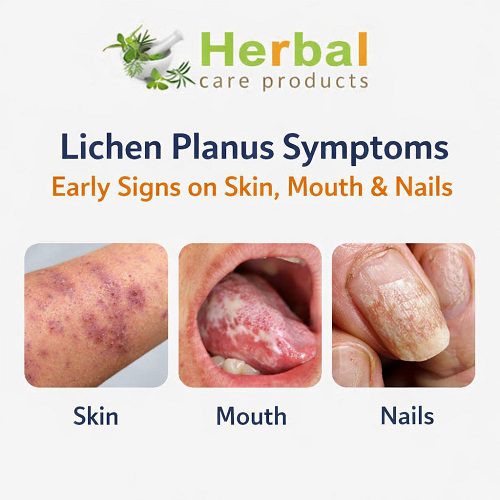
The most noticeable lichen planus symptoms usually appear on the skin as small, shiny, purple bumps. However, the disease may also affect the mouth and nails, leading to different sets of symptoms.
Typical symptoms may include:
- Purple, itchy bumps on the skin
- White patches or sores inside the mouth
- Nail thinning or ridges
- Dark patches after lesions heal
- Burning sensation in oral lesions
- Hair loss when the scalp is involved
In many cases, symptoms develop gradually and may worsen over time without treatment. If you want to analyze which type of symptom you have you can compare it through lichen planus pictures.
Early Lichen Planus Symptoms on the Skin
Skin involvement is the most common form of lichen planus. The early signs often begin with small bumps that may slowly spread across the affected area.
1. Purple Itchy Bumps on the Skin
One of the hallmark lichen planus symptoms is the appearance of purple itchy bumps on the skin. These bumps are usually:
- Flat-topped
- Shiny or slightly scaly
- Purple or reddish-purple in color
- Intensely itchy
The itching can range from mild irritation to severe discomfort that interferes with daily activities.
These bumps often appear in clusters and may join together to form larger patches.
Common Areas Affected
The bumps typically appear on:
- Wrists
- Ankles
- Lower back
- Forearms
- Genital area
In some cases, the rash may spread to the torso or legs.
2. Wickham’s Striae (Fine White Lines)
Another distinctive sign of lichen planus is the presence of delicate white lines across the surface of the bumps. These lines are known as Wickham’s striae.
Characteristics include:
- Thin white streaks
- Net-like patterns on the surface of lesions
- Visible under close inspection
These lines help doctors distinguish lichen planus from other skin conditions.
3. Severe Itching and Skin Irritation
Intense itching is one of the most troubling lichen planus symptoms. Scratching the bumps can lead to:
- Skin thickening
- Increased inflammation
- Secondary infections
- Scarring in severe cases
Some individuals also experience a burning or stinging sensation along with the itching.
4. Dark Pigmentation After Healing
Even after the rash fades, many people notice dark patches on their skin. This condition is known as post-inflammatory hyperpigmentation.
These dark spots:
- Appear brown or gray
- May remain for months or years
- Are more noticeable on darker skin tones
Although harmless, they can cause cosmetic concerns.
Oral Lichen Planus Symptoms
Lichen planus frequently affects the mouth. This condition is known as oral lichen planus, and it may appear with or without skin involvement.
Many people discover the condition during routine dental exams because symptoms may initially be painless. The common symptoms of oral lichen planus mentioned below:
1. White Lacy Patches Inside the Mouth
The most recognizable oral lichen planus symptoms include white, lace-like patterns inside the mouth.
These patterns often appear on:
- Inner cheeks
- Tongue
- Gums
- Roof of the mouth
The patches typically resemble delicate white webs or lines.
2. Painful Mouth Sores
In more severe cases, oral lichen planus can cause open sores or ulcers.
Symptoms may include:
- Burning sensation
- Pain while eating
- Sensitivity to spicy or acidic foods
- Red swollen tissues
These sores can make eating, drinking, or brushing teeth uncomfortable.
3. Gum Inflammation
When lichen planus affects the gums, it may cause:
- Redness
- Bleeding during brushing
- Tenderness
- Peeling gum tissue
This form is sometimes called desquamative gingivitis.
4. Taste Changes and Dry Mouth
Some individuals with oral lichen planus experience:
- Metallic or unusual taste
- Persistent dry mouth
- Increased sensitivity to food textures
These symptoms can reduce appetite and negatively impact quality of life.
Nail Lichen Planus Symptoms
Although less common, lichen planus can affect the nails. Nail lichen planus symptoms may develop slowly and can lead to permanent damage if untreated.
1. Nail Ridges and Grooves
One of the earliest nail lichen planus symptoms is the appearance of ridges running along the nail.
These ridges may cause:
- Rough nail texture
- Long vertical lines
- Weak or brittle nails
The nails may also become thin and fragile.
2. Nail Discoloration
Nails affected by lichen planus may change color.
Common changes include:
- Yellowing
- Dark streaks
- Dull appearance
The nail surface may also become irregular.
3. Nail Splitting and Peeling
As the condition progresses, nails may start to split or peel.
Possible symptoms include:
- Cracked nails
- Layer separation
- Fragile nail edges
This can make everyday tasks difficult and painful.
4. Nail Loss in Severe Cases
In rare and advanced cases, lichen planus may lead to nail destruction.
Symptoms may include:
- Nail thinning
- Scarring of the nail bed
- Permanent nail loss
Early treatment is essential to prevent permanent nail damage.
Other Possible Symptoms of Lichen Planus
Although the skin, mouth, and nails are most commonly affected, lichen planus may also appear in other areas of the body.
1. Scalp Involvement
When lichen planus affects the scalp, it is called lichen planopilaris.
Symptoms include:
- Redness around hair follicles
- Itchy scalp
- Hair thinning
- Permanent hair loss in scarred areas
2. Genital Lichen Planus
The genital area can also be affected.
Symptoms may include:
- Painful sores
- Burning sensation
- Red or purple lesions
- Discomfort during sexual activity
Women are more commonly affected by genital lichen planus than men.
Causes and Risk Factors
The exact cause of lichen planus remains unknown. However, several factors may contribute to its development.
Possible triggers include:
- Immune system dysfunction
- Certain medications (such as NSAIDs or blood pressure drugs)
- Hepatitis C infection in some cases
- Allergic reactions to dental materials
- Stress and emotional factors
Not everyone with these risk factors develops the condition.
When to See a Doctor
It is important to seek medical advice if you notice persistent lichen planus symptoms, especially if they affect the mouth or nails.
Consult a healthcare provider if you experience:
- Severe itching or skin lesions
- Painful mouth sores that do not heal
- Nail changes or deformities
- Difficulty eating due to oral discomfort
Early diagnosis can prevent complications and improve treatment outcomes.
Diagnosis of Lichen Planus
Doctors usually diagnose lichen planus based on physical examination and medical history. In some cases, additional tests may be required.
Diagnostic methods may include:
- Skin biopsy
- Blood tests
- Oral examination by a dentist
- Allergy testing if triggers are suspected
These tests help rule out other conditions with similar symptoms.
Treatment Options
Although there is no permanent cure for lichen planus, treatments can help manage symptoms and reduce inflammation.
Common treatment options include:
1. Topical Corticosteroids
Creams or ointments help reduce inflammation and itching.
2. Oral Medications
Doctors may prescribe:
- Antihistamines for itching
- Immune-modulating drugs
- Corticosteroid tablets in severe cases
3. Light Therapy
Phototherapy can help treat widespread skin lesions.
4. Oral Treatments
For oral lichen planus, doctors may recommend:
- Medicated mouth rinses
- Steroid gels
- Pain-relieving treatments
Lifestyle Tips for Managing Symptoms
People with lichen planus can reduce symptom flare-ups with certain lifestyle adjustments.
Helpful strategies include:
- Avoid scratching affected skin
- Use gentle skincare products
- Maintain good oral hygiene
- Avoid spicy or acidic foods if oral symptoms are present
- Manage stress through relaxation techniques
These steps may help reduce irritation and improve healing.
Possible Complications
Although many cases resolve over time, untreated lichen planus can lead to complications.
Possible complications include:
- Permanent skin discoloration
- Nail damage or loss
- Scarring hair loss
- Increased risk of oral cancer in long-term oral lichen planus (rare but monitored)
Regular medical checkups are recommended for individuals with chronic oral symptoms.
How Long Do Lichen Planus Symptoms Last?
The duration of lichen planus symptoms varies widely.
Typical timelines include:
- Skin lesions may clear within 6–18 months
- Oral lichen planus may persist for years
- Nail symptoms may take longer to improve
Some individuals experience recurring flare-ups even after the condition improves.
Preventing Lichen Planus Flare-Ups
While lichen planus cannot always be prevented, reducing triggers may help control symptoms.
Prevention strategies include:
- Avoid medications known to trigger reactions
- Maintain a healthy immune system
- Reduce stress levels
- Schedule regular dental checkups
- Avoid irritating oral products
These measures may help minimize future outbreaks.
Final Thoughts
Recognizing lichen planus symptoms early is key to managing the condition effectively. The disease can affect multiple parts of the body, including the skin, mouth, and nails, each presenting unique symptoms.
Common warning signs include purple itchy bumps on the skin, oral lichen planus symptoms such as white patches or painful sores, and nail lichen planus symptoms like ridges, discoloration, and nail thinning.
Although lichen planus can be uncomfortable and sometimes persistent, medical treatments and lifestyle adjustments can significantly reduce symptoms and improve quality of life. If you notice any unusual skin lesions, mouth sores, or nail changes, consulting a healthcare professional is the best step toward proper diagnosis and treatment.